
Understanding directions Addition Worksheets
3 filtered results
Difficulty Level
Grade
Age
-
From - To
Subject
Activity
Standards
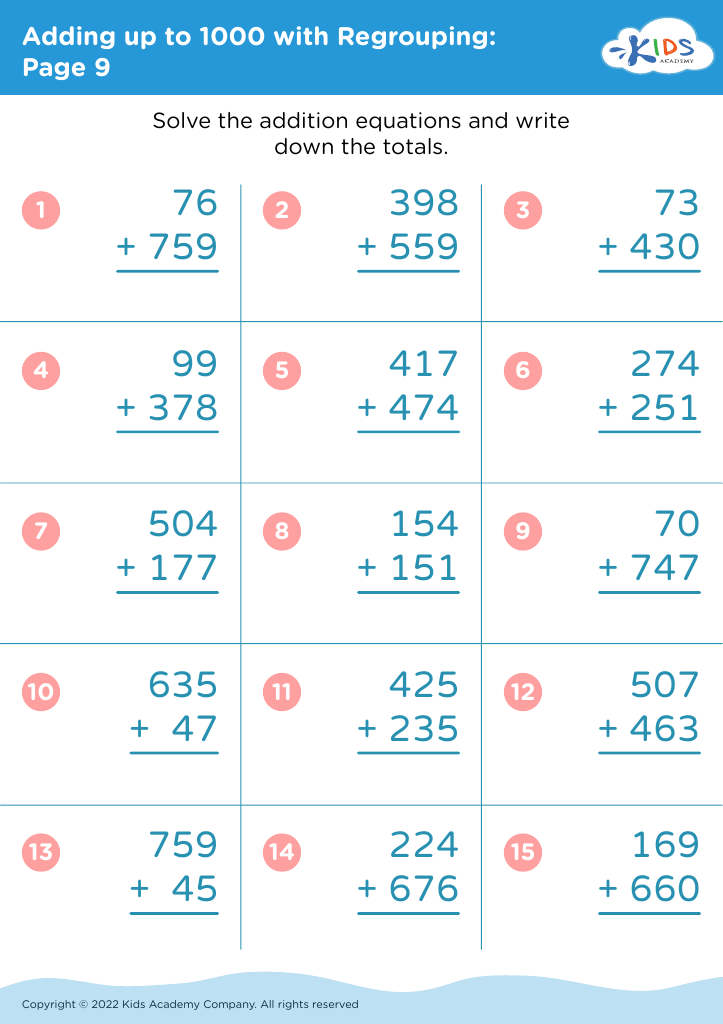
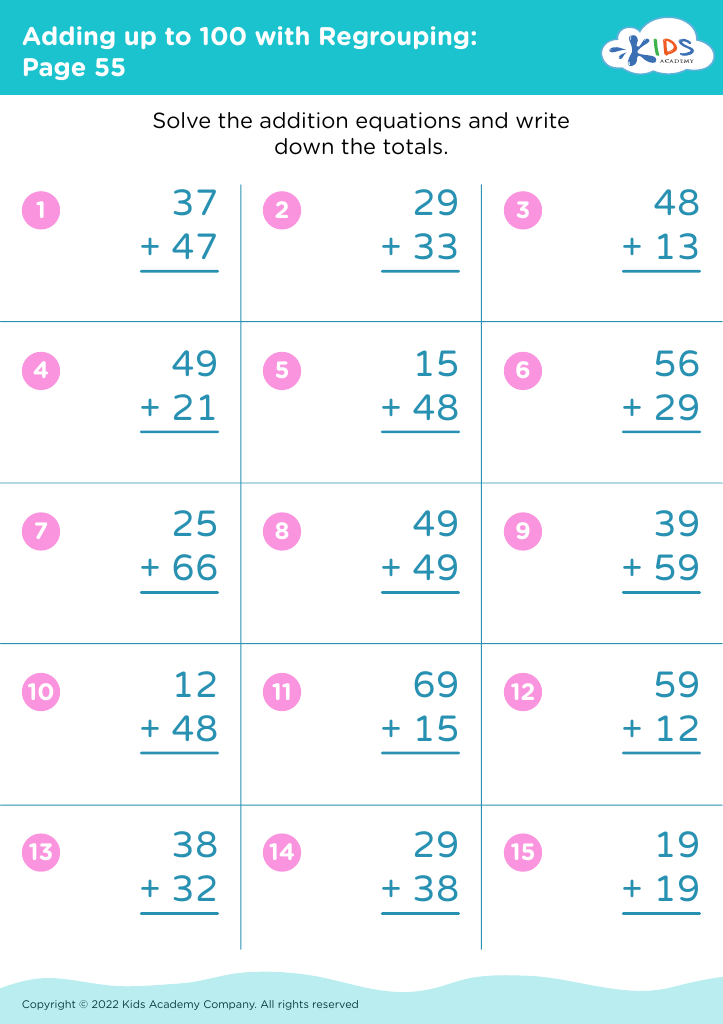
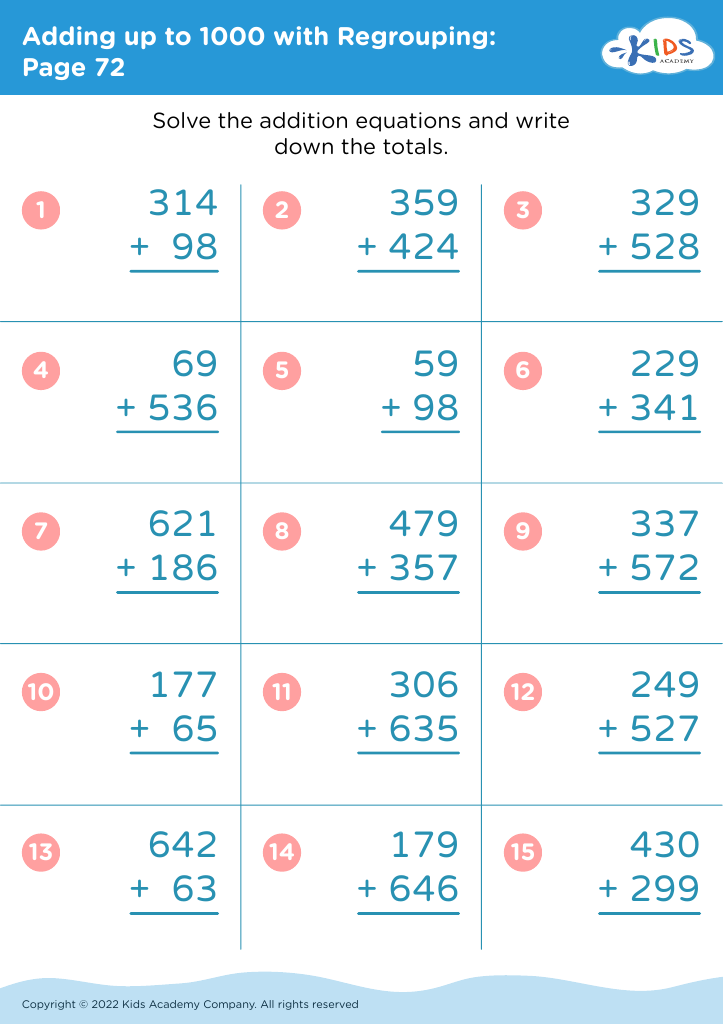
Unlock your child's potential with our "Understanding Directions Addition Worksheets." Designed for early learners, these engaging worksheets help children master addition while improving their comprehension of written instructions. Our carefully crafted exercises encourage kids to slow down and pay attention to key details, enhancing both mathematical skills and reading capabilities. As they guide their problem-solving process, children will grow more confident in following directions and evaluating their work. Perfect for classroom use or at-home learning, our worksheets ensure a fun, interactive experience as students embark on their journey to becoming proficient in addition and understanding academic tasks.
Favorites
With answer key
Interactive
Join Kids Academy for Free
Who is primarily going to use this learning content?






.jpg)

Understanding directions for addition is crucial for both parents and teachers, as it lays the foundation for mathematical competence and confidence in young learners. Mastering addition requires students to grasp not just numbers but the concepts embedded in instructions, which often direct how to solve problems effectively. When children understand mathematical directions, they develop critical thinking and problem-solving skills, allowing them to tackle more complex tasks in the future.
Moreover, clear comprehension of addition directions enhances students' ability to follow multi-step problems, paving the way for mastering larger concepts in math such as subtraction, multiplication, and division. This skill also fosters independence in learning; children who understand directions are more likely to approach tasks confidently without needing constant assistance from adults.
For parents, supporting their children's understanding of addition directions means encouraging a positive attitude towards math, reducing anxiety, and promoting a growth mindset. For teachers, these skills translate into a smoother teaching experience, as students who can follow directions engage more readily with classroom activities. Ultimately, a solid grasp of addition directions empowers children to become enthusiastic, self-directed learners, ready to tackle the challenges of higher-level mathematics.








