
Understanding money Addition Worksheets
3 filtered results
Difficulty Level
Grade
Age
-
From - To
Subject
Activity
Standards
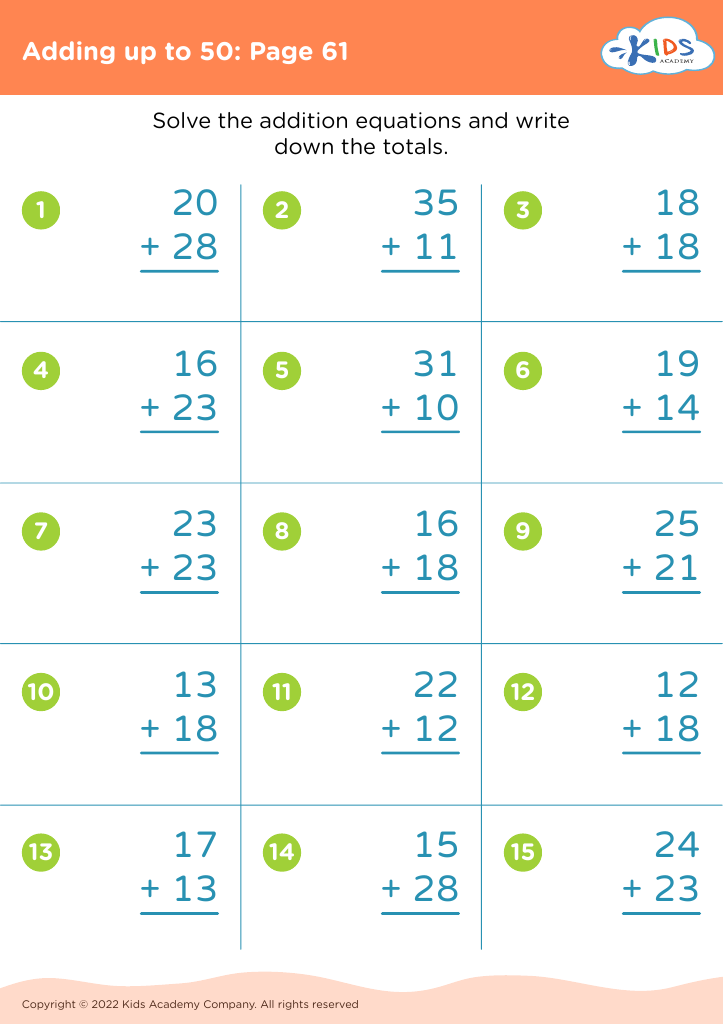
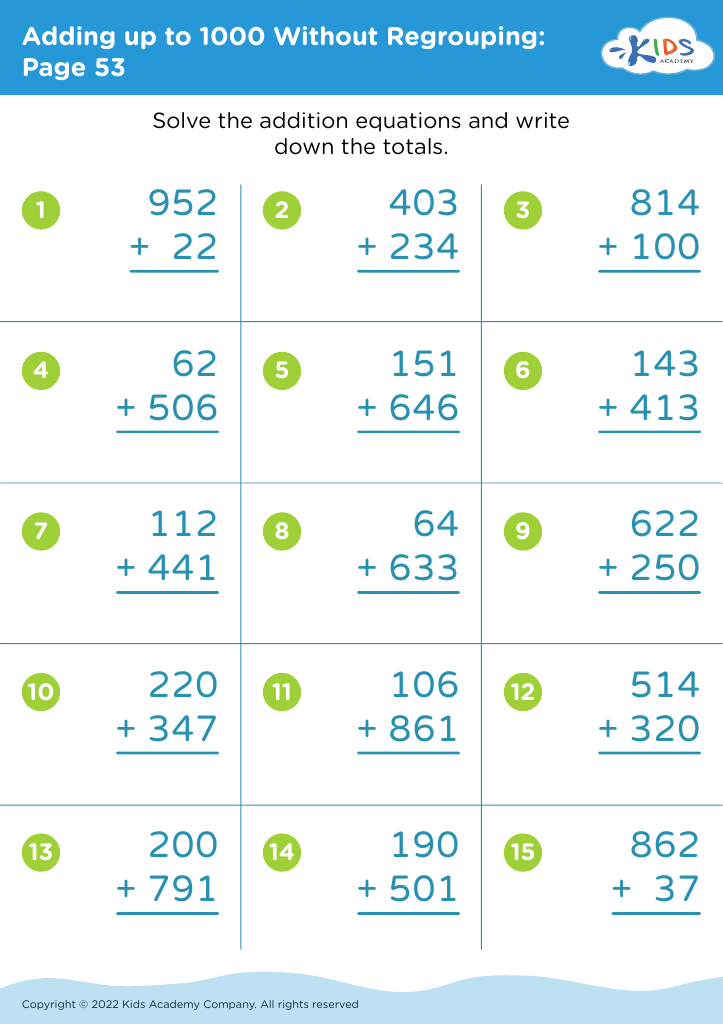
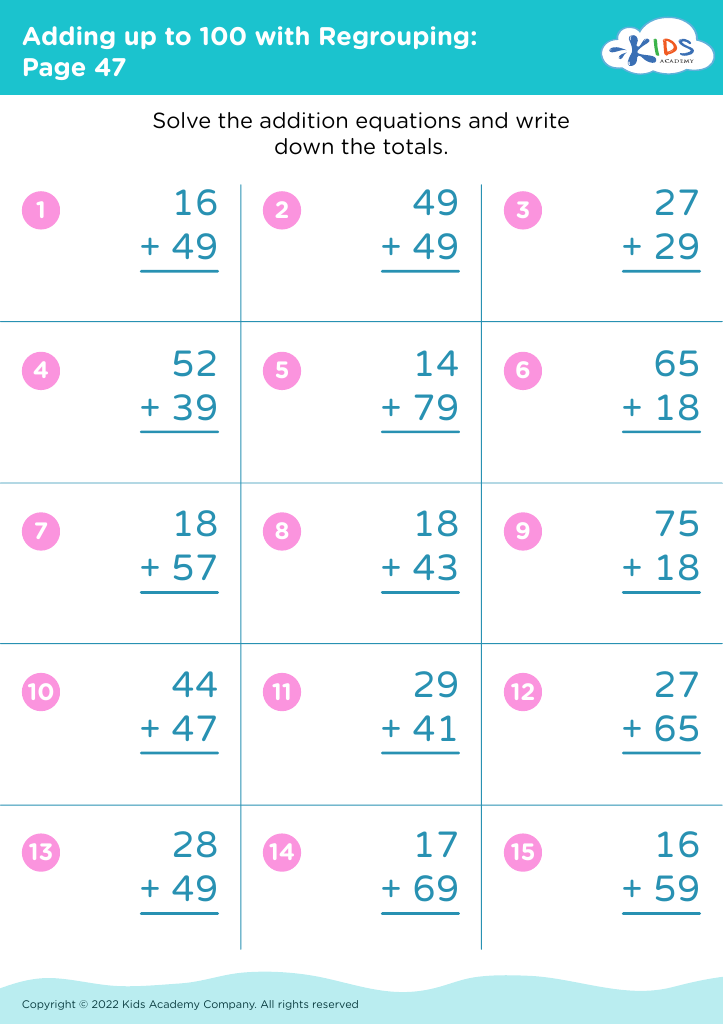
Understanding Money Addition Worksheets designed by Kids Academy help young learners master essential addition skills using real-life money scenarios. These engaging and interactive worksheets introduce children to different coins and bills, combining math with practical financial literacy. Perfect for classroom or at-home use, the activities encourage students to add various amounts, enhancing their arithmetic prowess and boosting confidence in handling money. Fun problems, colorful illustrations, and real-world applications make learning enjoyable and effective. Start your child’s journey to financial literacy and math excellence with our comprehensive Understanding Money Addition Worksheets. Ideal for grades 1-3 and aligned with educational standards.
Favorites
With answer key
Interactive
Join Kids Academy for Free
Who is primarily going to use this learning content?








Understanding money addition is crucial for children’s development, benefiting both their academic proficiency and real-life skills. First and foremost, addition forms the basis of mathematics, an essential subject throughout schooling. Grasping this concept early equips children to excel in more complex mathematical problems as they advance. Therefore, whether you're a parent or a teacher, fostering a strong foundation in money addition sets students up for long-term academic success.
Additionally, money management is a vital life skill. Learning to add coins and bills helps children appreciate the value of money and fosters financial responsibility. This practical knowledge aids in making informed decisions, budgeting, and saving from a young age, thus contributing to their future financial independence and stability.
Moreover, involving children in money-related activities (like simple transactions or counting savings) enhances their confidence and independence. Understanding money addition also sharpens critical thinking as kids learn to solve practical, real-world problems.
Finally, parents and teachers play key roles in shaping children's attitudes toward money and mathematics. Encouraging a pragmatic and positive approach to these concepts builds a strong educational foundation and prepares them for adult responsibilities. In essence, unlocking the gate to money addition today can ensure a smarter, more self-sufficient tomorrow.








