
Alphabet Recognition Math Worksheets
6 filtered results
Difficulty Level
Grade
Age
-
From - To
Subject
Activity
Standards
Enhance your child's learning experience with our Alphabet Recognition Math Worksheets! Designed for early learners, these engaging worksheets combine the fundamentals of letter recognition with basic math skills. Kids will enjoy interactive activities that encourage them to identify and write letters while solving simple math problems. Ideal for preschool and kindergarten classrooms, these resources foster essential literacy and numeracy skills in a fun and engaging way. With colorful designs and easy-to-follow instructions, your child will develop confidence in their alphabet recognition and mathematical abilities. Explore our comprehensive collection and support your child's educational journey today!
Favorites
With answer key
Interactive
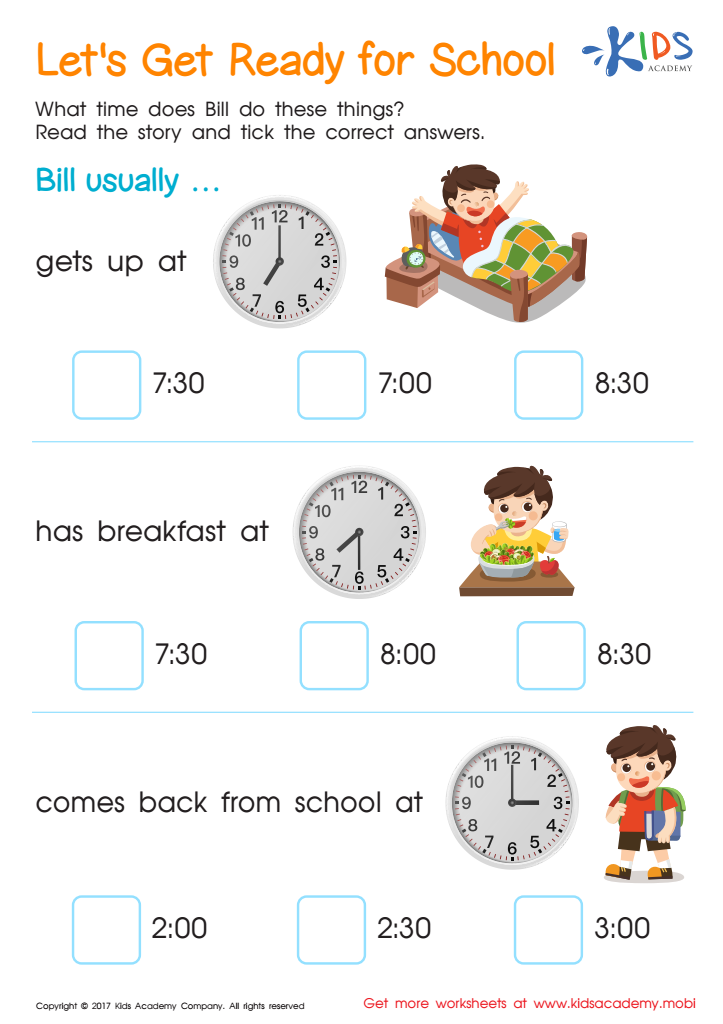
Lets Get Ready For School Time Printable
Believe it or not, kids today are struggling with reading traditional clocks. This vital skill shouldn't be lost, so why not try this fun telling time worksheet to get ready for school? Don't miss out!
 Assign to My Students
Lets Get Ready For School Time Printable
Worksheet
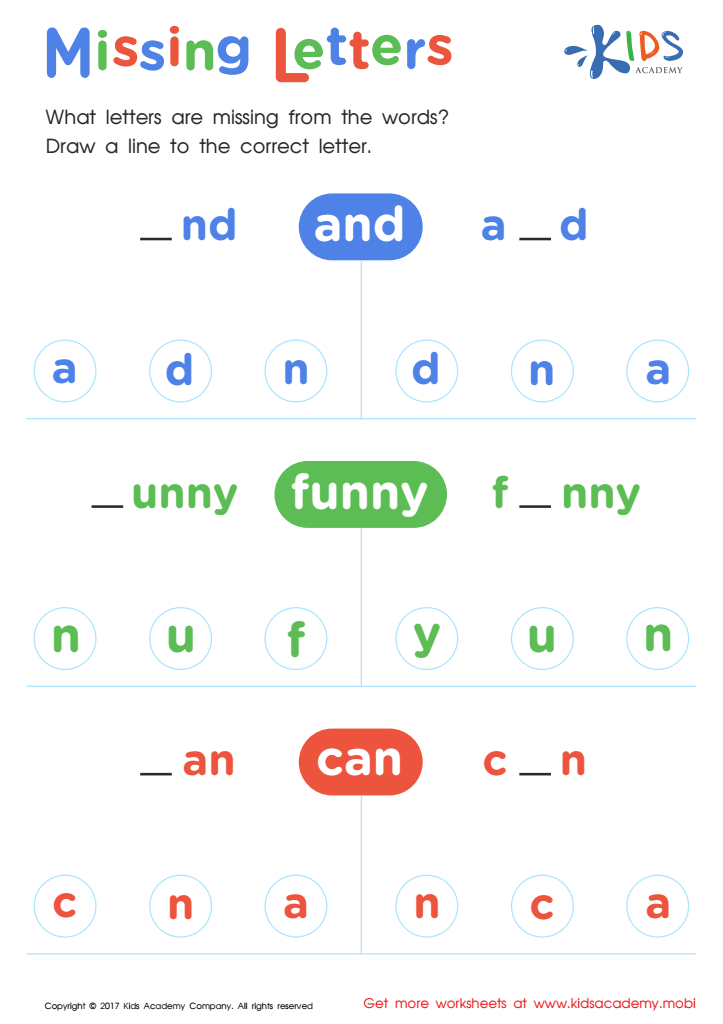
Missing Letters Worksheet
Review sight words with this fun matching worksheet from Kids Academy! Look at the sight words in the middle, read them aloud and find the missing letter on each side for each word. Draw a line to the correct letter to complete the sheet!
Missing Letters Worksheet
Worksheet
Join Kids Academy for Free
Who is primarily going to use this learning content?







Alphabet recognition is fundamental to early literacy and is essential for children’s educational development. When parents and teachers prioritize alphabet recognition, they lay a strong foundation for reading and writing skills. Proficiency in recognizing letters enables children to decode words, which is critical as they venture into more complex text. This vital skill not only facilitates reading fluency but also enhances vocabulary acquisition and comprehension.
Moreover, understanding alphabetic principles supports cognitive development. The process of learning letters includes sound identification, which correlates with phonemic awareness, further enhancing a child’s likelihood of successful reading. Teachers can integrate fun and engaging activities, such as games and storytelling, to reinforce this recognition.
Additionally, early exposure to alphabet recognition fosters enthusiasm for learning. Children gain confidence as they master this skill, which can lead to a more positive attitude toward school and academic challenges. For parents, being involved in reinforcing letter recognition at home creates bonding opportunities and reinforces a love for literacy.
In summary, recognizing letters is not just about rote memorization. It is a crucial stepping stone that empowers children to become competent readers, stimulated thinkers, and lifelong learners, which is why it deserves attention from both parents and educators.








