Improving drawing skills Math Worksheets
3 filtered results
-
From - To
Welcome to our "Improving Drawing Skills Math Worksheets" page, where creativity meets learning! Designed for young learners, our engaging worksheets combine basic math concepts with fun drawing activities. These resources help children enhance their drawing skills while reinforcing essential math knowledge. From geometrical shapes to patterns, each worksheet encourages artistic expression through mathematics. Ideal for classrooms or home study, our worksheets promote fine motor development and critical thinking. Explore a range of themes that make math enjoyable and visually stimulating, inspiring your child's imagination and boosting their confidence. Start your artistic math journey today and watch your child's skills flourish!
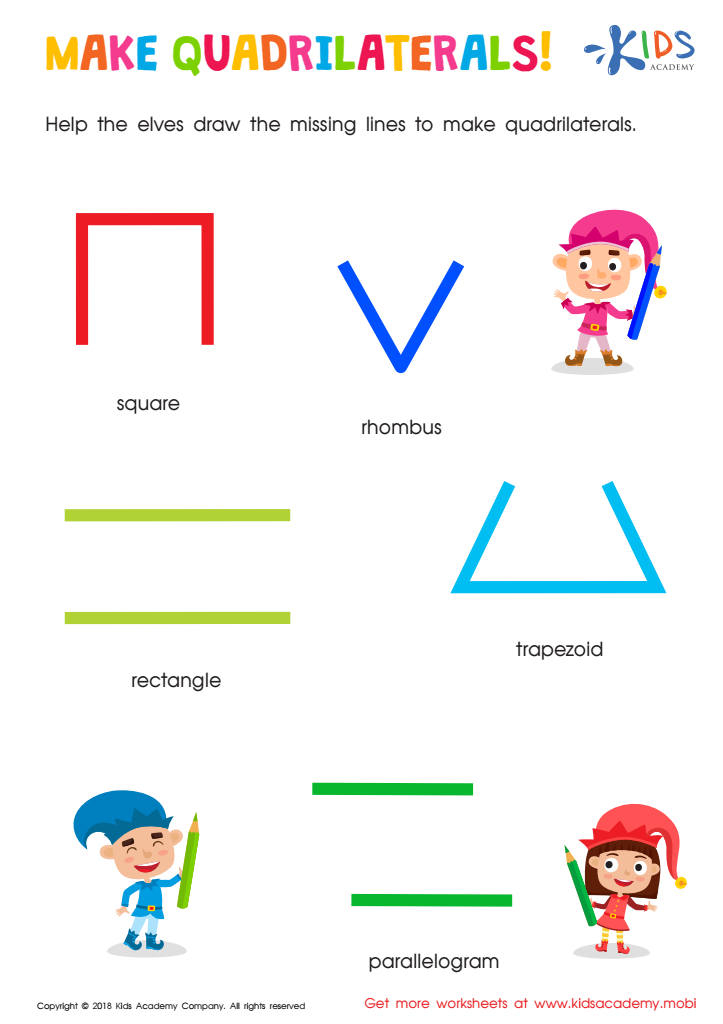
Make Quadrilaterals Worksheet
 Assign to My Students
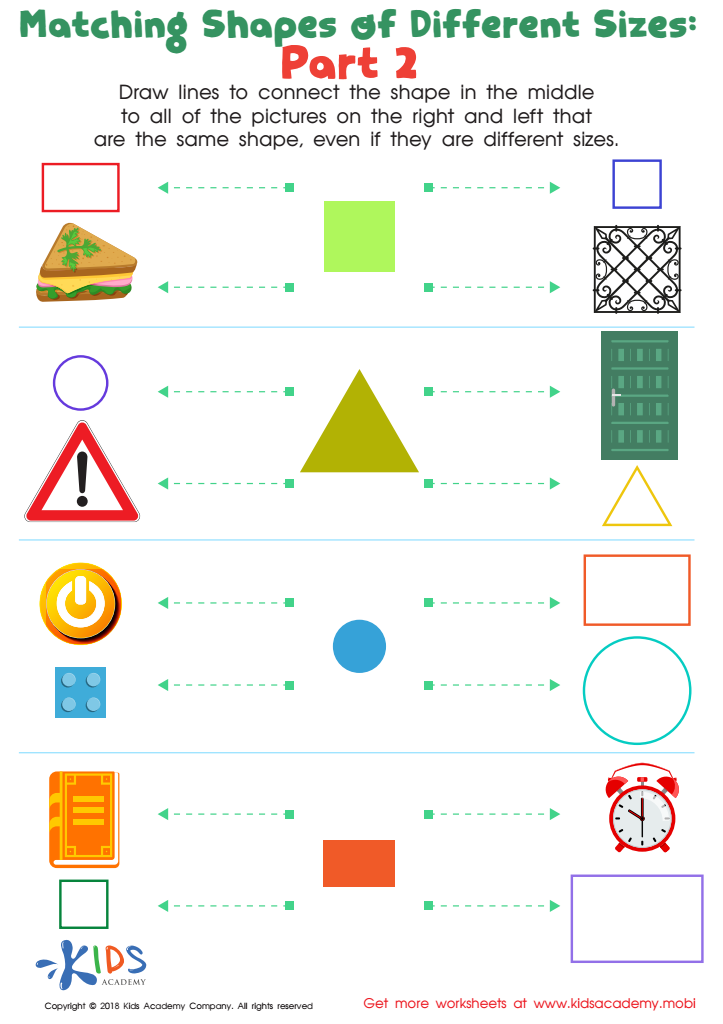
Geometry: Part 2 Worksheet
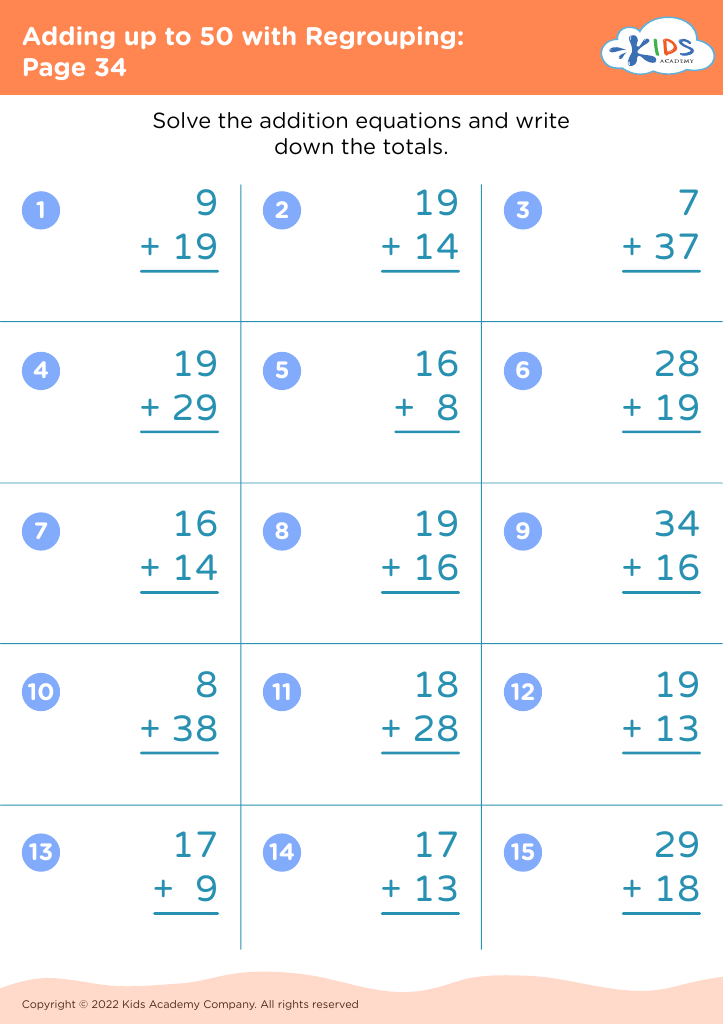








Improving drawing skills in the context of math is vital for both parents and teachers as it enhances learning and understanding. Drawing serves as an effective tool for visualizing mathematical concepts, such as shapes, angles, and graphs. When children represent problems visually, they can grasp complex ideas more easily and develop a deeper conceptual understanding.
Additionally, drawing fosters creativity, enabling students to express their thoughts and approaches to problem-solving. For instance, using diagrams or sketches can help students understand word problems more clearly by allowing them to "see" the relationships between different elements.
Moreover, enhancing drawing skills aids in developing fine motor skills, which are crucial for younger learners. Coupled with math, improved motor skills can result in better graphing, chart-making, and participation in activity-based learning.
Teachers and parents also benefit from encouraging drawing in math, as it creates a more engaging and interactive learning environment. When children can share their drawings, it promotes discussion, peer learning, and confidence in their abilities.
Ultimately, by prioritizing drawing skills in math, we cultivate well-rounded thinkers who can approach problems from various angles, preparing them for real-world challenges and lifelong learning.








