Letter recognition Math Worksheets
5 filtered results
-
From - To
Boost your child's literacy skills with our engaging Letter Recognition Math Worksheets! Designed for young learners, these printable resources combine letter recognition with essential math concepts, making learning fun and interactive. Each worksheet features colorful illustrations and appealing activities that encourage children to identify letters while solving math problems. Ideal for home or classroom use, our worksheets cater to various learning styles and help reinforce foundational skills. Perfect for preschool and early grade students, these resources lay the groundwork for future success in reading and mathematics. Download our Letter Recognition Math Worksheets today and watch your child's confidence soar!
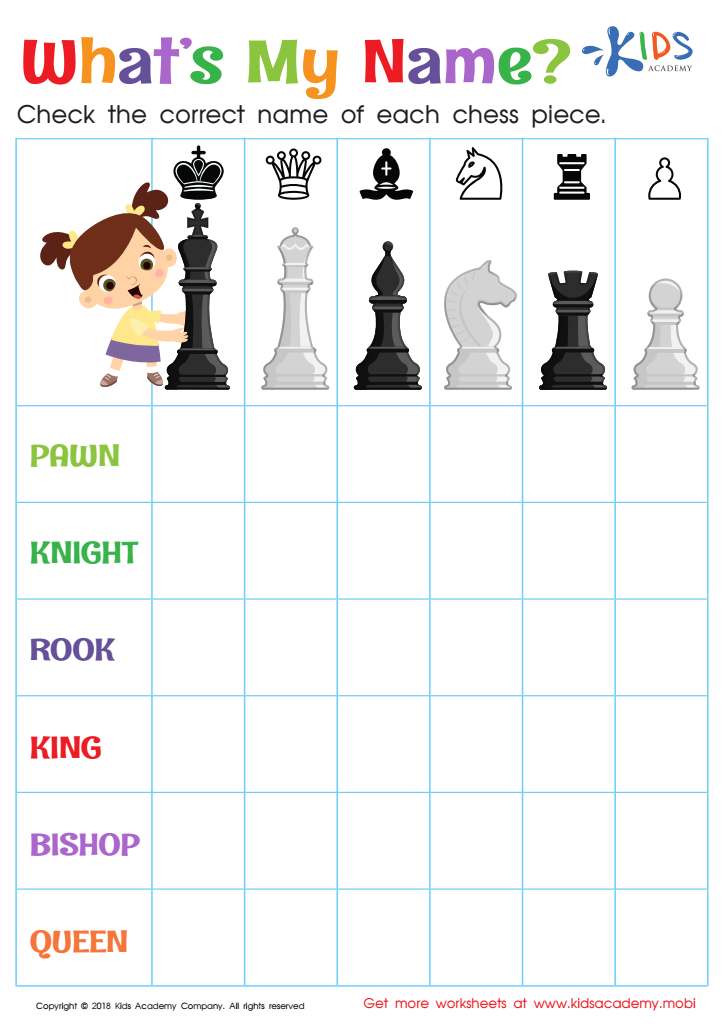
What's My Name? Worksheet
 Assign to My Students
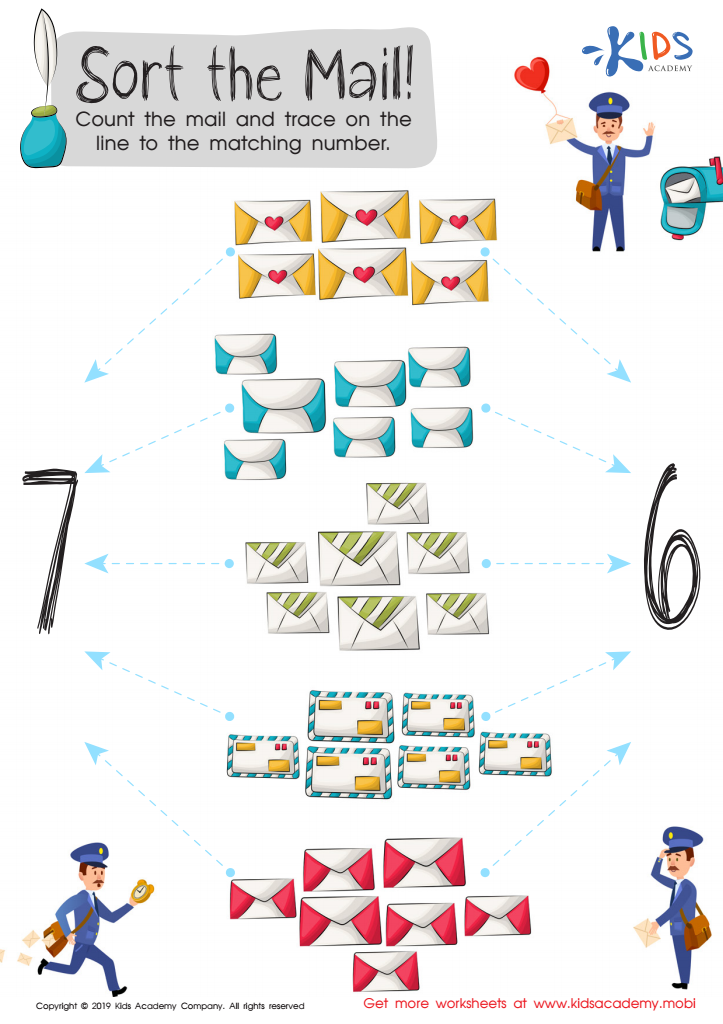
Sort the Mail Worksheet








Letter recognition is crucial for early literacy development, playing a significant role in a child’s overall learning journey. Parents and teachers should care because strong letter recognition skills lay the foundation for reading and writing. When children are able to identify letters easily, they can begin to understand how letters combine to form words and sentences, which enhances their reading fluency and comprehension.
Additionally, recognizing letters fosters vocabulary growth, as children engage with written language and are exposed to new words in context. This exposure is essential for developing language skills and communication.
Moreover, letter recognition supports cognitive development; learning to distinguish shapes and sounds improves memory and attention skills. Encouraging letter recognition through fun activities can spark a child’s interest in reading and learning, creating a lifelong love for books.
Finally, incorporating letter recognition into math can connect literacy and numeracy, enhancing early math skills through understanding and interpreting mathematical symbols and equations. This dual focus not only keeps kids engaged but also supports their ability to see connections between different areas of learning, ultimately cultivating critical thinking and problem-solving skills necessary for future academic success. Both parents and teachers have a vital role in nurturing these essential skills.








