Object identification Math Worksheets
4 filtered results
-
From - To
Discover our engaging Object Identification Math Worksheets designed to enhance your child’s mathematical and observational skills. These printable worksheets offer fun activities that help students recognize and name everyday objects while incorporating essential math concepts. Each worksheet includes colorful visuals and interactive exercises that promote critical thinking and reasoning. Perfect for preschool and early elementary students, our materials support your child's learning through play. By integrating mathematics with object identification, children develop a deeper understanding of their environment while honing their analytical abilities. Explore our collection today and watch your little learners thrive in a playful, educational setting!
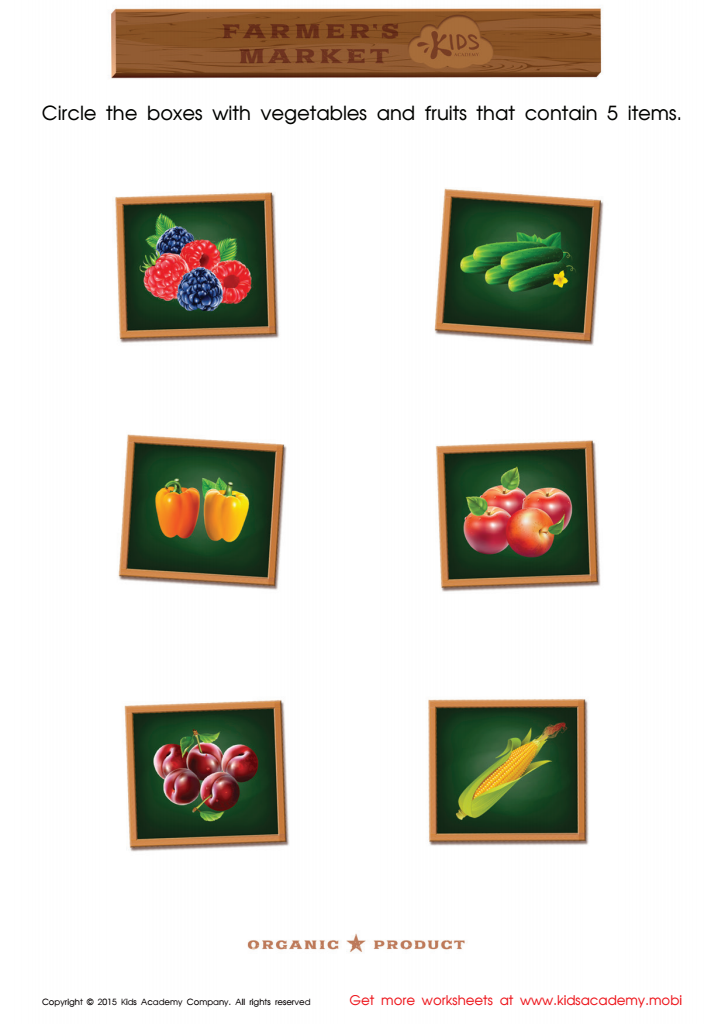
Count and Match Vegetables 1 – 7 Math Worksheet
 Assign to My Students
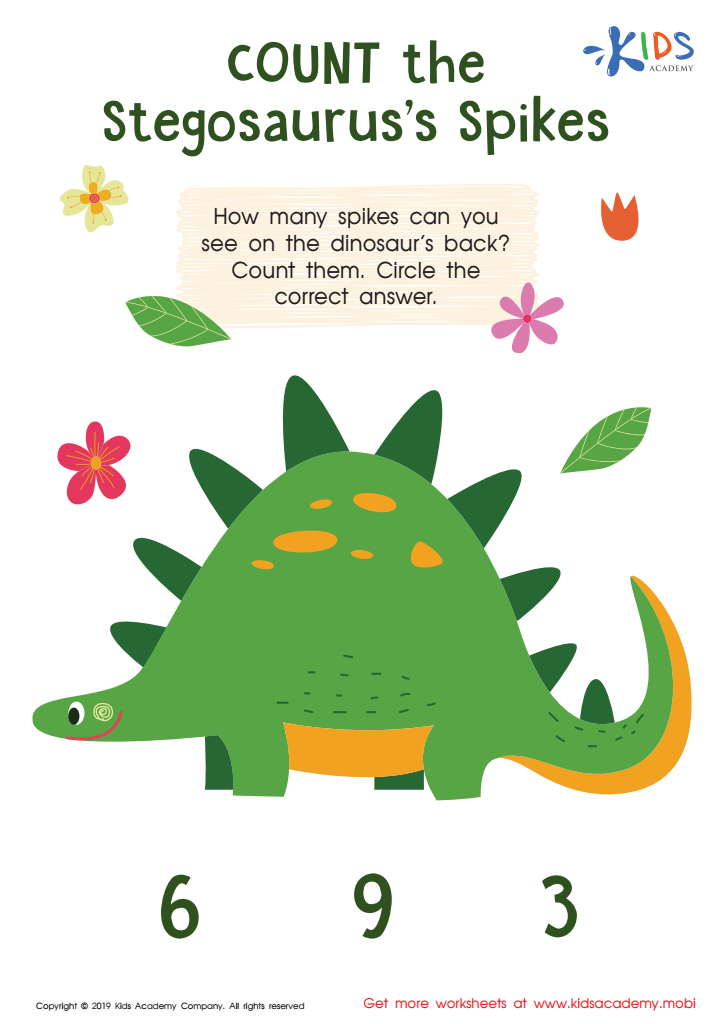
Count the Stegosaurus's Spikes Worksheet
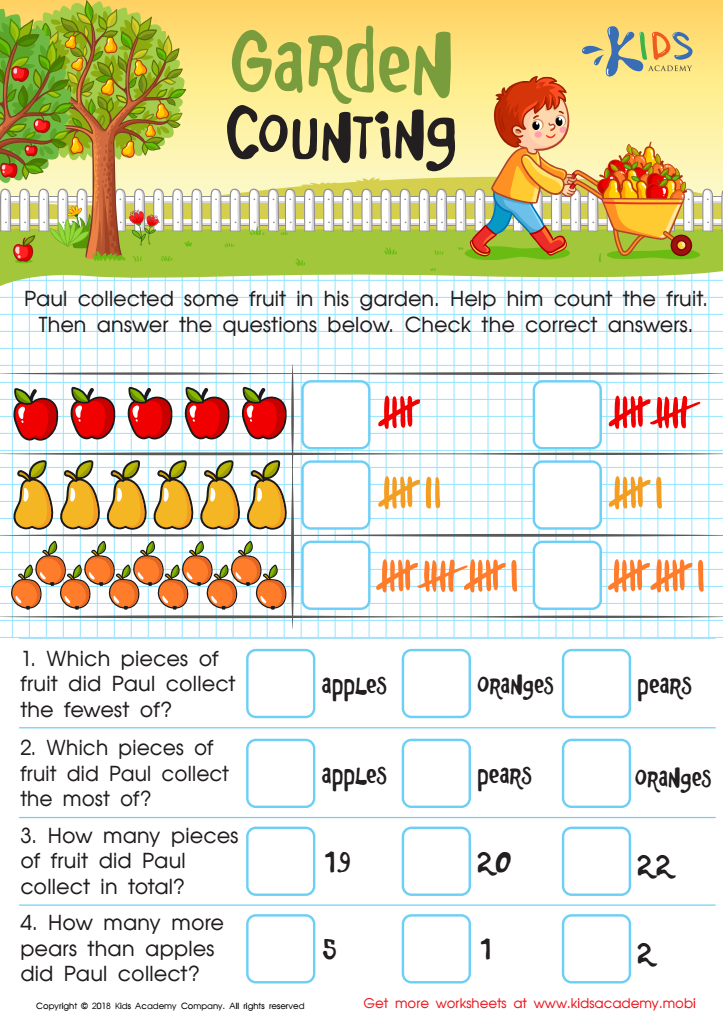
Garden Counting Worksheet
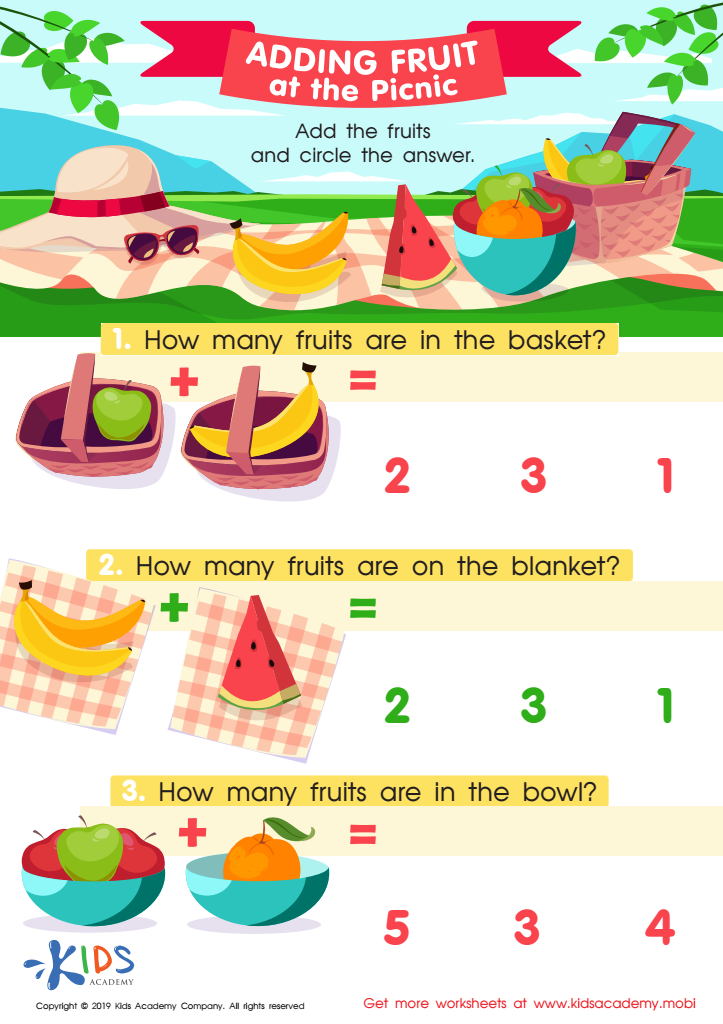
Adding Fruit at the Picnic Worksheet








Object identification in math is a fundamental skill that helps young learners establish a strong foundation for their numerical understanding and problem-solving abilities. Parents and teachers should care about this aspect of mathematics because it is critical for children’s cognitive development and their ability to interact with the world mathematically.
By mastering object identification, children learn to recognize and differentiate between various shapes, sizes, and quantities, which enhances their spatial awareness and reasoning skills. This ability is crucial for early concepts like counting, sorting, and classifying, which are building blocks for more complex mathematical operations later on, such as addition, subtraction, and geometry.
Moreover, object identification supports language development, as children learn the vocabulary associated with numbers and shapes. Engaging parents in activities that enhance object identification—like sorting games or shape hunts—also fosters a supportive learning environment at home and encourages family engagement in education.
Ultimately, focusing on object identification in math not only equips children with essential academic skills but also nurtures critical thinking and problem-solving abilities, which are vital for success in the 21st century. Ignoring this foundational step can lead to gaps in understanding, affecting their confidence and continued interest in mathematics.








