Spatial awareness Math Worksheets - Page 2
32 filtered results
-
From - To
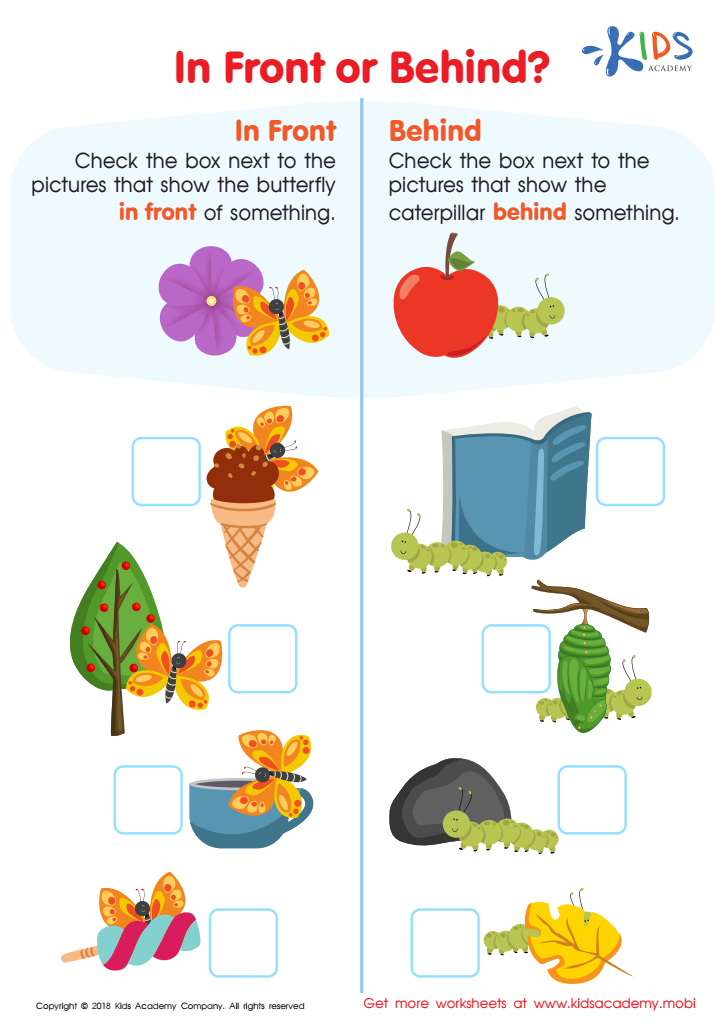
In Front or Behind Worksheet
 Assign to My Students
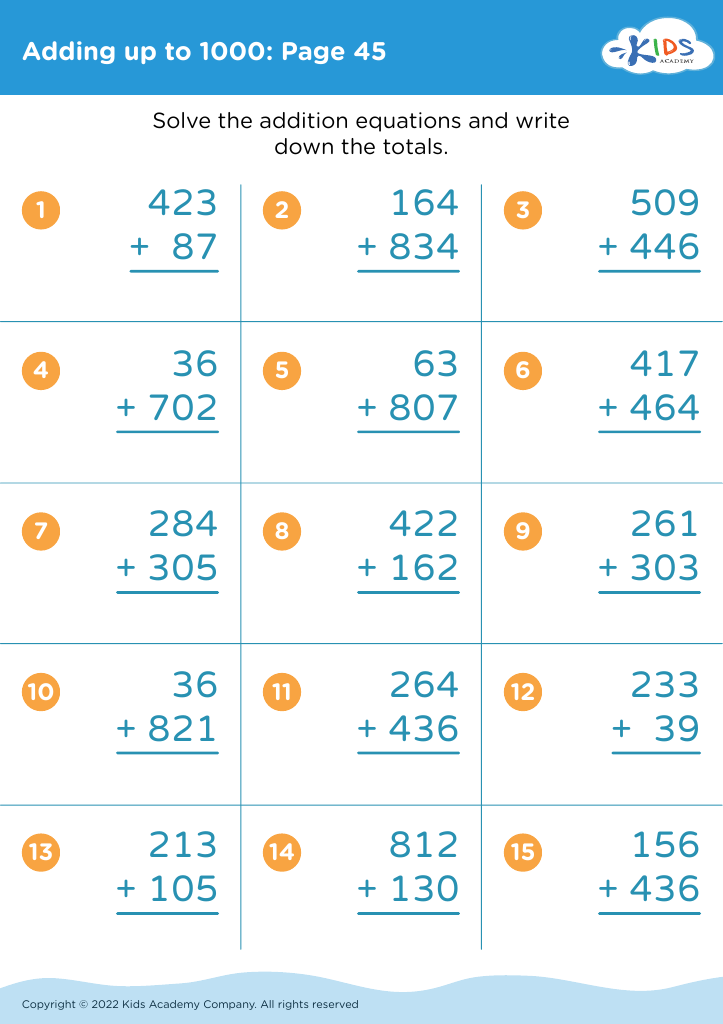
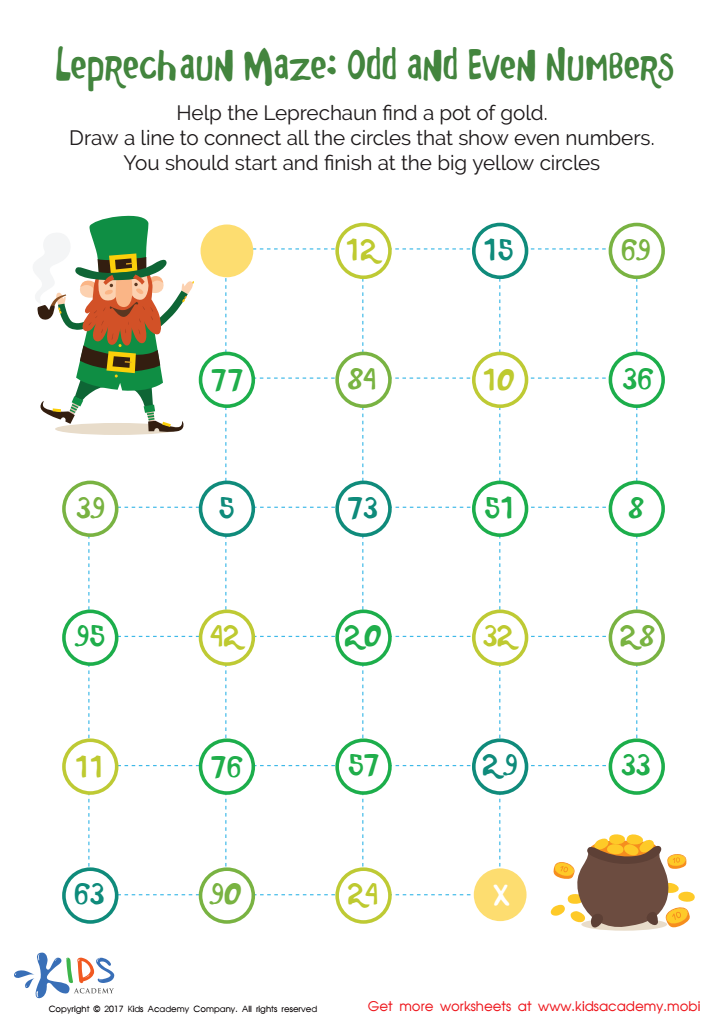
Leprechaun Maze Printable
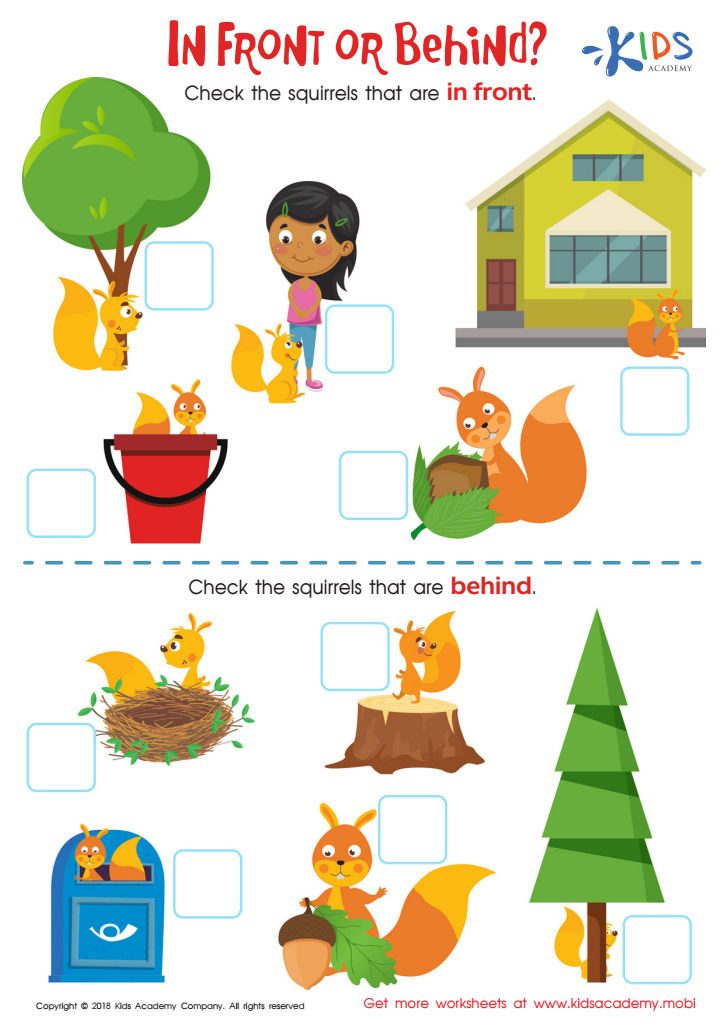
In Front or Behind: Part 2 Worksheet
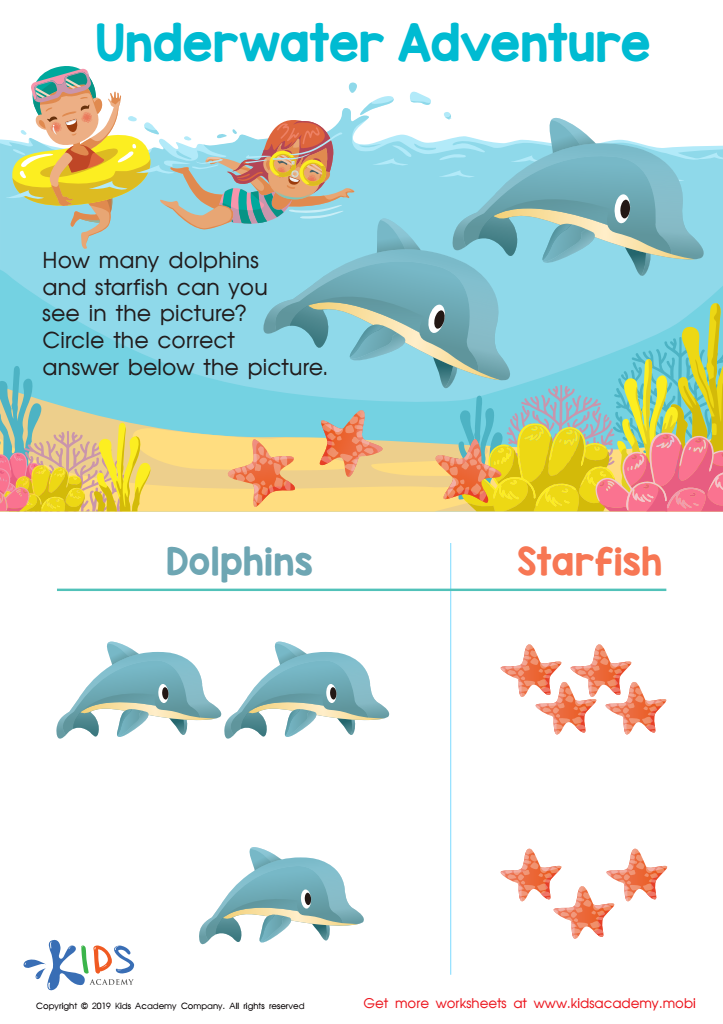
Underwater Adventure Worksheet
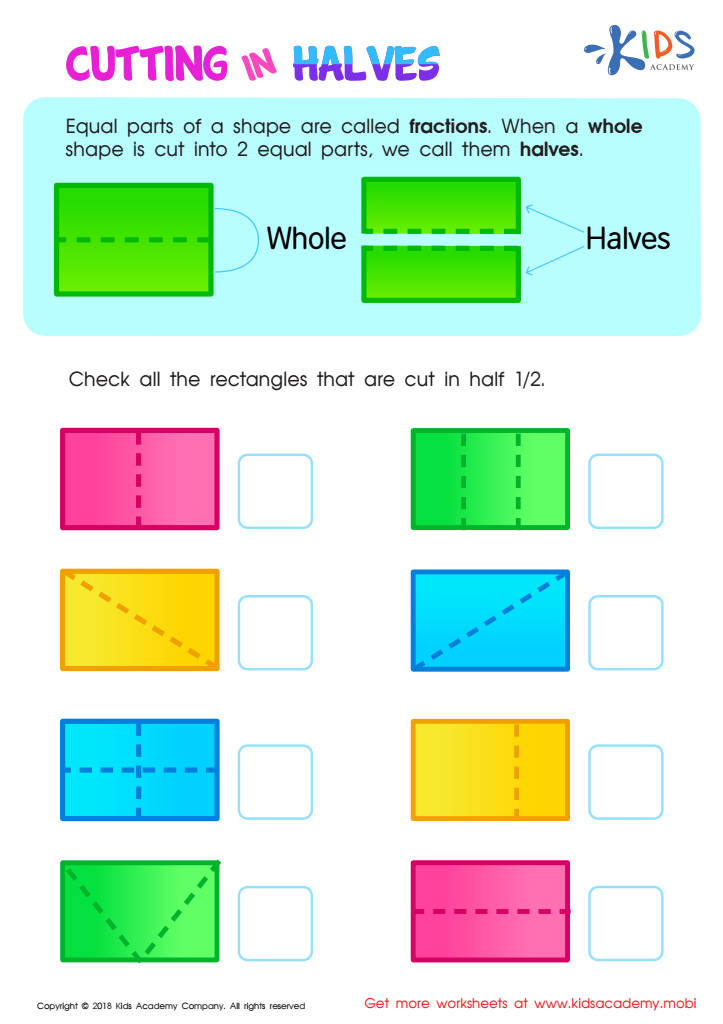
Cutting in Halves Worksheet
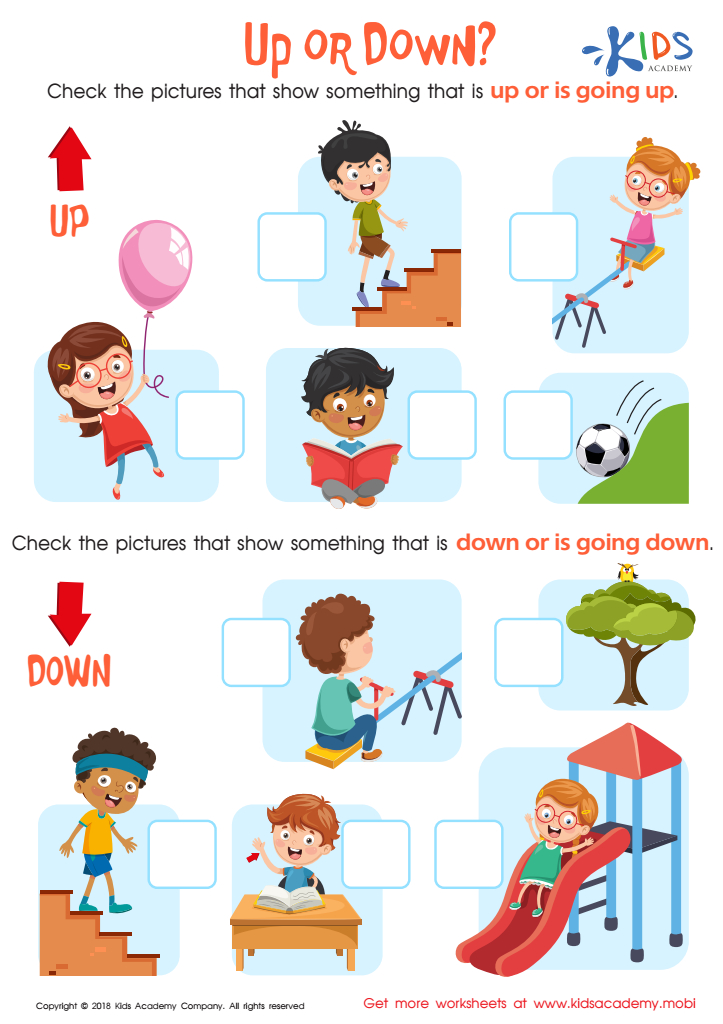
Up or Down Worksheet




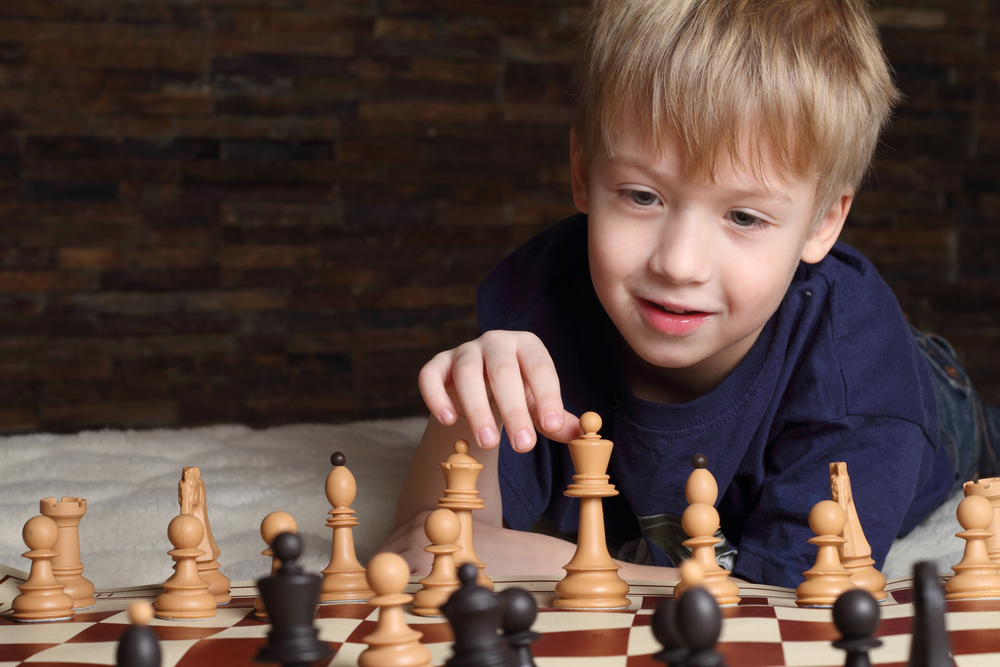


Spatial awareness is essential for early childhood development and has a far-reaching impact on a child’s academic and personal life, particularly in math. Parents and teachers should care about fostering spatial awareness because it forms the foundation for understanding more complex mathematical concepts.
Spatial skills involve the ability to comprehend and organize objects in space, critical for solving problems related to geometry, measurement, and even arithmetic. For instance, recognizing shapes, understanding patterns, and visualizing objects' transformations (like rotation and reflection) bolster a child's capability to tackle higher-level math challenges.
Moreover, research suggests that strong spatial awareness is linked to better achievement in STEM (Science, Technology, Engineering, Math) fields. These skills are crucial for coding, engineering tasks, and scientific visualization. By nurturing spatial awareness early, we can boost a child's confidence and proficiency in these subjects, paving the way for future academic success and career opportunities.
In addition, spatial awareness improves daily life skills, such as navigating environments, understanding directions, and using maps. Encouraging spatial reasoning through activities like puzzles, building blocks, and drawing can be enjoyable and educational, making learning engaging for young children.
Therefore, focusing on spatial awareness benefits a child's developmental trajectory, equipping them with necessary skills for both academic proficiency and practical life applications.








