Understanding number sequence Math Worksheets
7 filtered results
-
From - To
Welcome to our "Understanding Number Sequence Math Worksheets" page! Designed for early learners, these engaging worksheets help children grasp the concept of number sequences, a foundational skill in mathematics. Through a variety of fun activities, kids will practice identifying patterns, filling in missing numbers, and understanding the order of numbers. Our worksheets cater to different learning levels, ensuring every child can progress at their own pace. Whether in a classroom or at home, these resources foster critical thinking and strengthen numeracy skills. Explore our collection to enhance your child’s mathematical journey today!
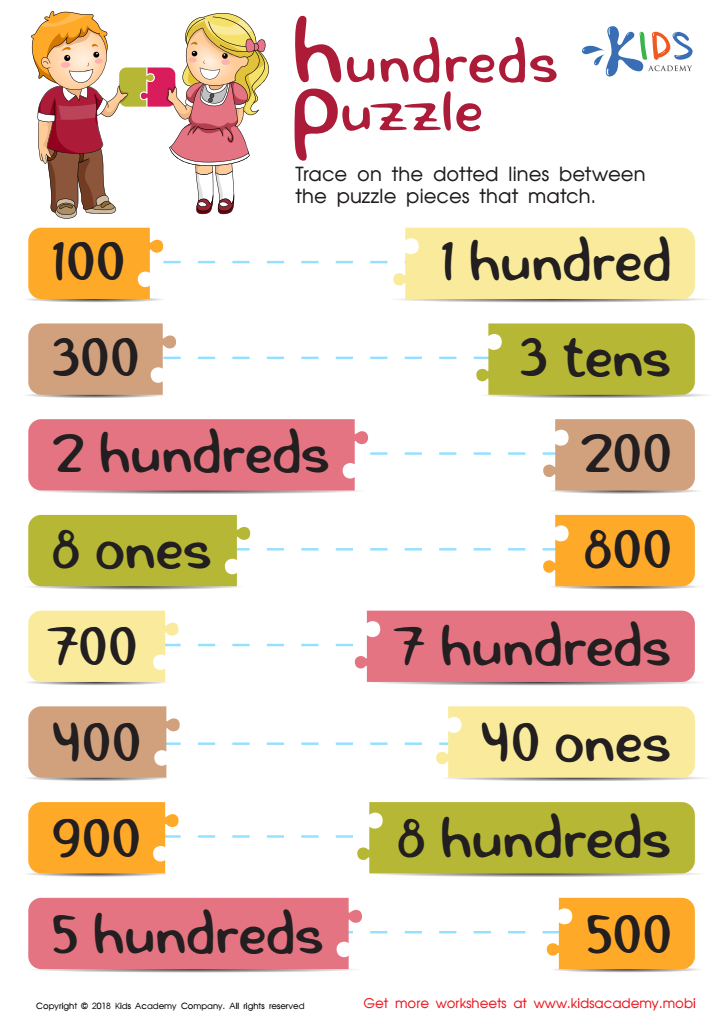
Hundreds Puzzle Worksheet
 Assign to My Students
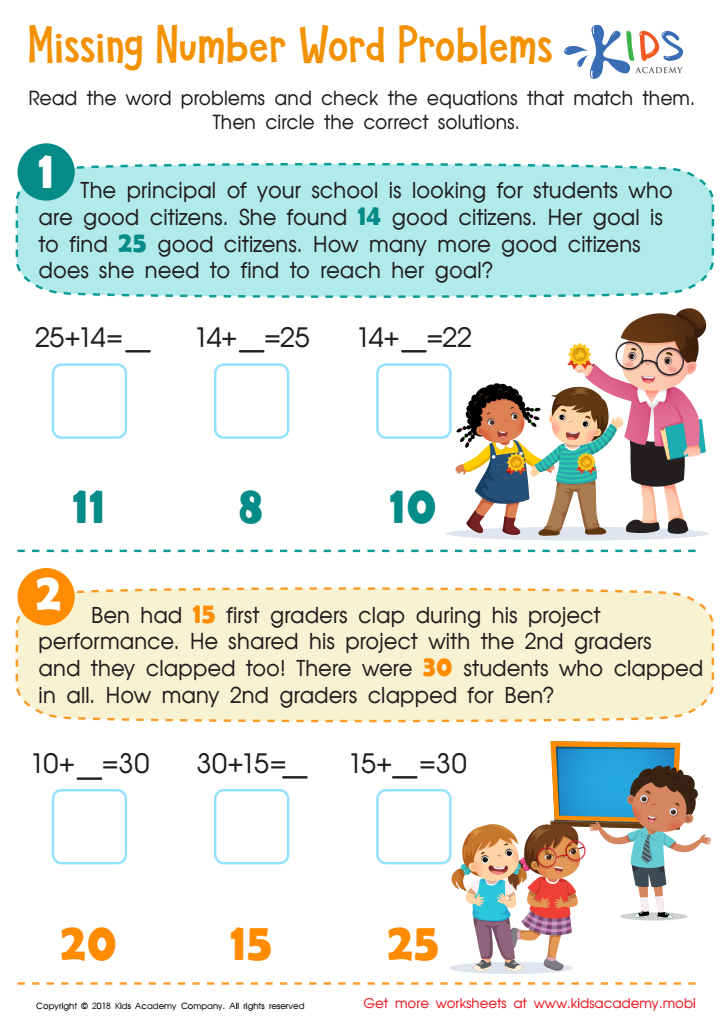
Missing Number Word Problems Worksheet
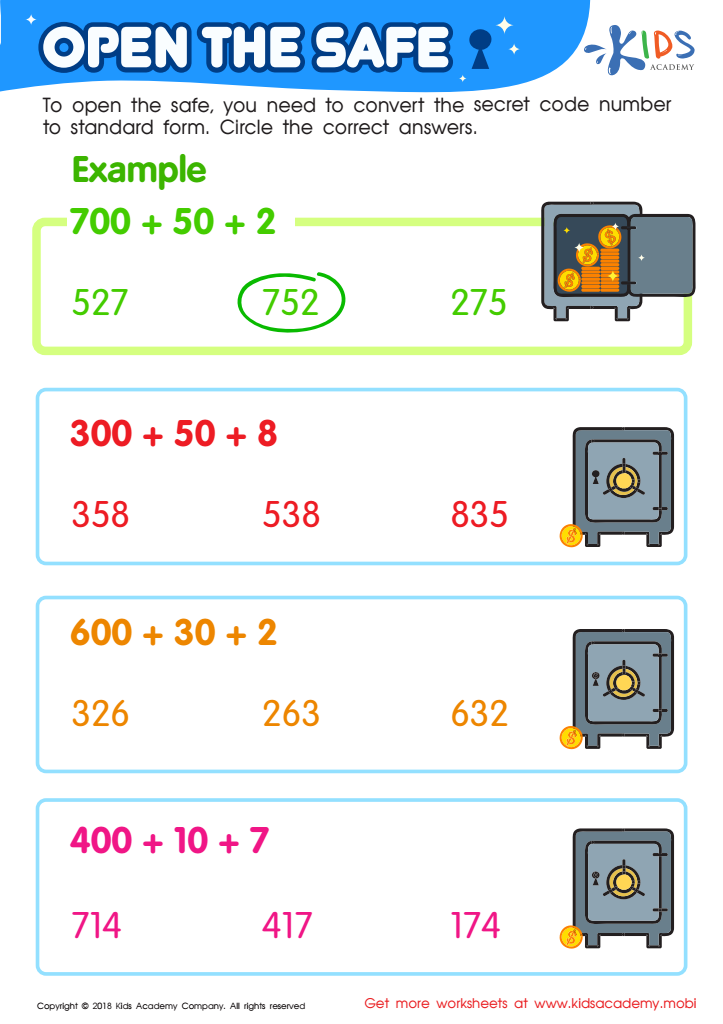
Open the Safe Worksheet
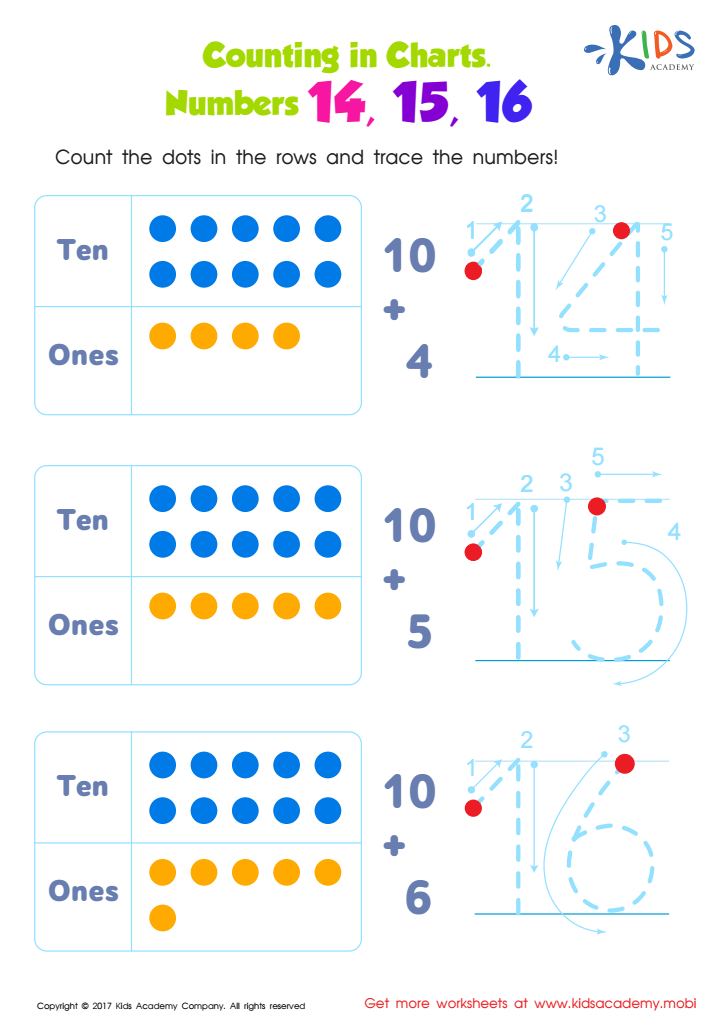
Number Tracing Worksheet






Understanding number sequences is crucial for both parents and teachers as it lays the foundational skills for children's mathematical development. Number sequences help children grasp the concept of patterns, which are essential not only in math but also in everyday life and critical thinking. Mastering sequences enhances problem-solving skills and supports more complex mathematical concepts such as addition, subtraction, multiplication, and division.
By recognizing and understanding numbers in a sequence, children learn to identify relationships and predict future values, fostering logical reasoning. This understanding also aids in developing fluency with numbers, boosting confidence as they engage with more advanced math topics later on.
For parents and teachers, promoting proficiency in number sequences can provide a richer context for helping children understand the application of mathematics in real-world situations, making learning relevant and engaging. Moreover, a strong grasp of number sequences can help identify students who may struggle with future mathematics concepts, enabling timely intervention.
In essence, fostering a solid understanding of number sequences equips children with vital cognitive tools, leading to better performance in academics and encouraging a lifelong appreciation for mathematics. This resonates with early education goals of developing critical thinking and problem-solving in young learners.








