Understanding numerical values Math Worksheets
4 filtered results
-
From - To
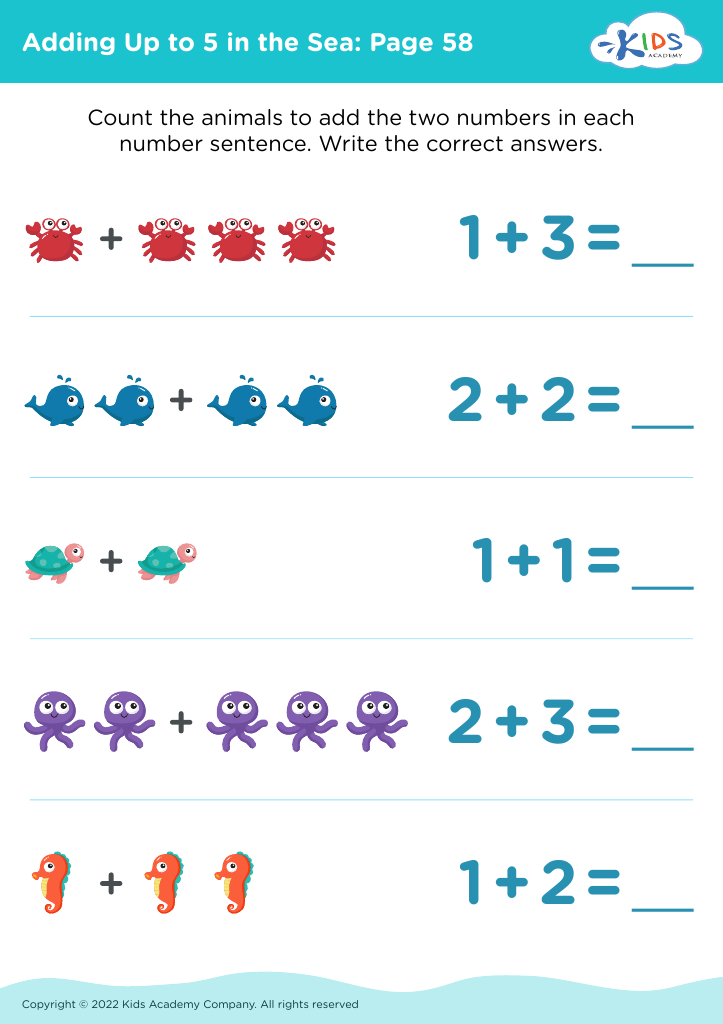
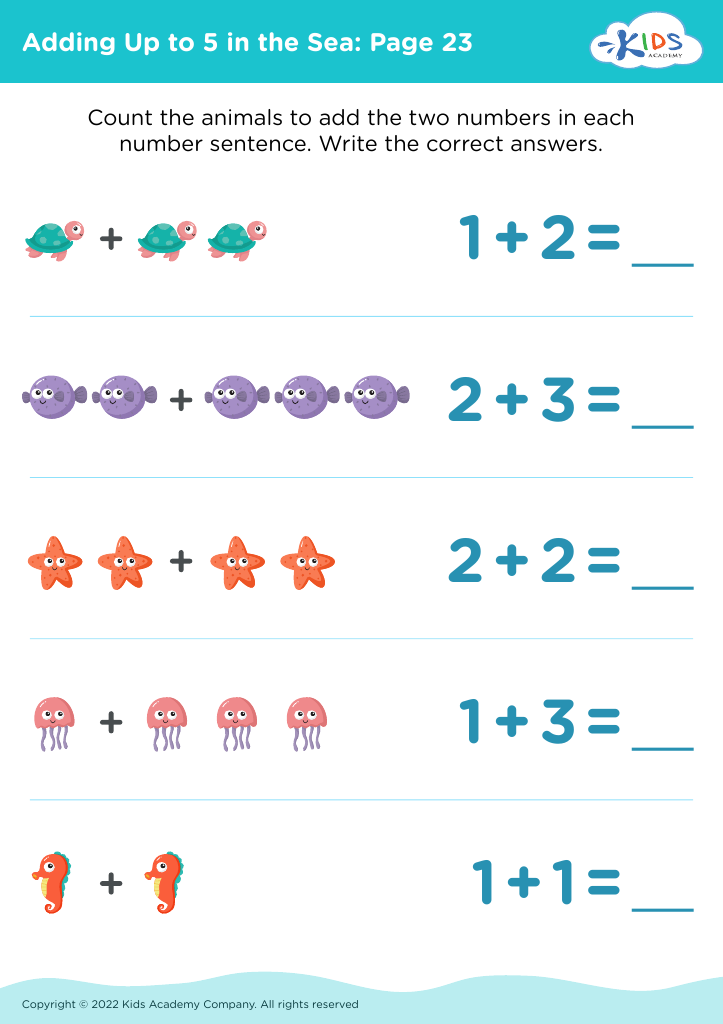
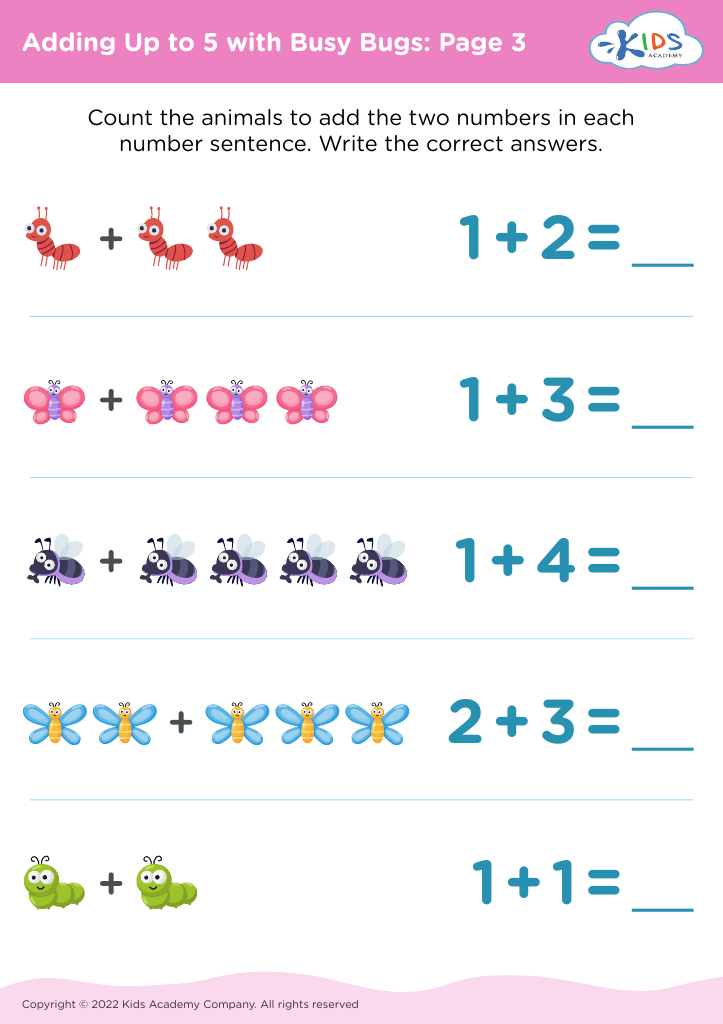
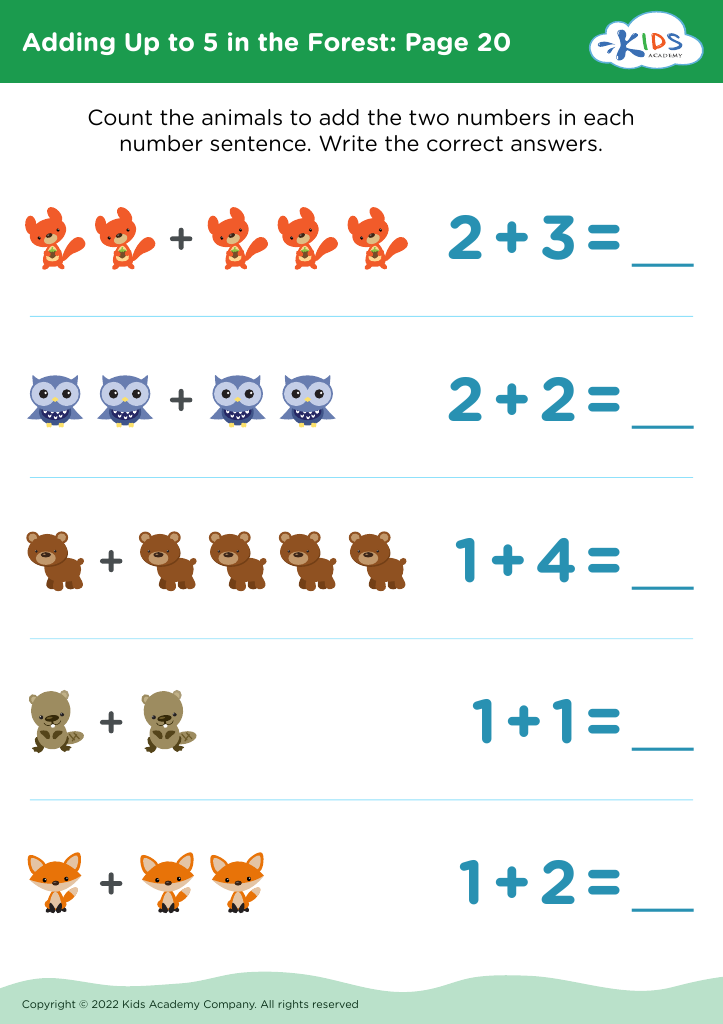
Enhance your child's math skills with our "Understanding Numerical Values" worksheets, designed specifically for early learners. These engaging, printable resources help kids grasp the concept of numerical values, fostering foundational skills essential for their mathematical journey. Featuring a variety of activities, from identifying numbers to differentiating between greater and lesser values, our worksheets cater to diverse learning styles. Encouraging interactive learning, they are perfect for both classroom and home use. Empower your young learners with the confidence they need to tackle math challenges by exploring our comprehensive selection of understanding numerical values worksheets today! Start building their numerical literacy effortlessly!








Understanding numerical values in math is crucial for both parents and teachers because it lays the foundation for a child’s mathematical literacy. Strong numerical skills promote confidence, problem-solving abilities, and critical thinking—essential attributes for academic success and everyday life. When children grasp concepts such as quantities, estimates, and comparisons, they become better equipped to tackle more complex mathematical operations as they progress in their education.
Furthermore, recognizing the importance of numerical understanding fosters a supportive learning environment. Parents and teachers can work together to create engaging activities that emphasize real-world applications of numerical values, making math relatable and fun for children. This collaboration not only enhances students' comprehension but also enforces a growth mindset, helping children view challenges as opportunities to learn.
Moreover, strong numerical skills correlate with other subjects and practical life situations, from understanding time and money management to interpreting data in science. For these reasons, prioritizing numerical literacy creates a strong educational foundation and prepares children for future academic challenges, maximizing their potential for success in all areas of learning.








