Alphabetical order understanding Normal ABC Letters Worksheets for Ages 3-4
3 filtered results
-
From - To
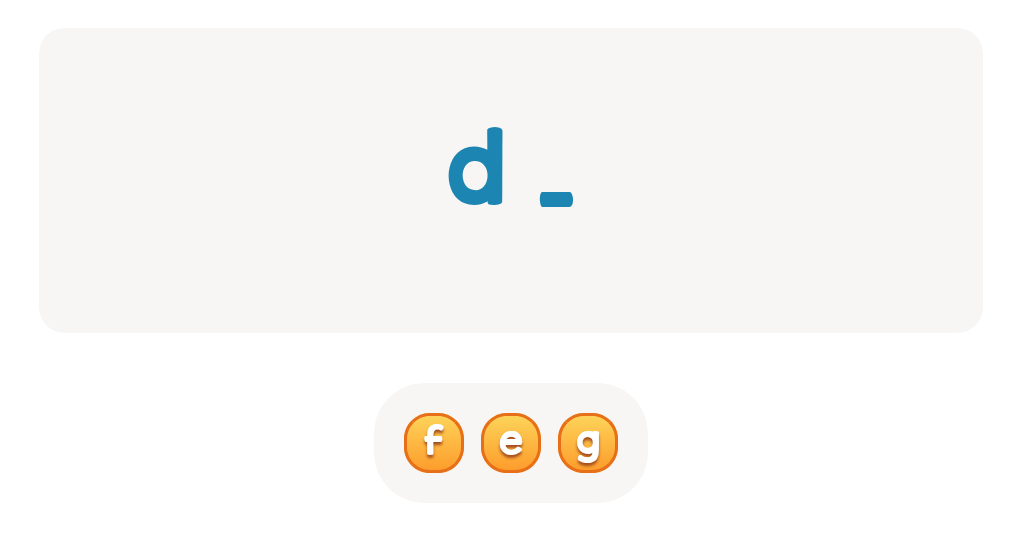
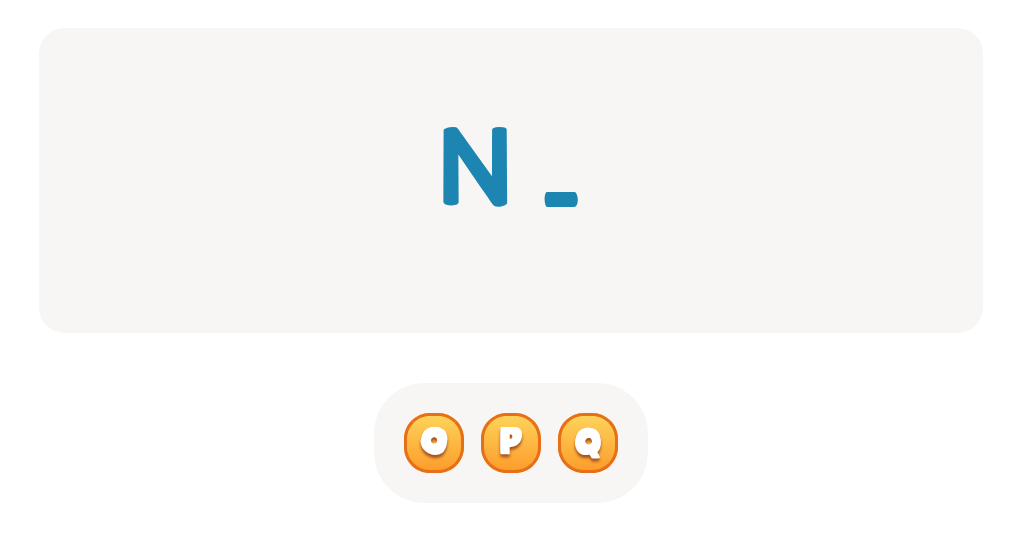
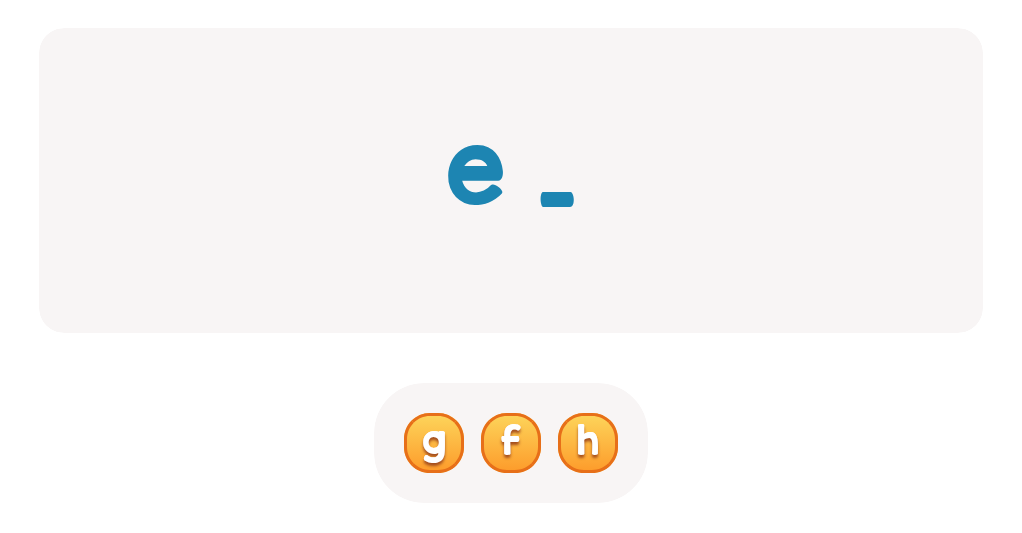
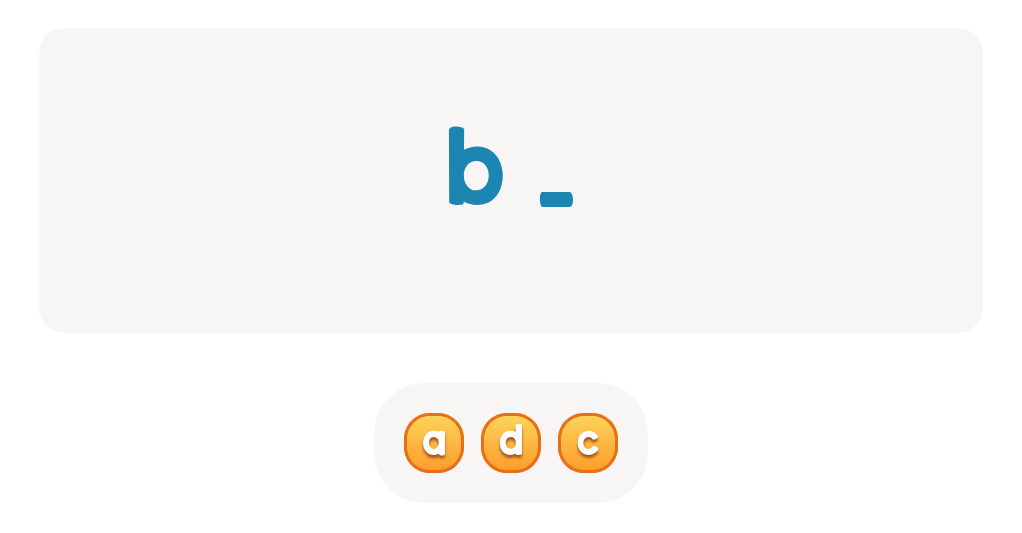
Introducing our "Alphabetical Order Understanding Normal ABC Letters Worksheets" for children aged 3-4! Designed to foster early literacy skills, these engaging worksheets introduce young learners to the concept of alphabetical order in a fun and interactive way. Children will enjoy tracing letters, identifying their sequence, and enhancing their letter recognition abilities. Our colorful and age-appropriate worksheets provide a strong foundation for reading readiness while promoting fine motor skills through tracing and writing exercises. Begin your child's journey into the world of letters and words with our captivating worksheets, perfect for home or classroom learning. Ignite a love for learning today!

Letter G Tracing Page

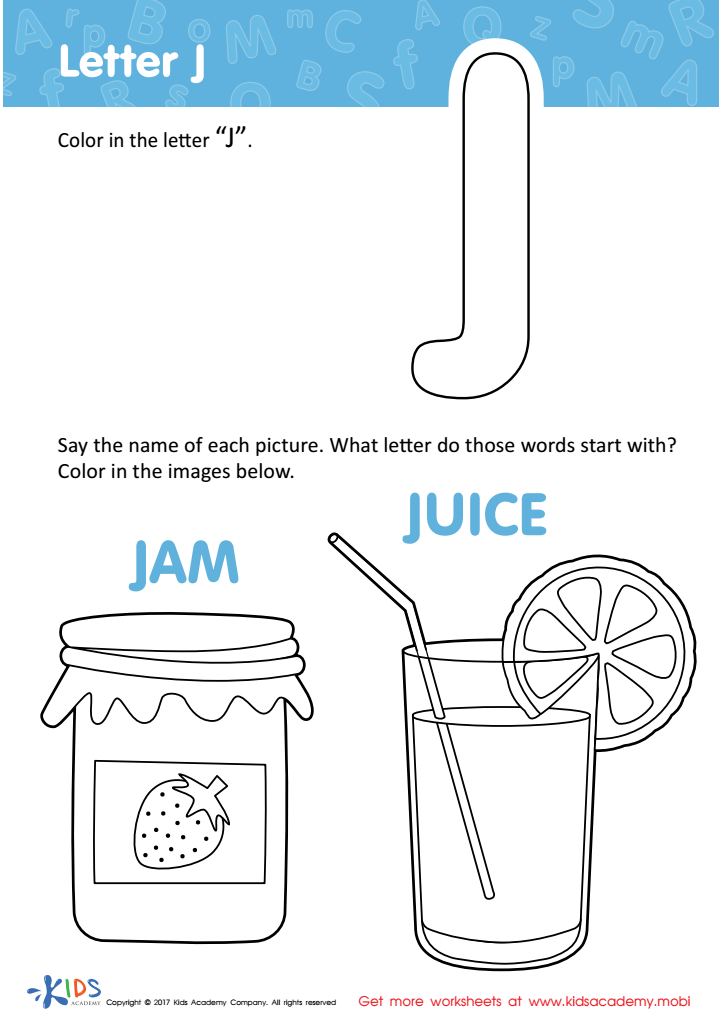
Letter J Coloring Sheet
 Assign to My Students
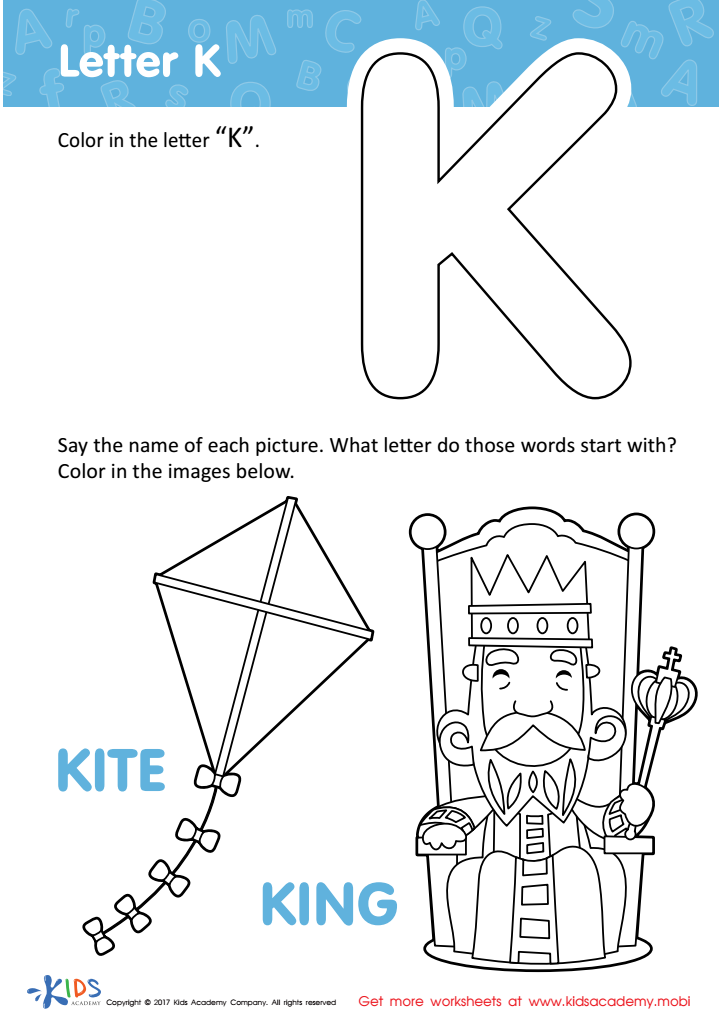
Letter K Coloring Sheet
Assign to My Students







Understanding alphabetical order is a foundational skill for young children aged 3-4, and it plays a crucial role in their early literacy development.
When parents and teachers prioritize this learning, they help children recognize the importance of letters and their sequence, which forms the basis for reading and writing. At this age, children are naturally curious about language and enjoy exploring sounds and letters. Learning to arrange letters in alphabetical order fosters critical thinking and strengthens their cognitive skills. It teaches them that letters have specific placements and purposes, leading to early language comprehension.
Moreover, alphabetical order is essential for organizing information. As children progress in their education, they will need to sort and categorize words later in school when learning to read or use dictionaries. Introducing these concepts through engaging activities, such as songs or games, makes learning enjoyable and effective.
Additionally, understanding the alphabet provides tools for effective communication, enhancing vocabulary development, and encouraging language use. By focusing on this skill, parents and teachers lay a solid foundation for literacy that can support children's academic success, self-confidence, and a lifelong love of learning.







