Reading comprehension Normal Long And Short Vowel Worksheets for Ages 3-4
5 filtered results
-
From - To
Nurture your child's reading skills with our Reading Comprehension Normal Long and Short Vowel Worksheets for Ages 3-4. Expertly designed for young learners, these worksheets blend engaging activities with essential phonics practice. Your child will learn to differentiate between long and short vowel sounds while improving their understanding of simple words. Each worksheet introduces fun and interactive tasks that help bolster reading comprehension through context clues and repetition. Perfect for preschoolers, our exercises make early learning enjoyable and effective, setting a strong foundation for future academic success. Foster a love for reading with Kids Academy's carefully curated worksheets.
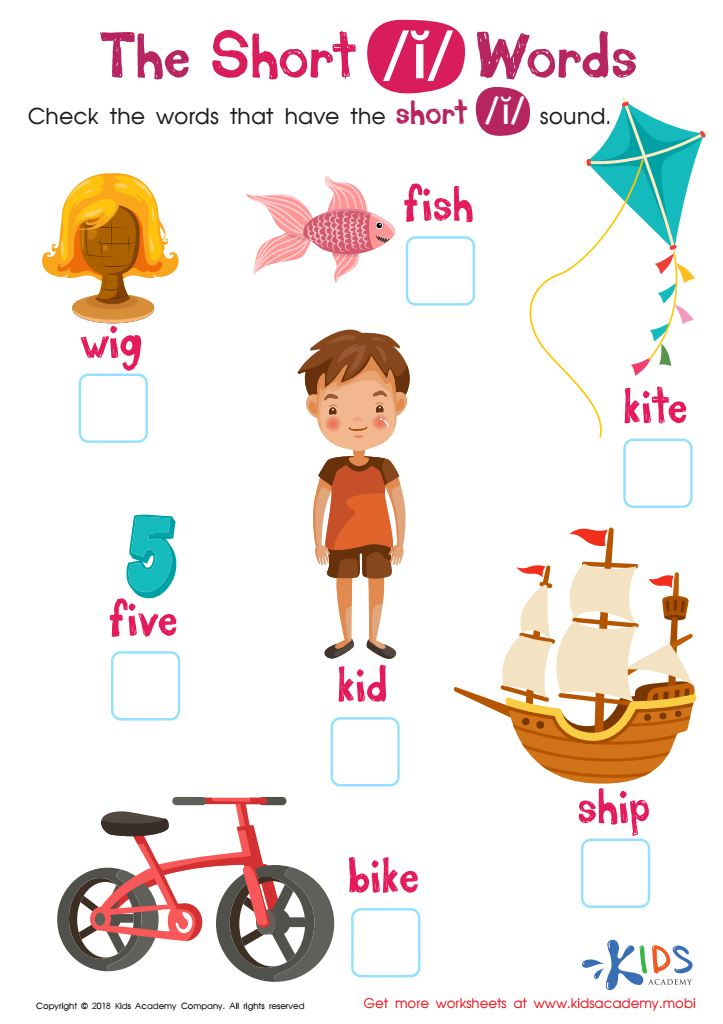
The Short I Words Reading Worksheet
 Assign to My Students
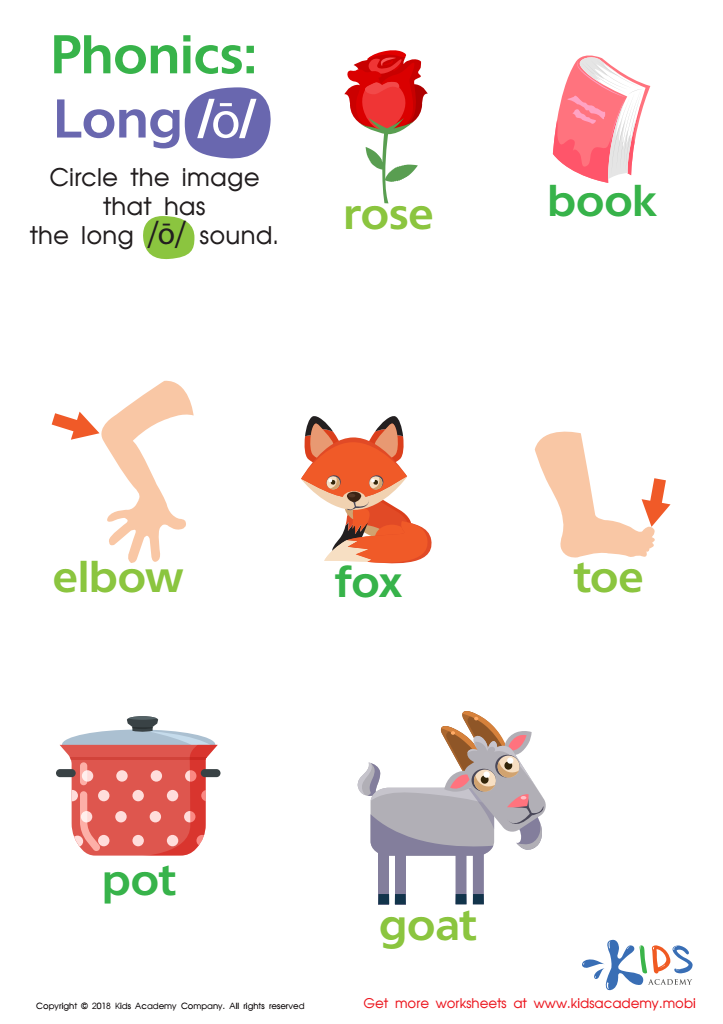
Phonics Long O Reading Worksheet
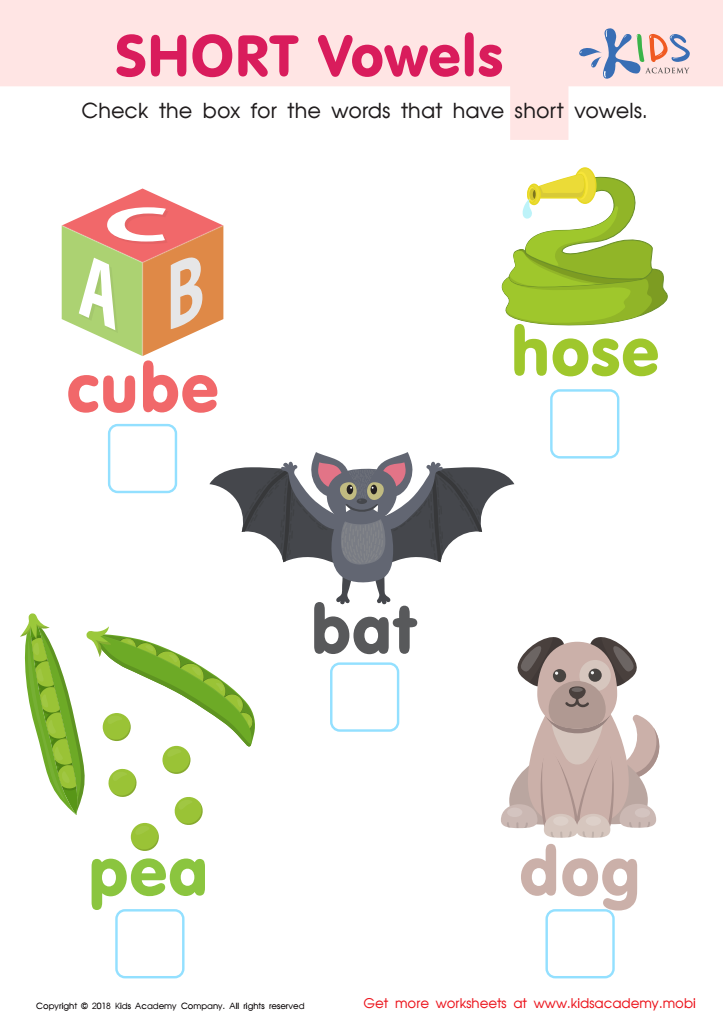
short vowels Worksheet
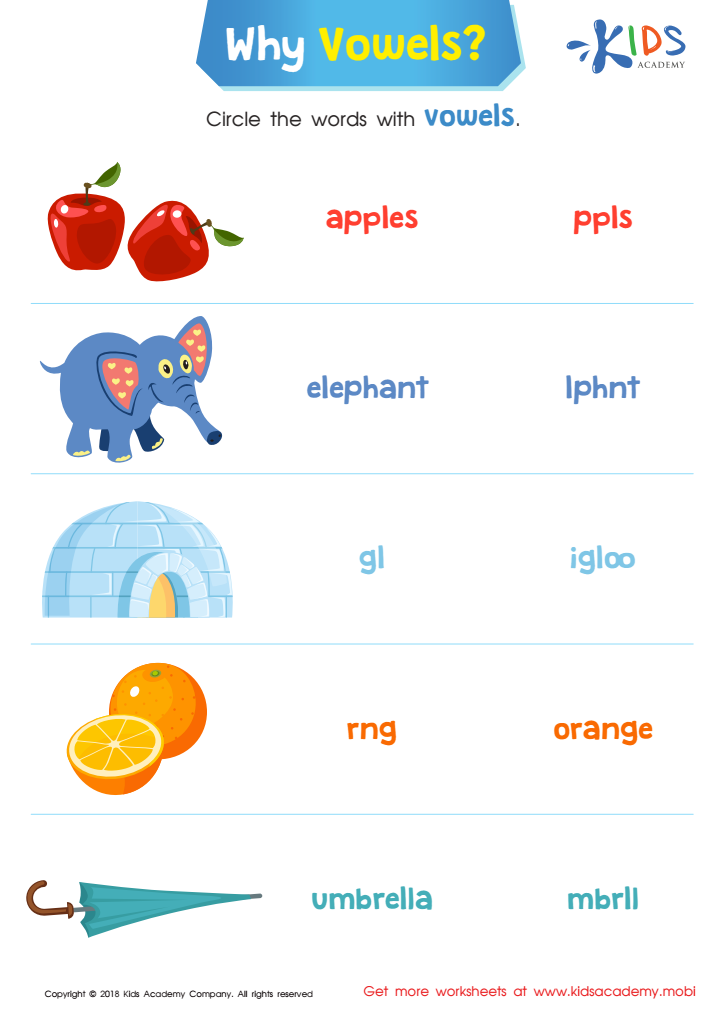
Why Vowels? Reading Worksheet
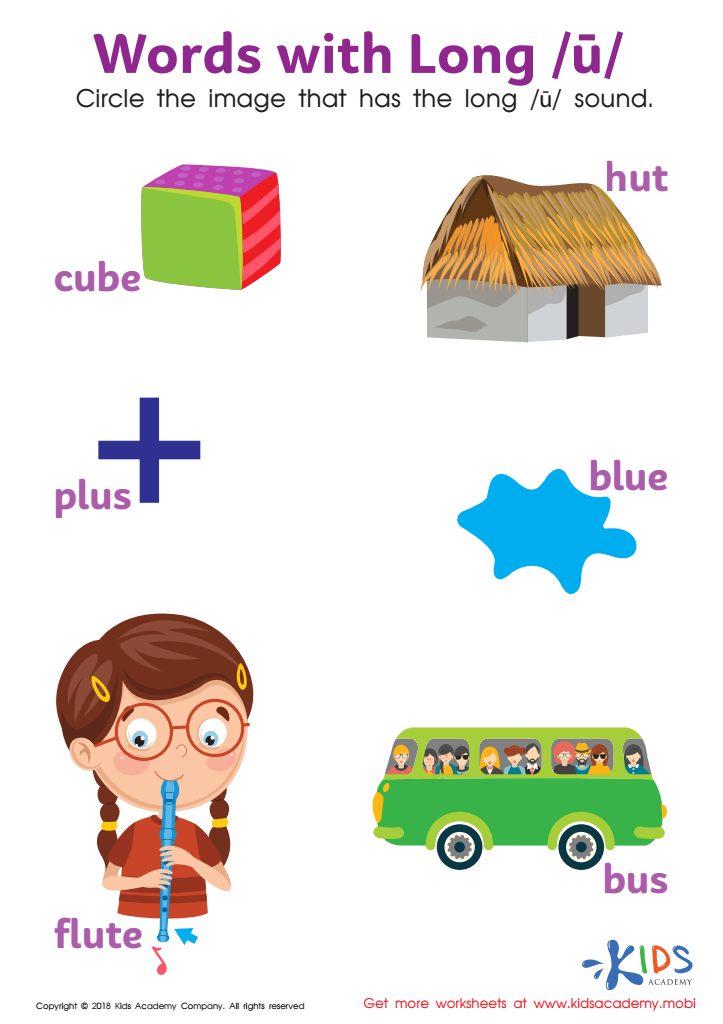
Words with Long U Reading Worksheet




Reading comprehension is foundational to a child's academic success, and it begins even before they can read independently. For ages 3-4, recognizing and understanding normal, long, and short vowel sounds is crucial because it sets the stage for phonemic awareness—one of the most important pre-literacy skills.
Distinguishing between these vowel sounds helps children understand the nuances of language, which enhances their listening and speaking abilities. When children can differentiate between a short vowel sound, like the "a" in "cat," and a long vowel sound, like the "a" in "cake," they start to grasp the essential elements of word formation. This understanding later translates into better decoding skills when they begin to read.
Moreover, familiarizing young children with these sounds increases their vocabulary and sets a strong foundation for spelling. As children’s brains are highly adaptable at this age, early exposure to reading comprehension activities also fosters an enthusiasm for books and learning.
Parents and teachers who focus on these aspects provide children with tools that promote early literacy. This proactive approach reduces the likelihood of reading difficulties later on, ensuring children are well-prepared for the more complex language skills they'll need in their educational journey. Investing time in this area is a step toward lifelong learning and success.