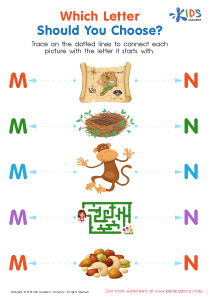
Handwriting practice Normal Lowercase/Small Letters Worksheets for Ages 3-4
8 filtered results
-
From - To
Welcome to our Handwriting Practice Worksheets for Normal Lowercase/Small Letters, specially designed for children ages 3-4! These engaging and interactive worksheets help young learners develop essential writing skills through fun activities. Each worksheet focuses on tracing and writing lowercase letters, allowing kids to practice letter formation, improve hand-eye coordination, and build confidence in their writing abilities. With colorful and appealing designs, our worksheets keep the learning experience enjoyable and effective. Support your child's handwriting development and early literacy skills with our diverse range of worksheets. Make learning to write an exciting adventure that sets the foundation for future success!
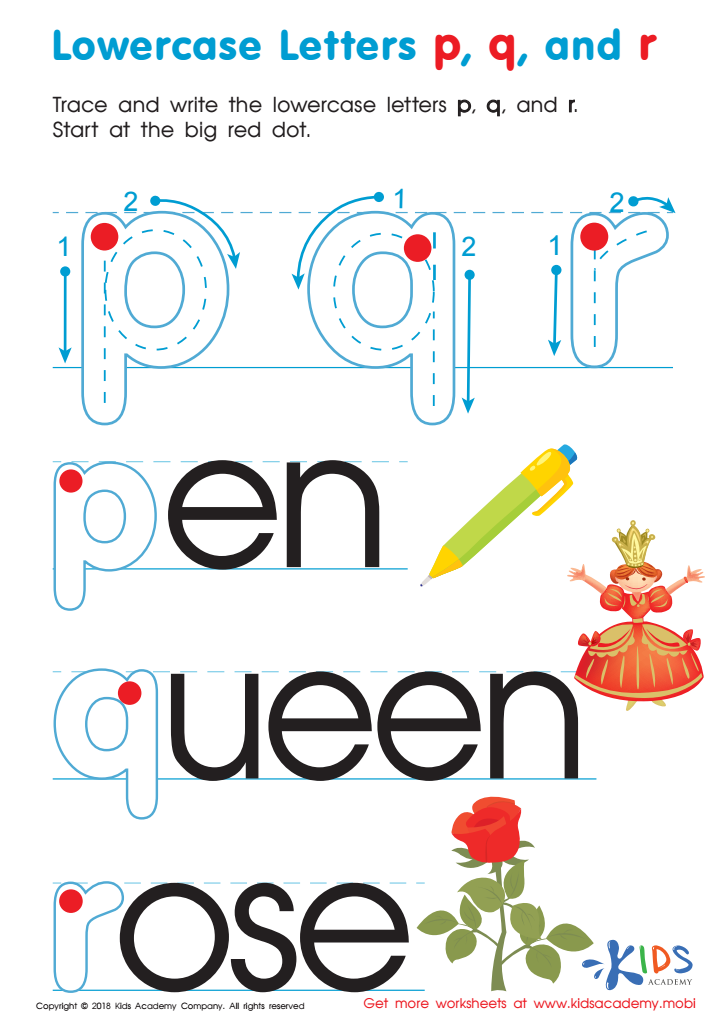
Lowercase Letters p q r Worksheet
 Assign to My Students
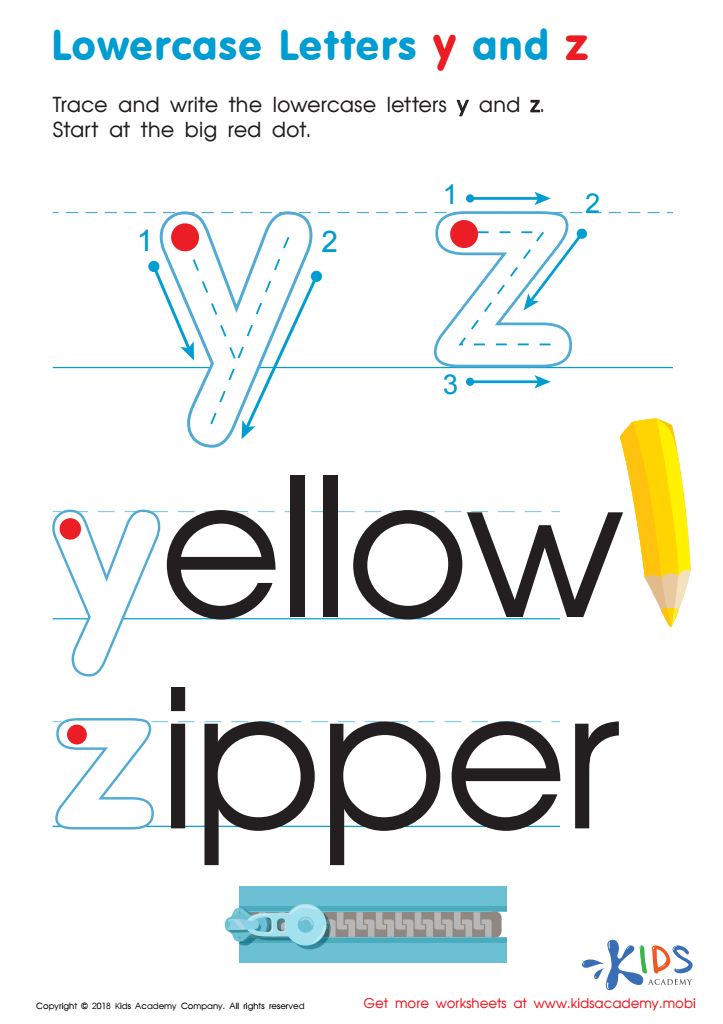
Lowercase Letters y z Worksheet
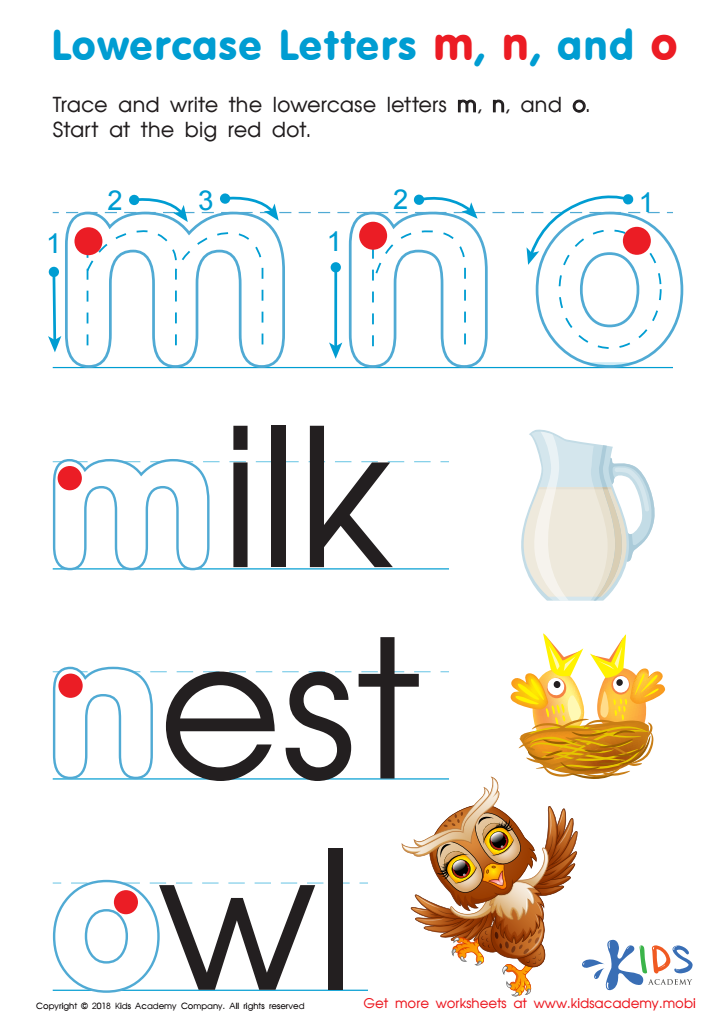
Lowercase Letters m n o Worksheet
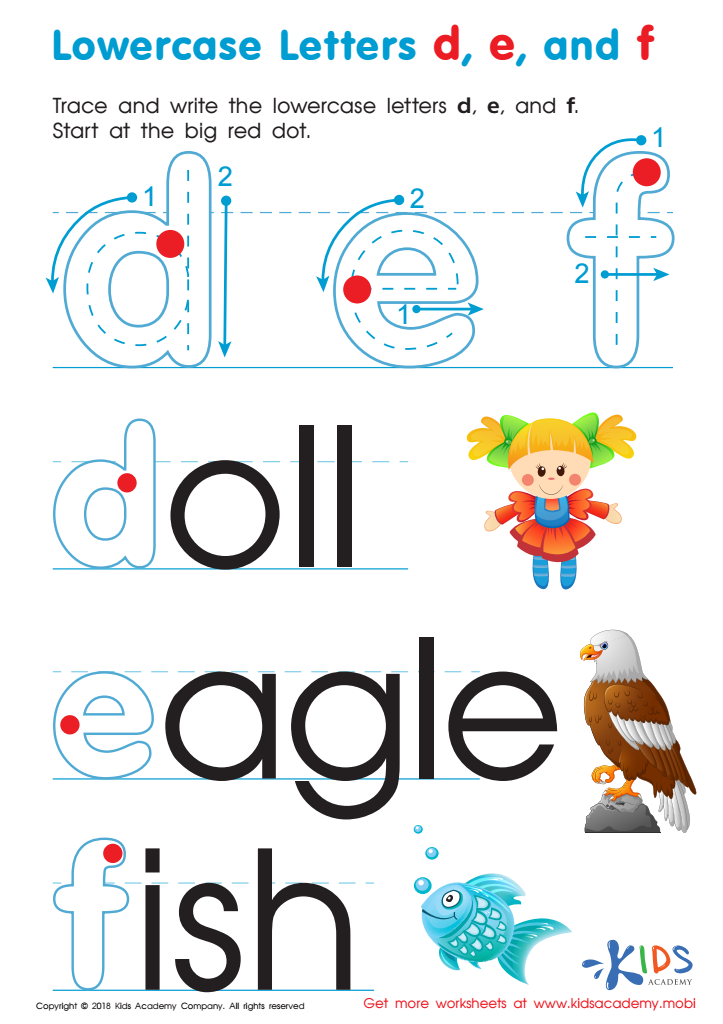
Lowercase Letters d e f Worksheet
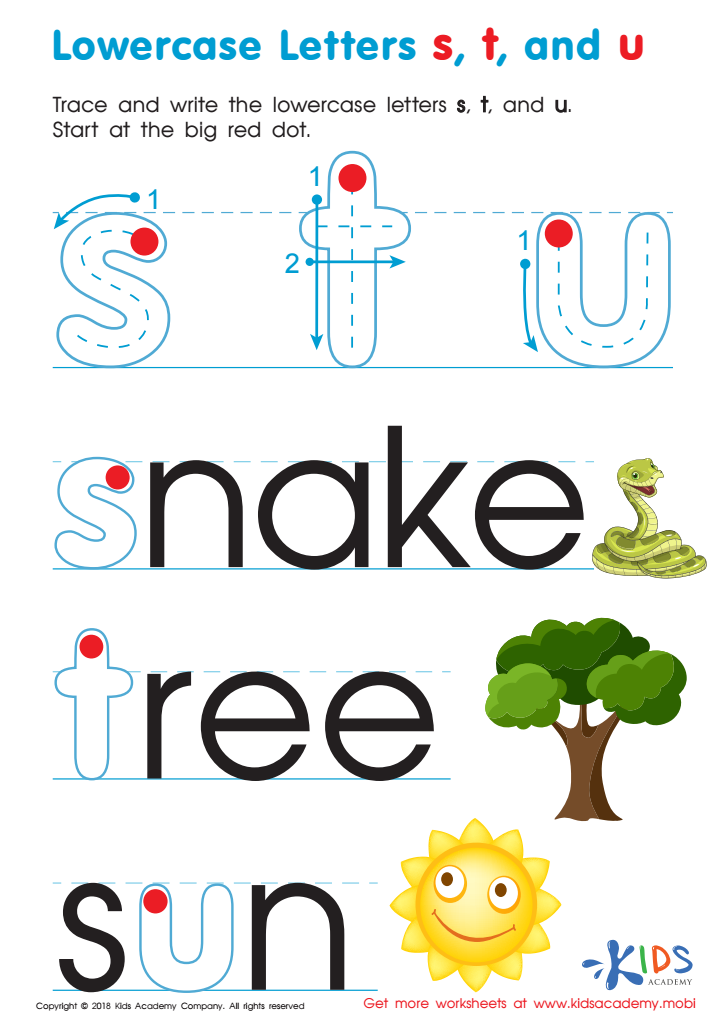
Lowercase Letters s t u Worksheet
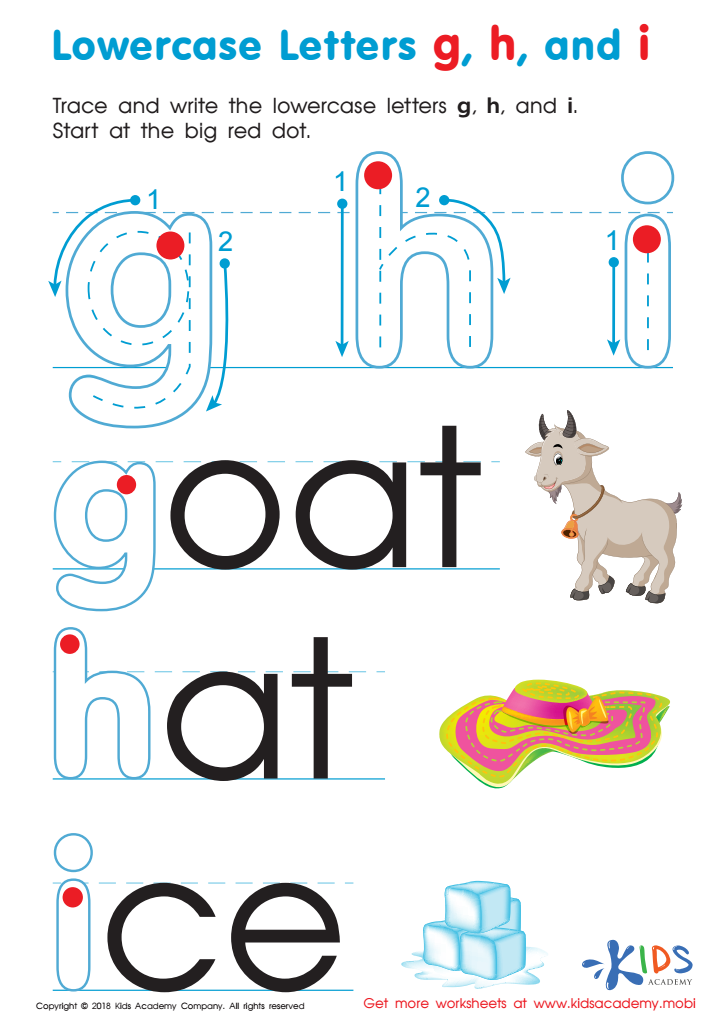
Lowercase Letters g h i Worksheet
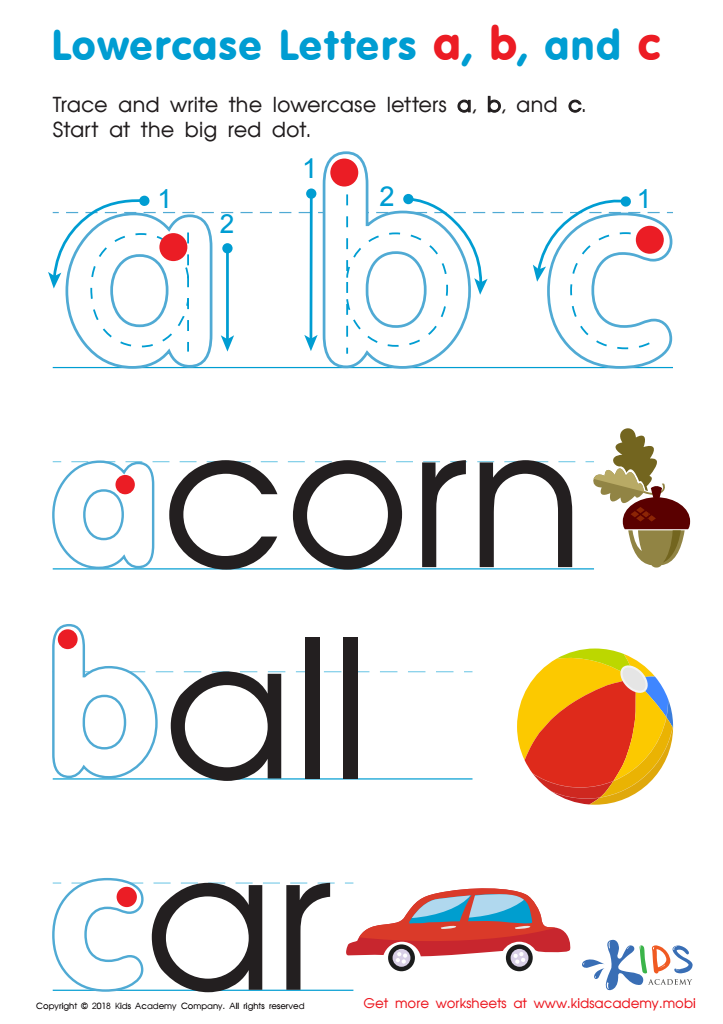
Lowercase Letters a b c Worksheet
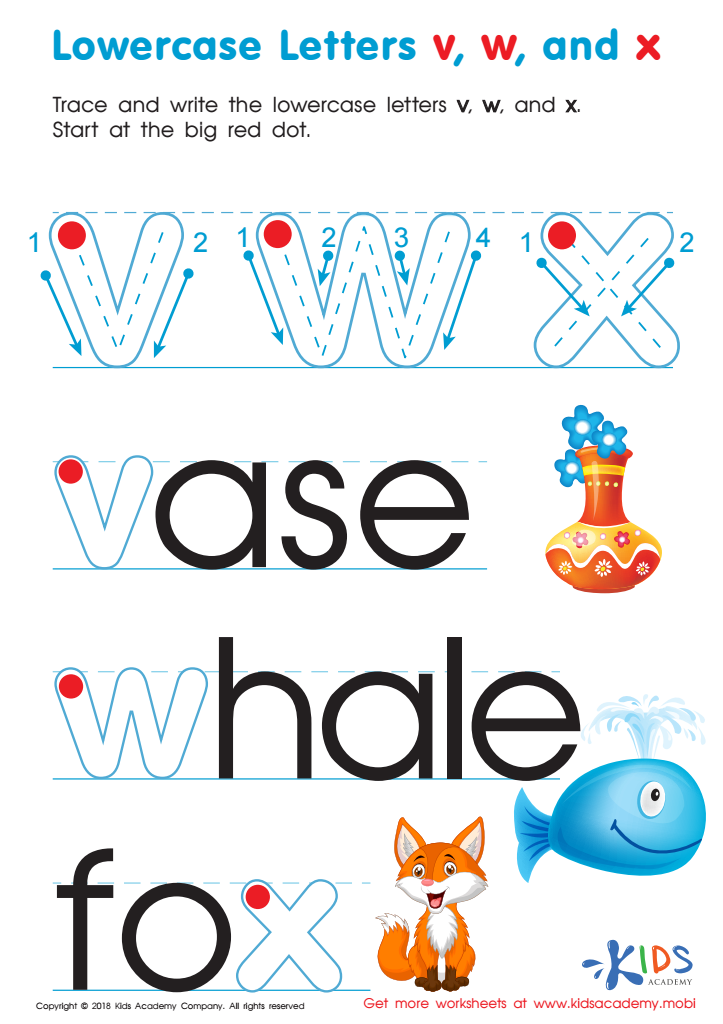
Lowercase Letters v w x Worksheet


Handwriting practice, particularly for normal lowercase or small letters, is critical for children aged 3-4 for several compelling reasons. Firstly, handwriting is closely linked to motor skill development. At this age, children are honing their fine motor skills, which are essential for various daily tasks beyond writing, such as buttoning shirts or using utensils. Engaging in handwriting practice helps strengthen the small muscles in their hands, paving the way for greater dexterity.
Secondly, early handwriting practice fosters literacy development. Learning to recognize and write lowercase letters enhances children’s understanding of letter forms and sounds, making them more proficient readers and writers as they progress. It also introduces children to the concept of combining phonics with letters, laying the foundation for future literacy skills.
Furthermore, handwriting can promote perseverance and focus. The careful attention required to form letters helps children build concentration and patience, valuable traits for their academic journey. Lastly, practice in this area can boost a child's self-confidence; mastering the skill of writing letters enables them to express themselves more freely and feel a sense of accomplishment. Thus, investing time in handwriting practice is vital for comprehensive early childhood development.