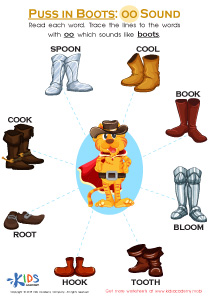
Reading comprehension Normal Short Vowels Worksheets for Ages 3-4
3 filtered results
-
From - To
Discover our interactive collection of Reading Comprehension Normal Short Vowels Worksheets, specially designed for ages 3-4! These worksheets provide young learners with the opportunity to enhance their reading skills through engaging activities centered on short vowels. Each worksheet focuses on recognizing vowel sounds within simple words and encourages comprehension through fun exercises. Perfect for parents and educators, these resources make learning engaging and effective, ensuring that children grasp essential reading concepts early on. Foster a love for reading and build a strong foundation for future literacy with our comprehensive and colorful worksheets that are easy to use and ideal for early learners!
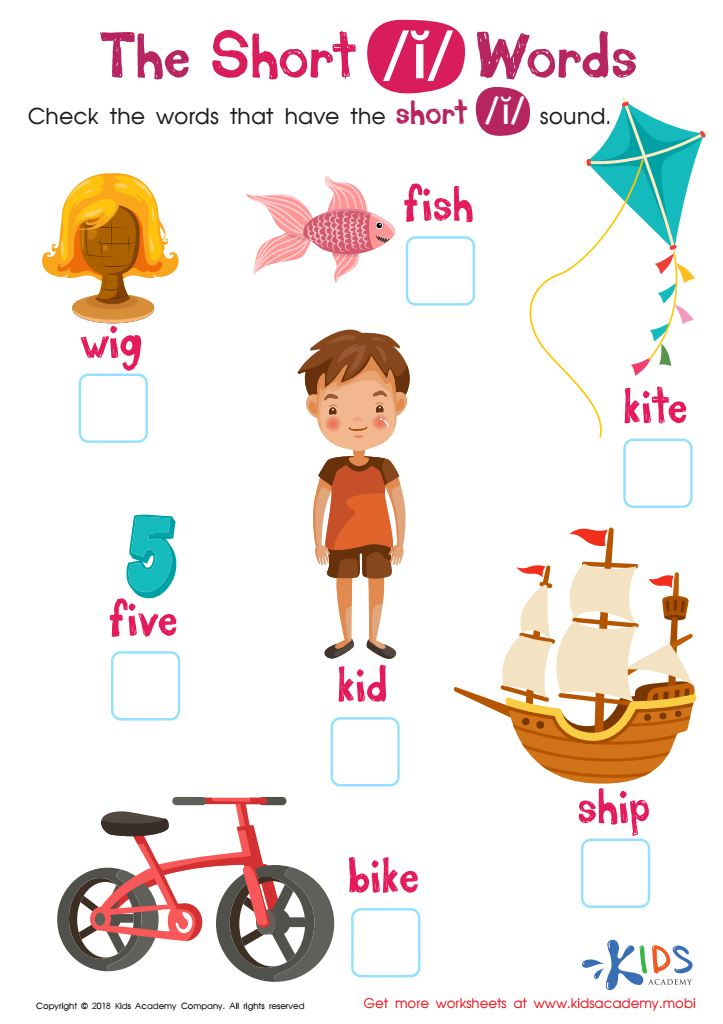
The Short I Words Reading Worksheet
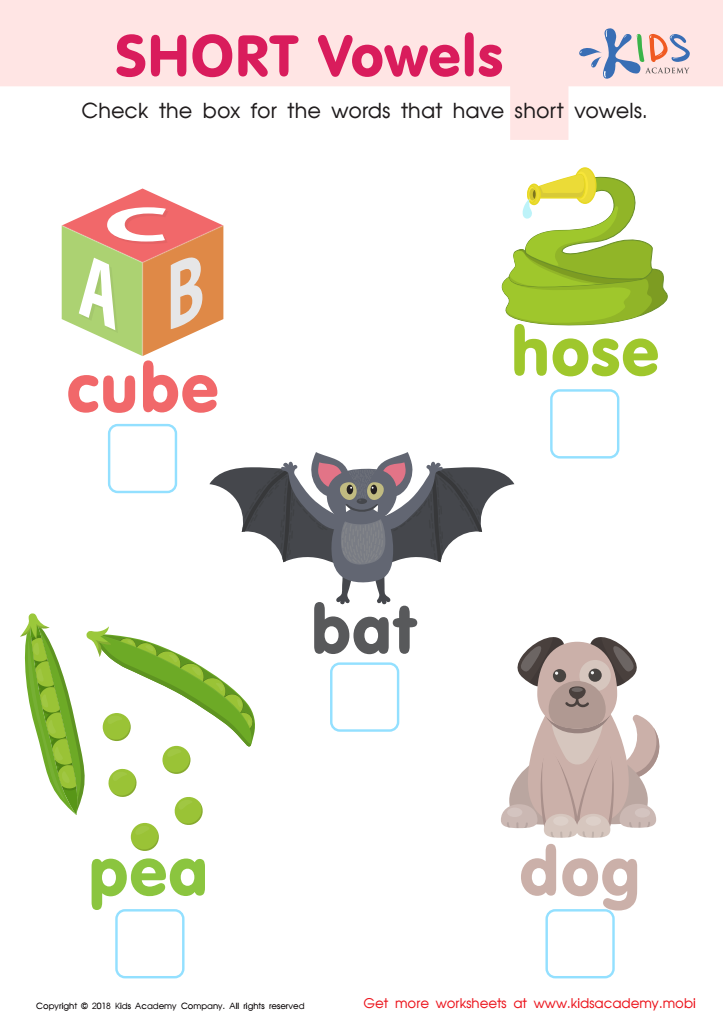
short vowels Worksheet

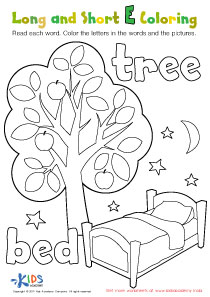
Long and Short E Worksheet
 Assign to My Students



Parents and teachers should prioritize reading comprehension of normal short vowels for children ages 3-4 because it lays the foundation for early literacy skills. At this critical age, children are naturally inclined to explore sounds and words. Understanding short vowels is essential, as they are the building blocks of phonics and help children learn to decode words. When kids grasp short vowels, they gain greater confidence in reading, which encourages a love for books and learning.
Moreover, reading comprehension goes beyond just phonetics; it fosters cognitive development and critical thinking skills. At this age, children are keenly developing their vocabulary and sentence structure understanding. Engaging with stories that highlight short vowels allows them to make connections, enhancing their overall comprehension and retention of new ideas.
Additionally, strong reading skills correlate with future academic success. By nurturing a solid grasp of short vowels and comprehension early on, parents and teachers set the stage for a brighter educational journey. Ultimately, investing time in reading comprehension at this young age prepares children not just for school, but also for lifelong learning and curiosity.