Visual discrimination skills Normal Upper & Lowercase Letters Worksheets for Ages 3-4
4 filtered results
-
From - To
Enhance your child's visual discrimination skills with our engaging worksheets designed for ages 3-4! Our "Normal Upper & Lowercase Letters" worksheets provide a fun and interactive way for young learners to differentiate between letters. These carefully crafted activities promote the recognition of both uppercase and lowercase letters, helping to build a strong foundation for literacy. With vibrant illustrations and playful designs, children will enjoy identifying and mastering letters while honing their visual perception. Perfect for classroom use or at-home learning, these worksheets ensure that little ones are ready for reading success! Download and let the learning adventure begin today!
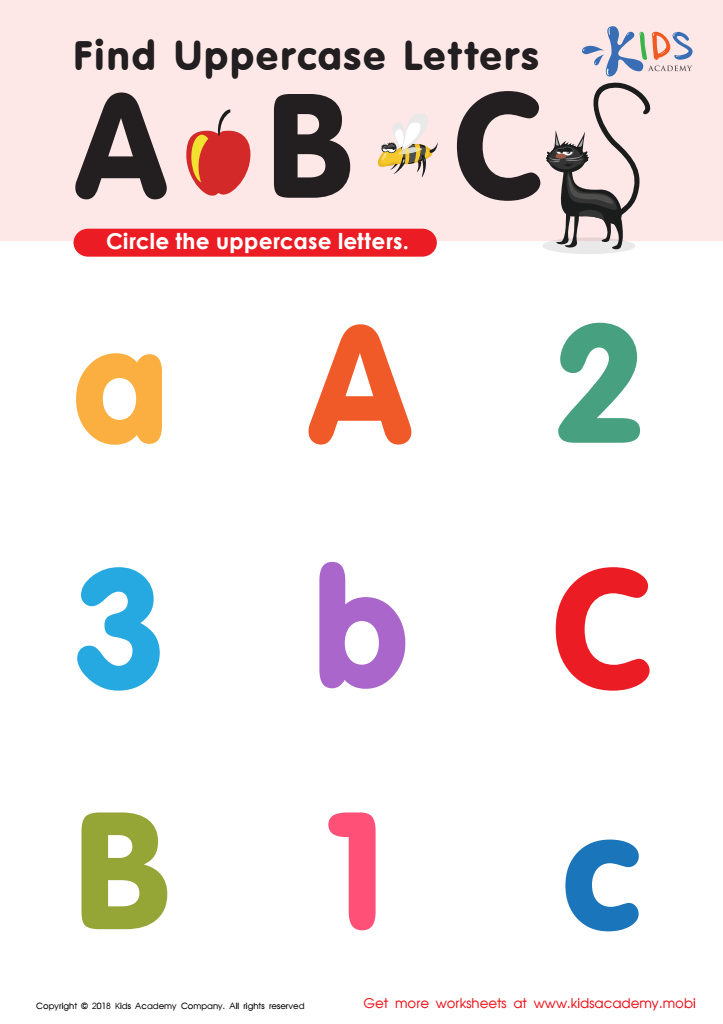
Find Uppercase Letters A, B, and C Worksheet
 Assign to My Students
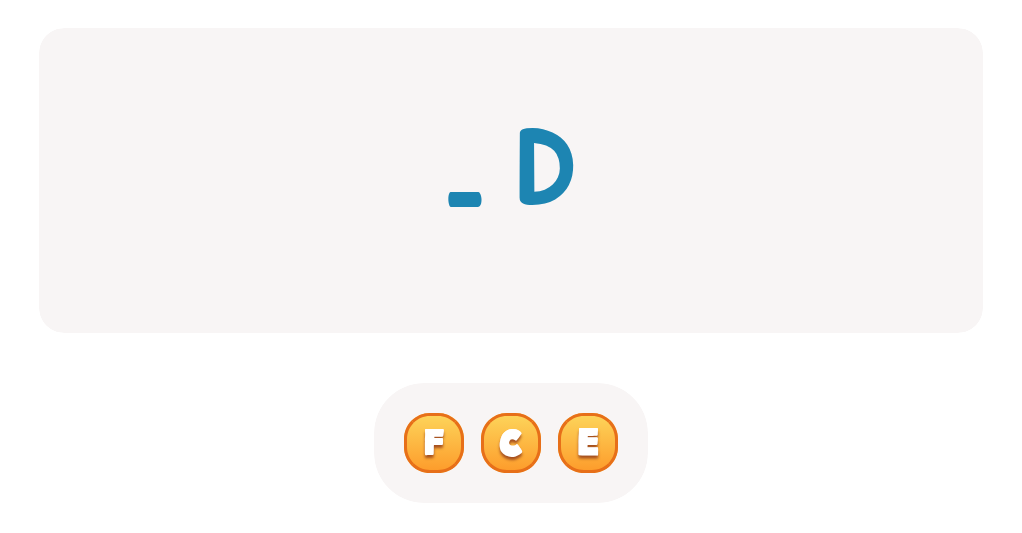

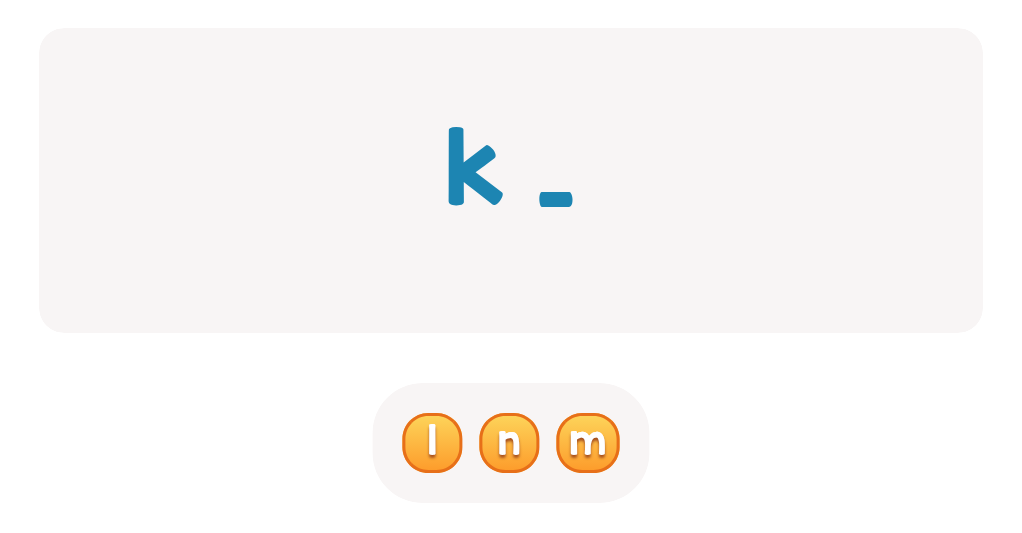
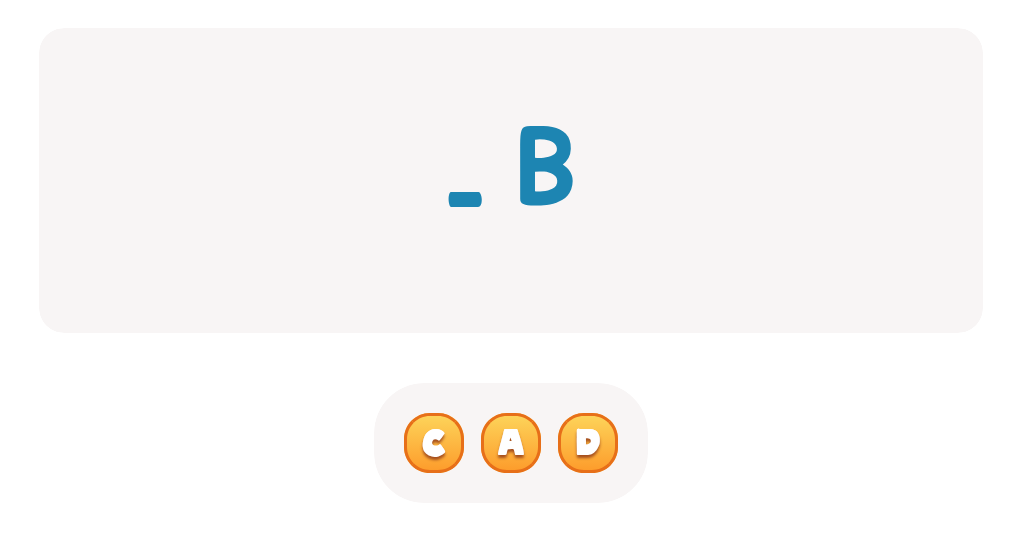
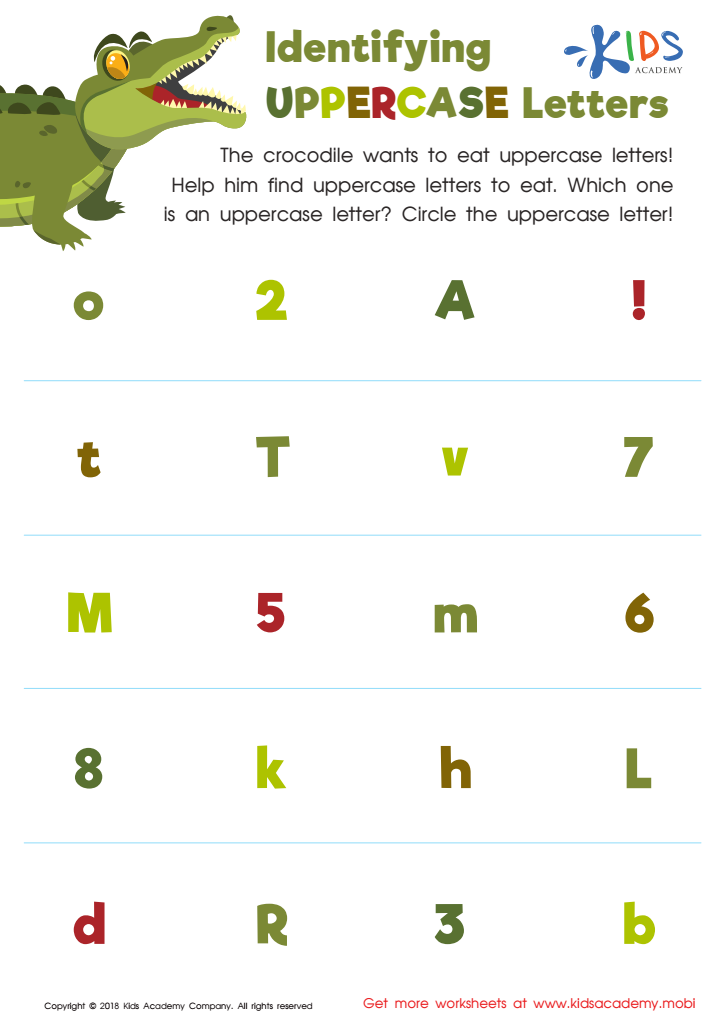
Identifying Uppercase Letters Worksheet
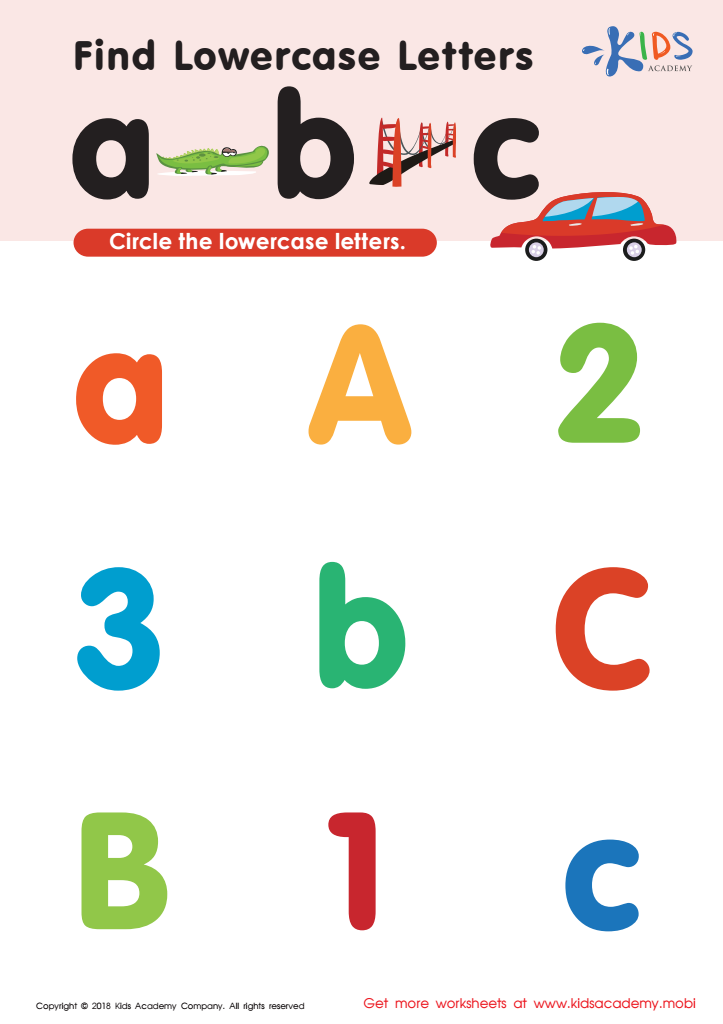
Find lowercase letters a b c Worksheet
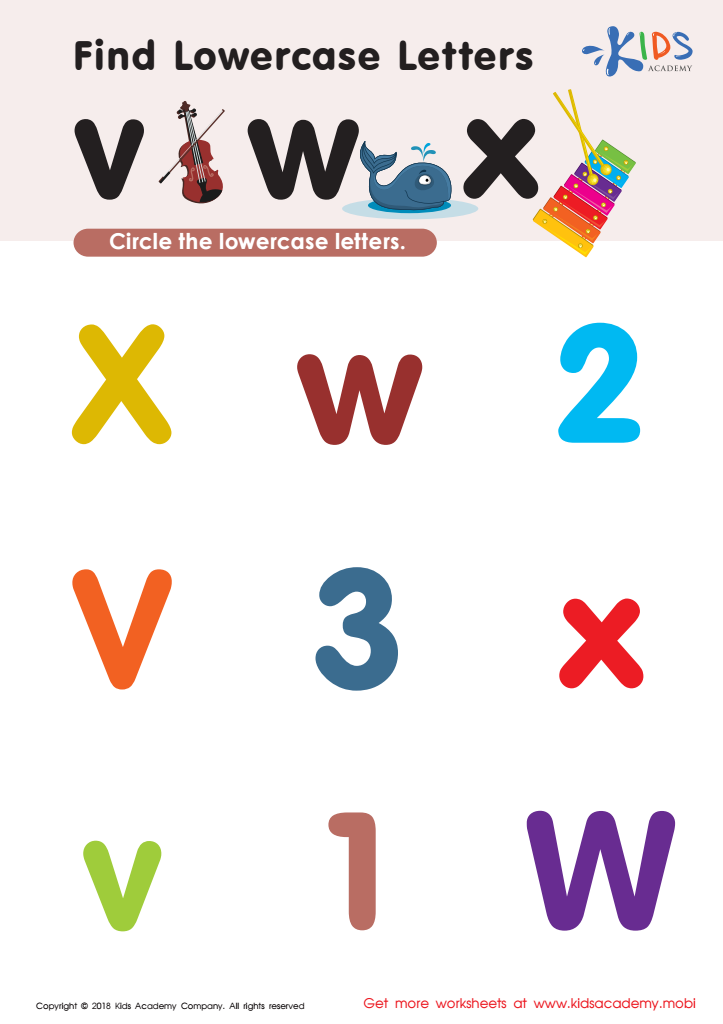
Find Lowercase Letters v w x Worksheet






Visual discrimination skills are crucial for early literacy development, especially concerning recognizing normal uppercase and lowercase letters. At ages 3-4, children's ability to differentiate between shapes and sizes lays the foundation for reading and writing. Understanding visual differences between letters helps children successfully identify letters in print, an essential step in learning to read.
Parents and teachers should care about developing these skills for several reasons. First, strong visual discrimination supports phonemic awareness, as children learn to associate letters with sounds. This phonetic association is vital for decoding words, making reading more accessible. Secondly, kids with pronounced visual discrimination skills tend to have better spelling and writing abilities, as they can accurately represent thoughts on paper without confusion over similar-looking letters, such as "b" and "d."
Additionally, enhancing visual discrimination fosters overall cognitive development, as it sharpens attention to detail and strengthens memory. Engaging activities that support these skills—such as matching games or letter puzzles—encourage active learning and can enhance parent-child bonding. By prioritizing visual discrimination for alphabet recognition, parents and teachers set the stage for academic success and a love for reading.







