Fine Motor Skills Normal English for Beginners Worksheets for Ages 3-4 - Page 2
31 filtered results
-
From - To
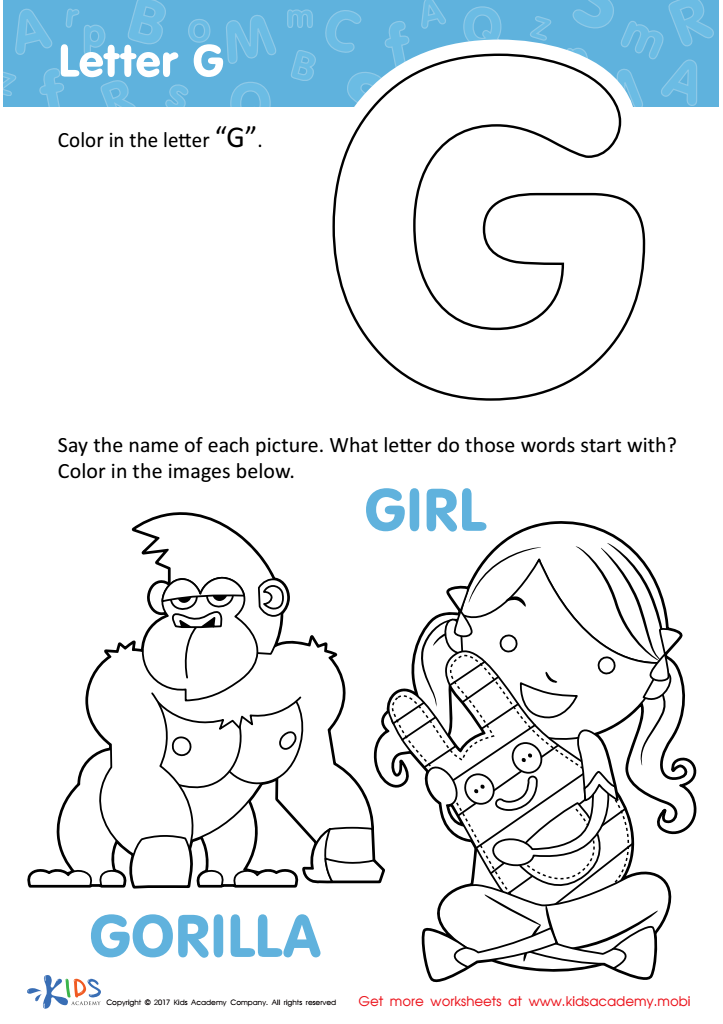
Letter G Coloring Sheet
 Assign to My Students
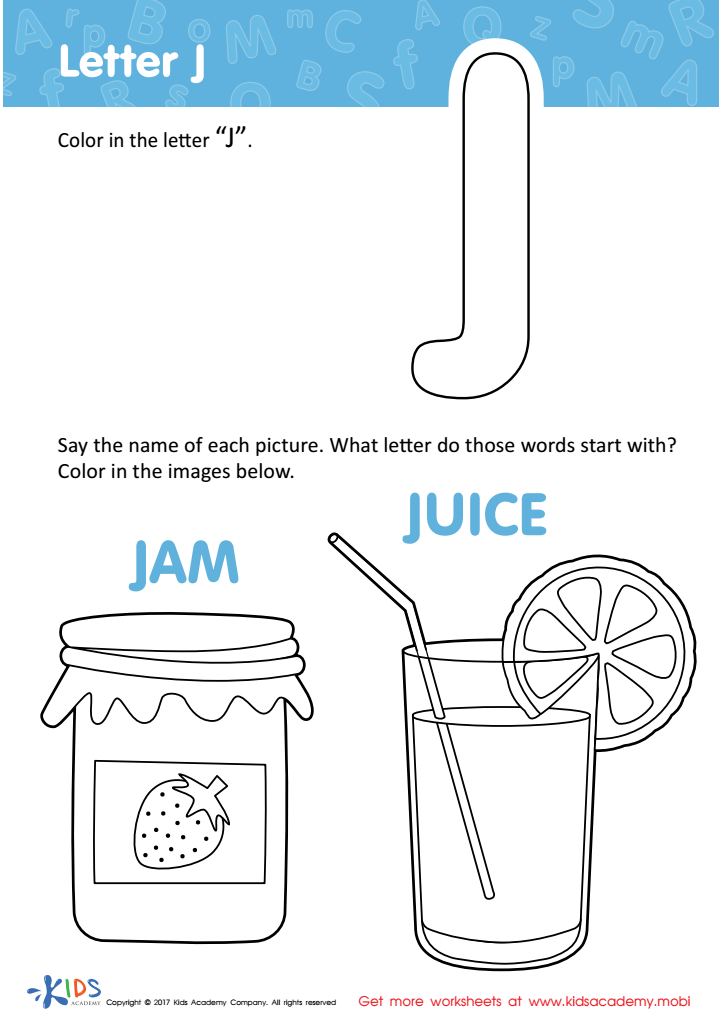
Letter J Coloring Sheet
Assign to My Students
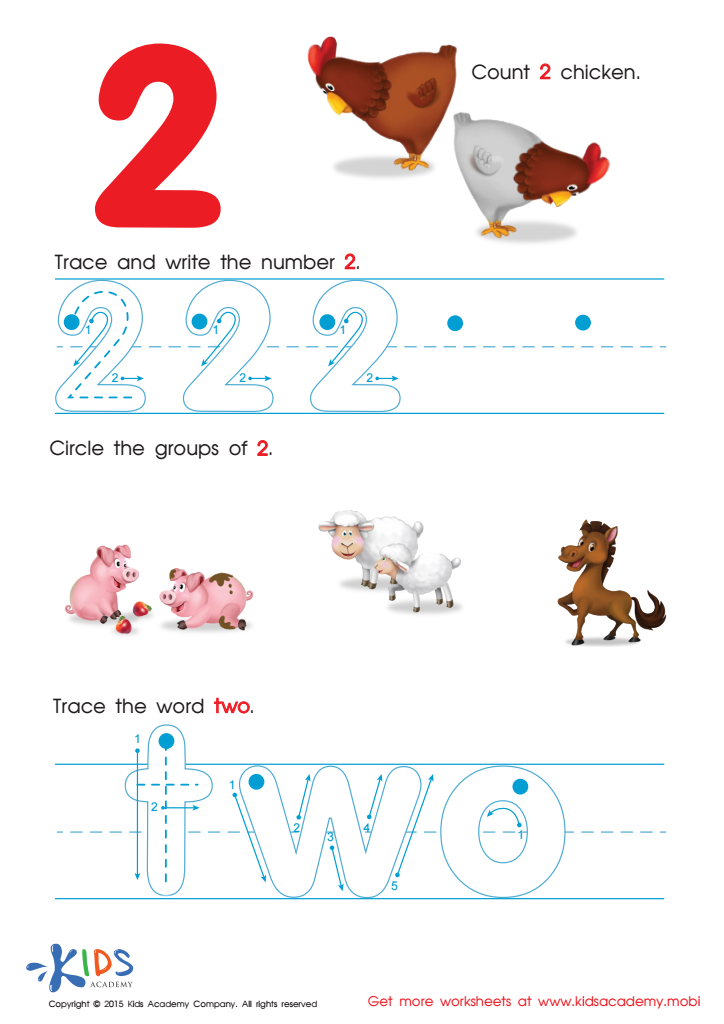
Learn to Write the Number 2 Worksheet
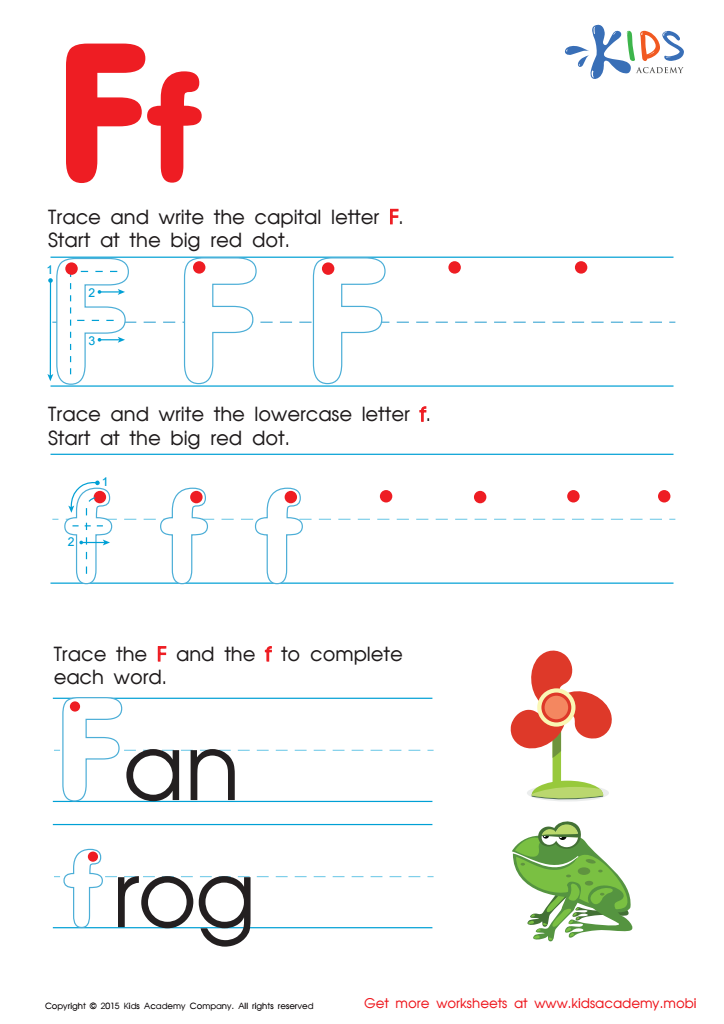
Letter F Tracing Page
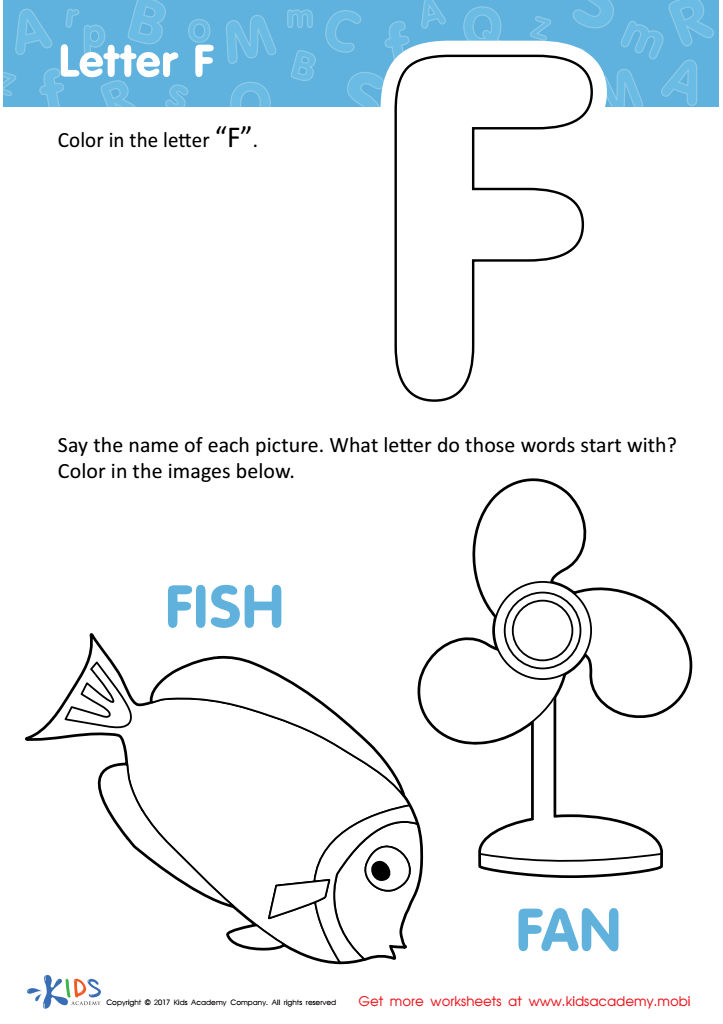
Letter F Coloring Sheet
Assign to My Students
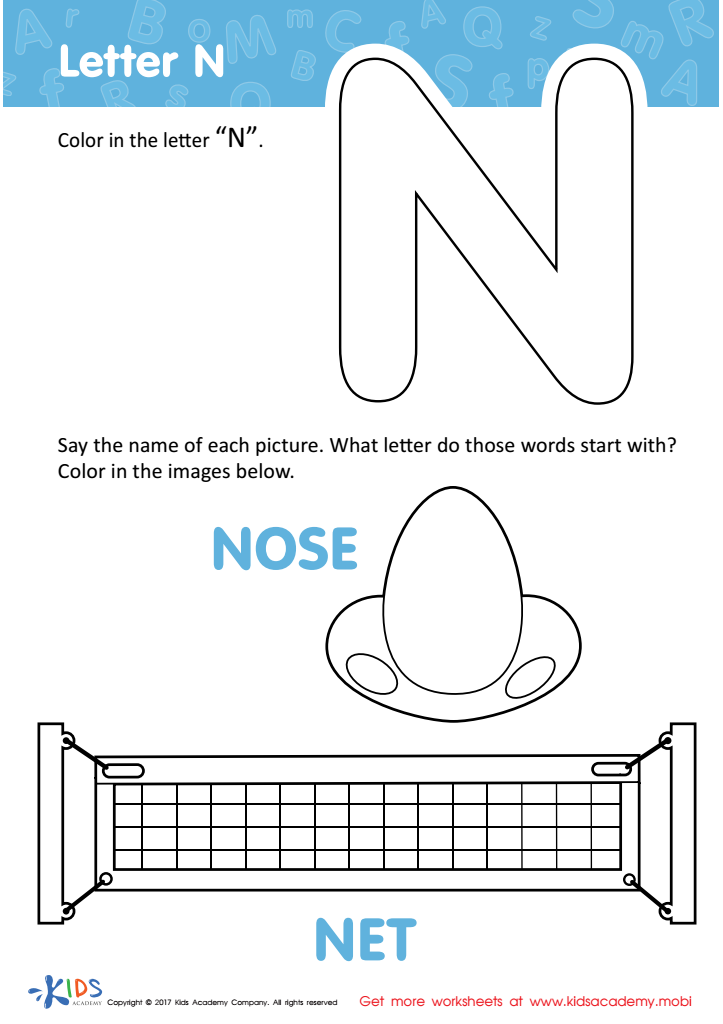
Letter N Coloring Sheet
Assign to My Students
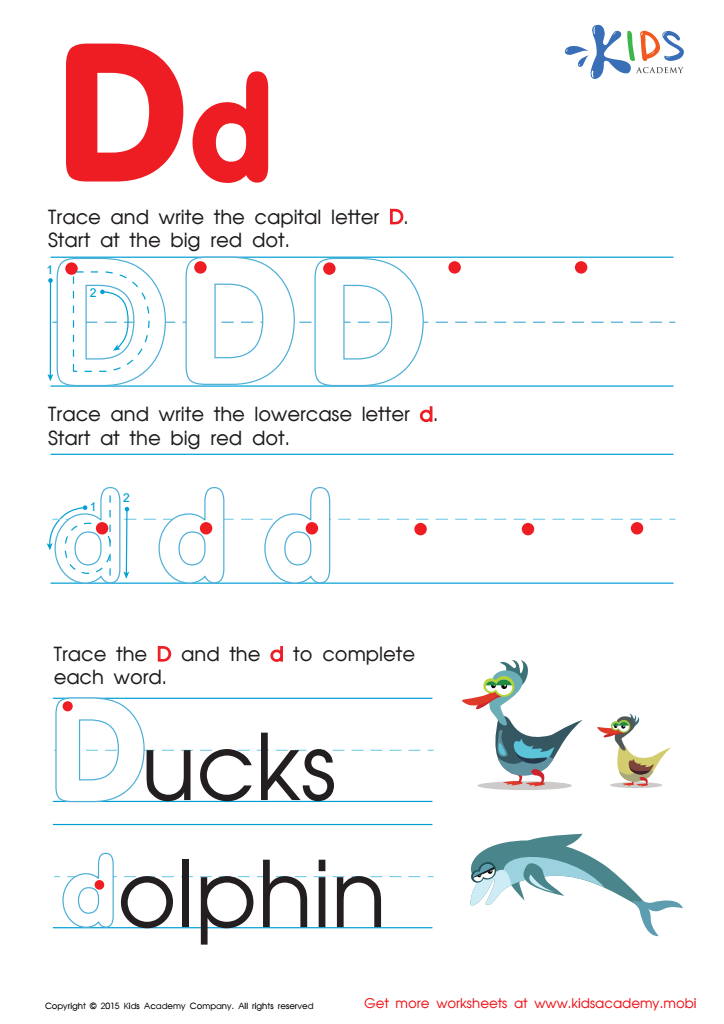
Letter D Tracing Page





Fine motor skills are essential for young children's development, especially for ages 3-4. Parents and teachers should care about these skills because they play a crucial role in daily activities and learning. Fine motor skills involve the small muscles in a child's hands and fingers, enabling them to perform tasks such as holding a pencil, using scissors, and buttoning their clothes.
As children develop these skills, they gain confidence in their abilities, which boosts self-esteem and encourages independence. Fine motor skills are also linked to cognitive development, as they help children explore their environment and express their creativity through activities like drawing and crafting.
In early education, engaging children in activities that promote fine motor skills, such as playing with playdough, stringing beads, or puzzles, can lay a strong foundation for more complex tasks in the future. Additionally, nurturing these skills supports hand-eye coordination and prepares children for writing when they enter school.
By prioritizing fine motor skills, parents and teachers can help children build essential life skills, ensuring they are better prepared for academic challenges and everyday tasks as they grow older. Overall, investing time in these activities fosters a sense of accomplishment and joy in learning.