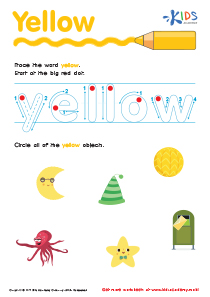
Handwriting practice Normal English for Beginners Worksheets for Ages 3-4 - Page 2
26 filtered results
-
From - To
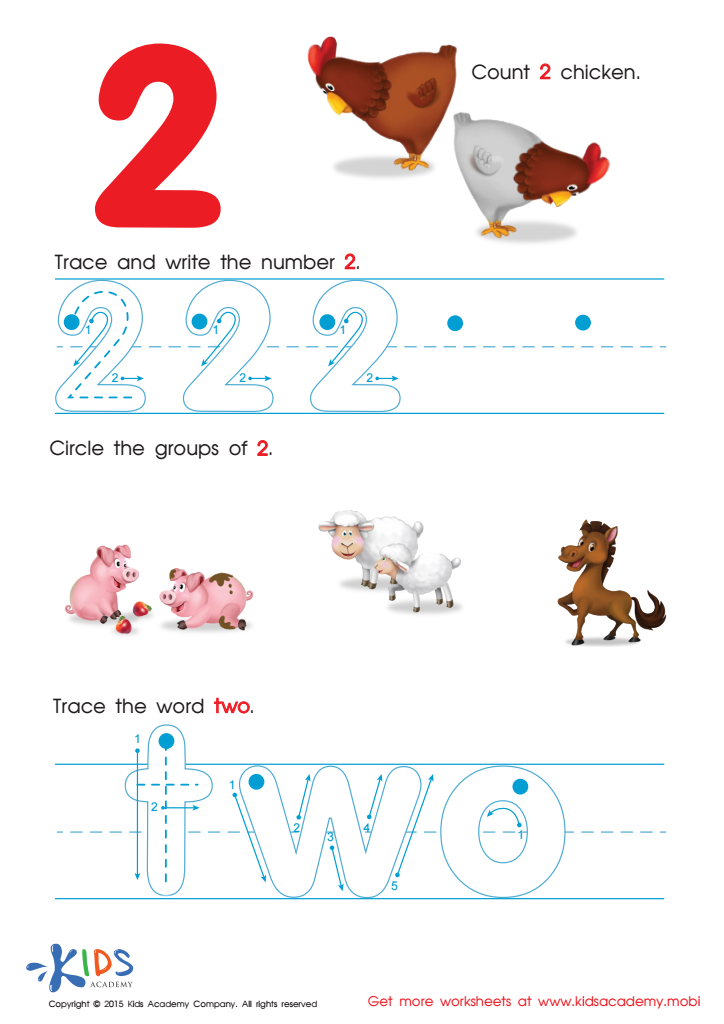
Learn to Write the Number 2 Worksheet
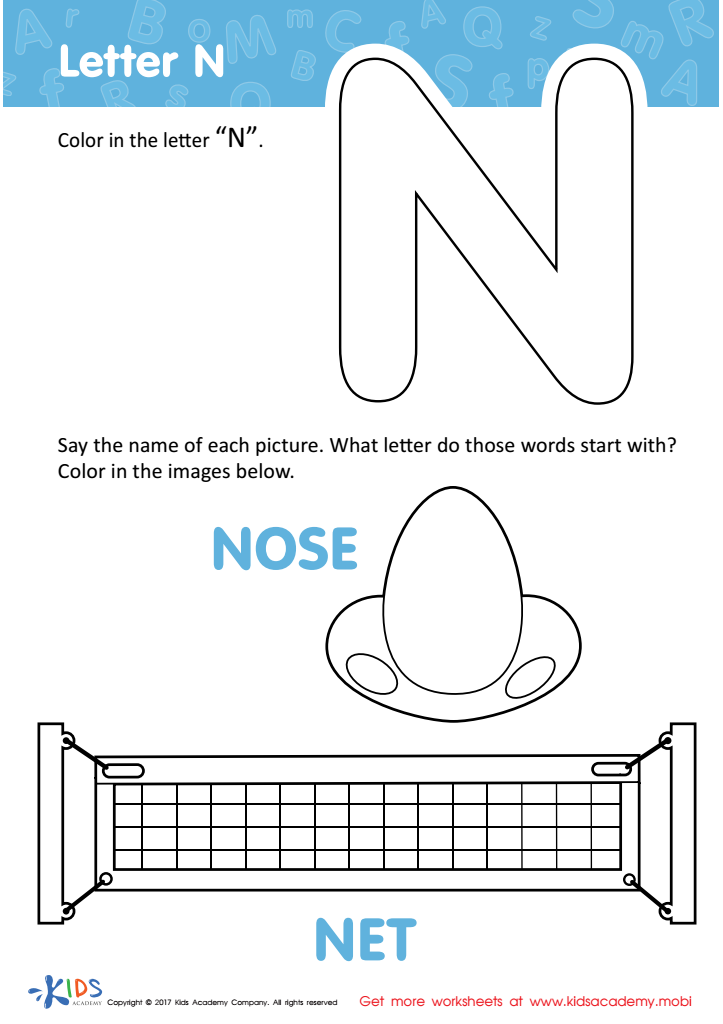
Letter N Coloring Sheet
 Assign to My Students





Parents and teachers play a significant role in early childhood education, and one of the foundational skills they should focus on is handwriting practice. Handwriting for children aged 3-4 might seem simple, but it's crucial for their overall development. At this tender age, kids are just starting to build fine motor skills, which are essential for daily tasks like tying shoelaces, buttoning shirts, and eventually, writing.
Handwriting practice helps children develop hand-eye coordination, making precise movements easier as they grow. This practice also supports cognitive development. Just as drawing shapes can help children understand geometry, forming letters helps them recognize alphabets and improves their language skills.
Moreover, handwriting activities are great not only for writing but for teaching patience, focus, and discipline. When kids learn to write, they also learn the importance of effort and perseverance. Completing even simple letter-tracing exercises can give them a sense of achievement, boosting their self-esteem.
Finally, handwriting is an excellent screen-free activity. In a world filled with digital distractions, it's beneficial for children to engage in offline skills. By placing importance on handwriting practice, parents and teachers not only contribute to a child's educational foundation but also their personal growth and future academic success.