Filters

105 filtered results

Clear all filters
Favorites
With answer key
Interactive

105 filtered results

Difficulty Level

Grade


Check out this FREE "Fine Motor Skills" Trial Lesson for age 3-4!

F

Favorites
With answer key
Interactive
  • 3-4
  • Fine Motor Skills
  • Normal
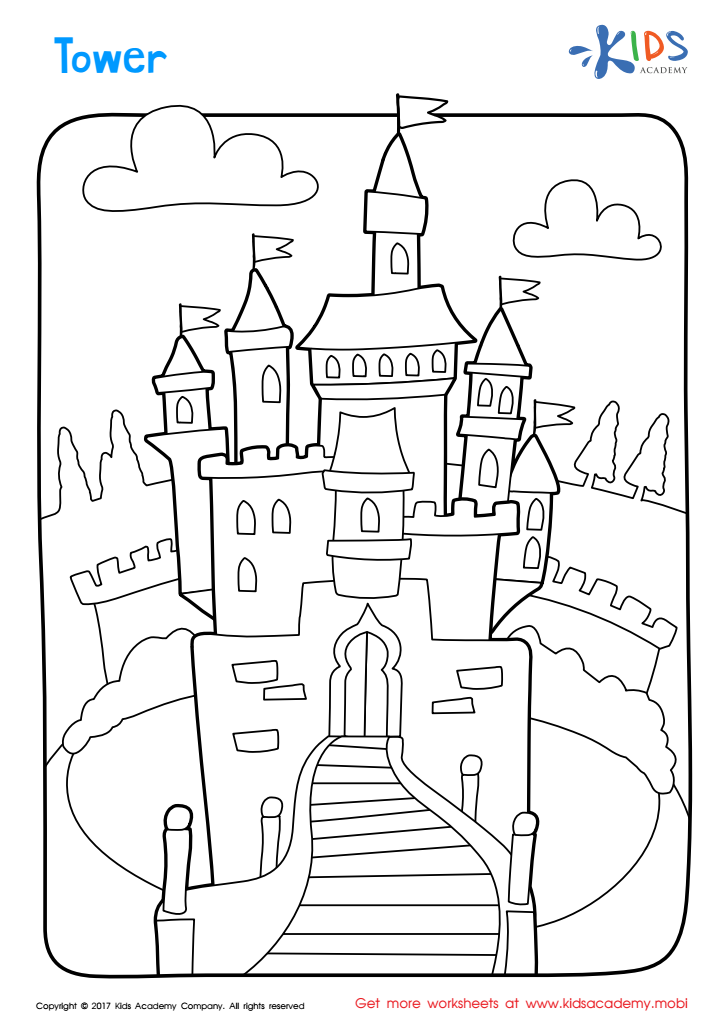
Printable Coloring Page: Tower

Tower Coloring Page

Bring your child's fairytales to life with this fun printable coloring page: Tower! Have your child pick the perfect colors to transform this magical tower and afterwards, ask them to recall stories that involve castles. Get those imaginations running!
Download (PDF)
Assign to My Students
Tower Coloring Page
Worksheet
Letter A Coloring Page

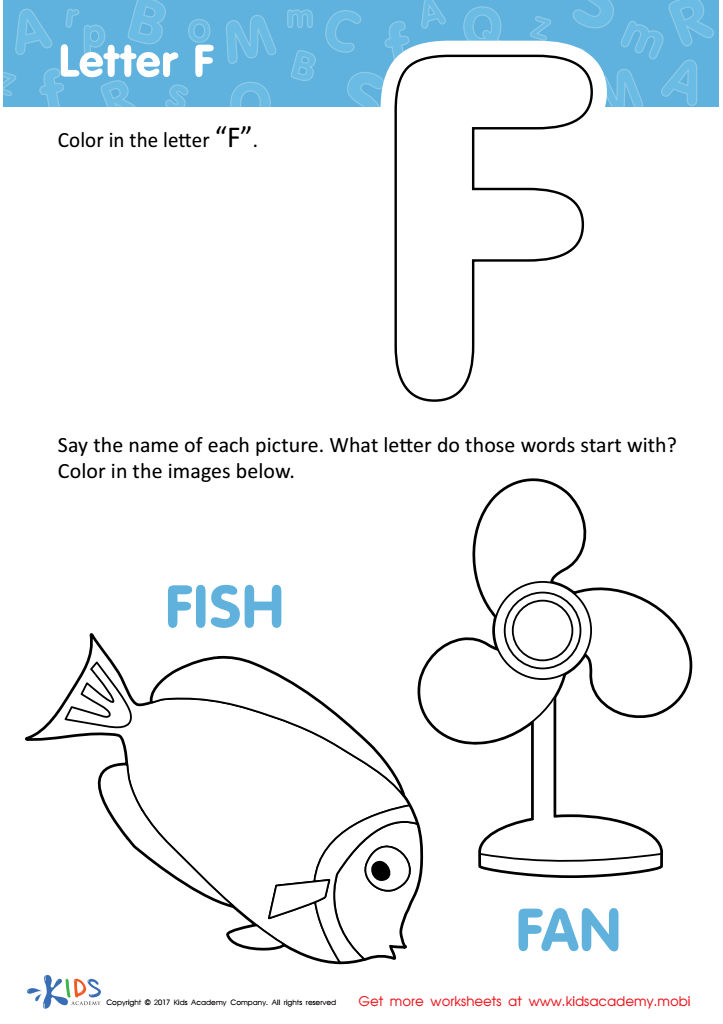
Letter F Coloring Sheet

Coloring pages help kids learn to recognize letters and sounds. Our "F" page has kids color a fish and a fan. It's a great way to introduce them to the letter "F" using words they already know.
Download (PDF)
Assign to My Students
Letter F Coloring Sheet
Worksheet
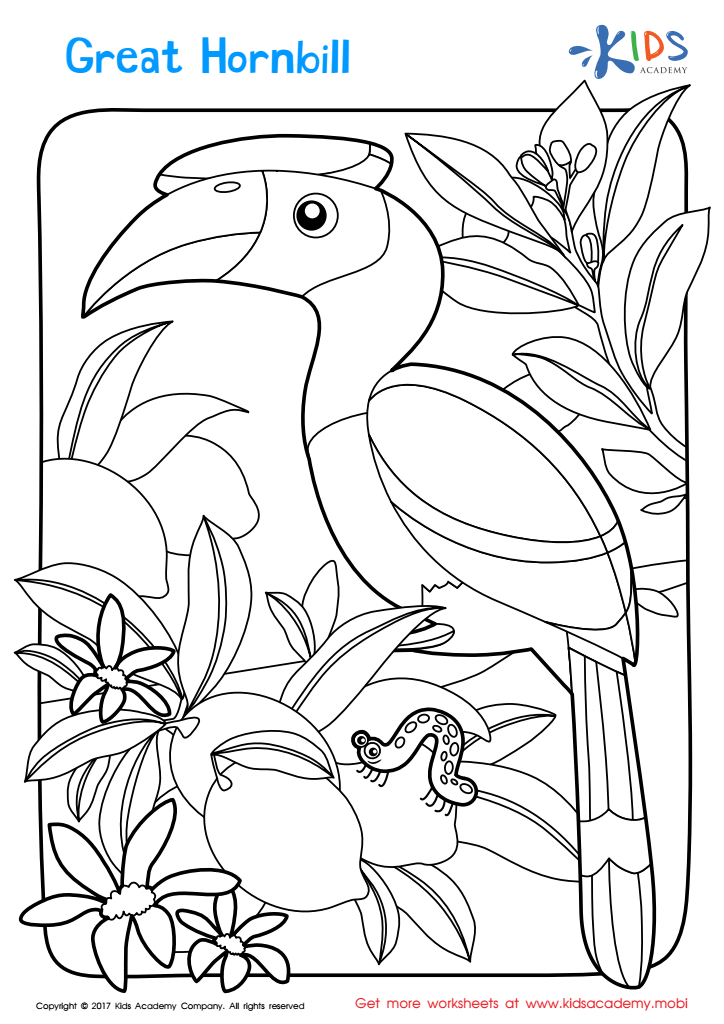
Worksheet: great hornbill coloring page

Great Hornbill Worksheet

Expand your child's knowledge with our exotic animal printable: the great hornbill coloring page. It’s a fun and easy way to explore this beautiful bird's stunning array of colors without leaving home. Look up pics online to get a better understanding of this incredible creature.
Download (PDF)
Assign to My Students
Great Hornbill Worksheet
Worksheet
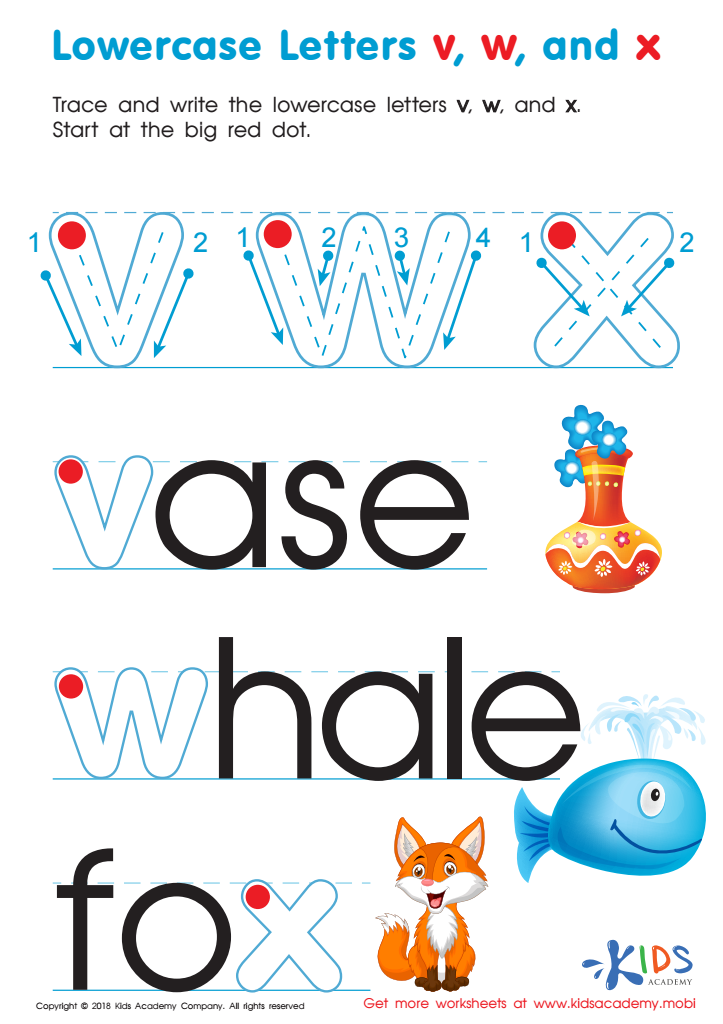
Lowercase Letters v w x Worksheet

Lowercase Letters v w x Worksheet

Help your child learn to write lowercase letters v, w, and x, starting at the big red dot. This activity will help them develop writing skills and correctly identify the letters. Guide them as they trace the letters and enjoy watching them improve!
Lowercase Letters v w x Worksheet
Worksheet
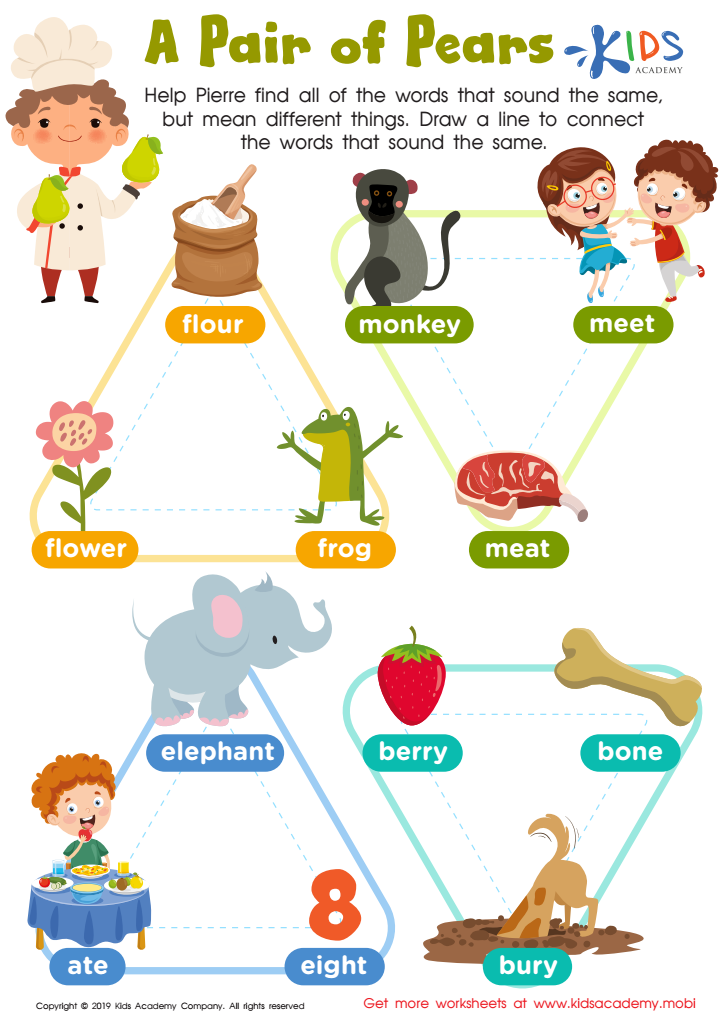
Pair Pears Worksheet

Pair Pears Worksheet

Young readers can have difficulty knowing when to use the right homophone. This free worksheet helps them use familiar imagery to understand better by connecting words that sound similar but are spelled and mean different things. Students will trace the lines to form a picture and have a reference image to differentiate between the different homophones.
Pair Pears Worksheet
Worksheet
Letter N Coloring Page

Letter N Coloring Sheet

Let your child get creative and learn the alphabet with this letter "N" coloring page! It's a fun way to recognize the letter, featuring a body part all kids know. Coloring and reinforcing recognition of "N" will help your child have fun while learning!
Download (PDF)
Assign to My Students
Letter N Coloring Sheet
Worksheet
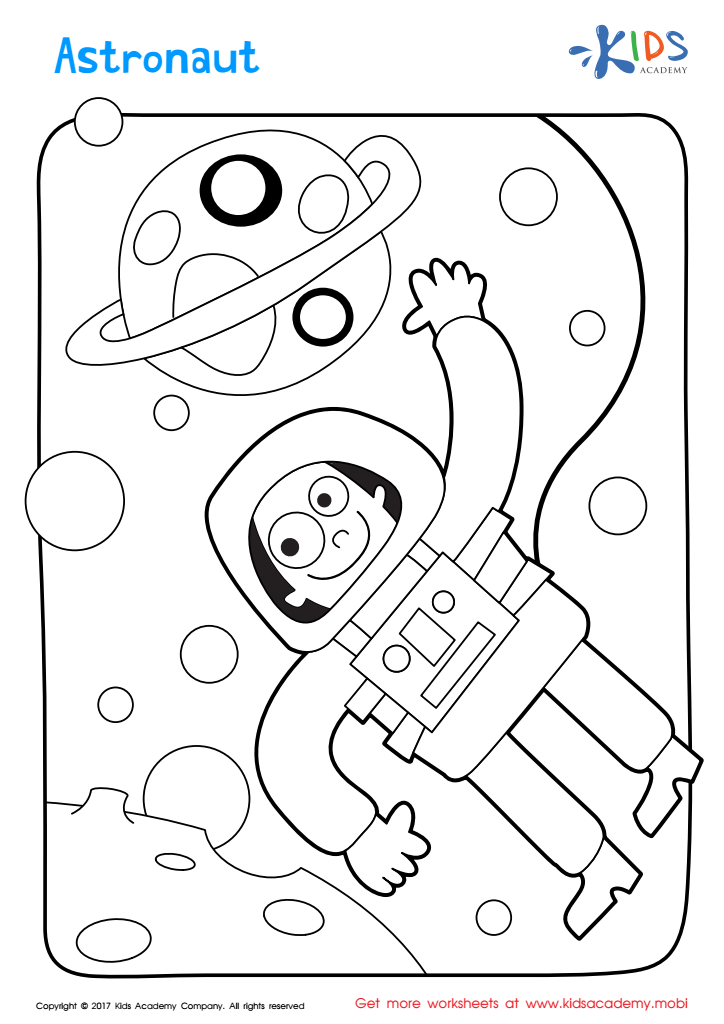
Printable Coloring Page: Astronaut

Astronaut Coloring Page

Let your child's creativity soar as they explore outer space with this fun Astronaut coloring page. They can pick the perfect colors to bring the printable to life. Then take it a step further and discuss the adventures of an astronaut.
Download (PDF)
Assign to My Students
Astronaut Coloring Page
Worksheet
letter d worksheets
letter d worksheets

Letter D Tracing Page

Trace and write capital and lowercase letter "D" with our free printable alphabet worksheet! Be careful not to mix up "b" and "d" - just look at the ducks and write their first letter. The dolphin wants to join the fun too - do you like dolphins? Get more fun worksheets and activities at Kids Academy!
Letter D Tracing Page
Worksheet
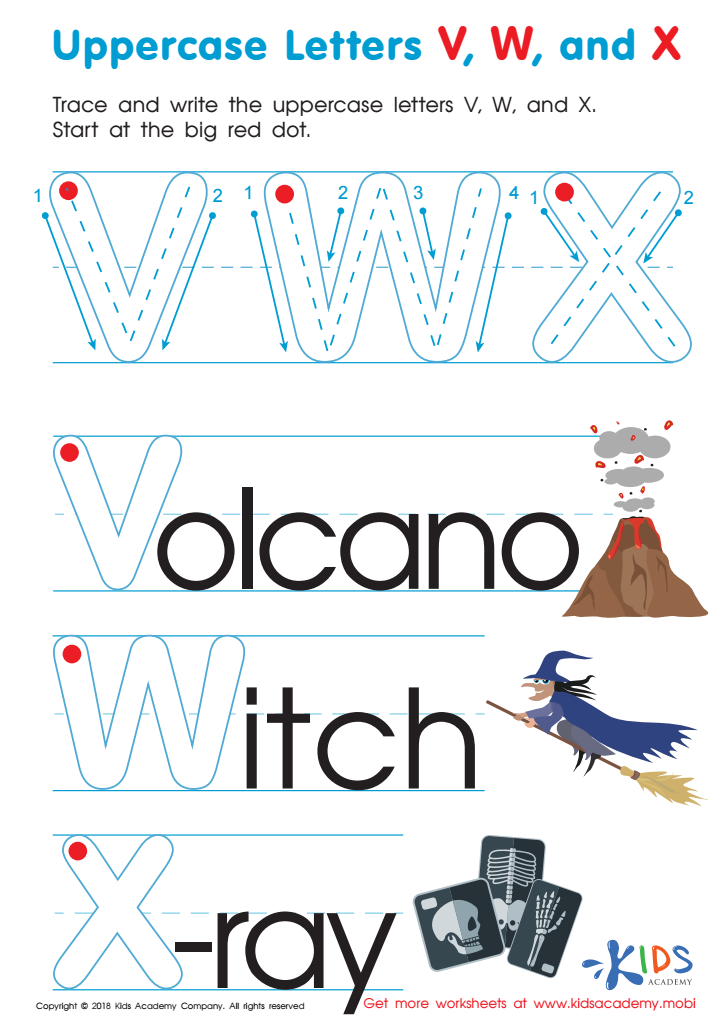
Uppercase Letters V, W, and X Worksheet


Uppercase Letters V, W, and X Worksheet

This worksheet is perfect for kids struggling to write uppercase letters V, W, and X. Warm up their brains first by having them name words starting with these letters. Then, help them trace and write each letter from the big red dot. With your assistance, they will quickly sharpen their writing skills.
Uppercase Letters V, W, and X Worksheet

Worksheet


... 4 5

Fine motor skills are crucial abilities that involve the coordination of small muscles in movements—typically those of the fingers and hands. For children aged 3-4, the development of fine motor skills is essential for several reasons.

Firstly, these skills are foundational for daily activities such as dressing, feeding themselves, and personal hygiene, all of which foster independence and confidence. Children in this age group are also beginning to engage in play that enhances cognitive and social development; fine motor skills make it easier for them to manipulate toys, puzzles, and other objects, enriching their learning experiences.

In an academic context, fine motor skills are fundamental for early literacy and numeracy. Tasks like holding a pencil, manipulating scissors, and turning pages in a book become possible, thereby preparing them for structured learning environments. A delay in developing these skills can affect their ability to keep up with peers and impede their ability to participate fully in classroom activities.

Teachers and parents should nurture fine motor skills through playful, fun activities such as drawing, crafting, and playing with building blocks. Monitoring and supporting this development ensures children are on track in reaching important developmental milestones, ultimately facilitating smoother transitions into more complex tasks as they grow.