Sequencing Skills Normal Worksheets for Ages 3-4
3 filtered results
-
From - To
Enhance your child's cognitive and reasoning abilities with our Sequencing Skills Normal Worksheets, specifically designed for ages 3-4. These engaging printable worksheets aim to develop essential skills in recognizing and arranging sequences of events, fostering critical thinking and comprehension. Each activity is tailored to captivate young minds, using colorful illustrations and relatable scenarios that make learning fun and interactive. Suitable for both home and classroom settings, our worksheets provide the perfect opportunity for toddlers to practice sequencing while improving their language and fine motor skills. Start your child’s journey towards logical thinking and pattern recognition today!
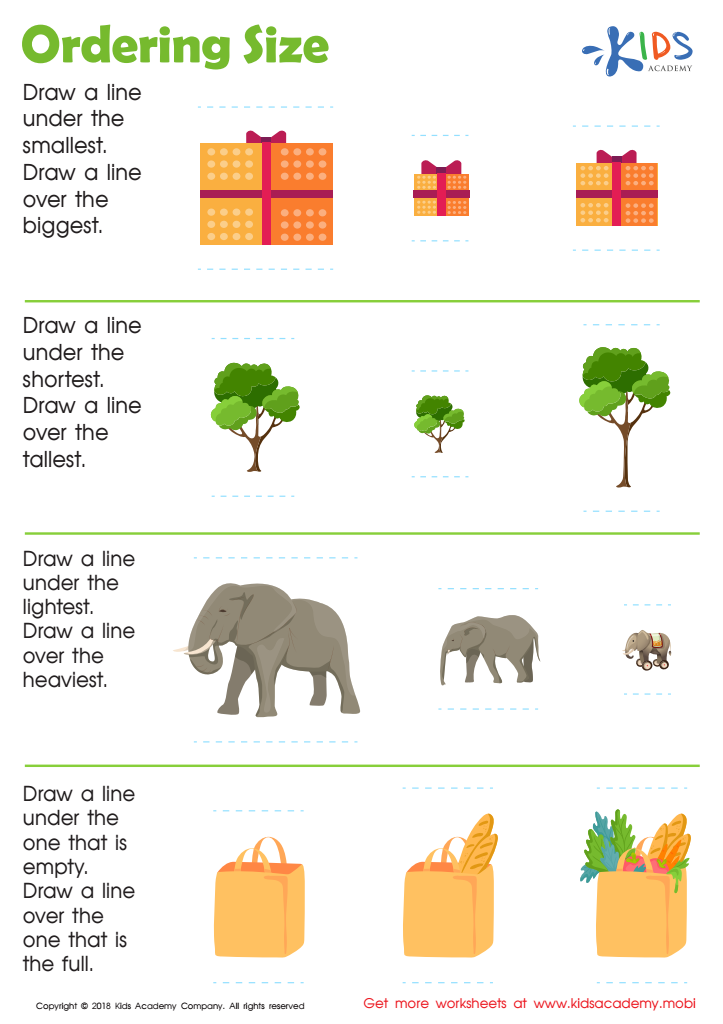
Ordering Size Worksheet
 Assign to My Students
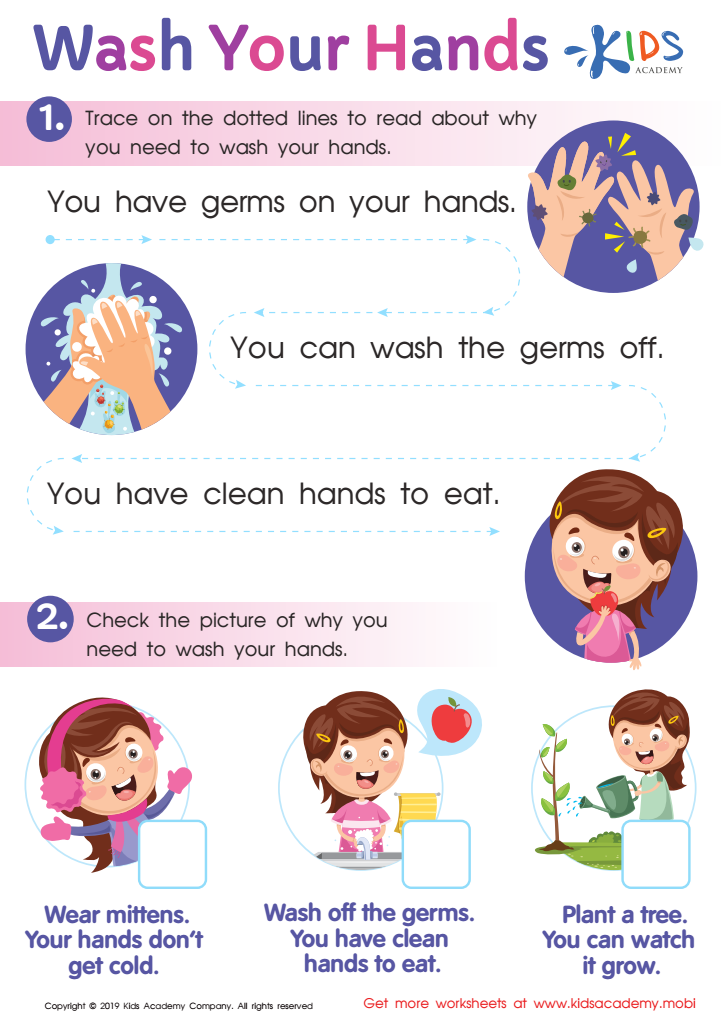
Wash Your Hands Worksheet
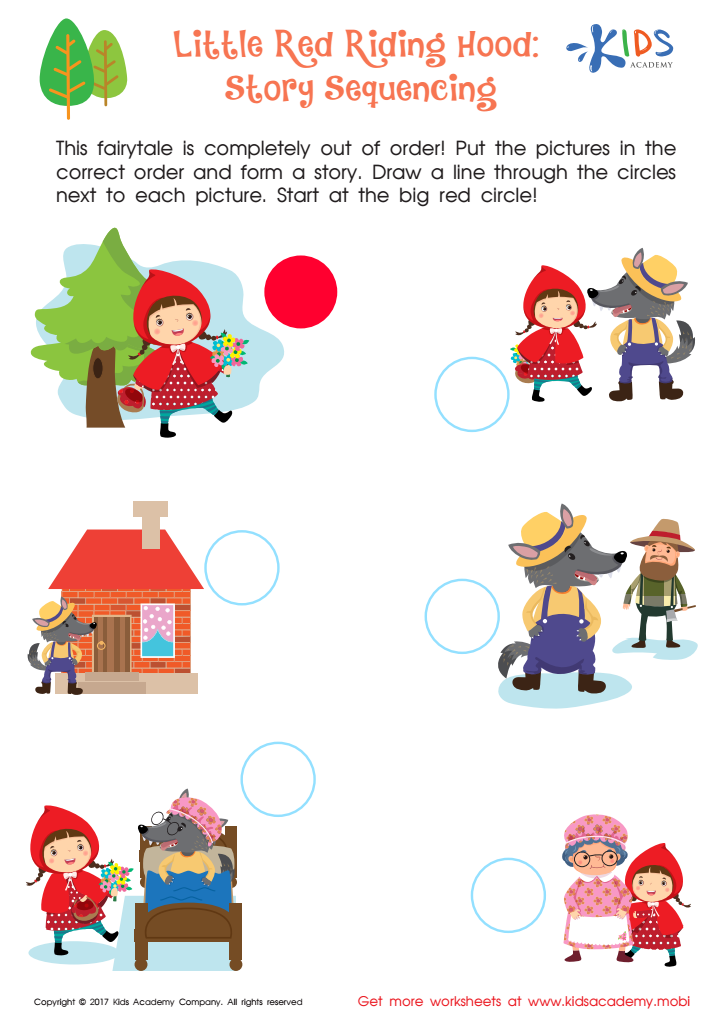
Story Sequencing Printable








Sequencing skills are vital for children aged 3 to 4 as they form the foundation for critical thinking and problem-solving abilities. At this stage, children begin to understand the order of events, which is essential for grasping concepts in everyday life, storytelling, and even basic math. By recognizing and using sequences, young learners can follow instructions more effectively, helping them develop independence and confidence.
For parents and teachers, fostering these skills enhances cognitive development and boosts literacy. When kids can anticipate what happens next in a story or arrange events logically, they build a framework for comprehension, which prepares them for future learning. Additionally, sequencing contributes to social skills. By understanding sequences in shared activities—like games or routines—children learn to collaborate and communicate, laying the groundwork for healthy relationships.
Furthermore, engaging children in sequencing activities, such as sorting objects or retelling stories, allows for interactive learning, making the process enjoyable and memorable. By prioritizing these skills, both parents and educators play a crucial role in setting up children for academic success and effective communication, ultimately supporting their overall development as lifelong learners.








