Counting skills Normal 2D Shapes Worksheets for Ages 3-4
4 filtered results
-
From - To
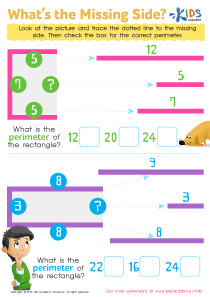
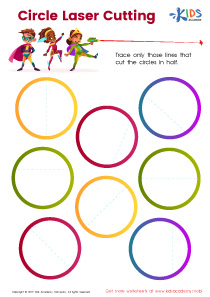
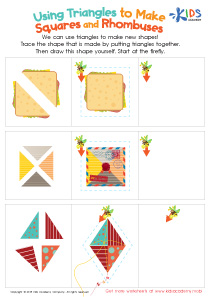
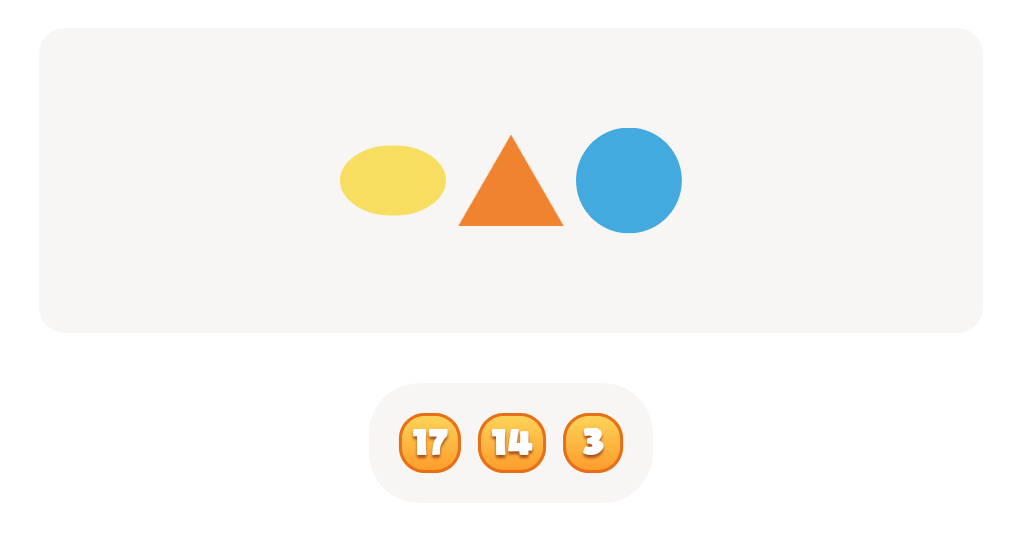
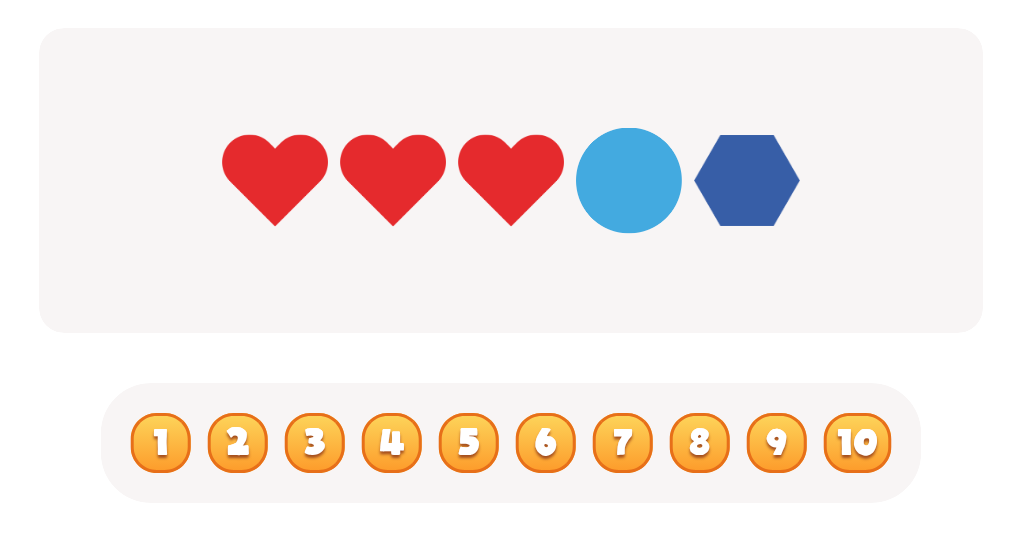
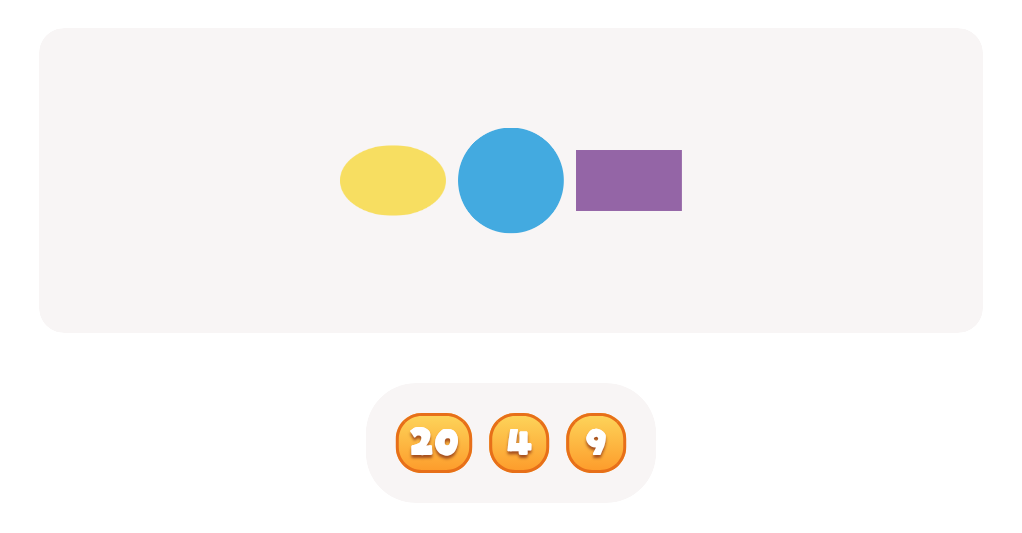
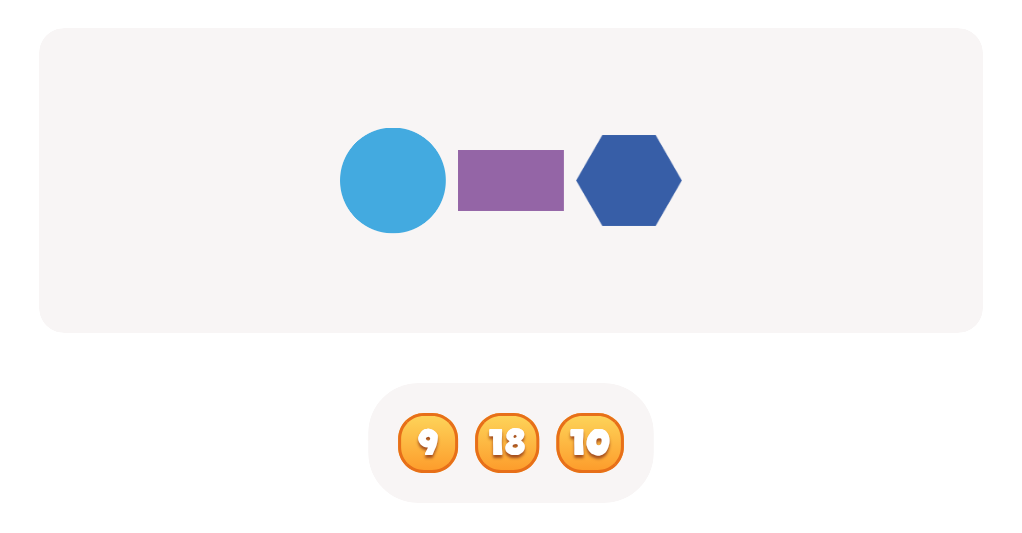
Discover our engaging "Counting Skills with Normal 2D Shapes Worksheets" designed specifically for children ages 3-4. These interactive worksheets introduce your little learners to basic counting while helping them recognize common 2D shapes such as circles, squares, and triangles. Each page is crafted to enhance both counting and shape identification skills through colorful visuals and fun activities. Ideal for preschool or kindergarten settings, our worksheets provide a captivating way for young children to develop early math concepts. Encourage your child's confidence in numbers and shapes with these thoughtfully designed activities that promote learning through play!
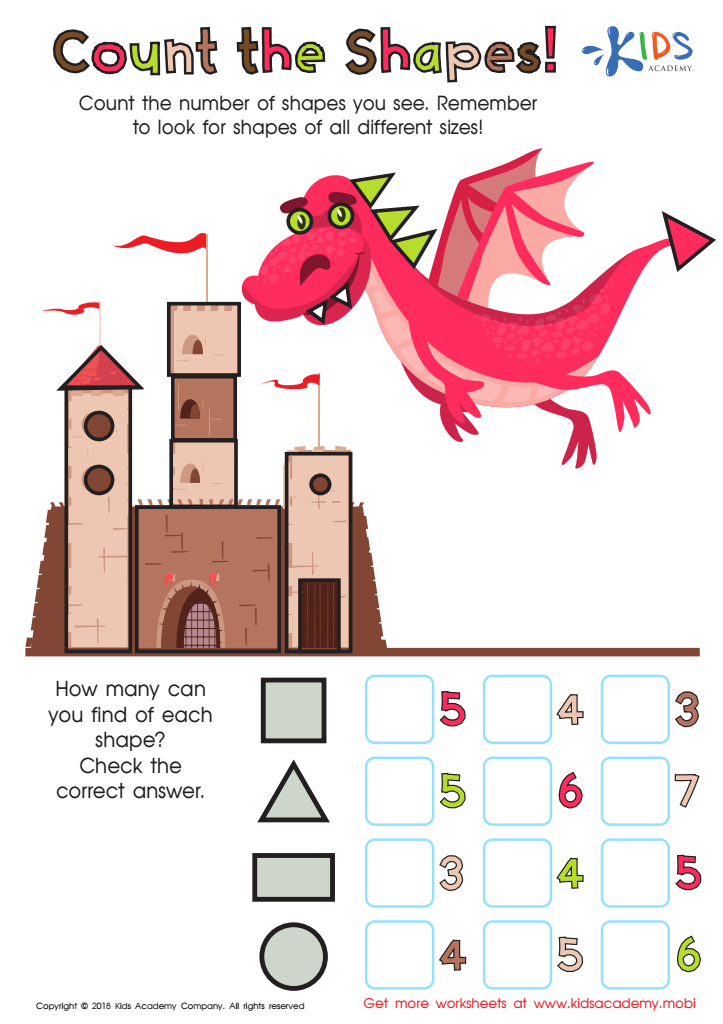
Count the Shapes Worksheet
 Assign to My Students



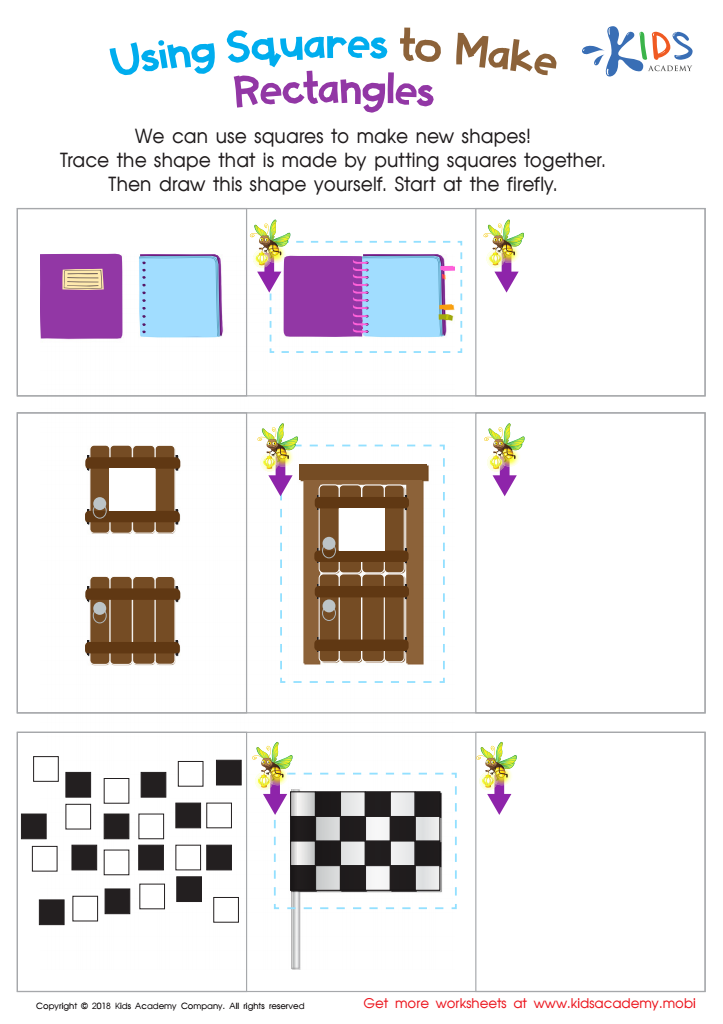
Using Squares to Make Rectangles Worksheet
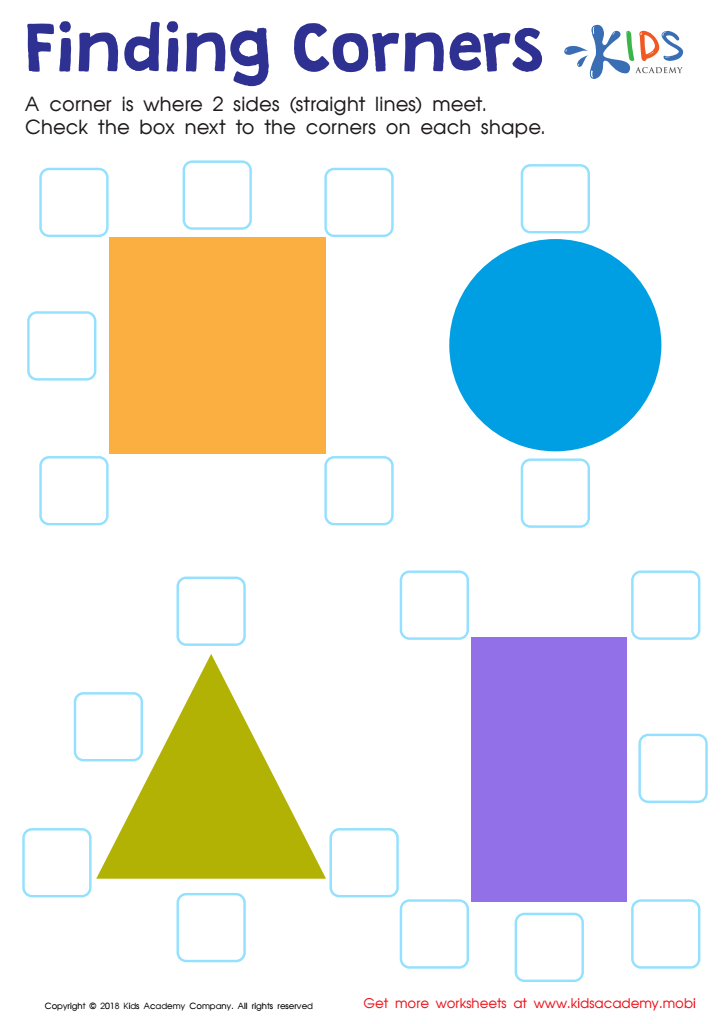
Finding Corners Worksheet
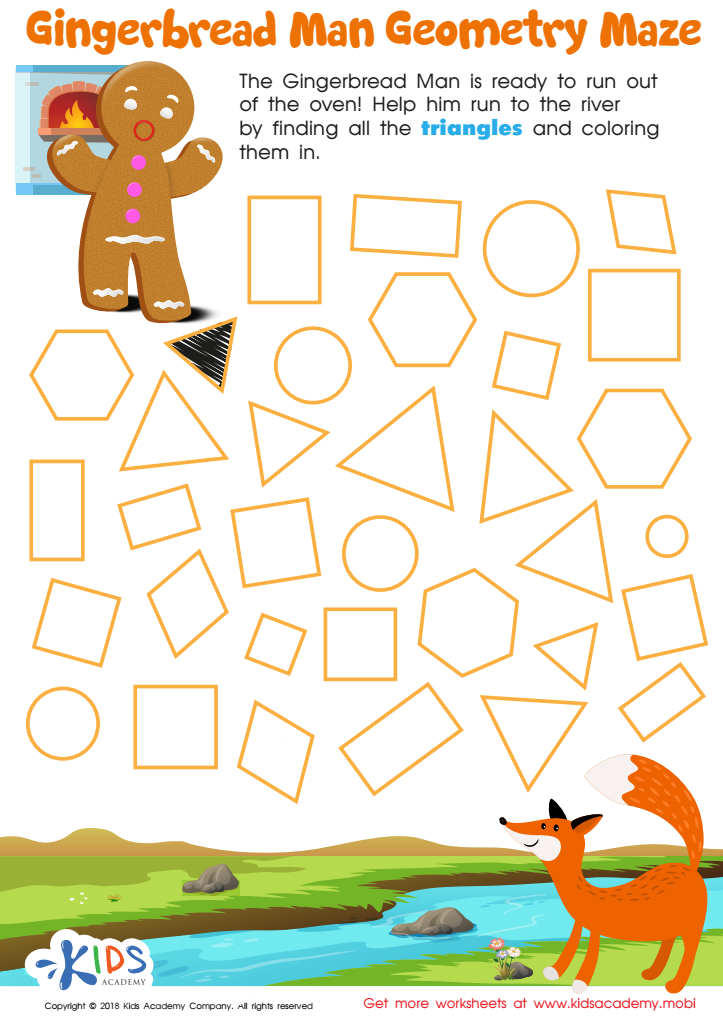
Gingerbread Man Geometry Maze Worksheet








Counting skills and an understanding of normal 2D shapes are foundational elements of early childhood education, particularly for ages 3-4. At this stage, children are developing critical cognitive skills, including mathematical reasoning and spatial awareness. By introducing counting and shape recognition, parents and teachers help lay the groundwork for more complex mathematical concepts later in life.
Counting fosters a child’s ability to quantify objects, which enhances their overall numerical literacy. This skill not only supports basic math but also helps children make sense of the world around them by allowing them to compare, sort, and analyze. Similarly, learning about 2D shapes—such as squares, circles, and triangles—encourages spatial understanding and creativity. Recognizing these shapes aids in visual discrimination, an essential skill in subjects such as art and geometry.
Moreover, engaging with counting and shapes during early childhood promotes social interaction. These activities often involve games and collaborative tasks, encouraging communication and teamwork among peers. As children master these fundamental skills, they build confidence, paving the way for future learning success. Thus, both parents and teachers play a crucial role in nurturing these essential developmental benchmarks.