Number Recognition Normal Addition and Subtraction Word Problems Worksheets for Ages 3-4
5 filtered results
-
From - To
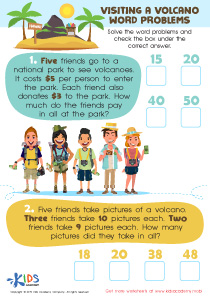
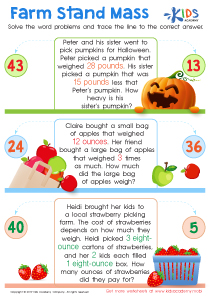
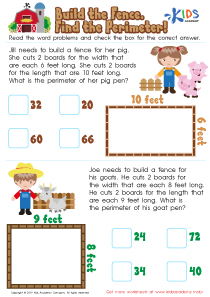
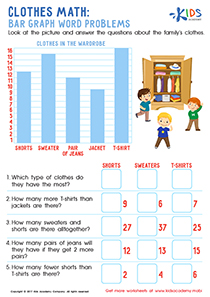
Discover engaging Number Recognition worksheets designed for children ages 3-4! Our collection focuses on normal addition and subtraction word problems that help young learners develop essential math skills. These interactive resources encourage kids to recognize numbers while solving simple word problems, promoting critical thinking and early arithmetic understanding. With colorful visuals and age-appropriate challenges, these worksheets will motivate your little ones to master essential concepts in a fun and playful way. Perfect for at-home learning or classroom activities, our worksheets help lay the groundwork for future math success while keeping young minds engaged and excited about learning!
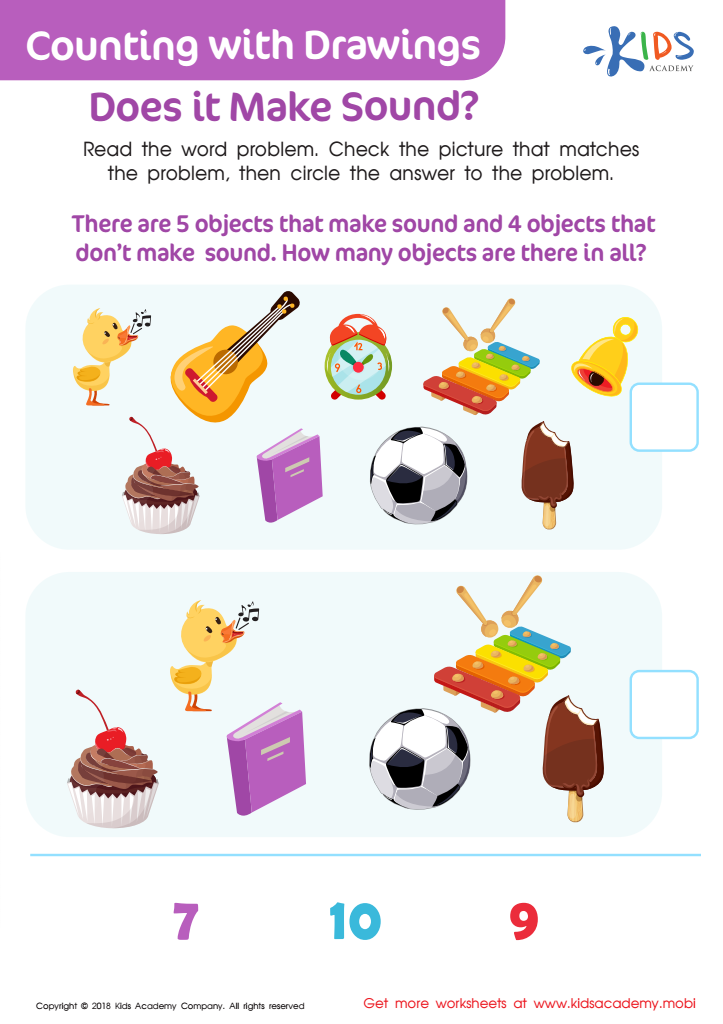
Counting With Drawings. Does It Make Sound? Worksheet
 Assign to My Students
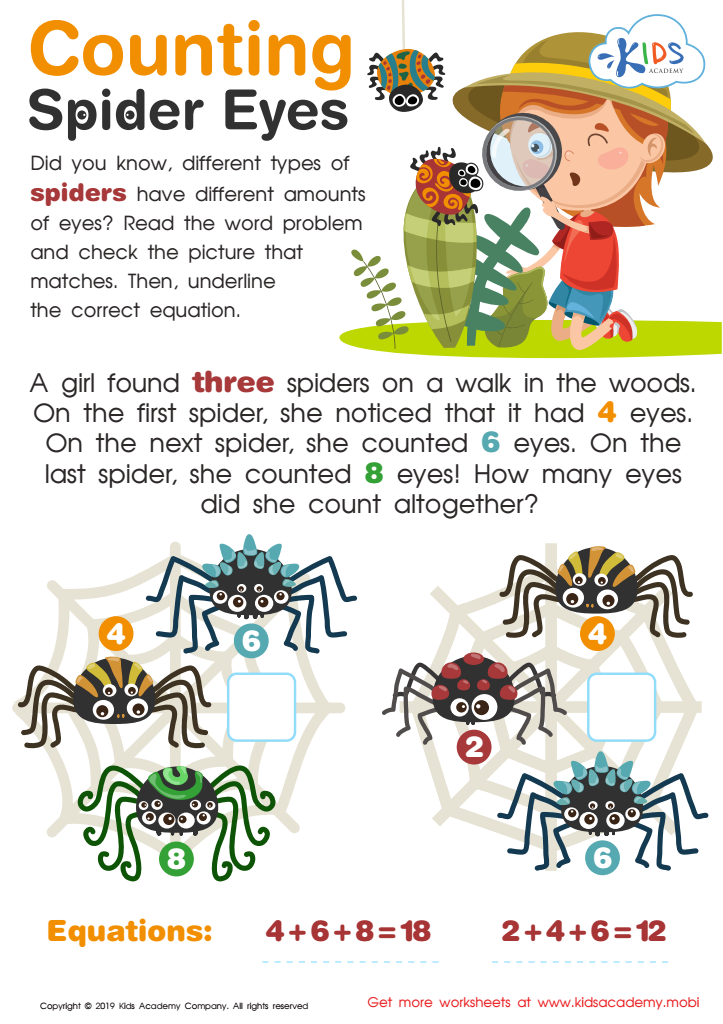
Counting Spider Eyes Worksheet
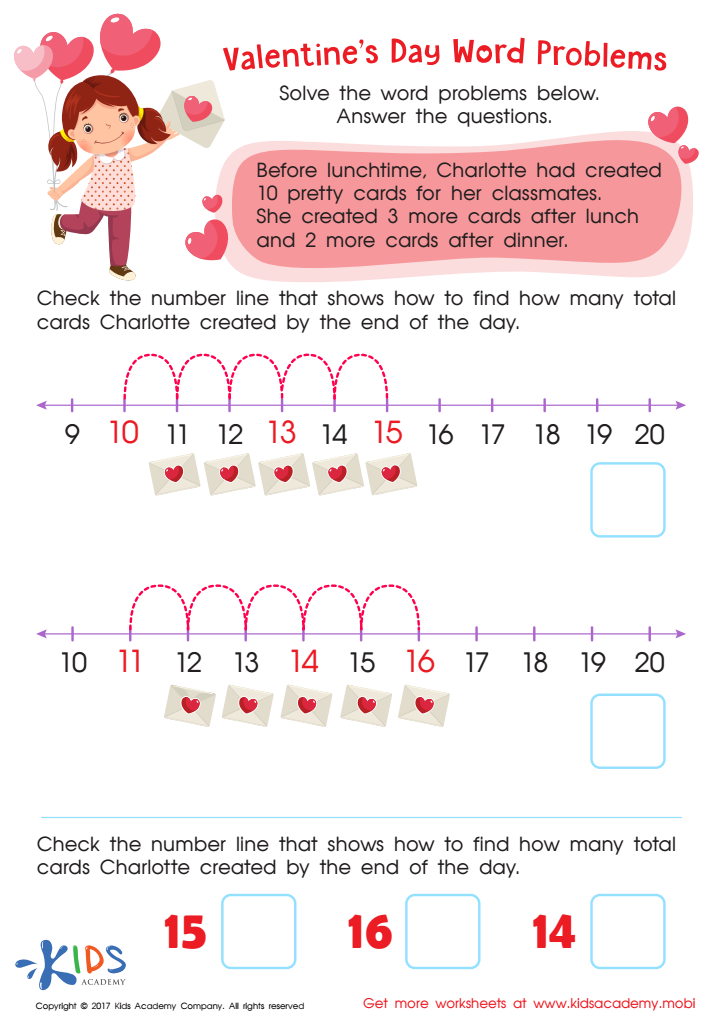
Valentines Day Word Problem Worksheet
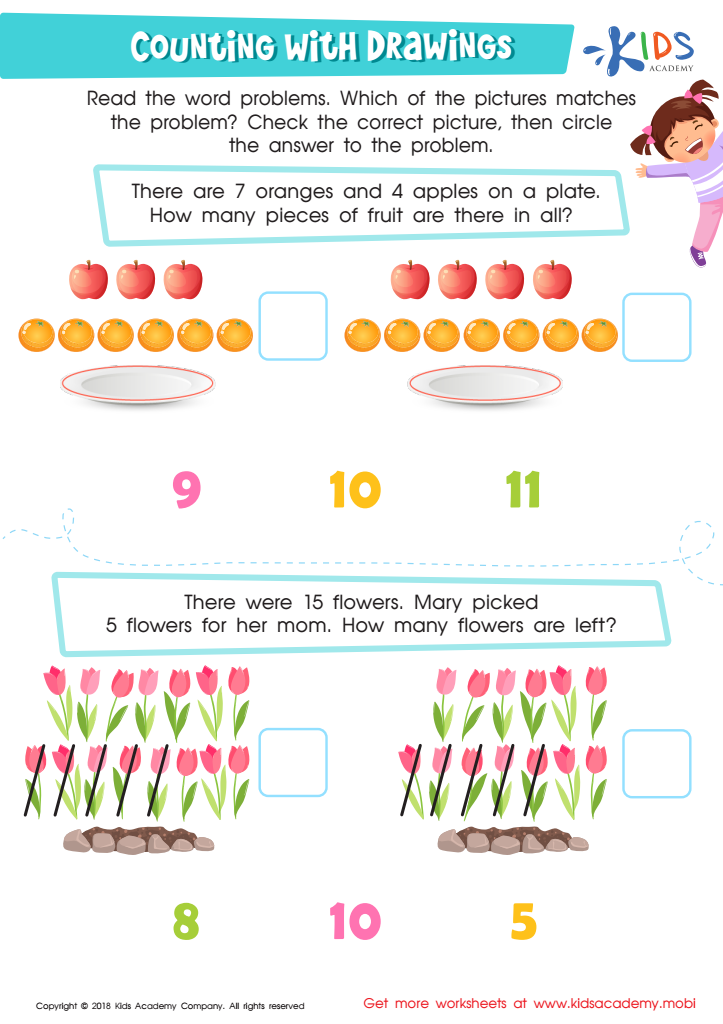
Counting with Drawings: Fruits & Chocolates Worksheet
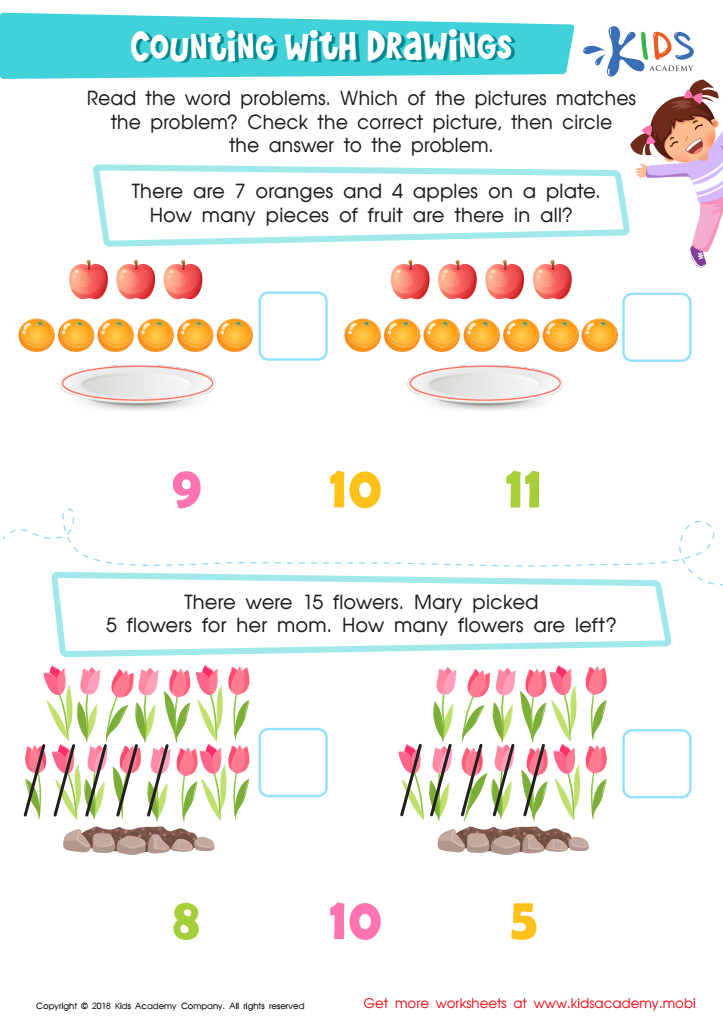
Counting with Drawings:Fruits & Flowers Worksheet








During ages 3-4, children are in a critical stage of cognitive development, and early exposure to number recognition, basic addition, and subtraction through word problems can significantly enhance their foundational math skills. These skills serve as building blocks for later mathematical understanding and proficiency. When parents and teachers prioritize number recognition, children learn to identify and understand numbers, which is essential for future math success.
Incorporating normal addition and subtraction word problems helps children connect mathematical concepts to real-life scenarios, fostering critical thinking and problem-solving skills. It encourages them to verbalize their thought processes, strengthening their language abilities and improving comprehension. Understanding simple math concepts in this engaging context can help boost children’s confidence and enjoyment in learning.
Moreover, math literacy from an early age aligns with cognitive and social development, promoting a growth mindset as children discover they can learn and solve problems. This early groundwork can influence their attitudes towards math throughout their educational journey, reducing anxiety and aversion to the subject. By focusing on these topics, parents and teachers play a pivotal role in nurturing a generation of confident learners prepared for future academic challenges and everyday life situations.