Handwriting practice Normal Numbers 0–10 Worksheets for Ages 3-4
3 filtered results
-
From - To
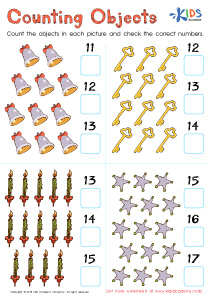
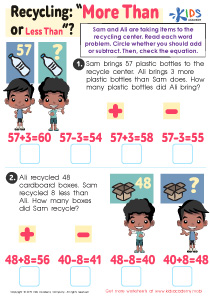
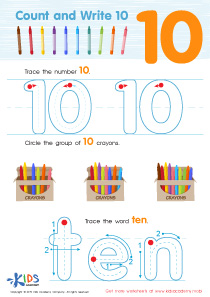
Introducing our delightful "Handwriting Practice Normal Numbers 0–10 Worksheets" designed specifically for children aged 3-4! These engaging worksheets offer a fun and effective way for your little ones to develop essential handwriting skills while learning to write numbers correctly. With colorful and interactive templates, children will practice tracing and independently writing numbers from 0 to 10. This resource fosters fine motor skills and number recognition, providing a strong foundation for early math learning. Ideal for preschool education or home use, these worksheets ensure a positive and enjoyable learning experience. Equip your child with the skills they need for future success!
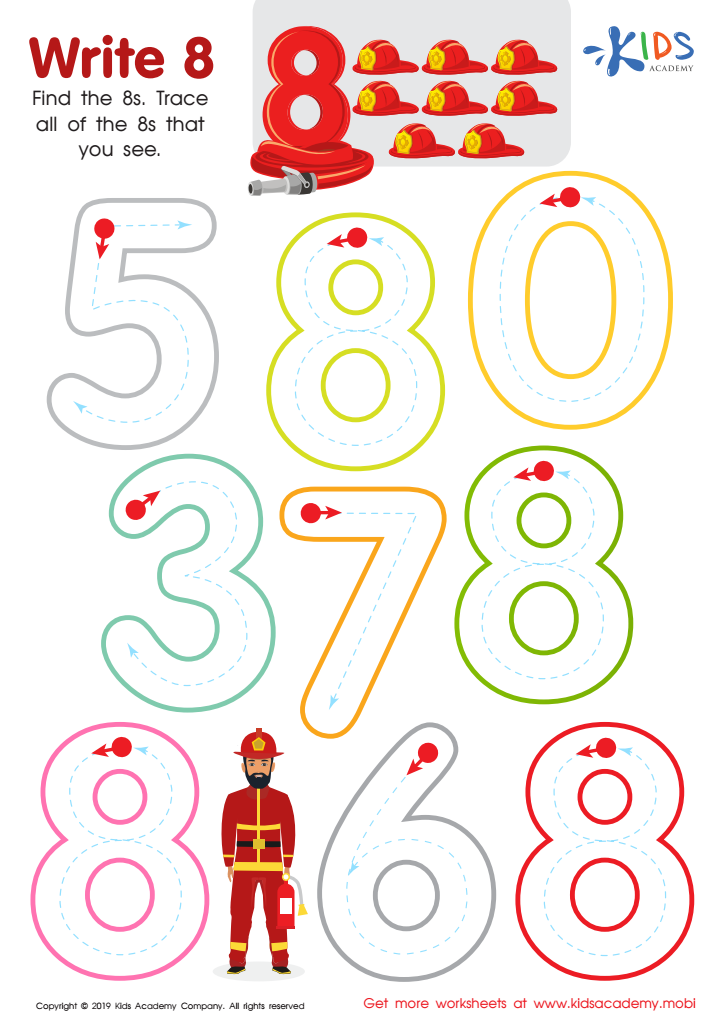
Write 8 Worksheet
 Assign to My Students
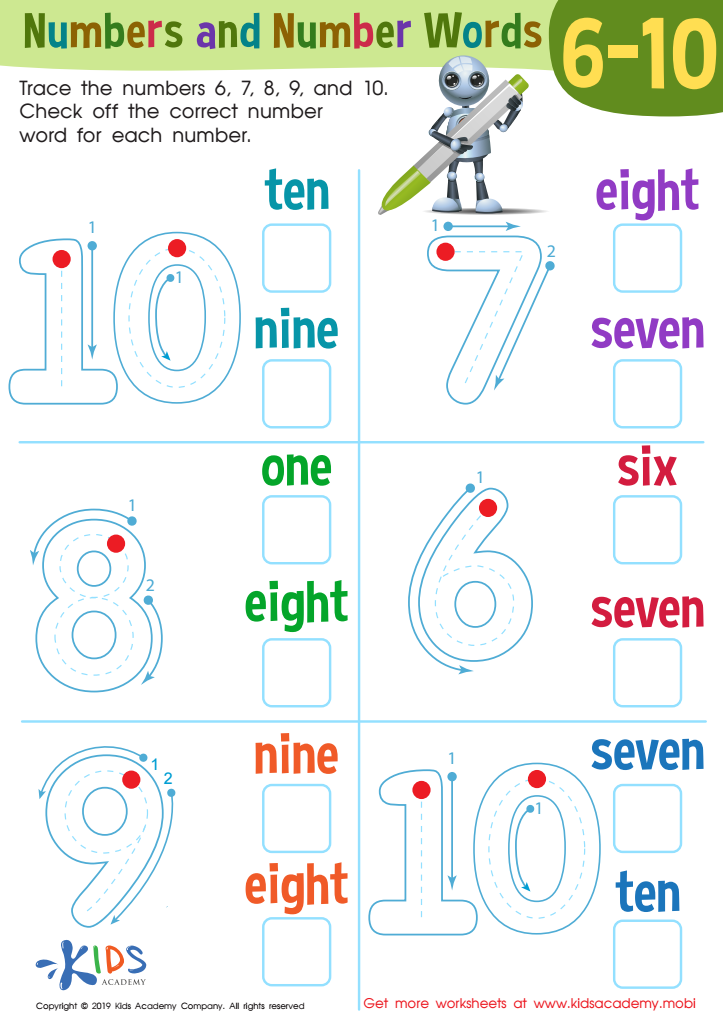
Numbers and Number Words 6–1 Worksheet
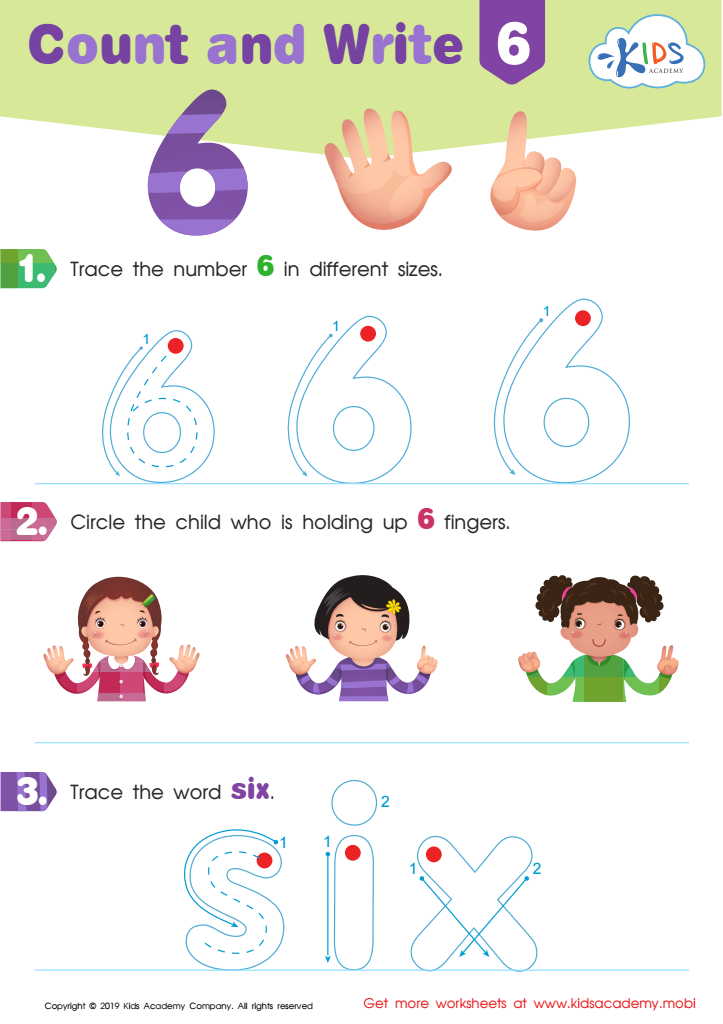
Count and Write 6 Worksheet








Handwriting practice, particularly focusing on normal numbers 0–10 for ages 3-4, plays a crucial role in establishing foundational skills that benefit young learners in multiple ways. First and foremost, it aids in fine motor skill development. When children practice writing numbers, they engage small muscle groups in their hands, promoting dexterity and coordination, which are essential for tasks like holding scissors or typing later in life.
Additionally, familiarity with numbers through handwriting helps children's cognitive development. By physically forming numbers, kids reinforce their understanding of numerical concepts, which supports early math comprehension. Recognizing and writing basic numbers is also an early step in developing confidence in math, making future learning experiences more positive and less intimidating.
Moreover, handwriting practice cultivates focus and discipline. Seated at a desk with paper and pencil encourages children to develop a habit of concentration, which is beneficial in classroom settings. It provides a structured activity that fosters a sense of accomplishment and enhances self-esteem when they successfully master number formation.
Ultimately, prioritizing handwriting practice for numbers 0-10 serves as a foundation for academic success, advancements in various skills, and instills a sense of responsibility and pride in one's work. Parents and teachers should consider these multidimensional benefits to better support young learners.