Logical Reasoning Normal Building Vocabulary Worksheets for Ages 3-4
3 filtered results
-
From - To
Introduce your young learner to the world of logical reasoning with our exciting and educational vocabulary worksheets designed for ages 3-4. These printable worksheets from Kids Academy focus on building crucial reading and comprehension skills in a fun, engaging way. Each activity encourages children to think critically, make connections, and expand their vocabularies. Perfect for early learners, these worksheets help foster a love for learning and a curiosity for words while supporting critical early literacy development. Enhance your child's cognitive abilities and set the foundation for academic success with our expertly crafted resources. Ideal for home or classroom use!
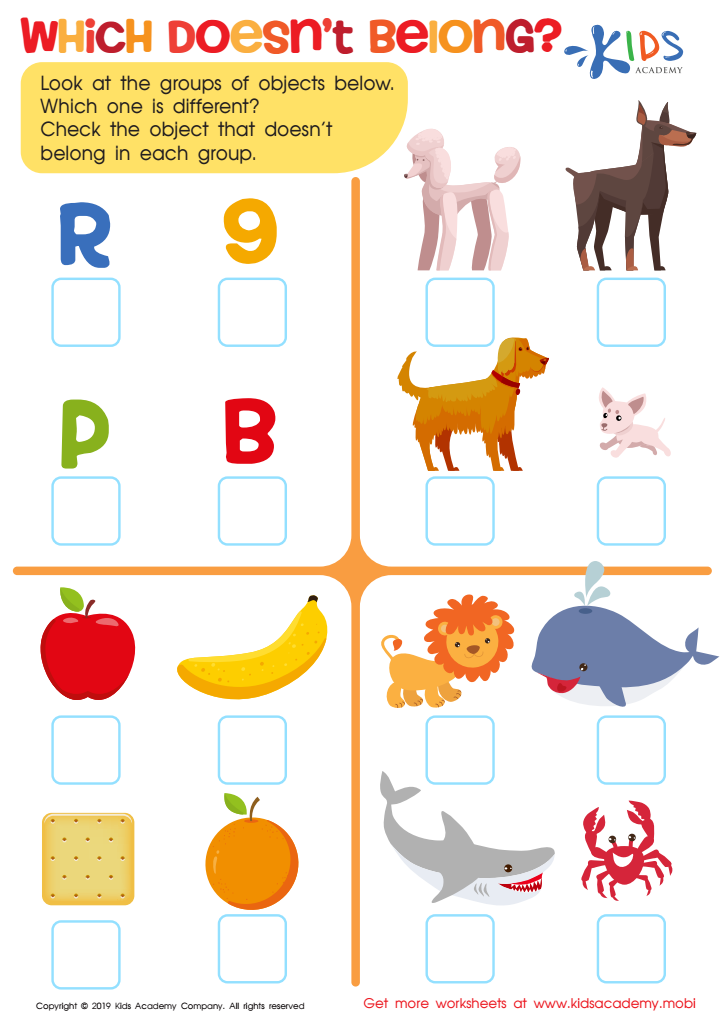
Which Doesn't Belong? Worksheet
 Assign to My Students











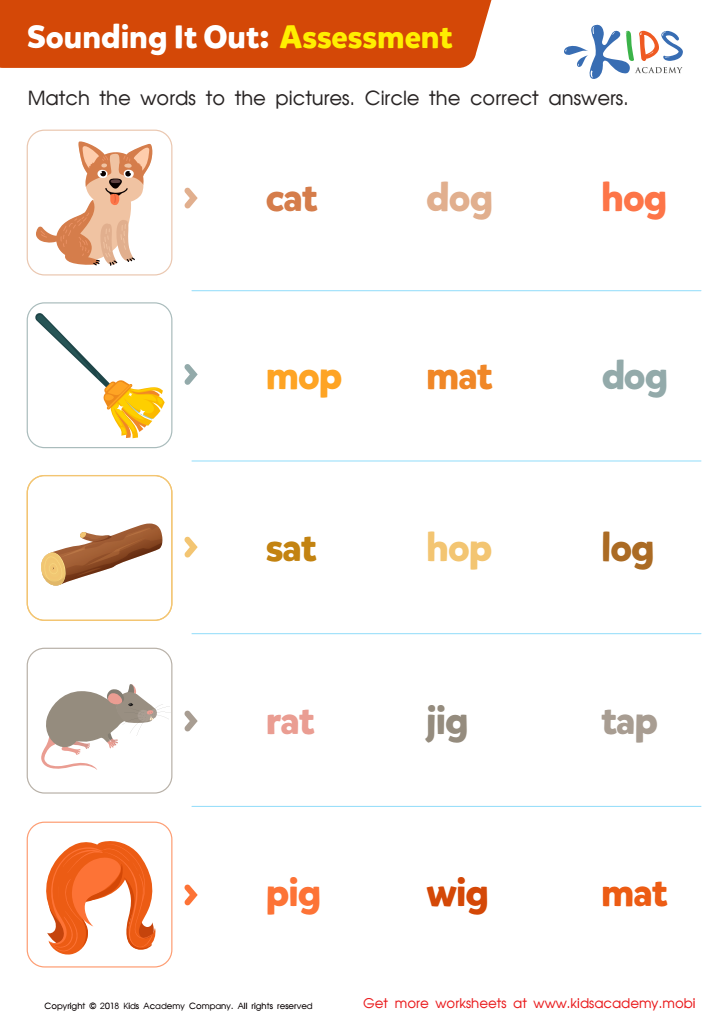
Sounding it Out: Assessment Worksheet
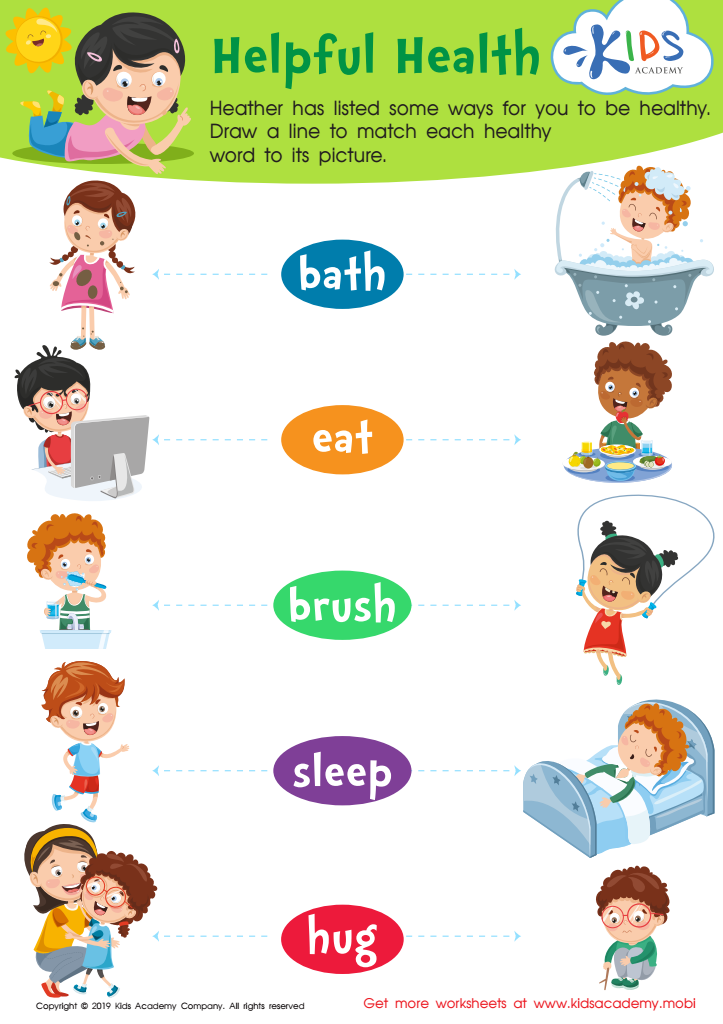
Helpful Health Worksheet








Logical reasoning and vocabulary development are cornerstones of early childhood education, especially for children ages 3-4. During this critical period of brain development, young minds are highly receptive to learning new concepts and language skills. Building logical reasoning abilities at this age fosters problem-solving skills, which are foundational for academic success and everyday decision-making. Simple activities like matching, sorting, and pattern recognition can nurture these skills, helping children understand the world around them more clearly.
Simultaneously, a strong vocabulary is essential for effective communication. As children learn new words, they not only expand their ability to express themselves but also improve their listening comprehension. This dual benefit paves the way for successful interpersonal interactions and better understanding of instructions, stories, and concepts as they grow.
Parents and teachers play a vital role by creating an enriching environment filled with opportunities for conversation, reading, and exploratory play. Encouraging curiosity and providing age-appropriate challenges can draw out a child's natural intellectual growth. Investing in the development of both logical reasoning and vocabulary at an early age sets a robust foundation for future learning, laying the groundwork for academic excellence and well-rounded personal development.








