Problem-Solving Skills Normal Building Vocabulary Worksheets for Ages 3-4
4 filtered results
-
From - To
Our "Problem-Solving Skills Normal Building Vocabulary Worksheets for Ages 3-4" are designed to enhance early childhood language and critical thinking abilities. These engaging, age-appropriate worksheets focus on expanding vocabulary while developing important problem-solving skills. Through fun, interactive activities, children will learn to identify and use new words in context, fostering both cognitive and linguistic growth. Ideal for preschool and kindergarten preparation, these worksheets support a strong foundation in language arts, encouraging curiosity and confidence in young learners. Perfect for parents and educators aiming to kickstart their children's educational journey with foundational problem-solving and vocabulary skills.
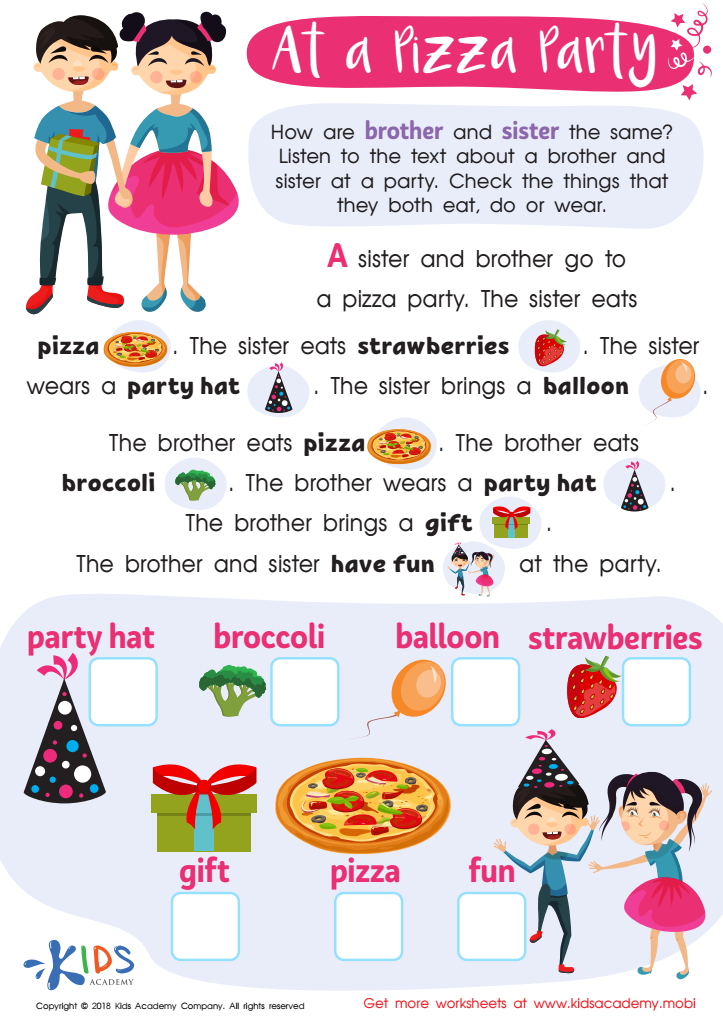
At a Pizza Party Worksheet
 Assign to My Students











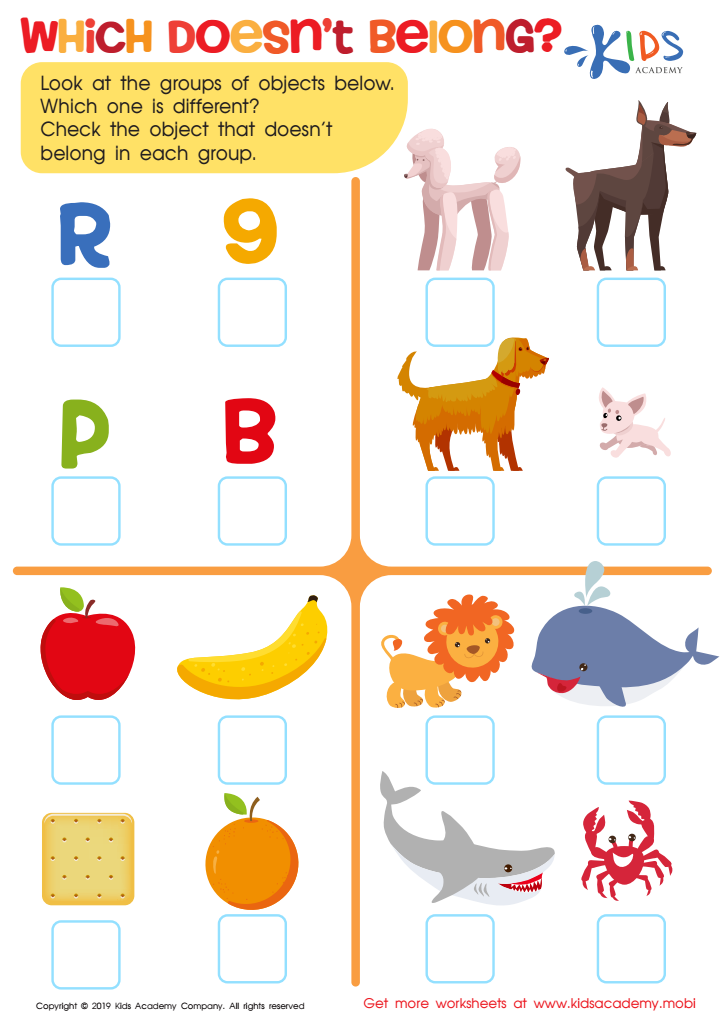
Which Doesn't Belong? Worksheet
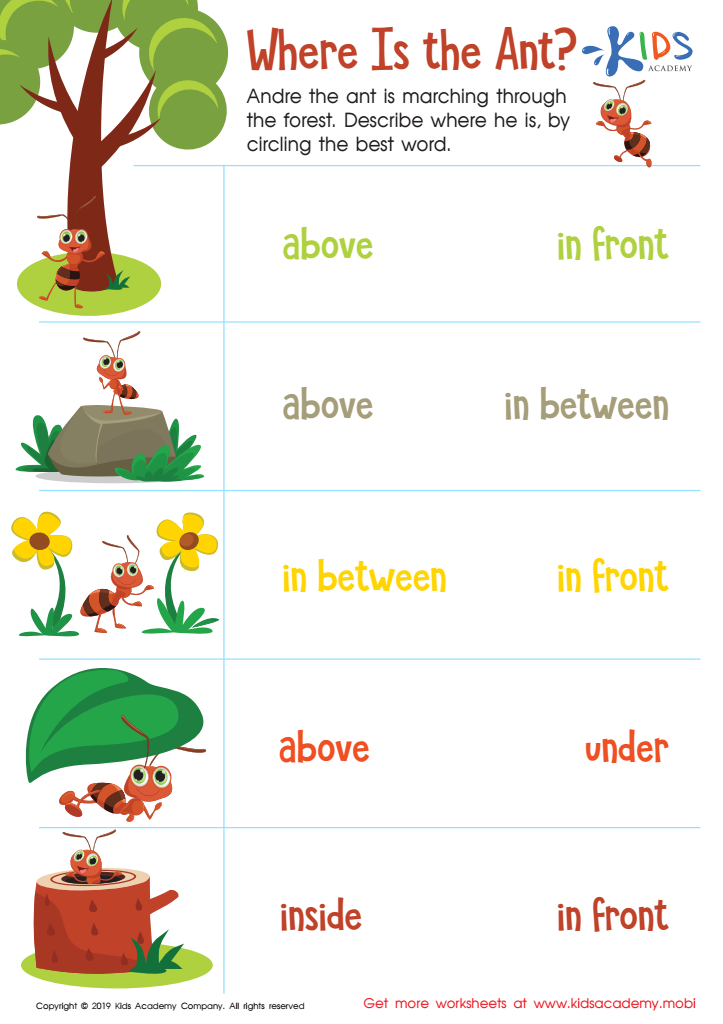
Where Is the Ant? Worksheet
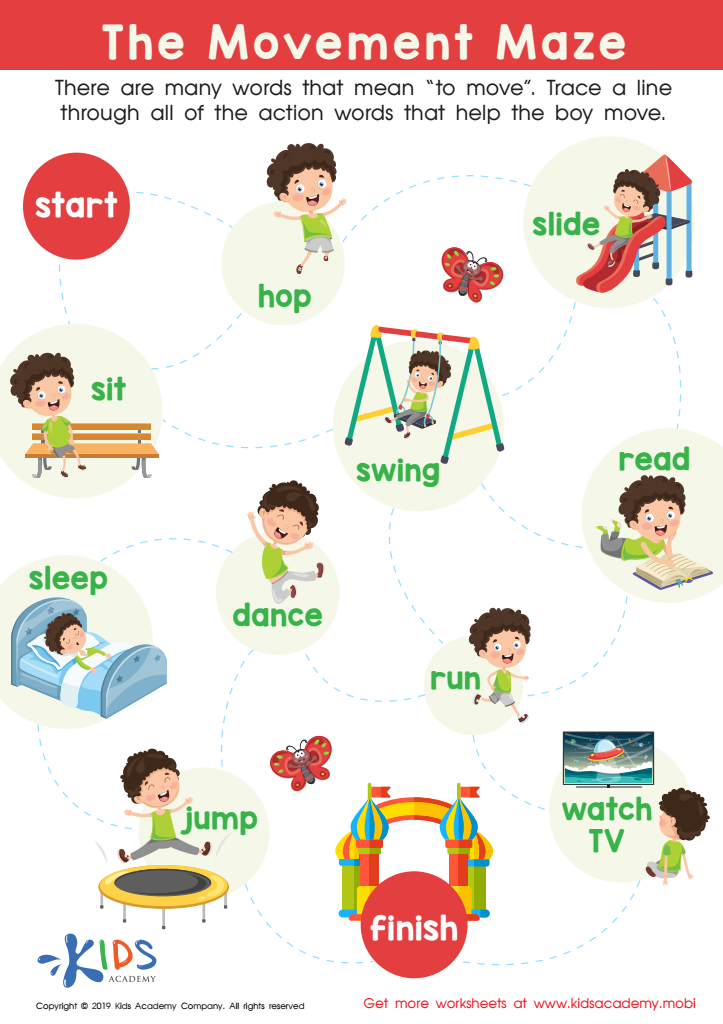
The Movement Maze Worksheet








Caring about problem-solving skills and building vocabulary in young children is fundamental for their cognitive and social development. During the crucial ages of 3-4, children's brains are highly malleable, making it an optimal period for learning and growth. Parents and teachers play a key role in nurturing these skills through everyday interactions, games, and guided activities.
Problem-solving skills help children learn how to navigate challenges, paving the way for critical thinking and independence. When children are encouraged to find solutions on their own, they develop confidence and resilience. Simple problem-solving tasks, like sorting shapes or resolving conflicts with friends, can foster these essential life skills.
Meanwhile, a rich vocabulary is crucial for effective communication. Early language development lays the foundation for reading and writing skills, impacting future academic achievement. By regularly introducing new words in conversations, stories, or songs, adults can significantly expand a child's vocabulary.
Integrating vocabulary building and problem-solving in daily routines can be fun and engaging. For example, discussing the words children encounter in a story can prompt them to think about the storyline and characters, thereby enhancing their problem-solving abilities as well. Together, these skills enrich a child's overall development and set the stage for lifelong learning.








