Sight word recognition Normal Building Vocabulary Worksheets for Ages 3-4
3 filtered results
-
From - To
Discover engaging sight word recognition worksheets designed specifically for children aged 3-4. Our educational resources help young learners build essential vocabulary skills through playful activities and interactive learning. These worksheets introduce common sight words, enhancing recognition and reading fluency. Each activity is crafted to nurture children's language development while keeping them entertained. Parents and educators can easily download and print these fun exercises, making learning accessible at home or in the classroom. Foster a love for reading early on and set the foundation for academic success with our Normal Building Vocabulary Worksheets focused on sight word recognition!
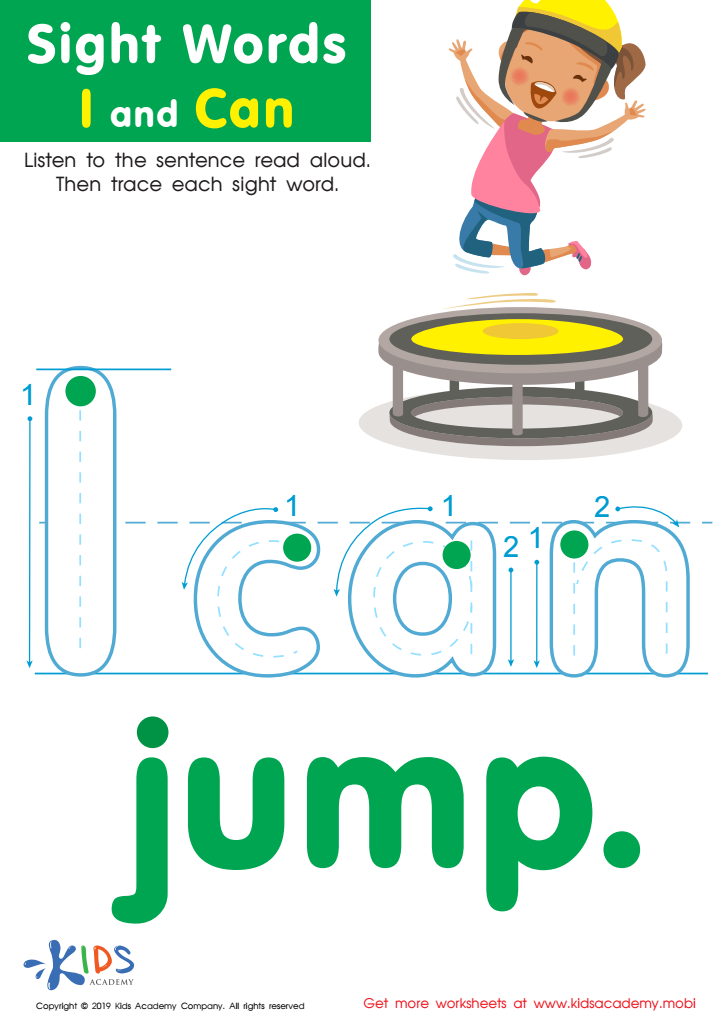
Sight Words I Can Worksheet
 Assign to My Students











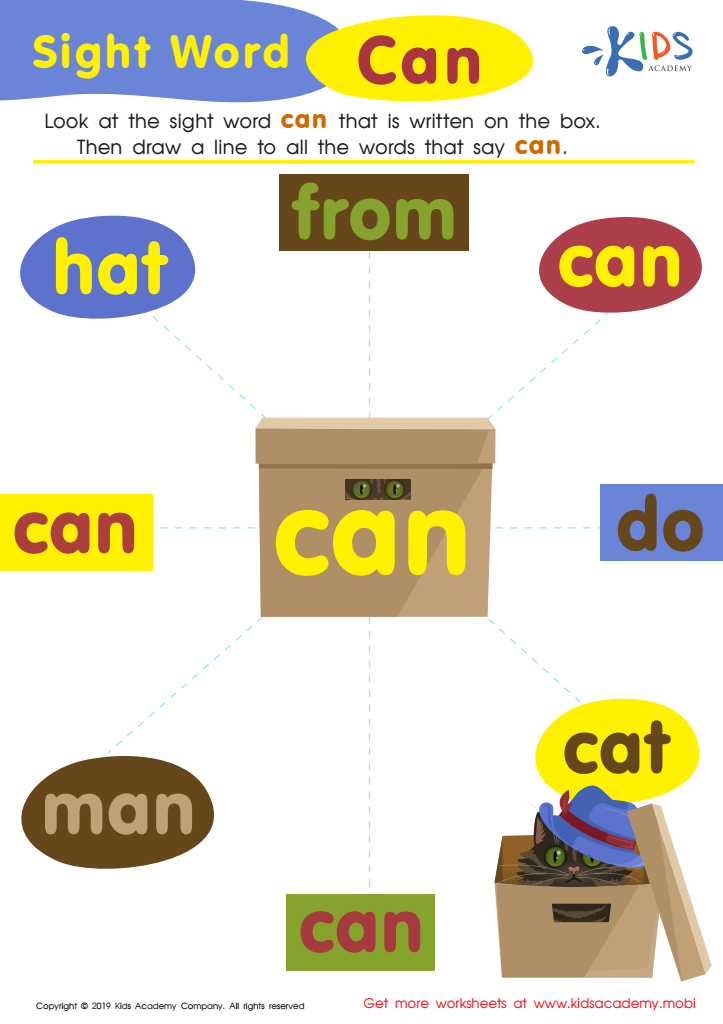
Sight Word Can Worksheet
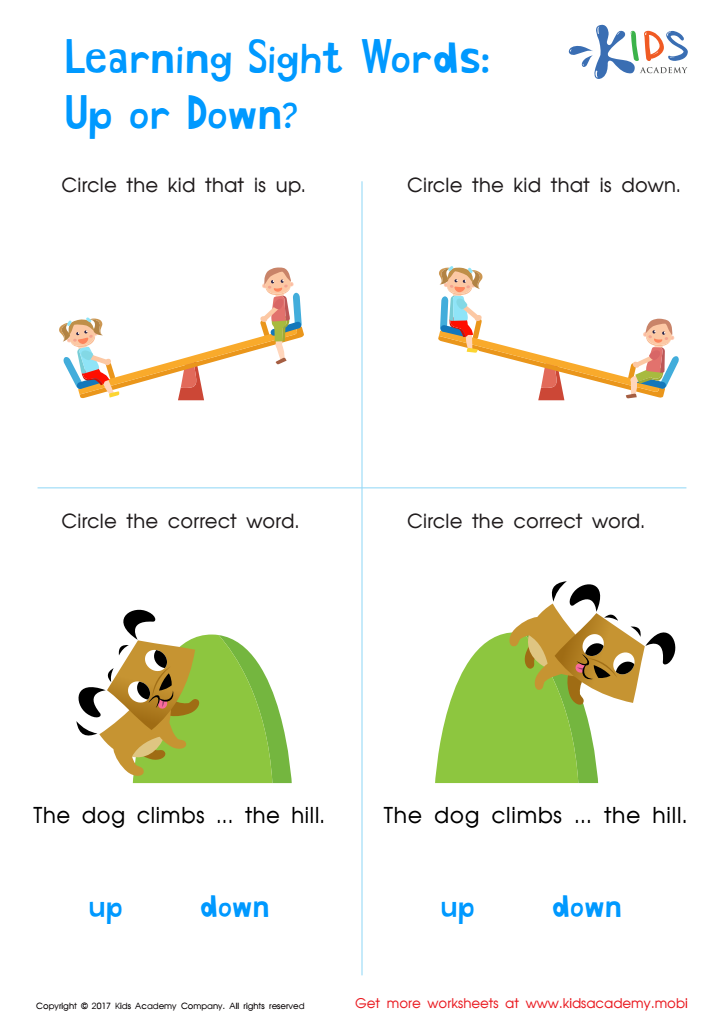
Up or Down Printable Sight Words Worksheet







.jpg)
Sight word recognition and vocabulary building are crucial for children aged 3-4, forming the foundation of early literacy skills. During this critical development stage, children are rapidly absorbing language and starting to make connections between sounds and letters. Sight words — common words that appear frequently in texts — help children read fluently and with confidence. When children recognize these words by sight, they can focus their cognitive energy on comprehension rather than decoding unfamiliar words.
For parents and teachers, fostering a robust vocabulary during these early years cultivates curiosity and a love for reading. A rich vocabulary helps children express their thoughts and feelings effectively, aids in their ability to follow instructions, and enhances their communication skills with peers and adults. Engaging in activities that promote word recognition, such as reading together, playing word games, and using flashcards, also encourages a joyful learning atmosphere.
Investing time in sight word recognition and vocabulary development can set the stage for successful reading habits, leading to improved academic performance in the future. When children feel capable and enthusiastic about reading, it lays the groundwork for lifelong learning and cognitive growth, making it essential for both parents and educators to prioritize.








