
Word Recognition Normal Reading Worksheets for Ages 3-4
4 filtered results
Difficulty Level
Grade
Age
-
From - To
Subject
Activity
Standards
Discover our engaging Word Recognition Normal Reading Worksheets, designed specifically for children ages 3-4! Perfect for early learners, these worksheets provide a fun and interactive way to build essential reading skills. With a focus on word recognition, kids will enjoy identifying and matching familiar words through vibrant illustrations and enjoyable activities. These worksheets promote literacy development while enhancing vocabulary and critical thinking skills. Easily printable, they're perfect for home or classroom use. Foster a love for reading early on with our comprehensive resources, helping your child gain the confidence needed for future academic success. Start their reading journey with us today!
Favorites
With answer key
Interactive
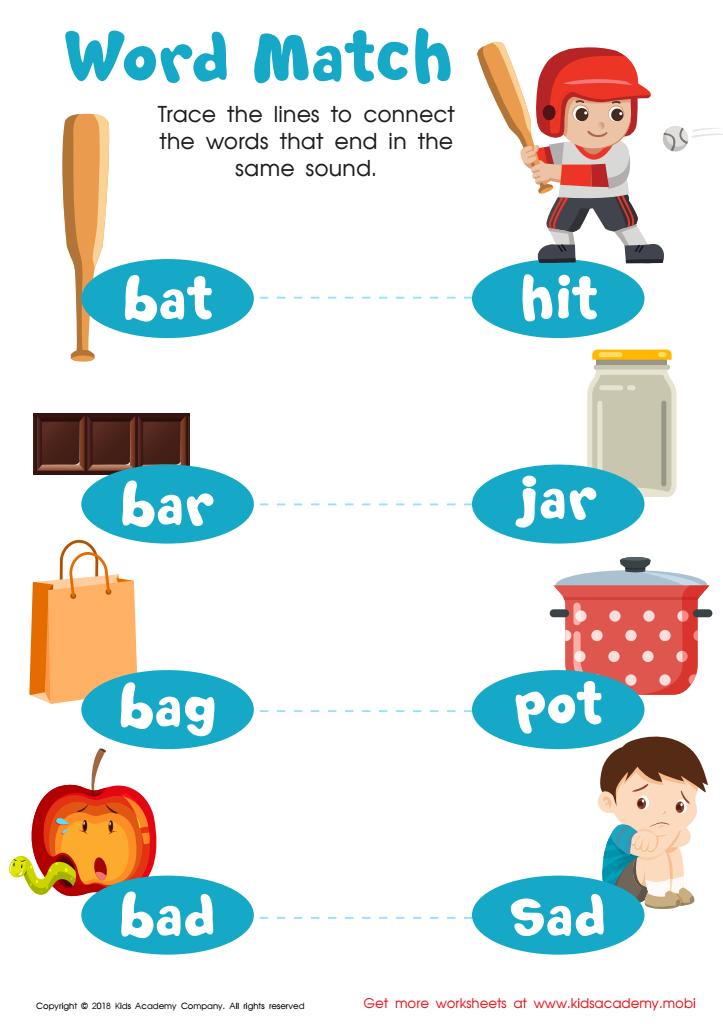
Word Match Reading Worksheet
This printout helps children learn to read fluently by connecting words with the same sound. Colorful pictures aid understanding and context for kindergarten-level students. Tracing lines, they learn to identify the sounds made by letters of the alphabet and deepen their knowledge of phonics.
 Assign to My Students
Word Match Reading Worksheet
Worksheet
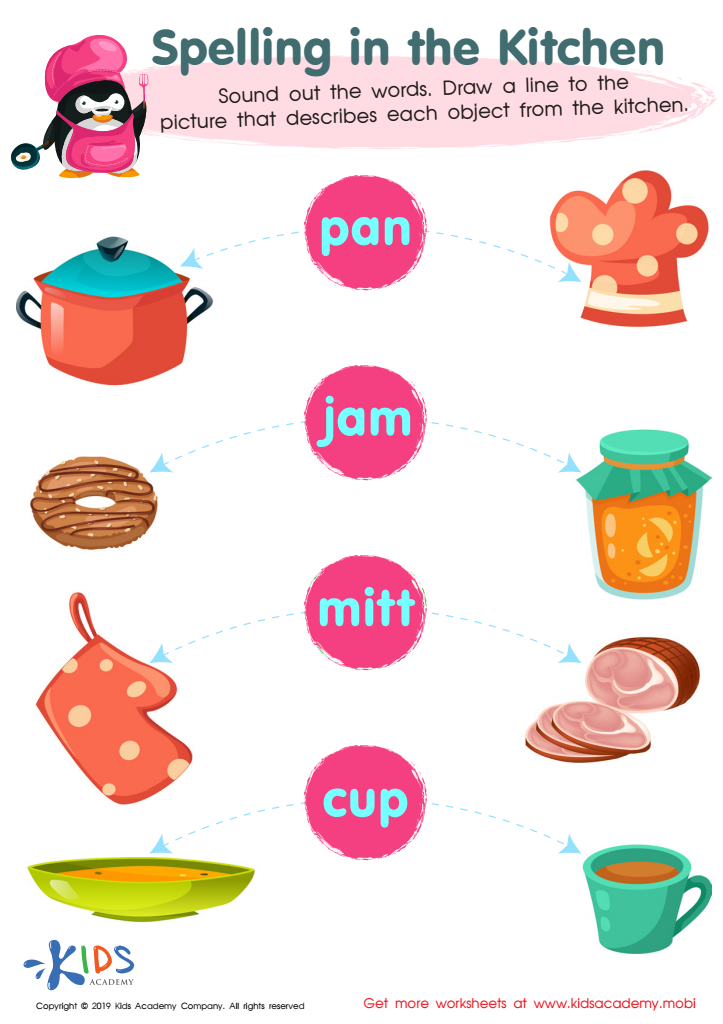
Spelling in the Kitchen Worksheet
Your little ones can learn a lot if they help in the kitchen. Get them to identify and say the name of each item in the picture in this worksheet. Sound out the words for them and help draw a line to the right picture. It's a great way for them to learn about kitchen items!
Spelling in the Kitchen Worksheet
Worksheet
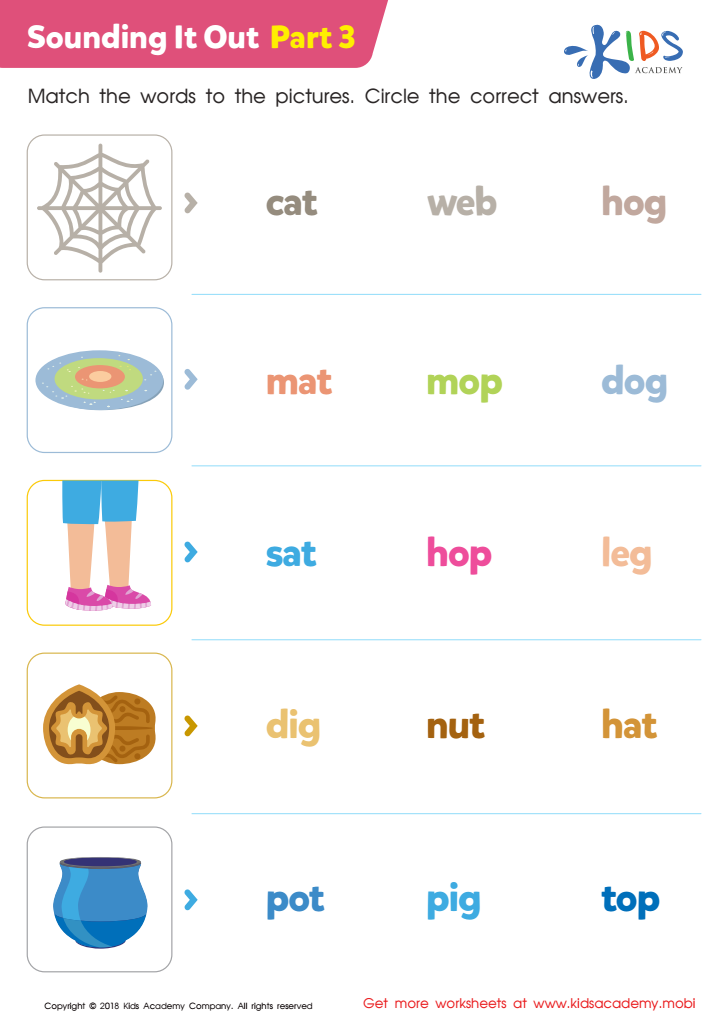
Sounding it Out: Part 3 Worksheet
Once Parts 1 and 2 are complete, this printable phonics worksheet will help kids take their reading skills to the next level! As they gain confidence, give them hints less often and direct their attention to three words in a row. Ask them to read and circle the correct word to complete!
Sounding it Out: Part 3 Worksheet
Worksheet
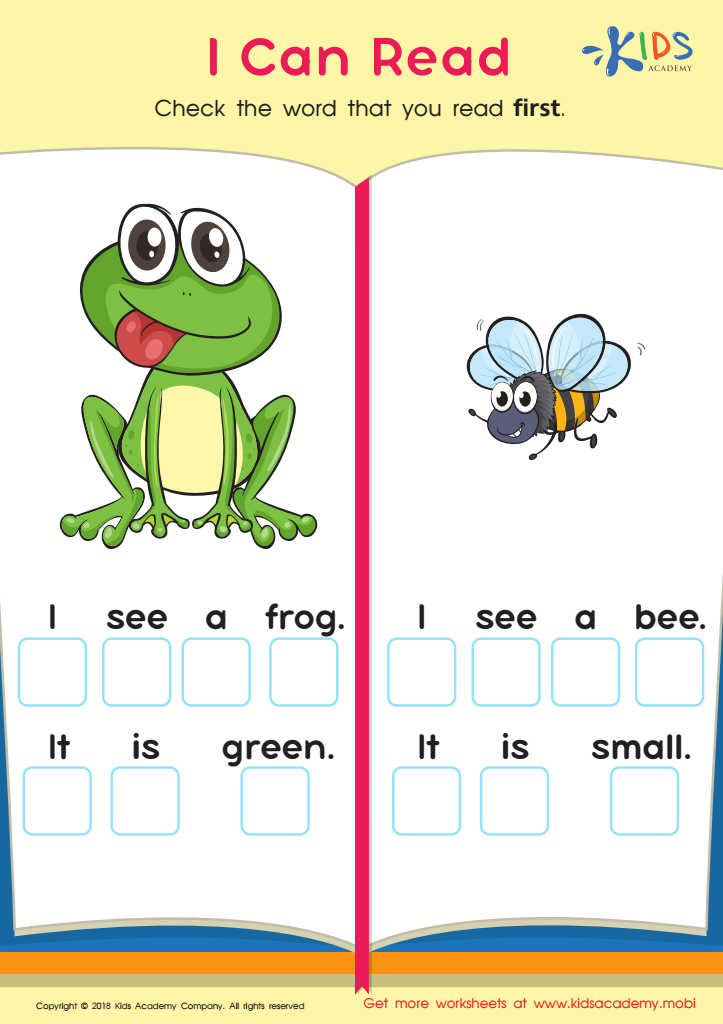
I Can Read Worksheet
Test your child's reading skills with this fun worksheet. See how well they know one-letter, two-letter, and five-letter words. Ask your little one to read the sentences and tick the word they identify first. It's a great way to track their progress and help them become more confident readers.
I Can Read Worksheet
Worksheet
Join Kids Academy for Free
Who is primarily going to use this learning content?



.jpg)



Word recognition is a crucial foundation for early literacy development in children ages 3-4. At this stage, children begin to develop the ability to recognize familiar words and connect them to meanings, which is essential for reading proficiency. Parents and teachers should care about this because early word recognition fosters vocabulary growth, enhances comprehension skills, and builds confidence in young learners.
By nurturing word recognition skills, adults can help children make connections between spoken and written language. Engaging activities like reading aloud, playing word games, and using flashcards can make learning enjoyable and effective. Additionally, recognizing words can significantly boost a child's phonemic awareness, setting the stage for successful reading and writing experiences in the future.
Late introduces the risks of falling behind in literacy, which can impact academic achievement. By supporting word recognition in preschool years, parents and teachers can create a solid literacy foundation, making it easier for children to transition into more complex reading tasks as they grow. Ultimately, fostering a love for reading in early childhood instills lifelong learning habits, ensuring children are better prepared for future educational challenges. Investing in word recognition now enriches children's future learning experiences and emotional well-being.








