Understanding context Normal Reading Fiction Worksheets for Ages 3-4
3 filtered results
-
From - To
Explore our "Understanding Context Normal Reading Fiction Worksheets" designed for children ages 3-4. These engaging resources will help young learners enhance their reading skills by focusing on the role of context in understanding stories. Each worksheet features age-appropriate illustrations and interactive activities that promote critical thinking, vocabulary development, and narrative comprehension. As children read through familiar fiction narratives, they will practice identifying clues in text and illustrations to infer meaning and gain a deeper understanding of the material. Perfect for early learners, these worksheets foster a love for reading while building essential literacy skills. Start your journey today!
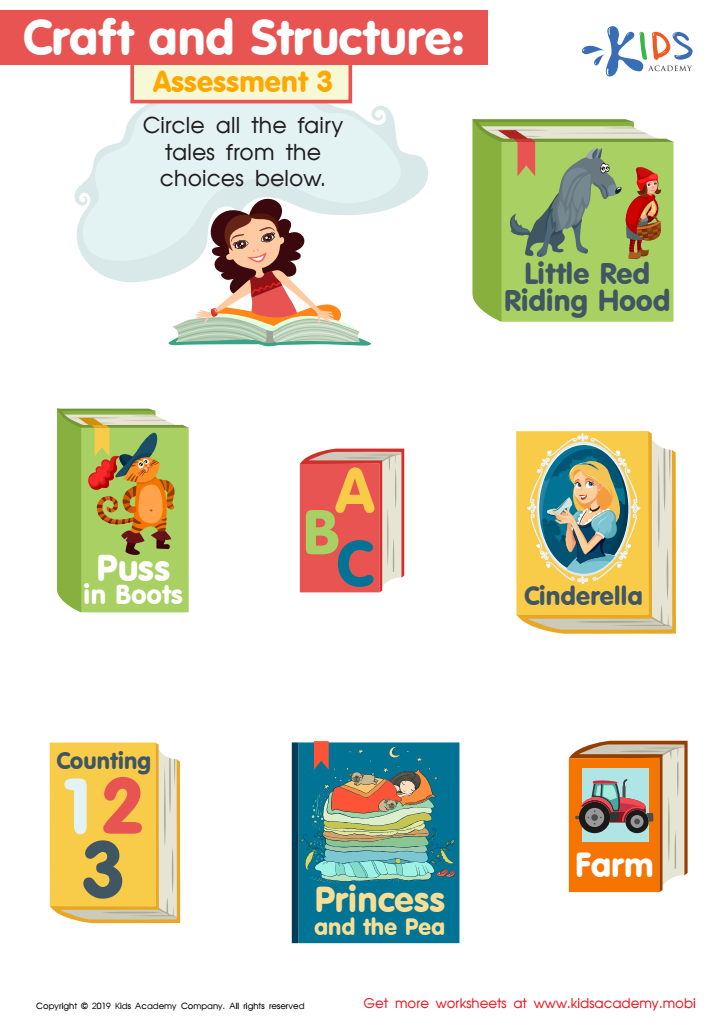
Craft and Structure: Assessment 3 Worksheet
 Assign to My Students
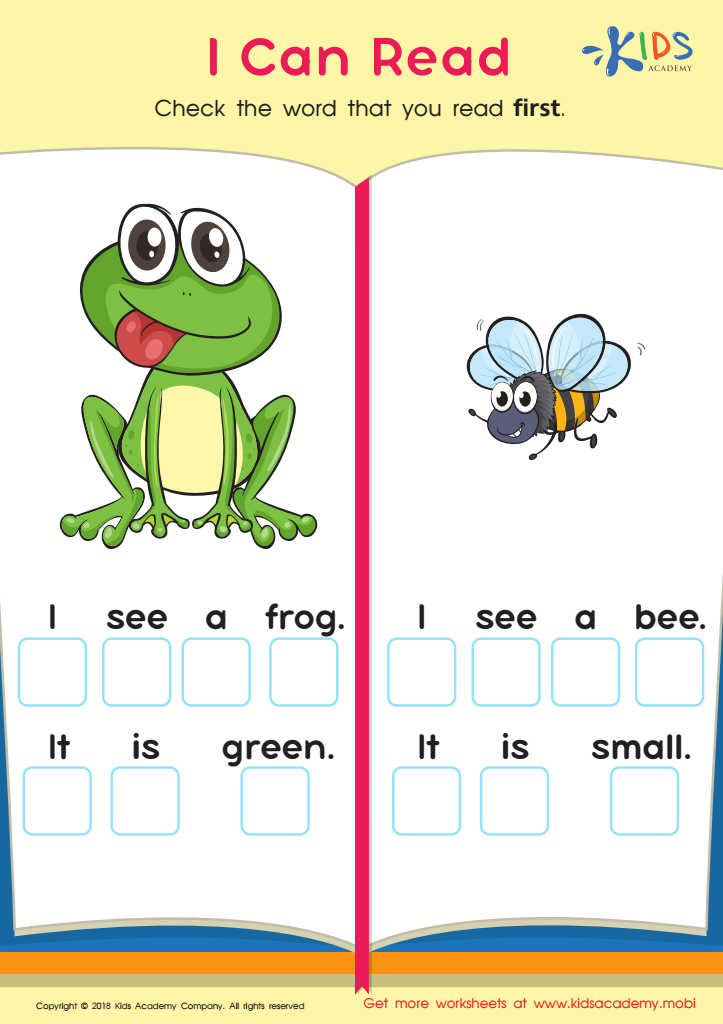
I Can Read Worksheet
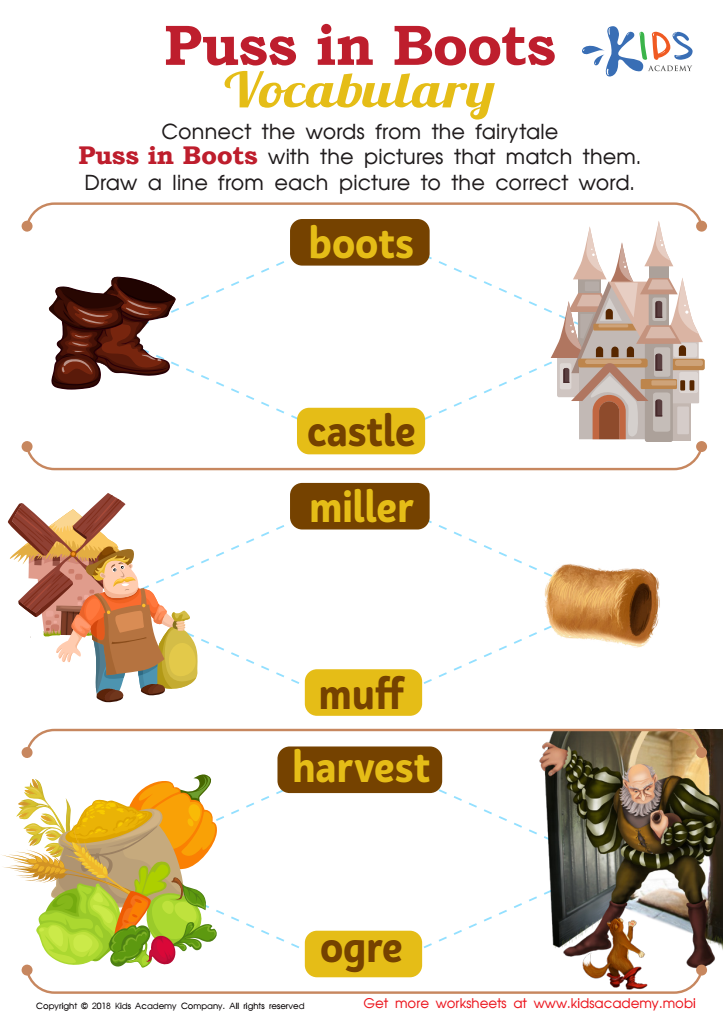
Puss in Boots Vocabulary Worksheet





.jpg)
.jpg)

Understanding context in reading fiction for ages 3-4 is crucial for both parents and teachers because it significantly enhances early literacy development. At this stage, children are like sponge learners; they absorb not only words but also the meanings and emotions behind the stories. Engaging with fiction in context helps them build a robust vocabulary, grasp narrative structures, and develop comprehension skills. When children hear stories, they learn to recognize themes and problem-solving strategies, promoting critical thinking.
Parents and teachers play pivotal roles in this process; by actively participating in shared reading experiences, they create opportunities for discussions about characters and plots, which enriches children's understanding. Storytelling also encourages imagination and creativity, vital for cognitive development. By exploring different contexts in fiction, children learn empathy and cultural awareness, which fosters social skills and emotional intelligence.
Furthermore, supporting early readers through context can lay the foundation for a lifelong love of reading. Ultimately, when families and educators prioritize understanding story context, they are equipping children with essential tools for academic success and holistic development, cultivating confident, thoughtful, and expressive individuals who appreciate literature beyond their early years.







