Rhyming skills development Normal Rhyming Words Worksheets for Ages 3-4
3 filtered results
-
From - To
Develop your child's rhyming words skills with our engaging worksheets designed for ages 3 to 4. Rhyming is a foundational phonemic awareness skill crucial for early reading success. Our expertly crafted worksheets provide fun, interactive activities that help young learners recognize and produce rhyming pairs. Enhance your child’s literacy development with visually appealing and age-appropriate exercises that make learning enjoyable. Ideal for home or classroom use, these worksheets support your child's budding language abilities and set the stage for future reading achievement. Explore a variety of rhyming activities today at Kids Academy!
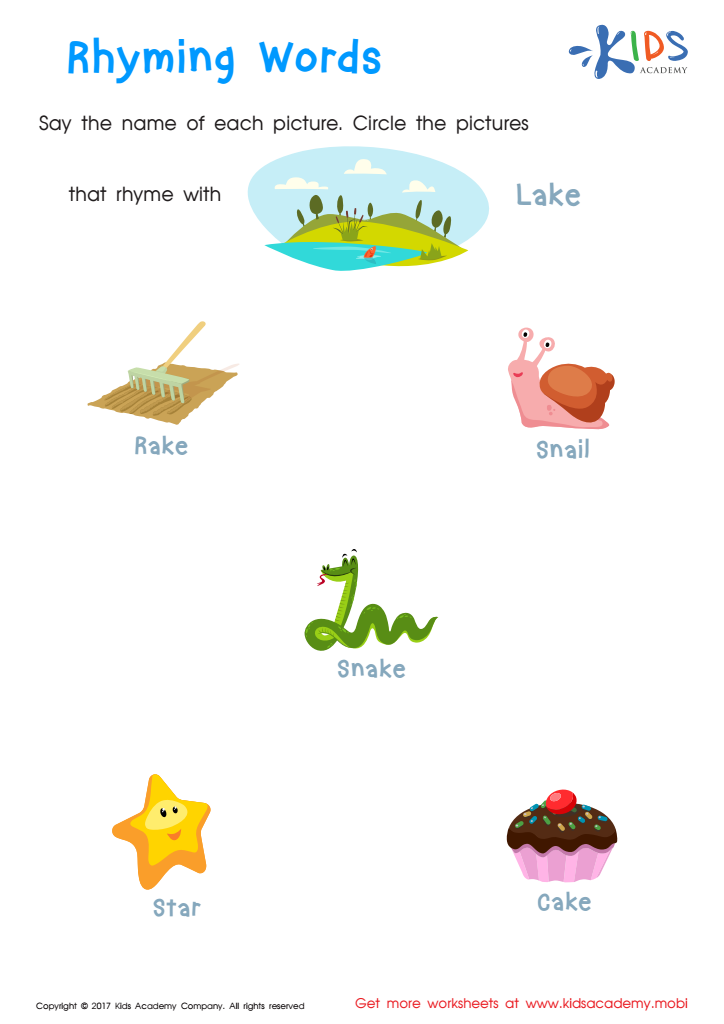
Rhyming Words Rhyming Worksheet
 Assign to My Students
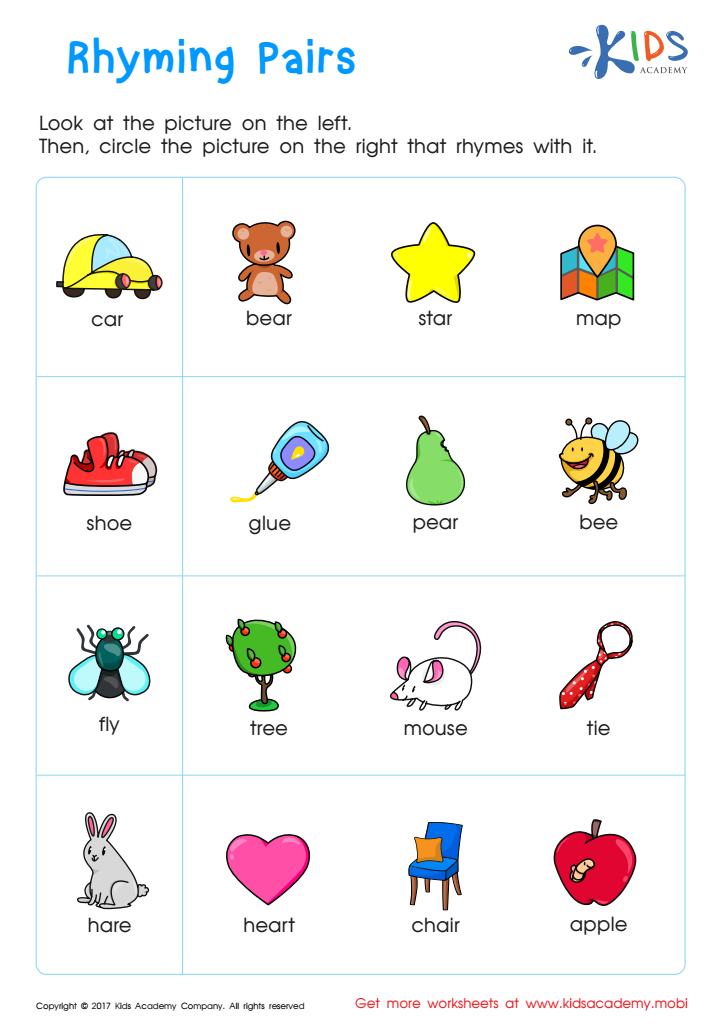
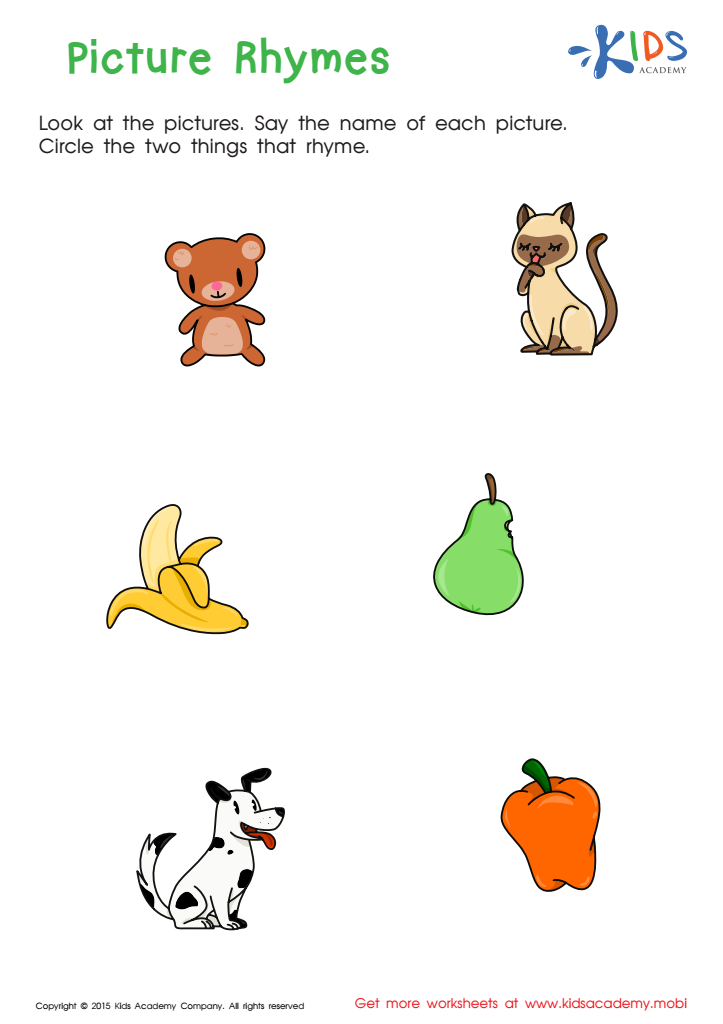
First Words: Picture Rhymes Worksheet






.jpg)
Rhyming skills are essential for children aged 3-4, as they play a crucial role in early literacy development. When parents and teachers focus on developing these skills, they contribute to a child's phonemic awareness, which is the ability to recognize and manipulate sounds in words. This awareness is a foundational aspect of learning to read. By hearing and practicing rhyming words like "cat" and "hat" or "dog" and "log," children start to understand sound patterns and how different sounds form words.
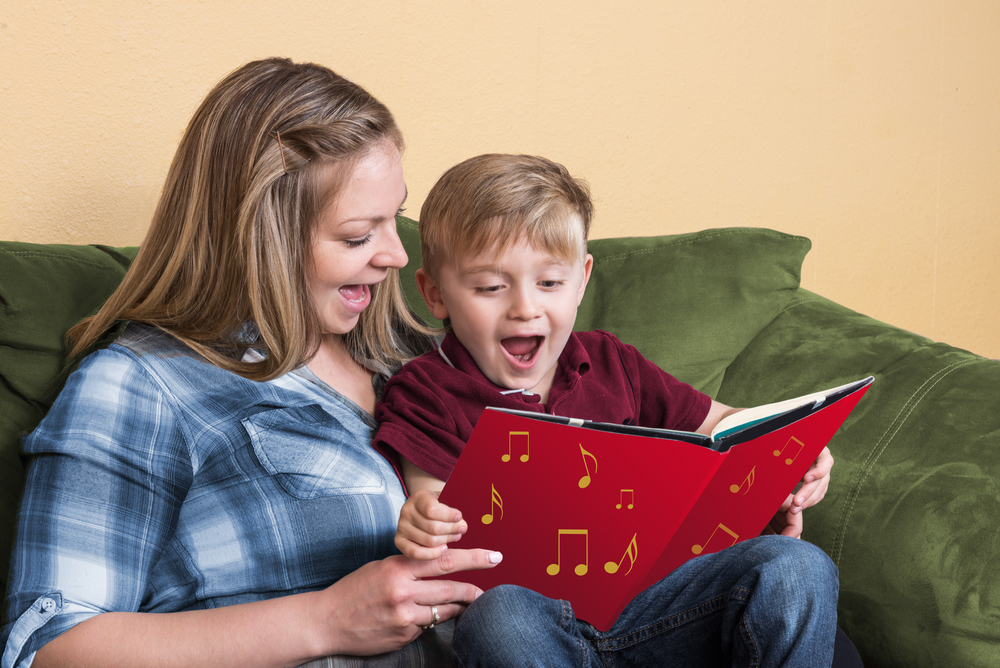
Moreover, rhyming games or activities capture young children's interest and make learning fun. This engagement is crucial because it stimulates a love for reading and learning at an early age, fostering a positive educational experience. Rhyming also improves memory and cognitive skills, as children must recall words that share similar sounds.
In addition, social skills and vocabulary expansion are secondary benefits. Engaging in rhyming songs or stories enhances children's ability to express themselves and understand language structure. Parents and teachers, by integrating rhyming into daily activities, set the stage for children’s future academic success and overall language development. Therefore, investing time in developing rhyming skills in preschoolers is highly beneficial, combining education with enjoyment.








