Cultural awareness Normal Social Studies Worksheets for Ages 3-4
5 filtered results
-
From - To
Engage your little learners with our "Cultural Awareness Normal Social Studies Worksheets," designed specifically for ages 3-4. These printable activities introduce young children to the rich diversity of cultures around the world. Through fun and interactive exercises, kids will explore various cultural traditions, symbols, and practices, fostering an early appreciation for inclusivity and understanding. Our worksheets are thoughtfully aligned with developmental milestones, ensuring that children not only learn about different cultures but also enhance their social skills. Perfect for home or classroom use, these resources make learning about diversity both enjoyable and educational, laying the groundwork for global citizenship at a young age.
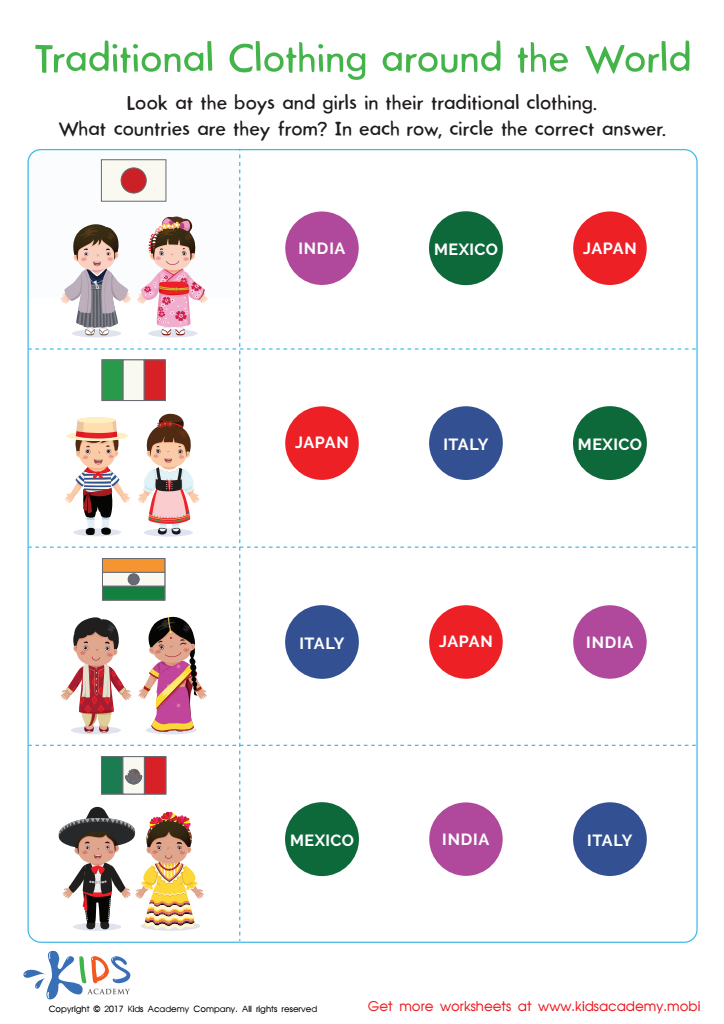
Traditional Clothing Worksheet
 Assign to My Students
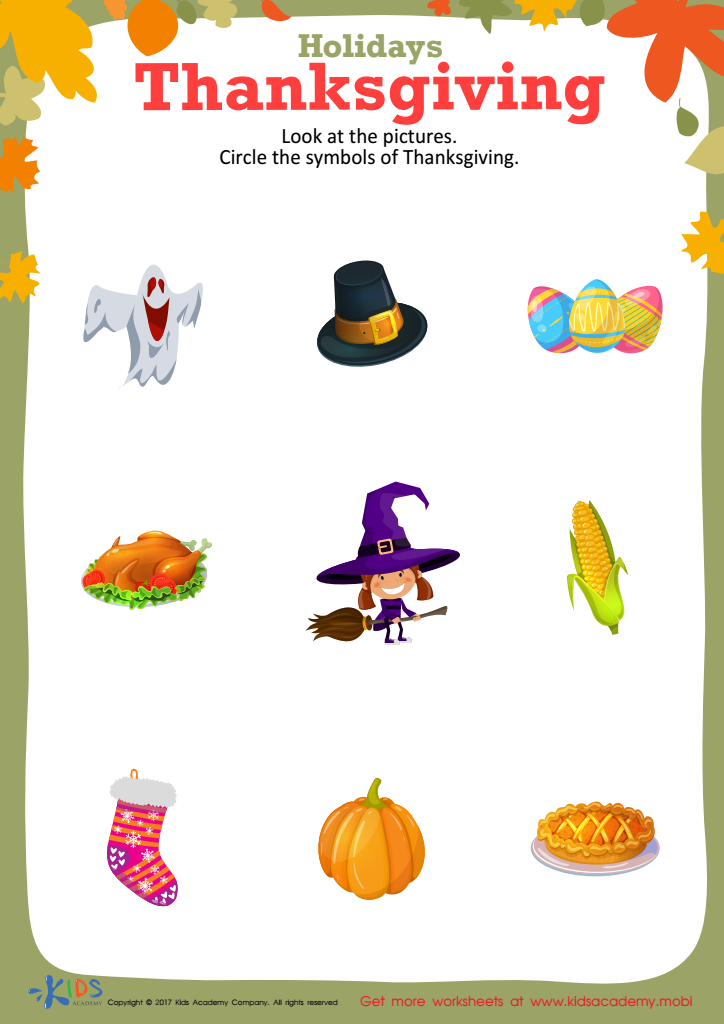
Thanksgiving Holiday Printable
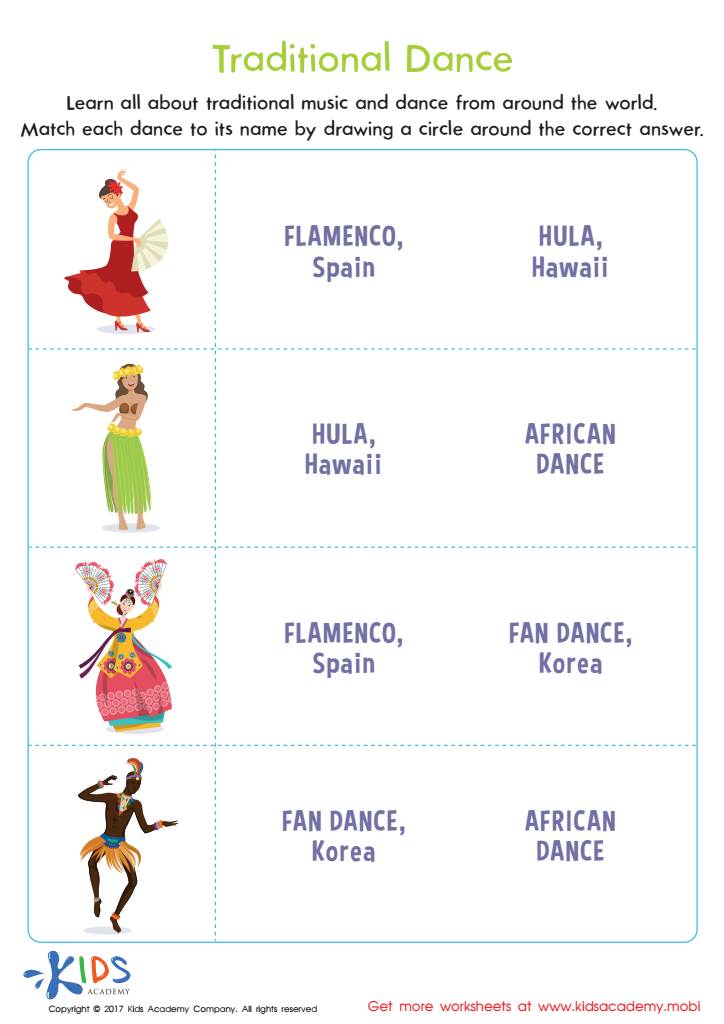
Traditional Dance Printable
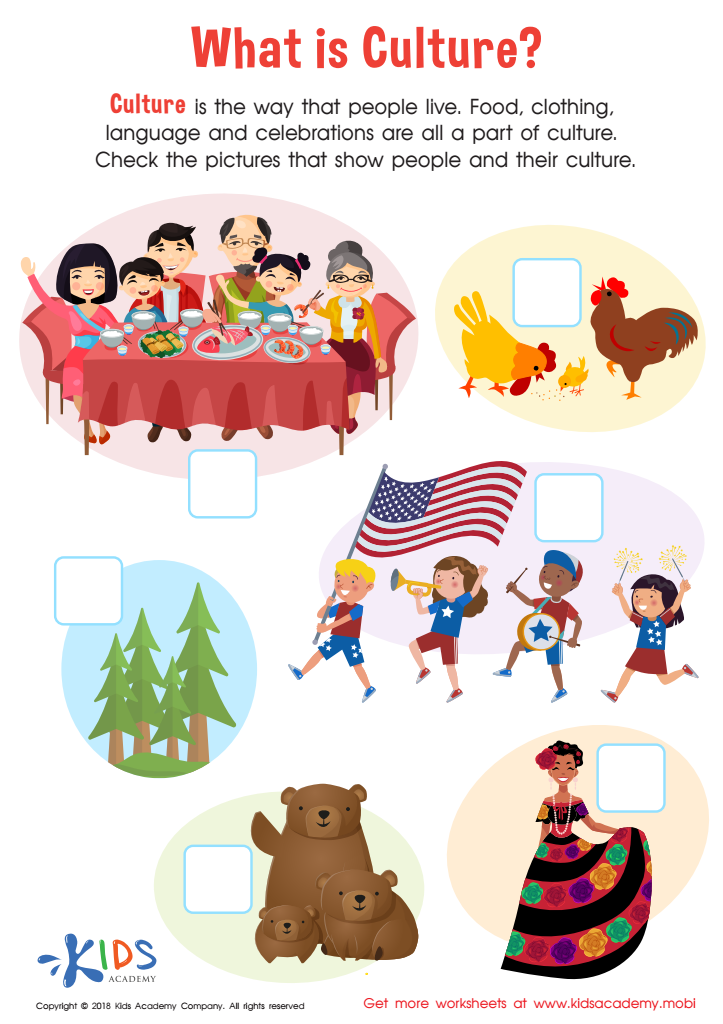
What Is Culture? Worksheet
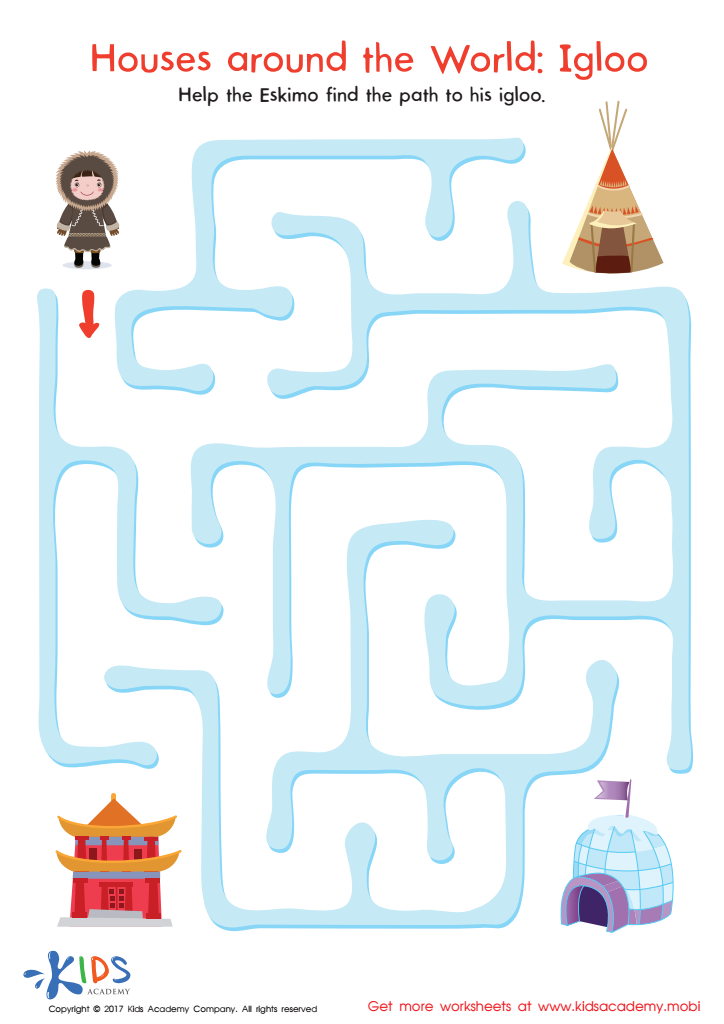
Houses Around the World: Igloo Printable




.jpg)



Cultural awareness in early education is crucial for children aged 3-4, as it lays the foundation for understanding and appreciating diversity. At this age, children are naturally curious about the world around them, and introducing them to various cultures fosters an inclusive mindset. Parents and teachers should prioritize cultural awareness in social studies because it enhances social skills, promotes empathy, and reduces stereotypes.
Introducing children to different cultures helps them celebrate differences and similarities among peers, ensuring they develop respect and appreciation for all. Activities such as storytelling, music, and art from diverse backgrounds not only engage young minds but also encourage creative expression and cognitive development. This exposure helps combat prejudice and instills values of kindness and acceptance from an early age.
Moreover, culturally aware children are better prepared to navigate a diverse world as they grow. It equips them with critical thinking skills and prepares them for future social situations. For parents and teachers, fostering cultural awareness sets a vital standard for lifelong learning, personal growth, and societal interaction, ultimately shaping responsible global citizens dedicated to inclusivity and understanding in an interconnected world.