Alphabet Recognition Normal Alphabet Worksheets for Ages 3-5 - Page 2
40 filtered results
-
From - To

Letter N Tracing Page

Lowercase Letters d e f Worksheet
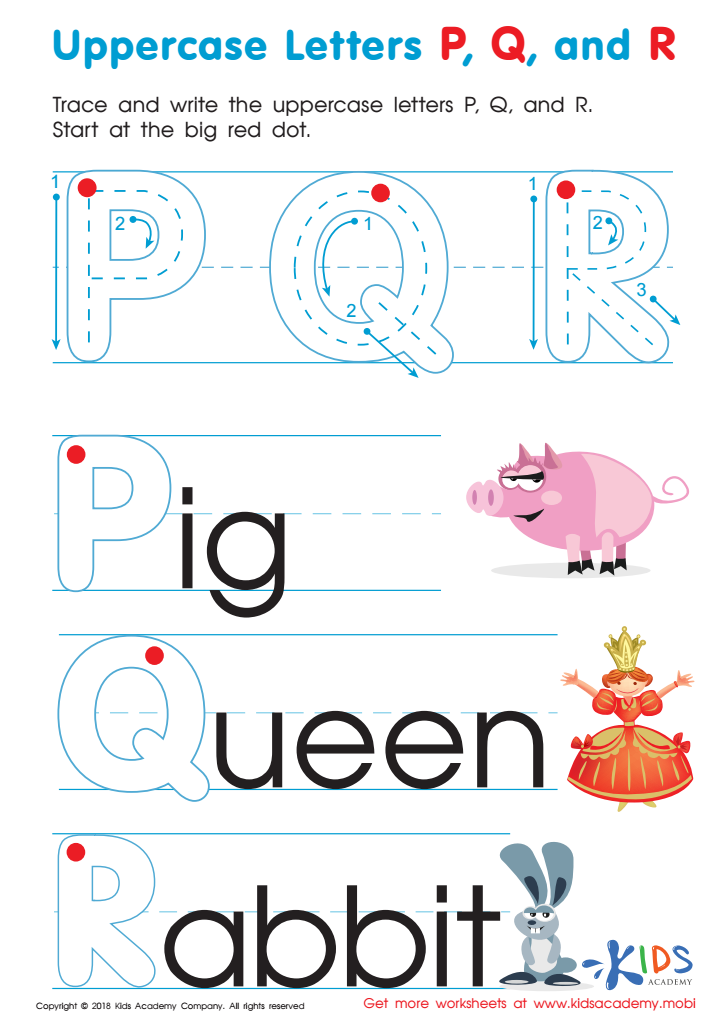
Uppercase Letters P, Q, and R Worksheet
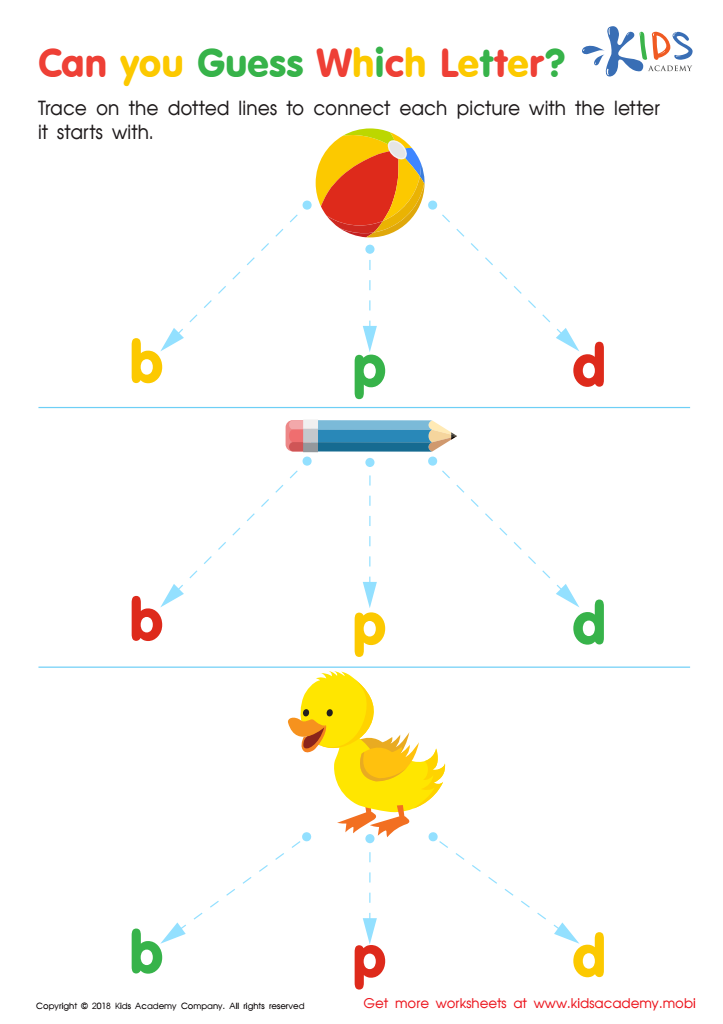
Can you Guess Which Letter? Worksheet
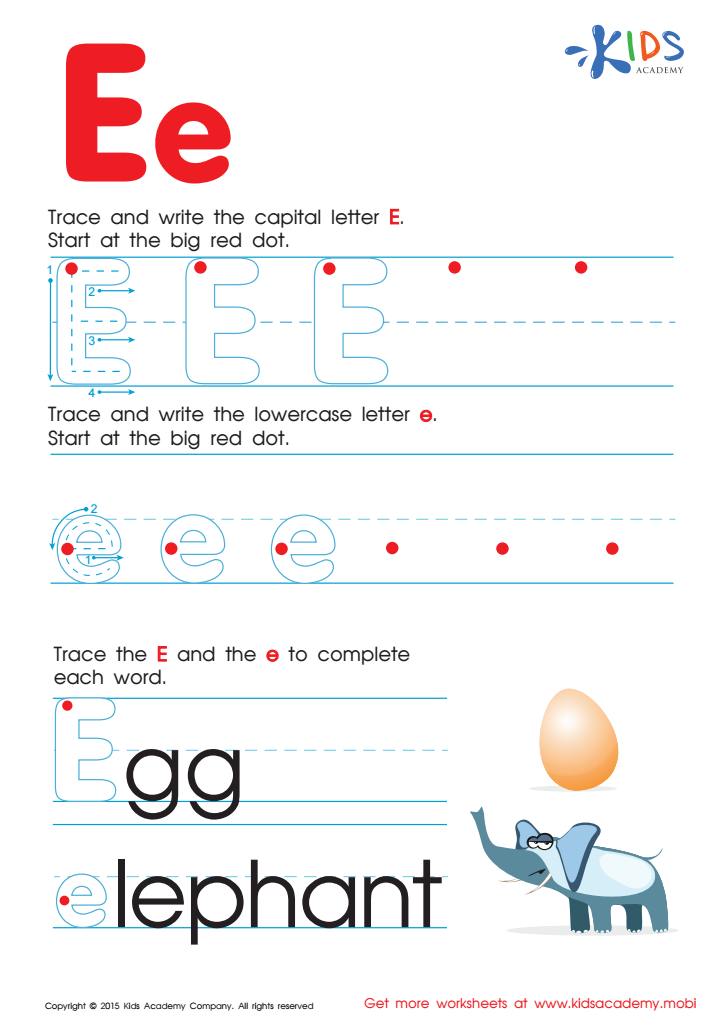
Letter E Tracing Page
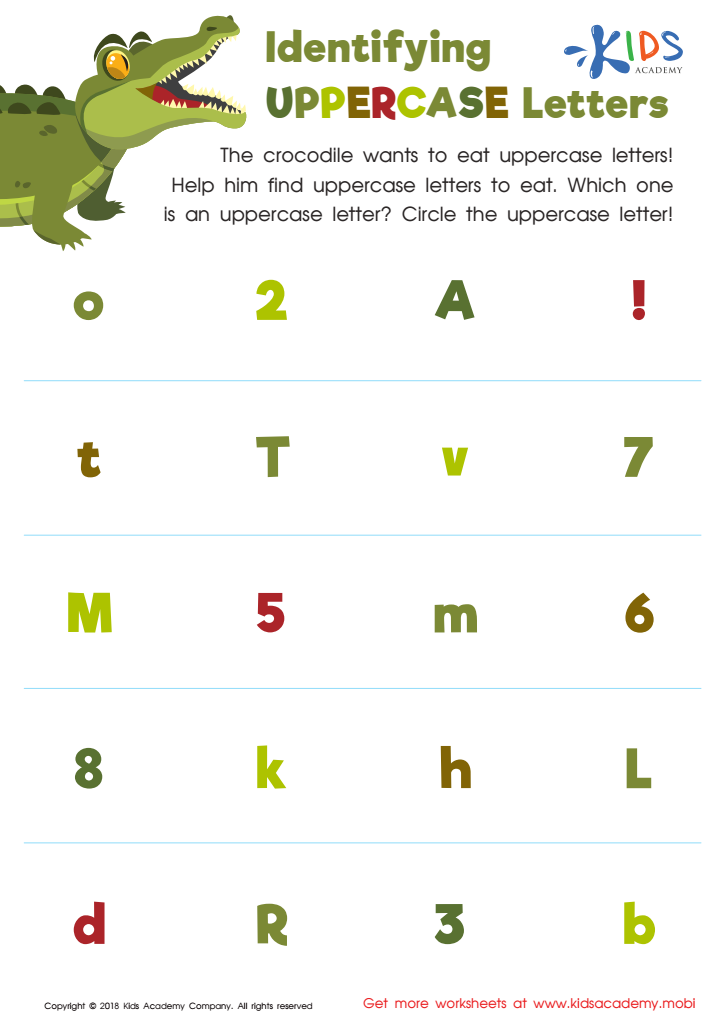
Identifying Uppercase Letters Worksheet
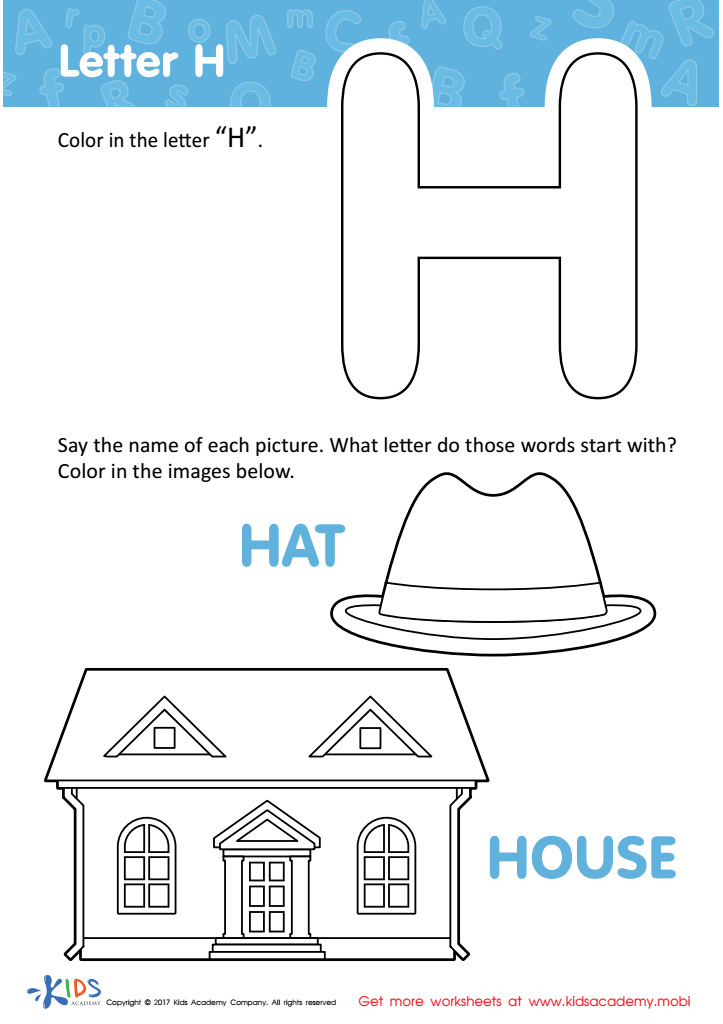
Letter H Coloring Sheet
 Assign to My Students
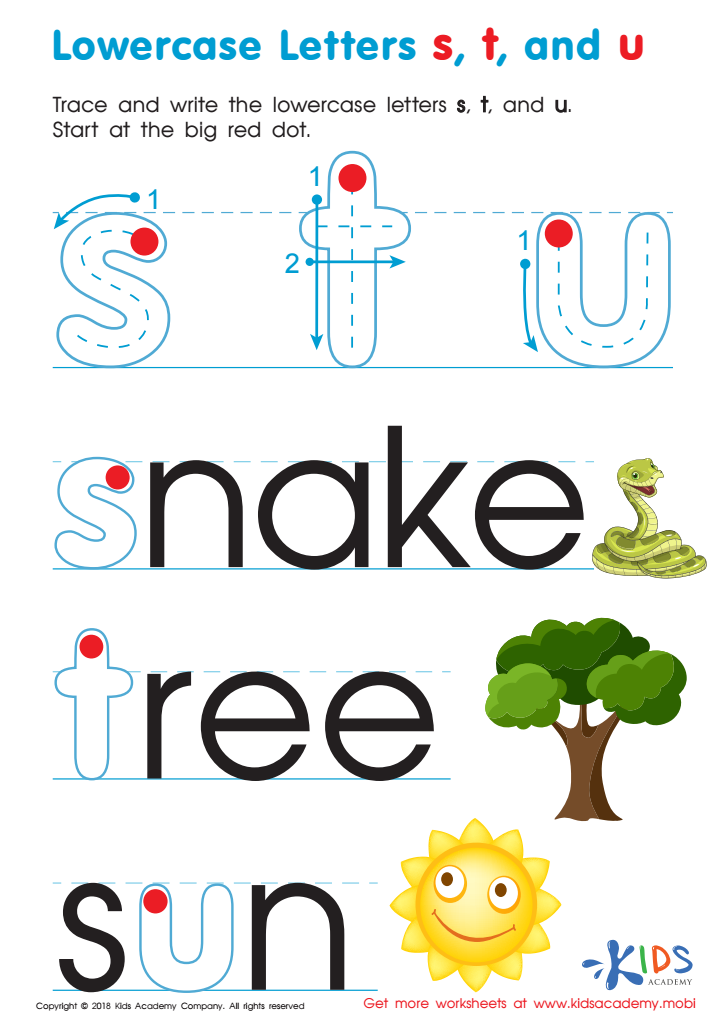
Lowercase Letters s t u Worksheet
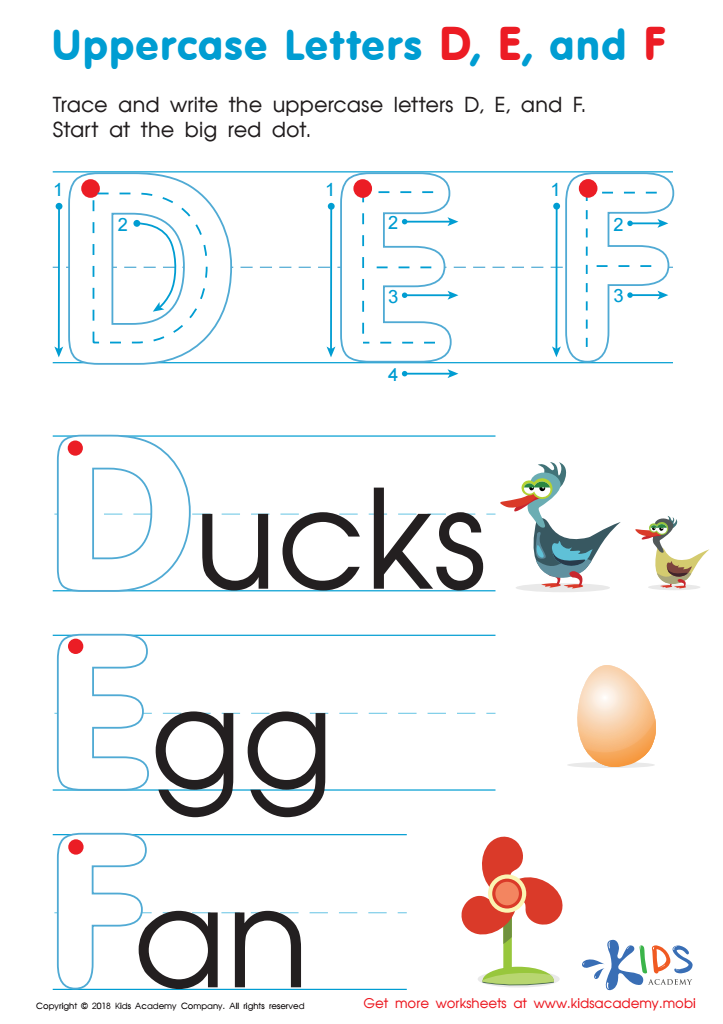
Uppercase Letters D, E, and F Worksheet
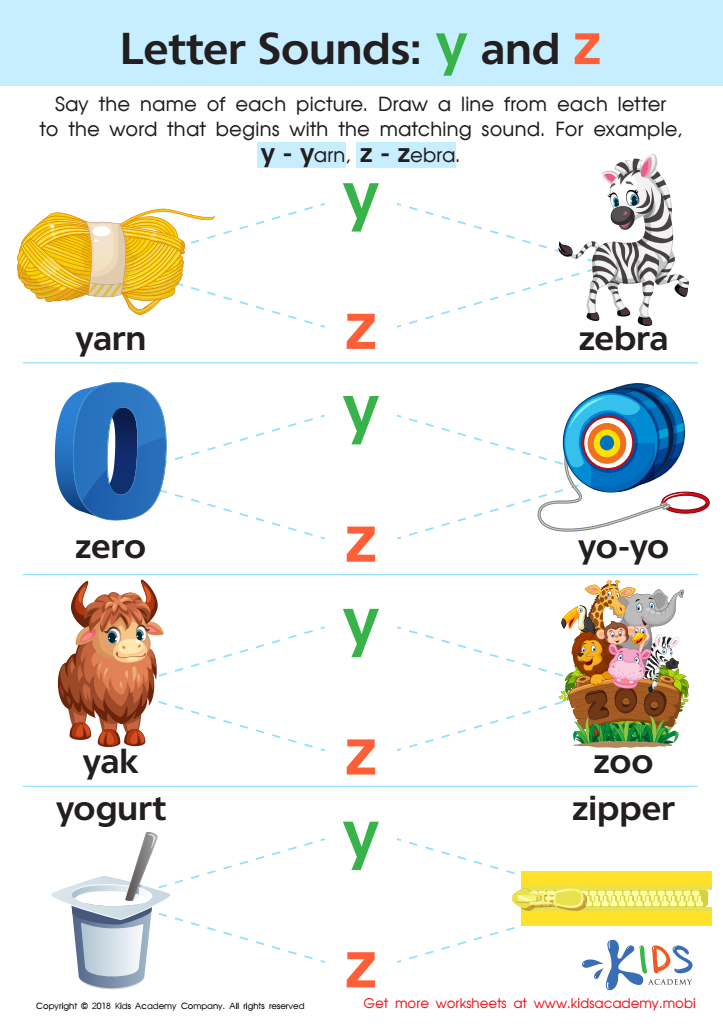
Letter Y and Z Sounds Worksheet
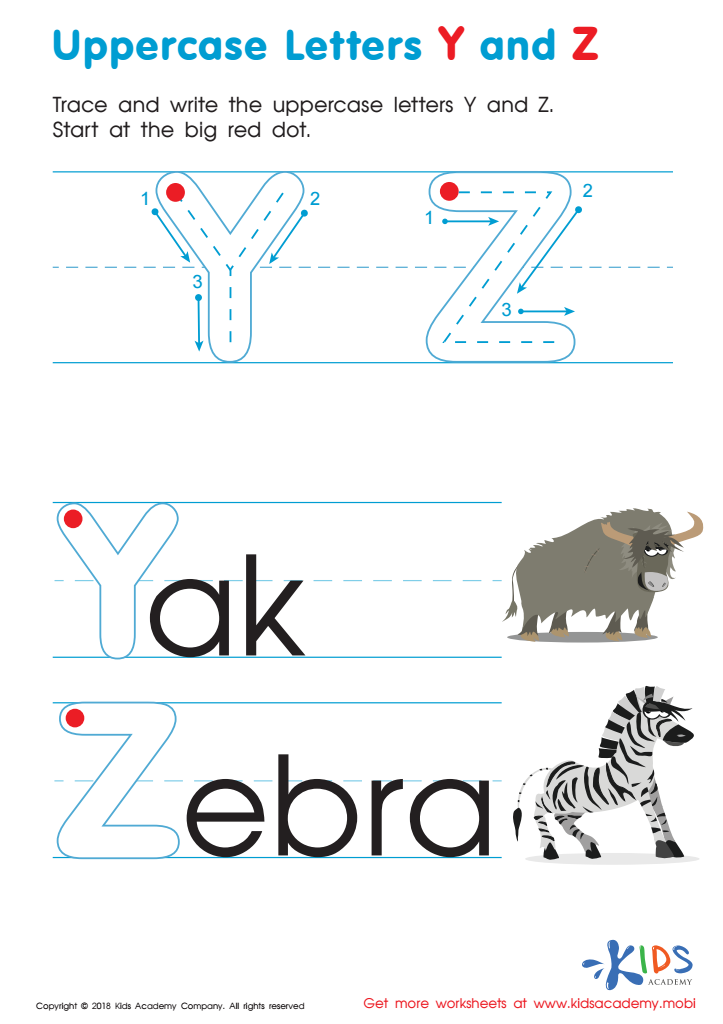
Uppercase Letters Y Z Worksheet
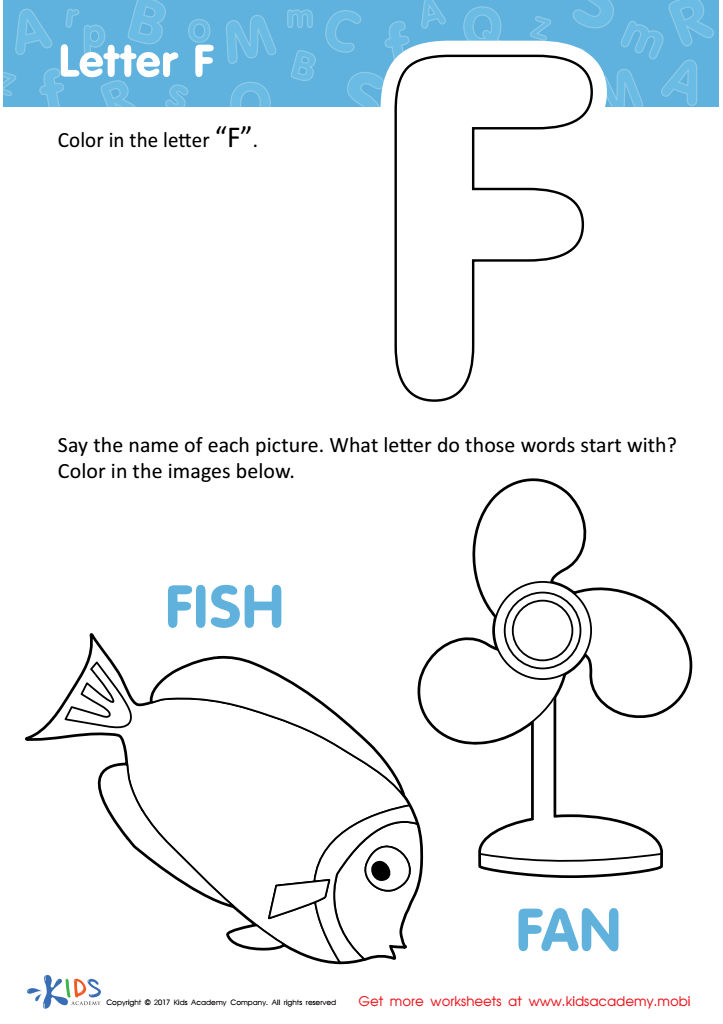
Letter F Coloring Sheet
Assign to My Students
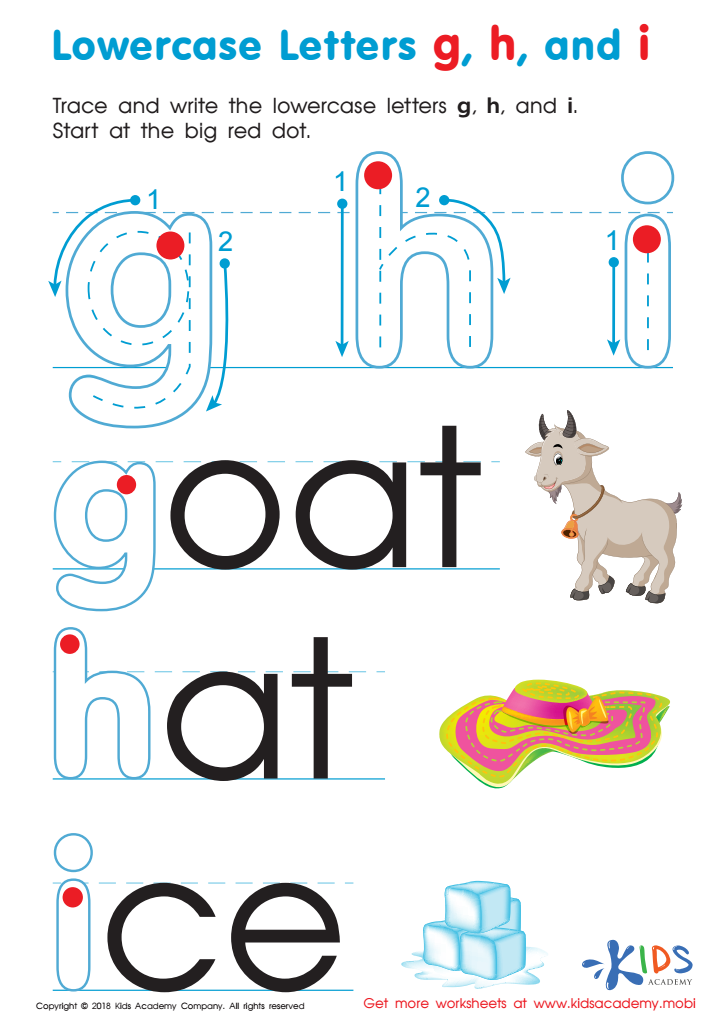
Lowercase Letters g h i Worksheet
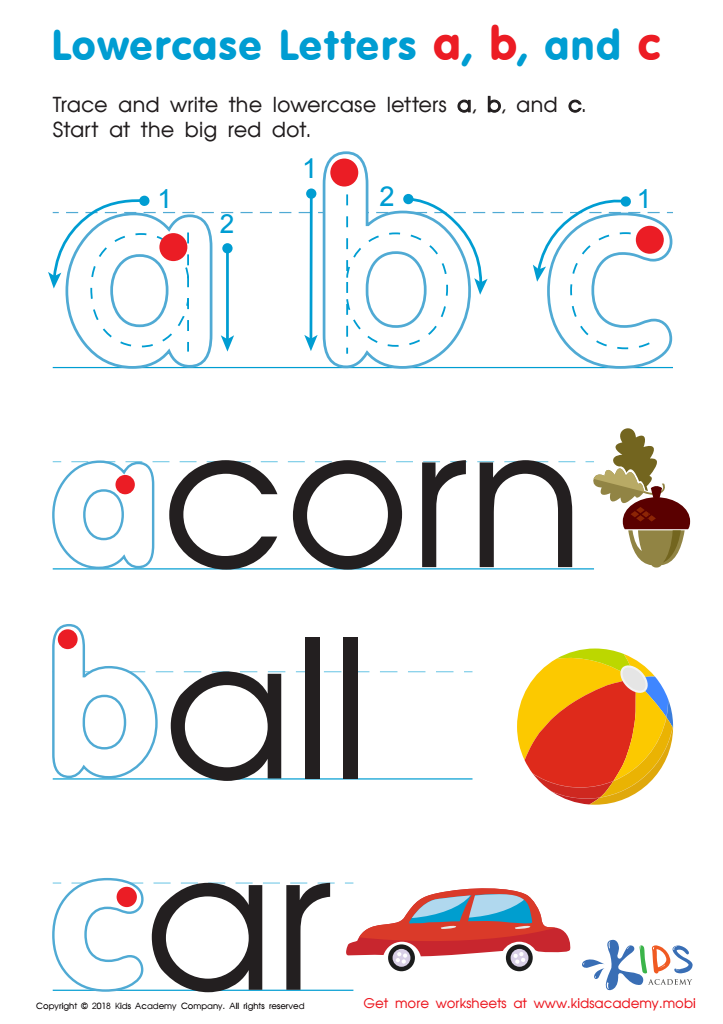
Lowercase Letters a b c Worksheet
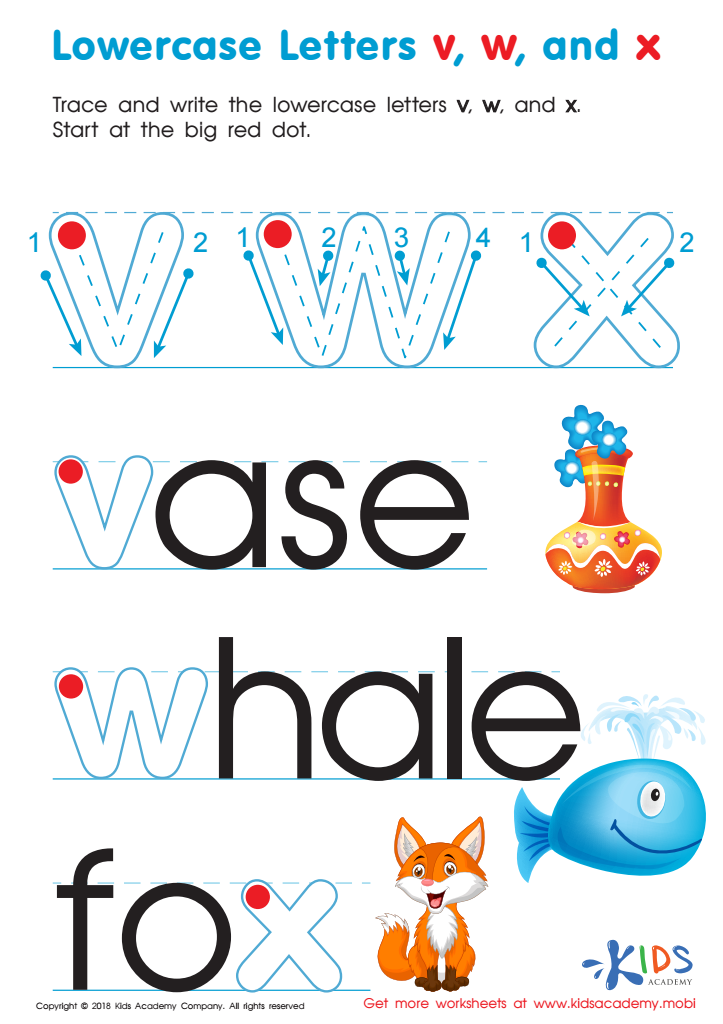
Lowercase Letters v w x Worksheet

Uppercase Letters V, W, and X Worksheet








Alphabet recognition forms the foundation for a child's reading and writing skills, making it a critical early learning milestone for children aged 3-5. At this developmental stage, children are naturally curious and highly receptive to new information. Understanding the alphabet is their first step towards literacy, unlocking the door to a world of stories, knowledge, and future academic success.
For parents and teachers, focusing on alphabet recognition can greatly enhance a child's cognitive, language, and social skills. It allows children to understand the sounds each letter makes, facilitating phonemic awareness, which is essential for reading proficiency. Recognizing letters also helps children develop fine motor skills as they learn to write each letter.
Early alphabet recognition can foster a child's confidence and enthusiasm for learning. It prepares them for kindergarten and beyond, ensuring they won't lag behind their peers academically. Moreover, consistent practice with the alphabet helps improve memory and can make learning other essential skills, such as counting and recognizing patterns, easier.
Parents and teachers should incorporate playful yet educational activities that make learning the alphabet enjoyable. By establishing a strong literacy foundation early, children are more likely to develop a lifelong love for reading, curiosity, and academic achievement.







