Handwriting practice Normal Alphabet Worksheets for Ages 3-5 - Page 2
37 filtered results
-
From - To
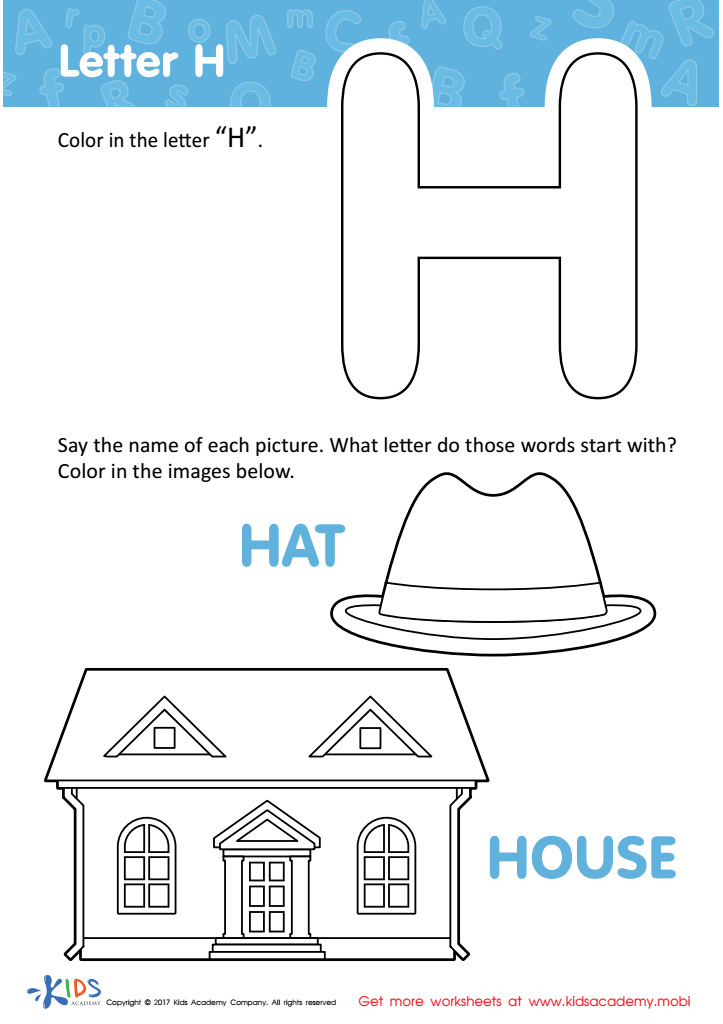
Letter H Coloring Sheet
 Assign to My Students
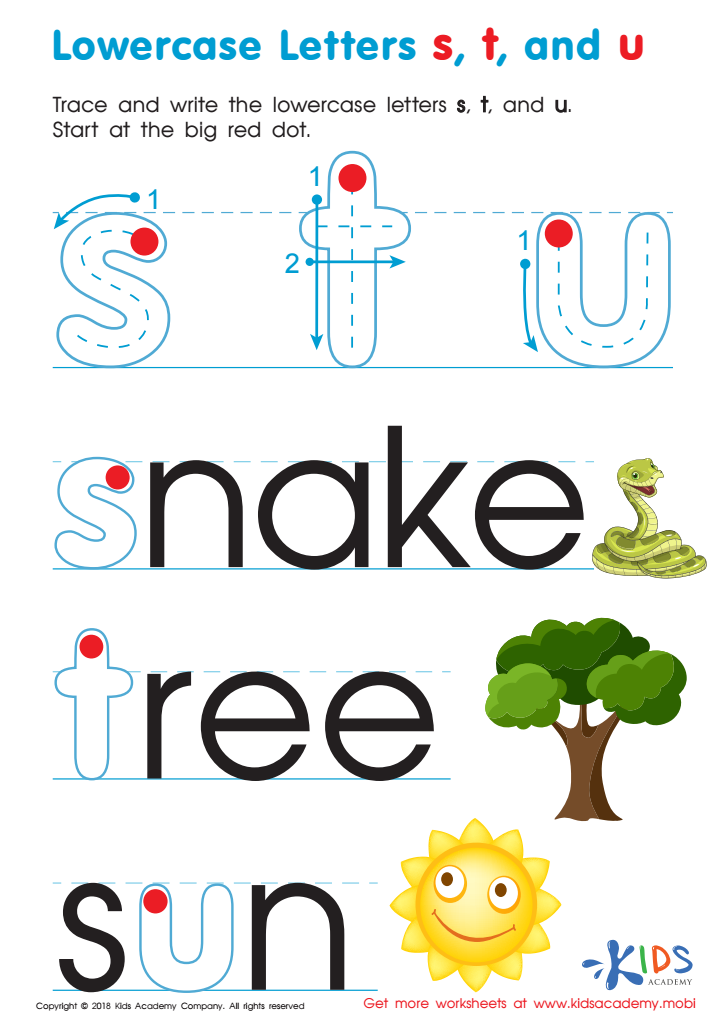
Lowercase Letters s t u Worksheet
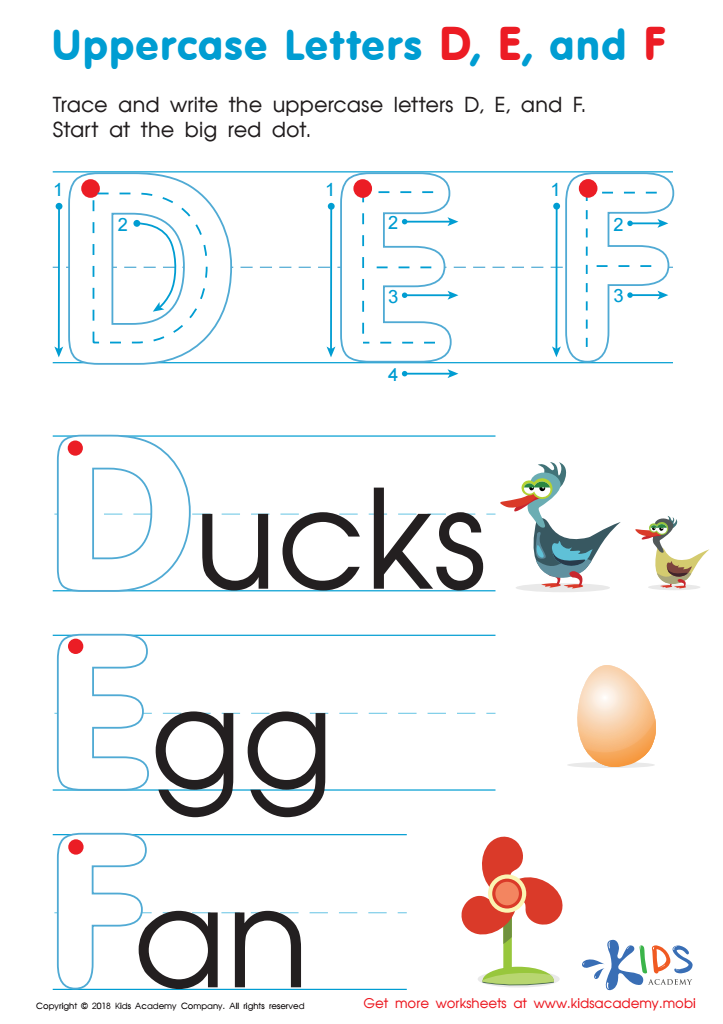
Uppercase Letters D, E, and F Worksheet
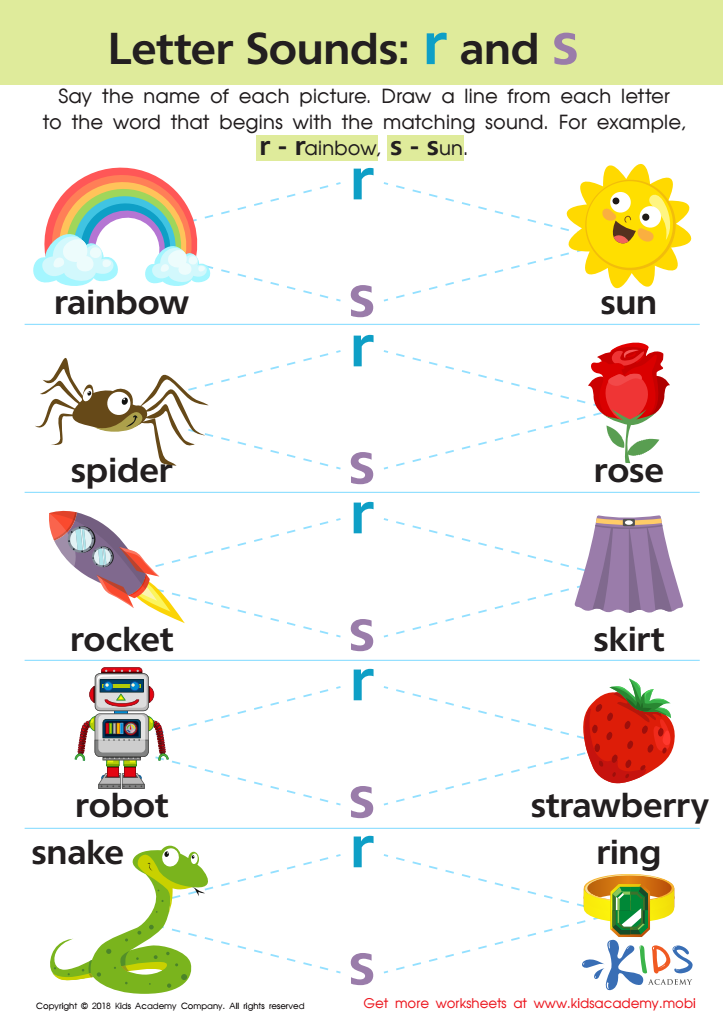
Letter R and S Sounds Worksheet
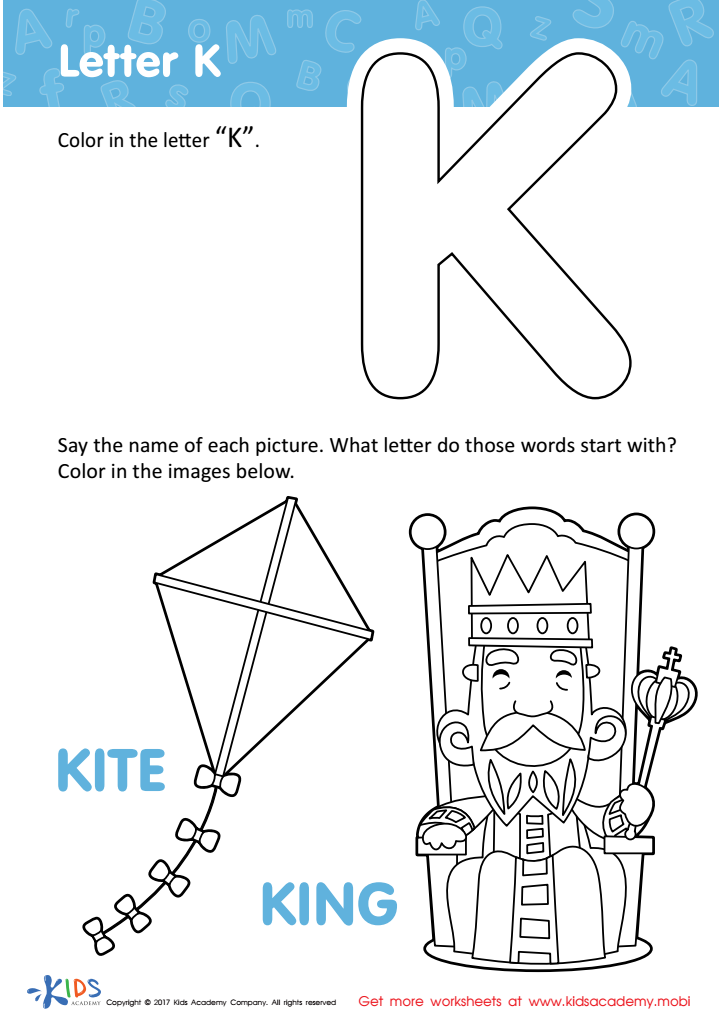
Letter K Coloring Sheet
Assign to My Students
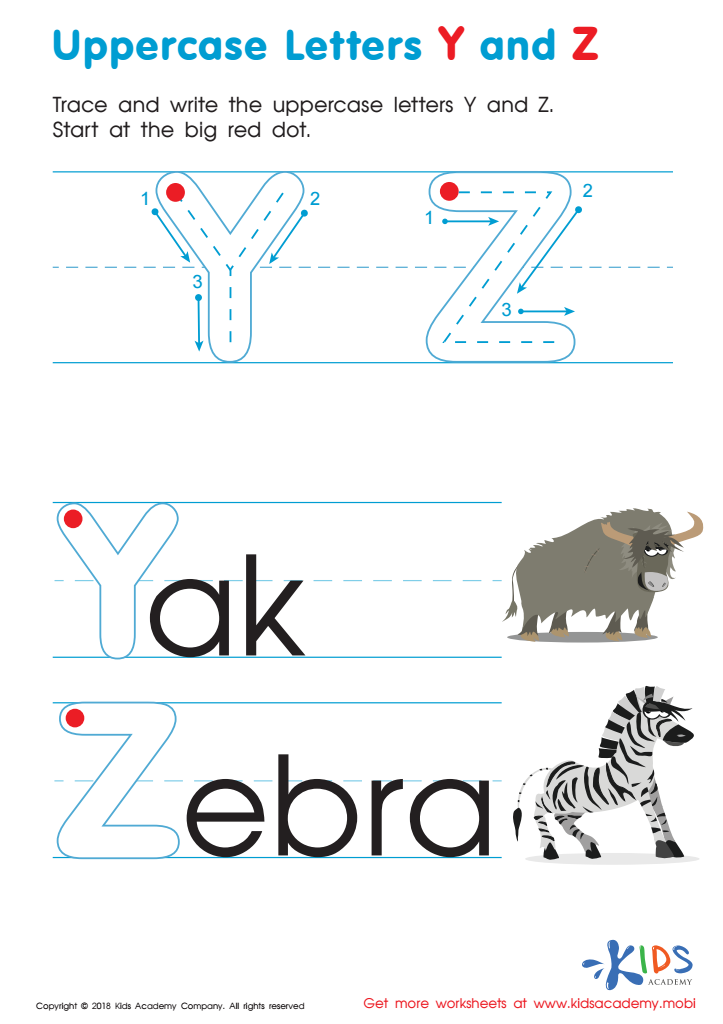
Uppercase Letters Y Z Worksheet
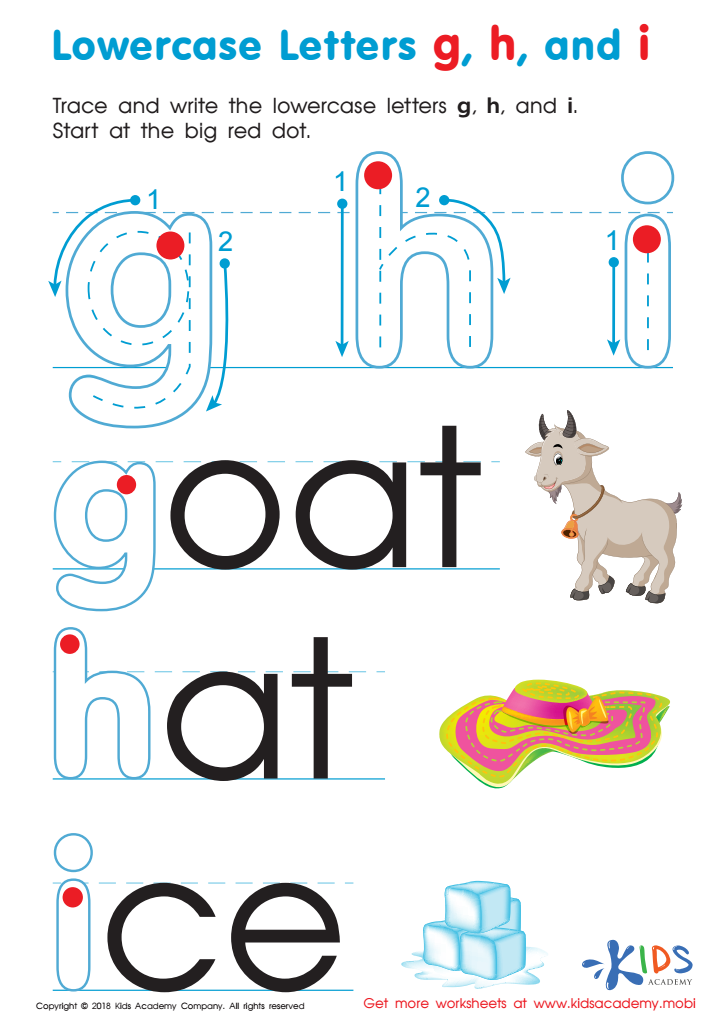
Lowercase Letters g h i Worksheet
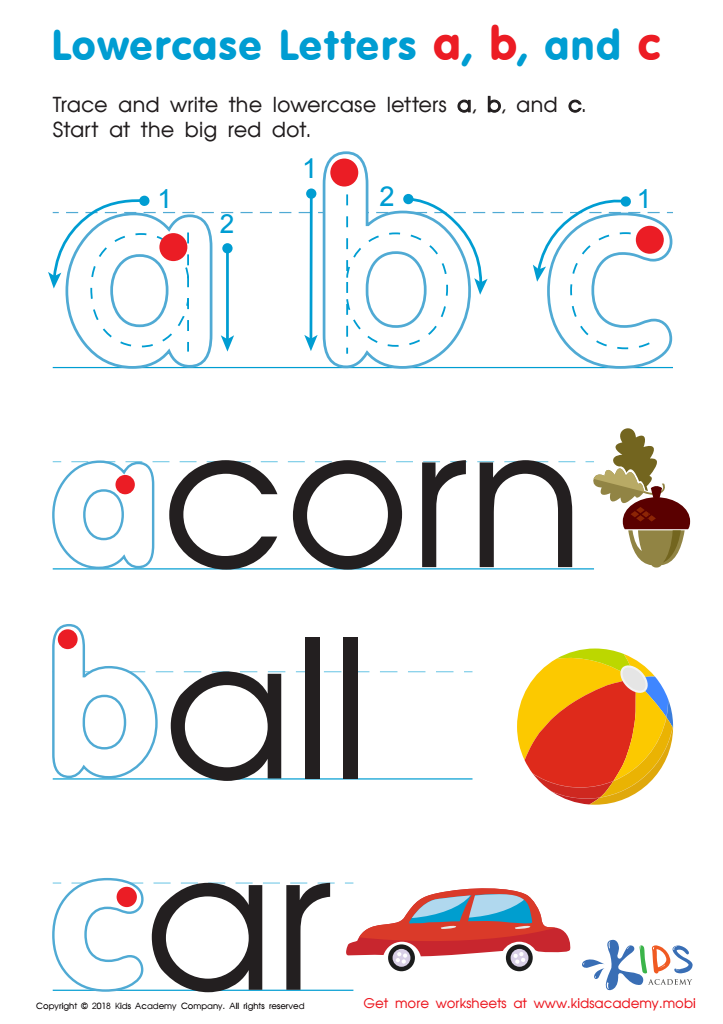
Lowercase Letters a b c Worksheet
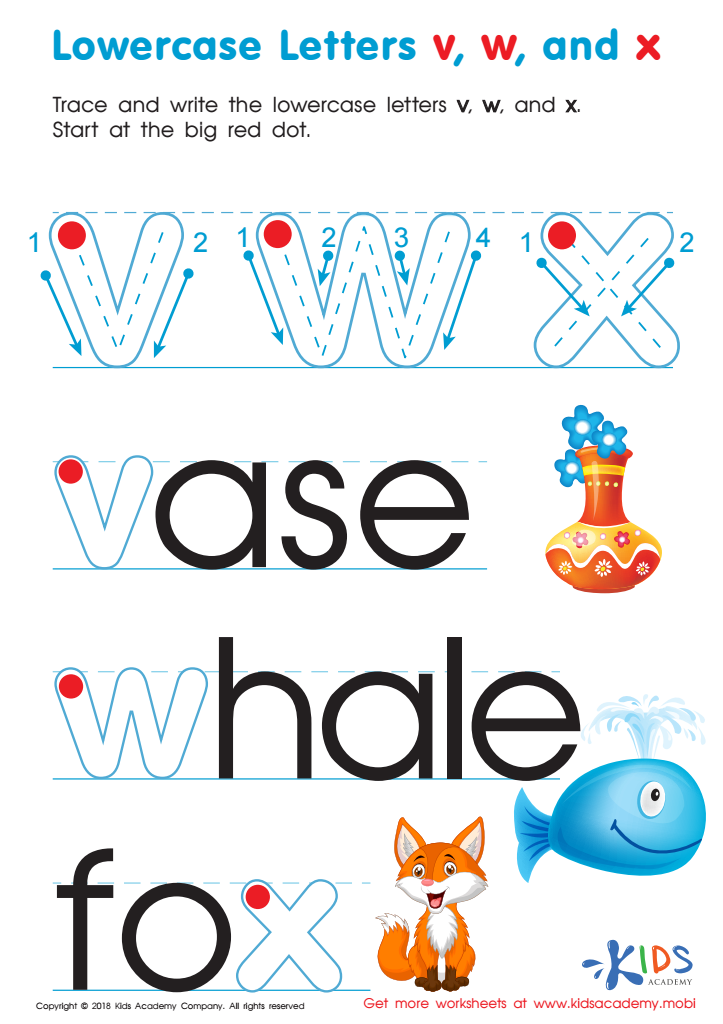
Lowercase Letters v w x Worksheet
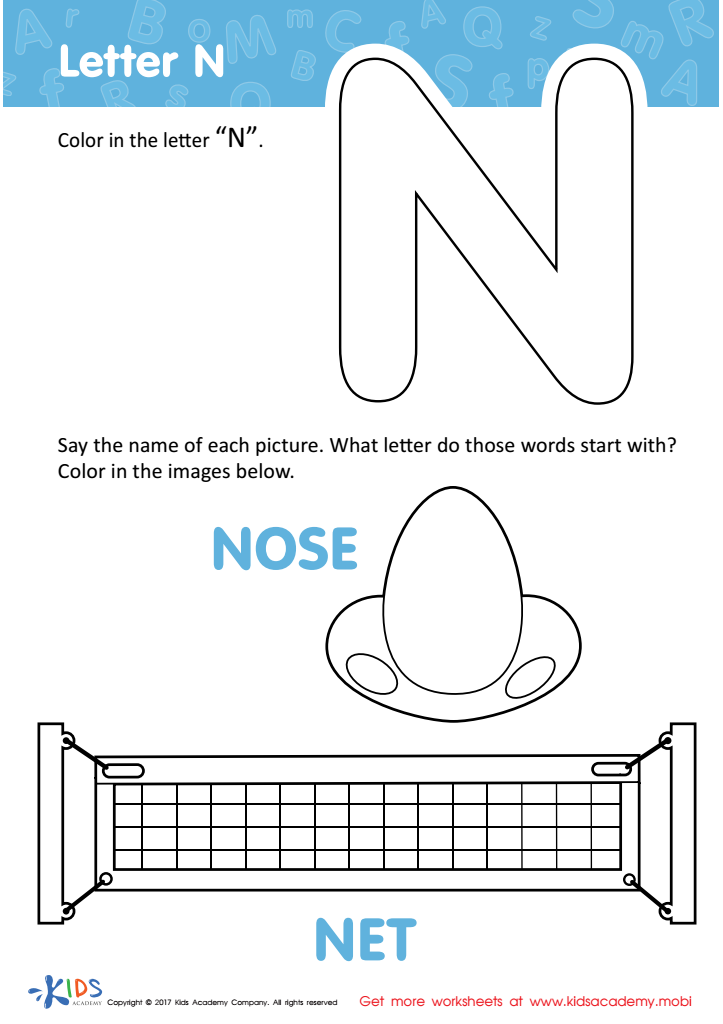
Letter N Coloring Sheet
Assign to My Students
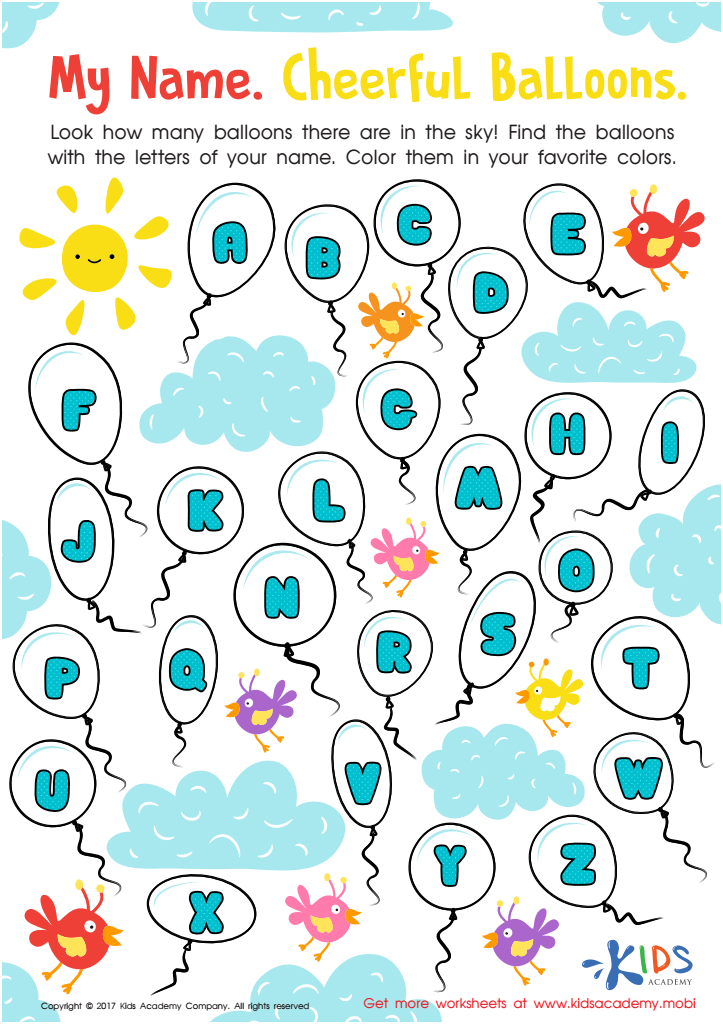
My Name: Cheerful Balloons Worksheet
Assign to My Students
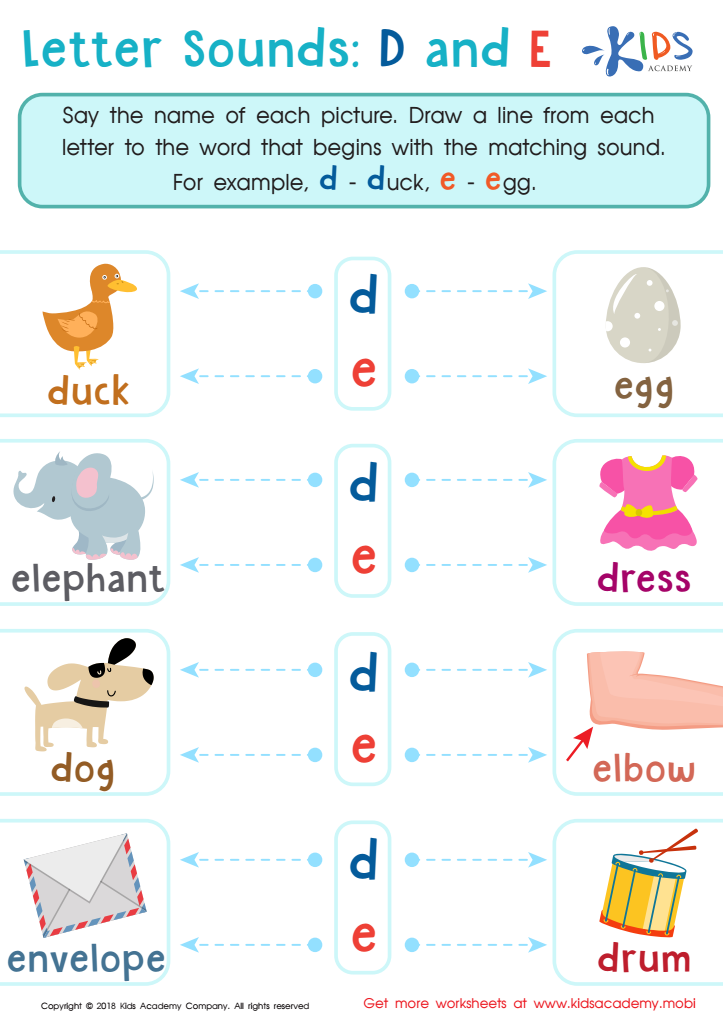
Letter D and E Sounds Worksheet
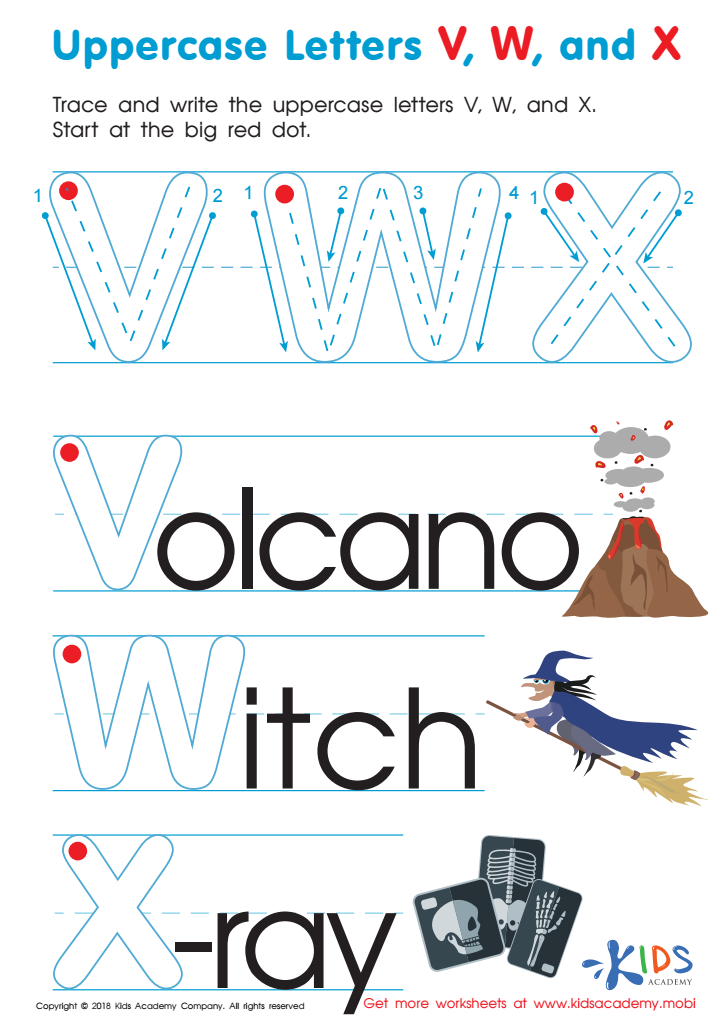
Uppercase Letters V, W, and X Worksheet








Handwriting practice for children aged 3-5 is crucial for several reasons. Firstly, it aids in the development of fine motor skills, which are essential for everyday tasks such as buttoning a shirt or tying shoelaces. Gripping a pencil and learning to control its movement helps strengthen the small muscles in the hands and fingers.
Secondly, early handwriting practice supports cognitive development. Writing letters engages several areas of the brain and improves language skills. As children form each letter, they build the foundation for recognizing and writing words, which is key to early literacy.
Additionally, handwriting practice enhances attention and memory. The act of writing by hand helps children learn to focus on a task for longer periods, promoting greater concentration. It also reinforces learning by engaging multiple senses—visual (seeing the letters), motor (moving the pencil), and tactile (feeling the paper).
Socially and emotionally, achieving mastery in handwriting can provide a sense of pride and accomplishment. This boost in confidence encourages children to approach other educational tasks with a positive attitude, fostering a love for learning.
Overall, handwriting practice equips young children with essential skills that benefit their academic journey and personal development, creating a solid foundation for future learning and success.







