Fine Motor Skills Normal Lowercase/Small Letters Worksheets for Ages 3-5
14 filtered results
-
From - To
Nurture your child’s fine motor skills with our engaging Lowercase/Small Letters Worksheets for ages 3-5. These printable resources are designed to make learning fun and effective, helping young learners practice handwriting, letter recognition, and control. Our worksheets feature playful activities that guide preschoolers and kindergarteners through forming lowercase letters, while simultaneously boosting their hand strength and dexterity. Perfect for home or classroom use, these activities are an excellent foundation for literacy development, ensuring a confident start in reading and writing. Start your child’s educational journey with Kids Academy’s expertly crafted tools for early learners.
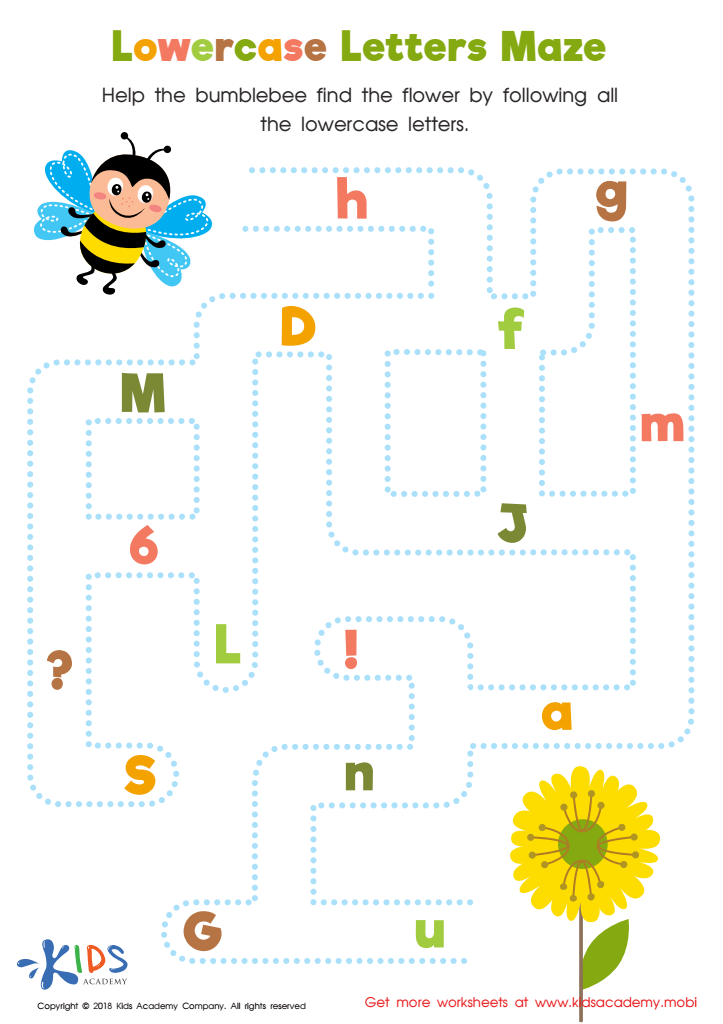
Lowercase Letters Maze Worksheet
 Assign to My Students
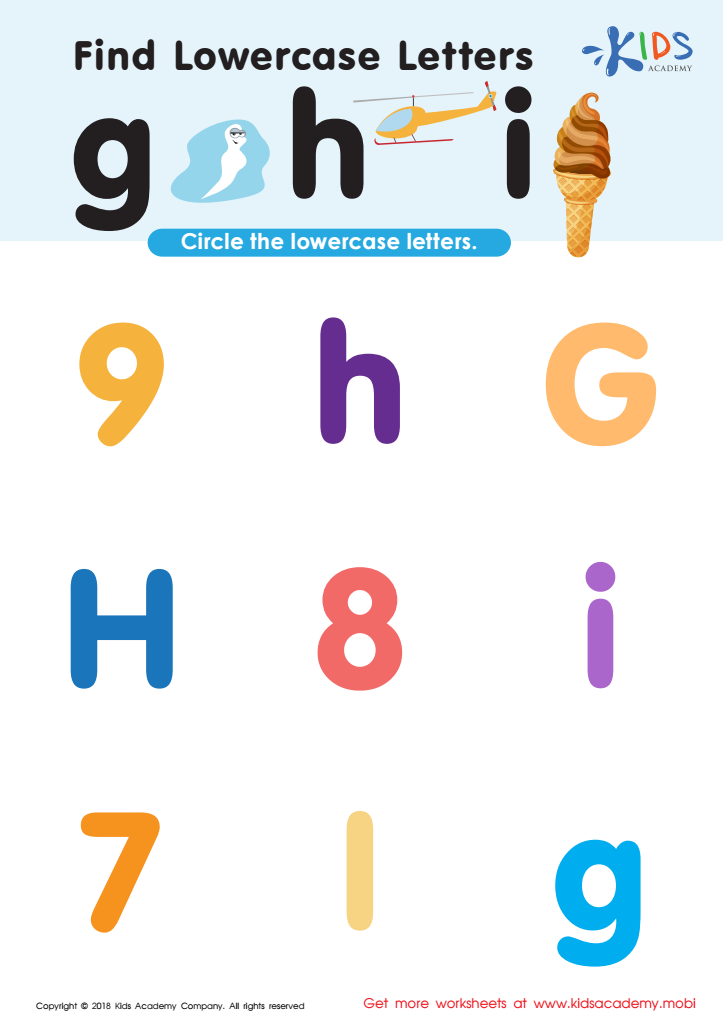
Find Lowercase Letters g h i Worksheet
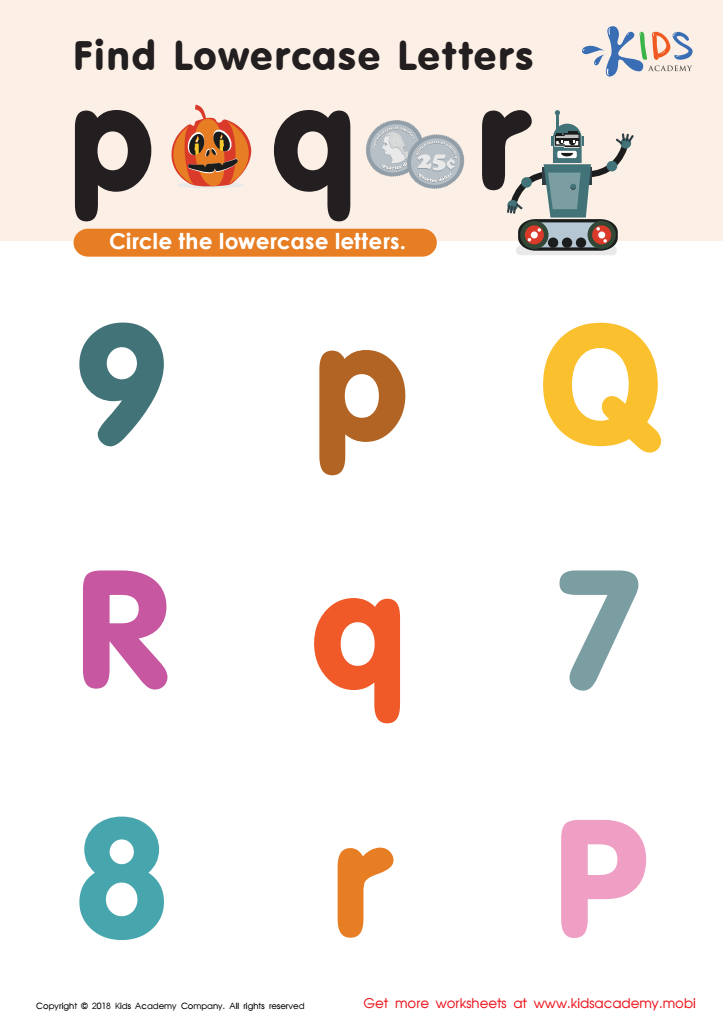
Find lowercase Letters p q r Worksheet
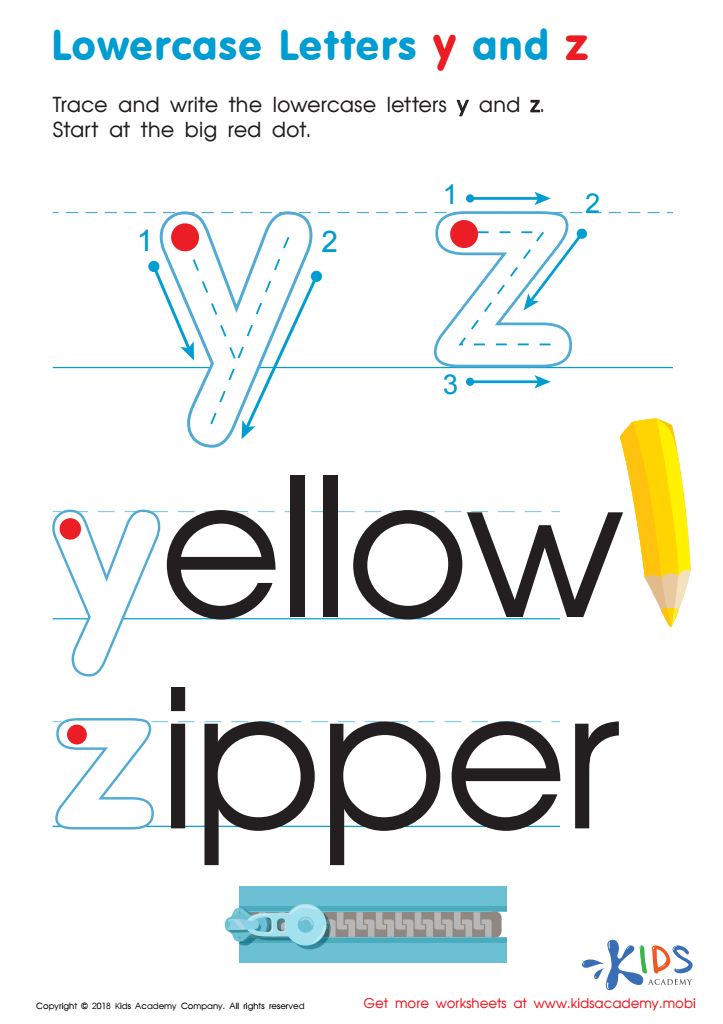
Lowercase Letters y z Worksheet
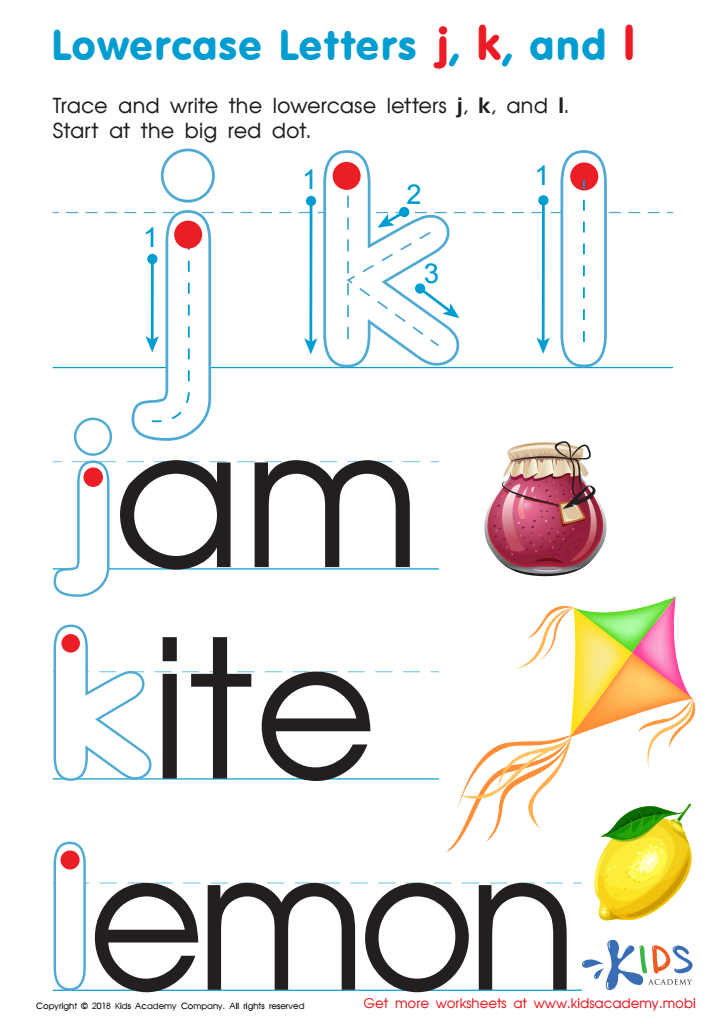
Lowercase Letters j k l Worksheet

Find lowercase Letters s t u Worksheet
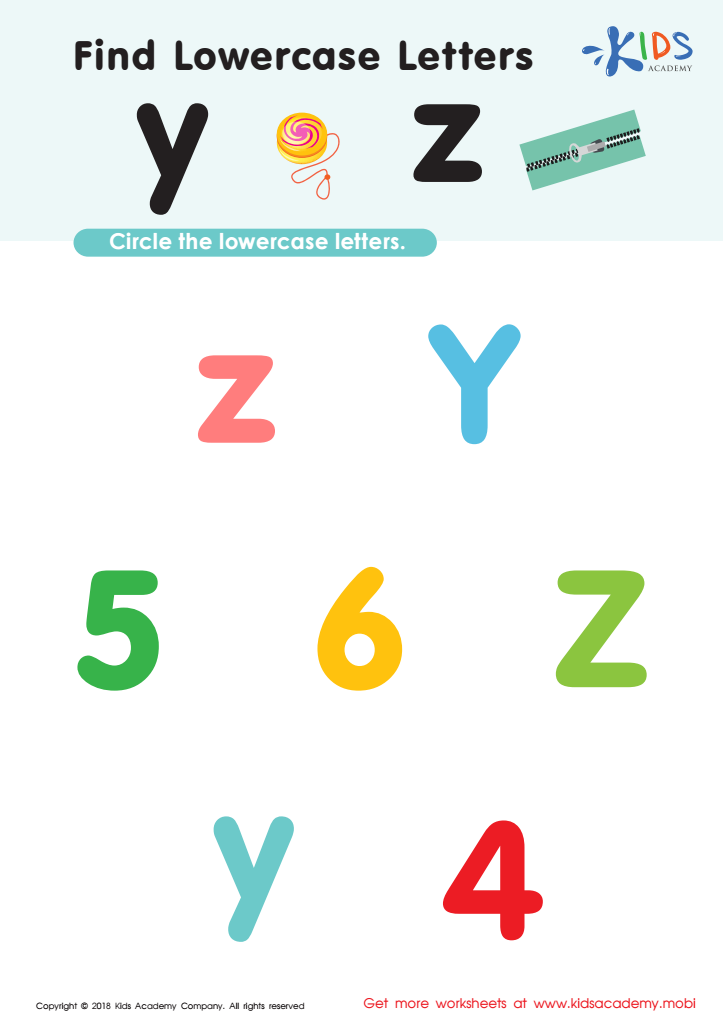
Find Lowercase Letters y z Worksheet

Lowercase Letters m n o Worksheet

Lowercase Letters d e f Worksheet
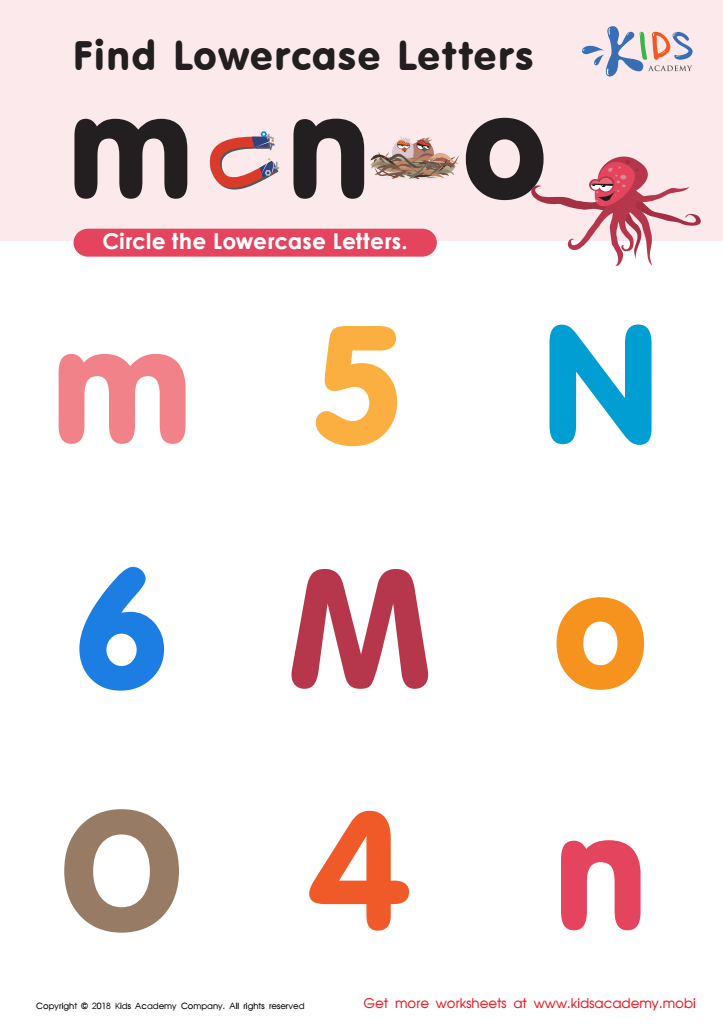
Find Lowercase Letters m n o Worksheet
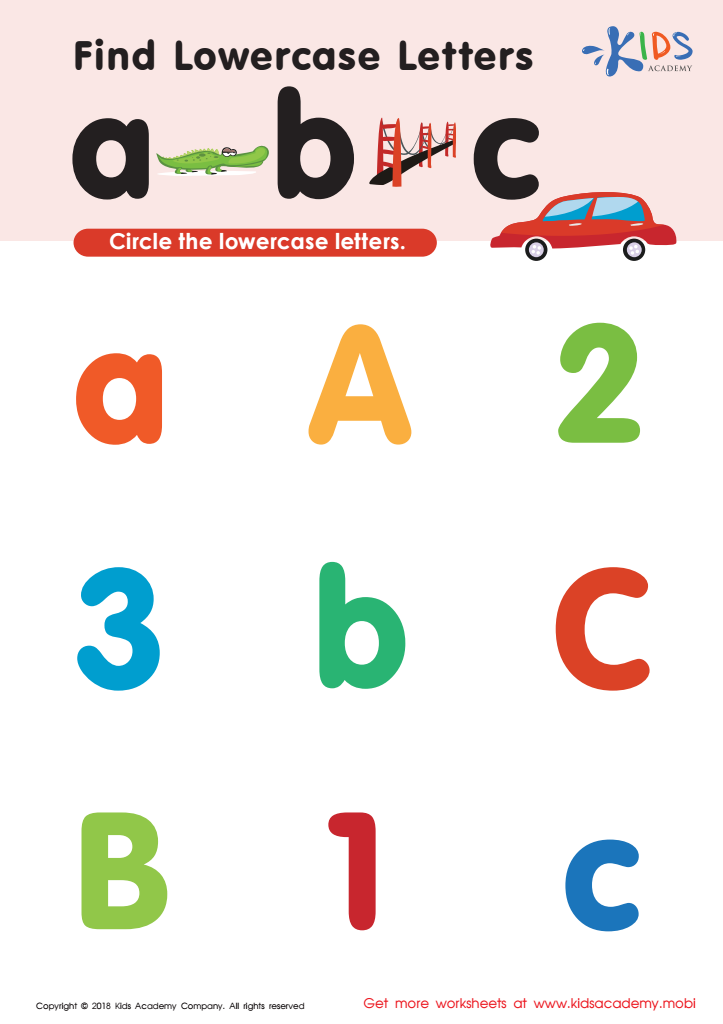
Find lowercase letters a b c Worksheet
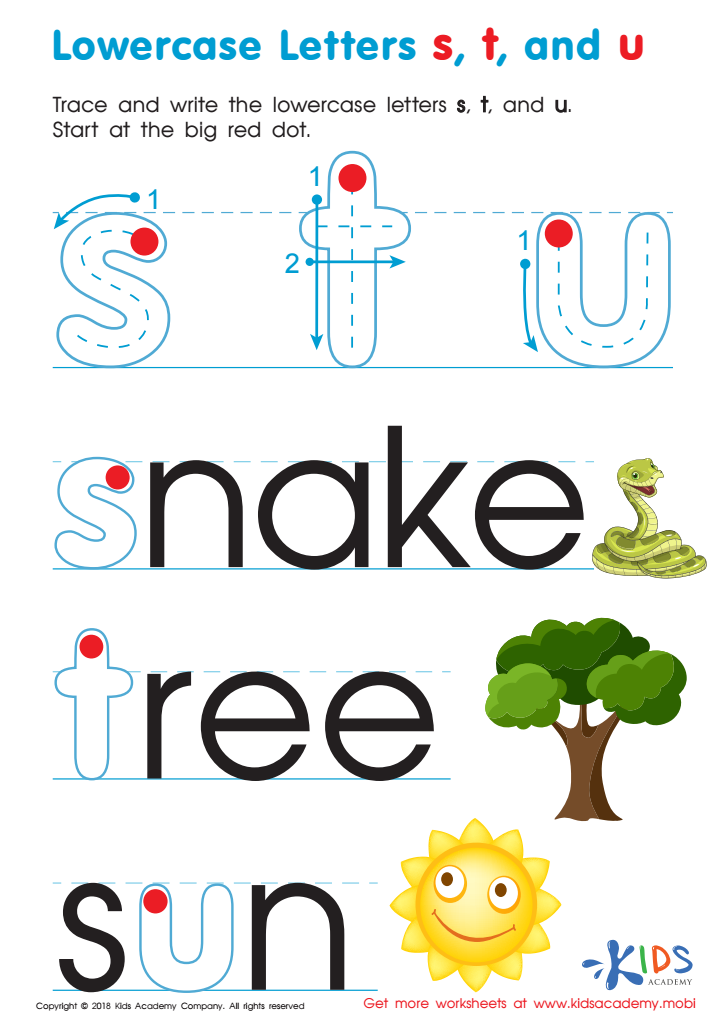
Lowercase Letters s t u Worksheet
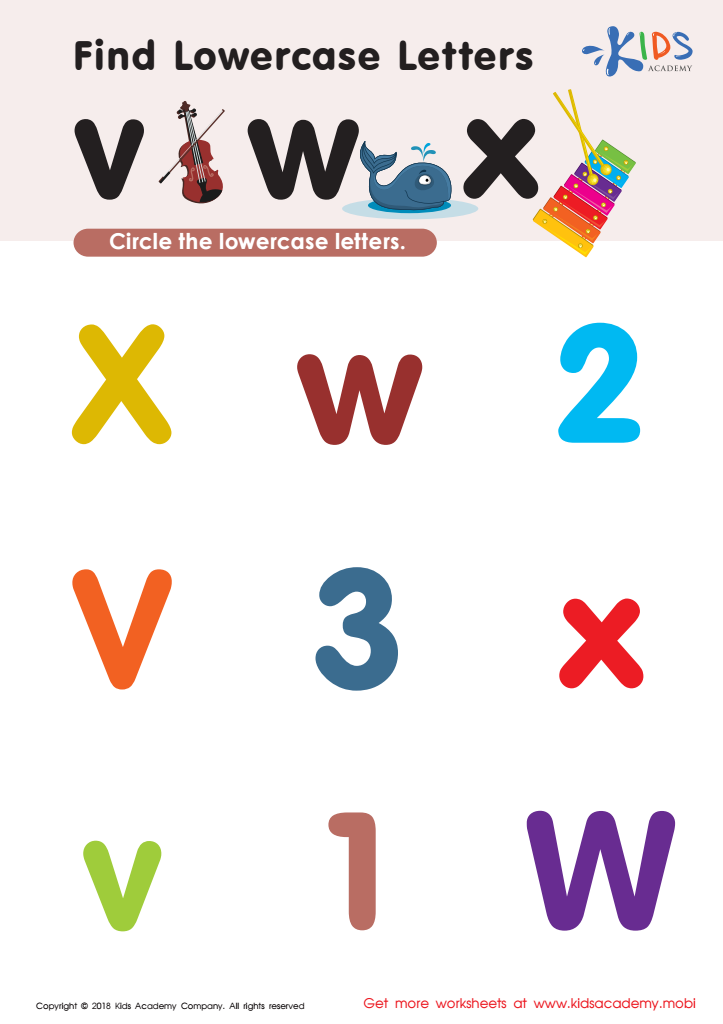
Find Lowercase Letters v w x Worksheet
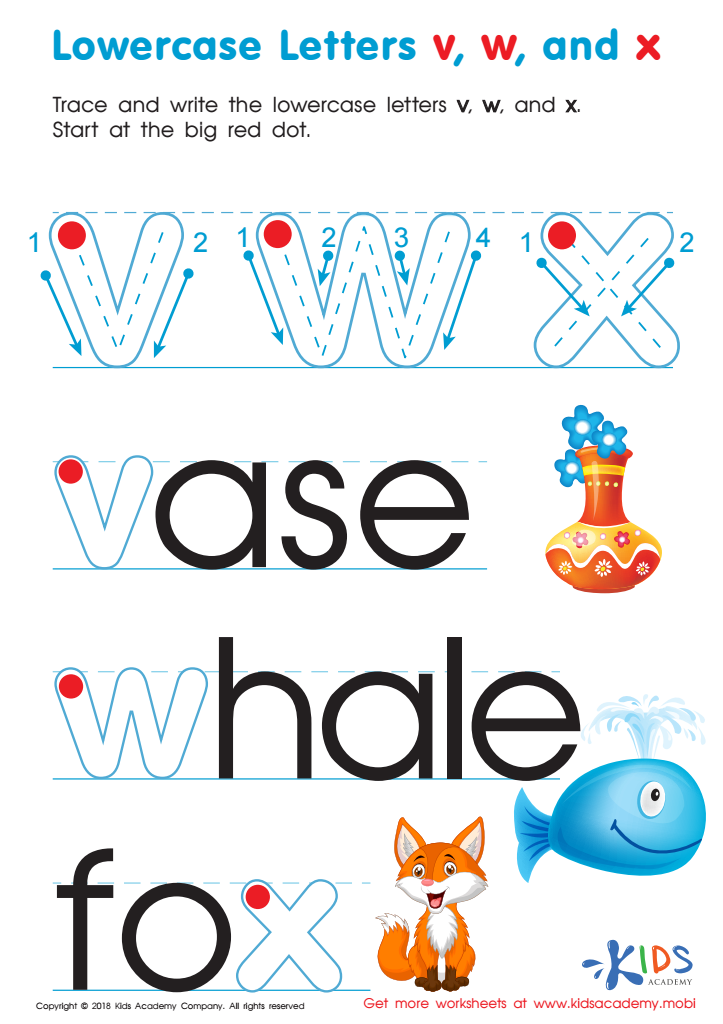
Lowercase Letters v w x Worksheet


Fine motor skills involve the coordination of small muscles in hands and fingers, which is crucial for young children aged 3-5. Developing these skills is essential for various everyday tasks that are foundational for academic success and personal independence. For instance, fine motor skills aid in writing, drawing, and using scissors—activities are critical to early education. When children practice writing normal lowercase and small letters, they not only learn the alphabet but also improve hand-eye coordination, muscle dexterity, and control. This practice sets the stage for clear and efficient writing, which is pivotal in their upcoming academic journey.
Moreover, honing fine motor skills fosters self-reliance in daily activities such as buttoning clothes, tying shoes, and feeding themselves. All these tasks build confidence and support emotional growth—a child who can independently accomplish these will naturally feel more capable and less frustrated. Parents and teachers should encourage activities that promote fine motor development, such as puzzles, clay modeling, and threading beads. Early intervention and consistent practice can help children overcome any developmental delays, ensuring that they have the best possible start in their formative years. In summary, fine motor skills are a cornerstone of cognitive, social, and academic development, meriting attention from both educators and parents.