Basic Addition Skills Normal Worksheets for Ages 3-5
5 filtered results
-
From - To
Discover engaging and educational Basic Addition Skills Normal Worksheets designed specifically for children aged 3-5. These worksheets provide young learners with an enjoyable introduction to basic addition concepts, helping them develop essential early math skills. Each worksheet features colorful illustrations and age-appropriate problems that encourage interactive learning and boost confidence in numeracy. With a variety of fun activities, your little ones will practice counting, recognizing numbers, and solving simple addition problems in a playful, hands-on manner. Perfect for home or classroom use, these worksheets lay a solid foundation for future math success, making learning fun and accessible for every child!
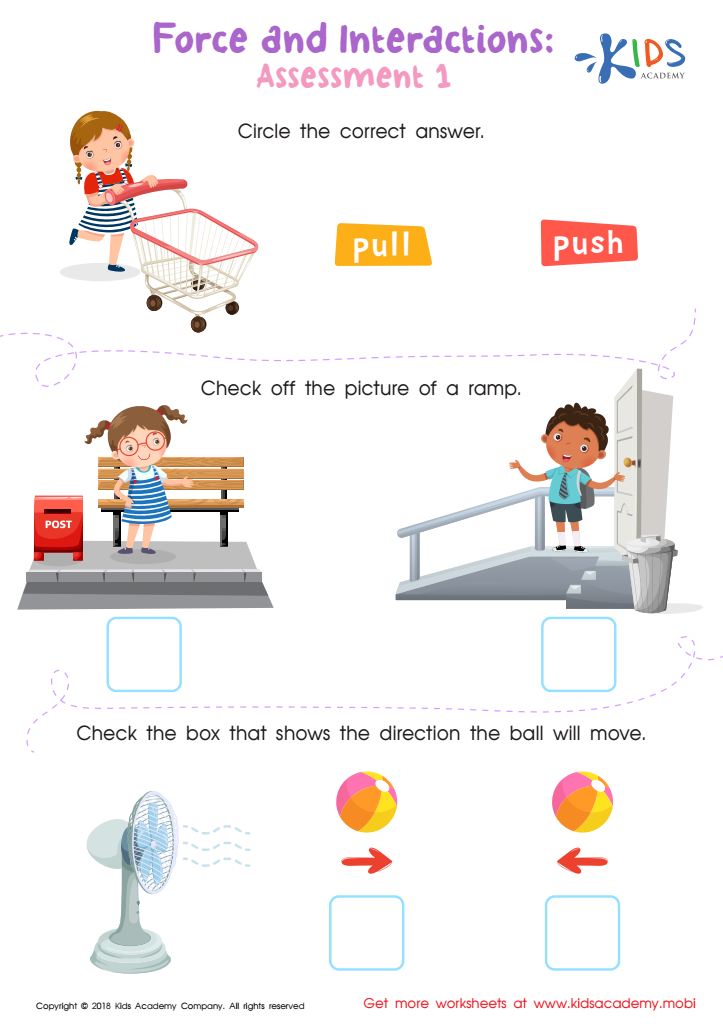
Force and Interactions: Assessment 1 Worksheet
 Assign to My Students
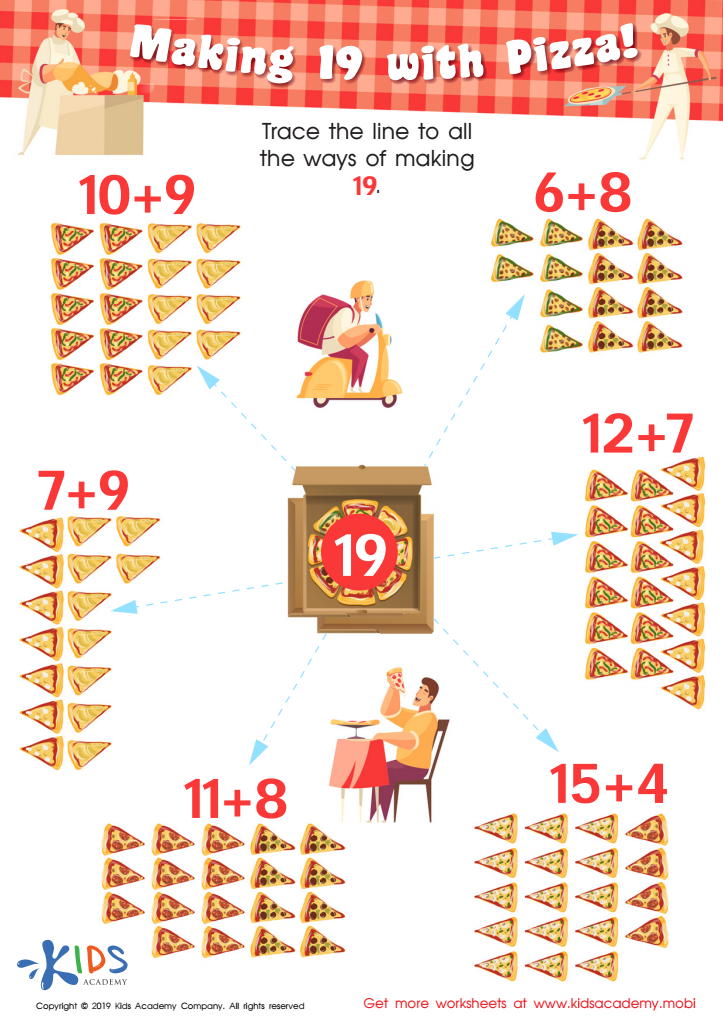
Making 19 with Pizza! Worksheet
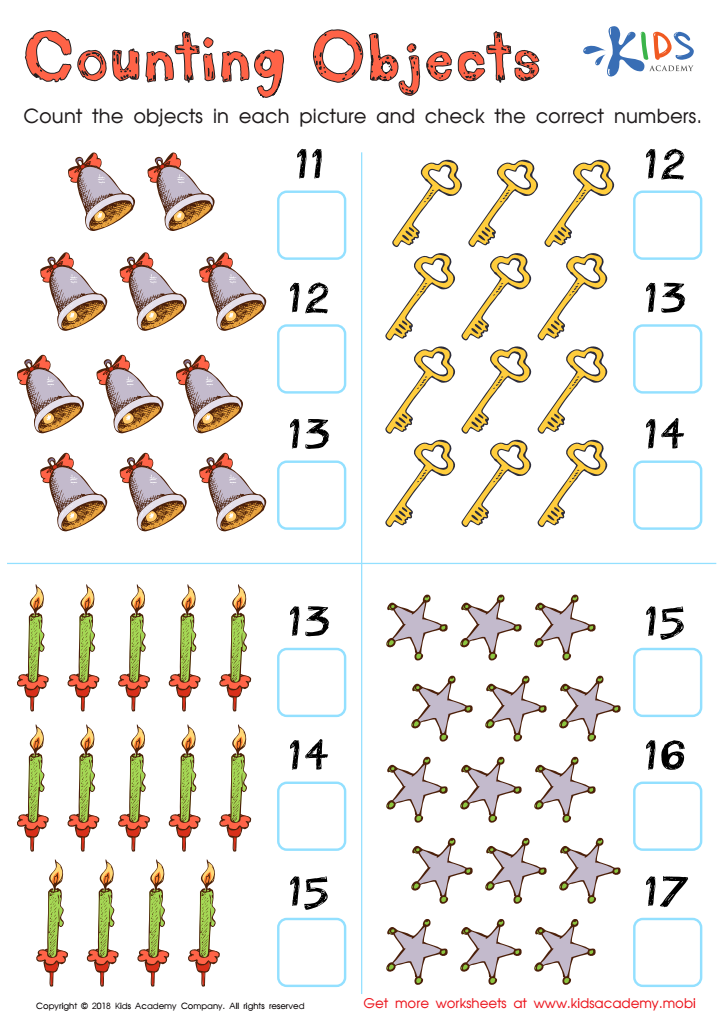
Counting Numbers Worksheet For Kindergarten
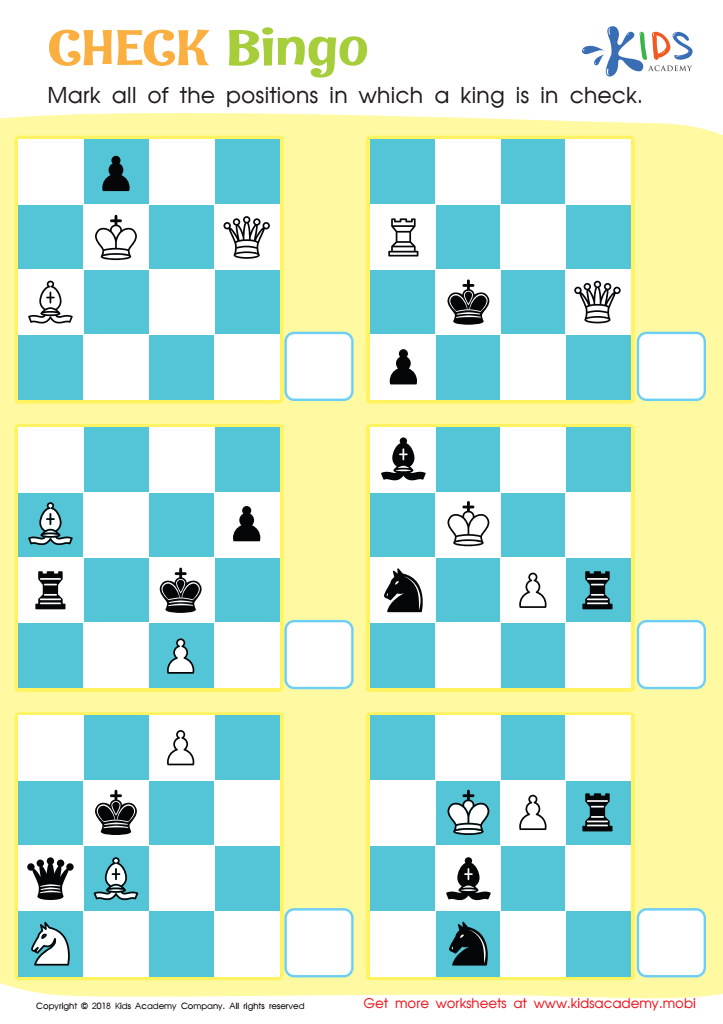
Check Bingo Worksheet
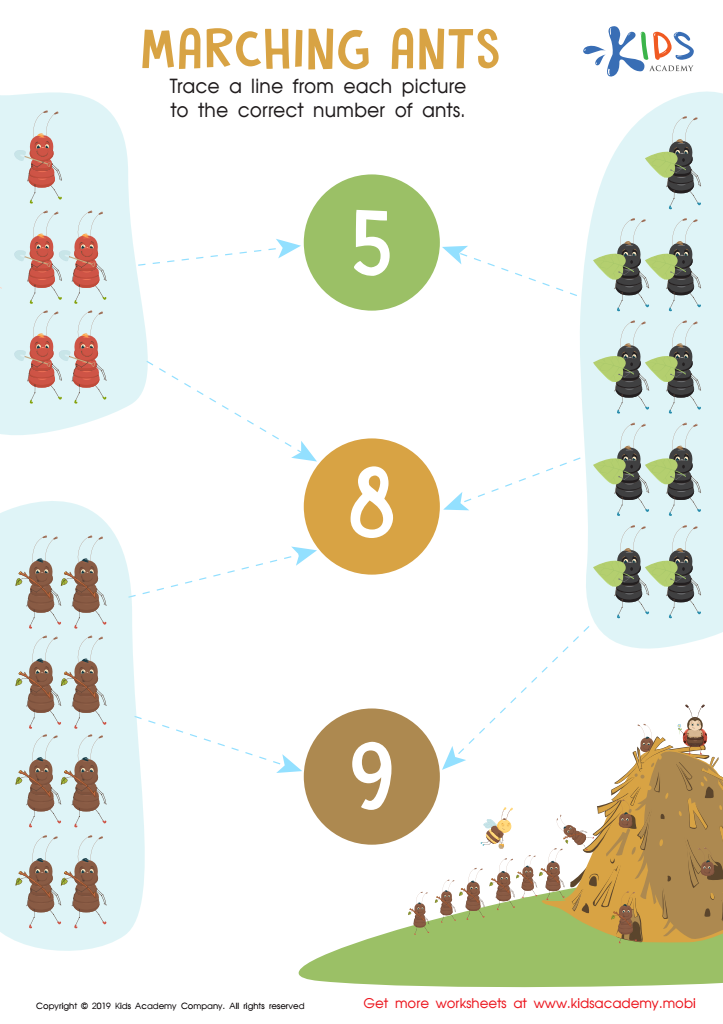
Marching Ants Worksheet






Basic addition skills are foundational for children aged 3-5, laying the groundwork for their future learning in mathematics and critical thinking. At this age, children are naturally curious and eager to explore numbers and quantities. As parents and teachers, fostering these skills can significantly enhance a child's cognitive development and problem-solving abilities.
Understanding addition helps children develop a sense of numerical comprehension, improving their ability to relate to the world around them. For instance, they begin to grasp concepts such as "more" and "less," which are essential for everyday interactions—whether sharing toys or understanding time. Additionally, these basic math skills are linked to a child's overall academic success; studies show that early math knowledge predicts later achievements in more complex subjects.
Engaging children in fun, interactive activities—such as using fingers, counting blocks, or singing songs—makes learning enjoyable. It strengthens their social skills as they learn to work together during playtime. Furthermore, practicing these skills boosts their confidence, creates a positive learning experience, and reinforces perseverance and resilience in facing challenges. Ultimately, a solid grasp of basic addition prepares young learners for more advanced mathematical concepts, helping them thrive in future academic endeavors.








