Handwriting practice Normal Worksheets for Ages 3-5 - Page 3
56 filtered results
-
From - To
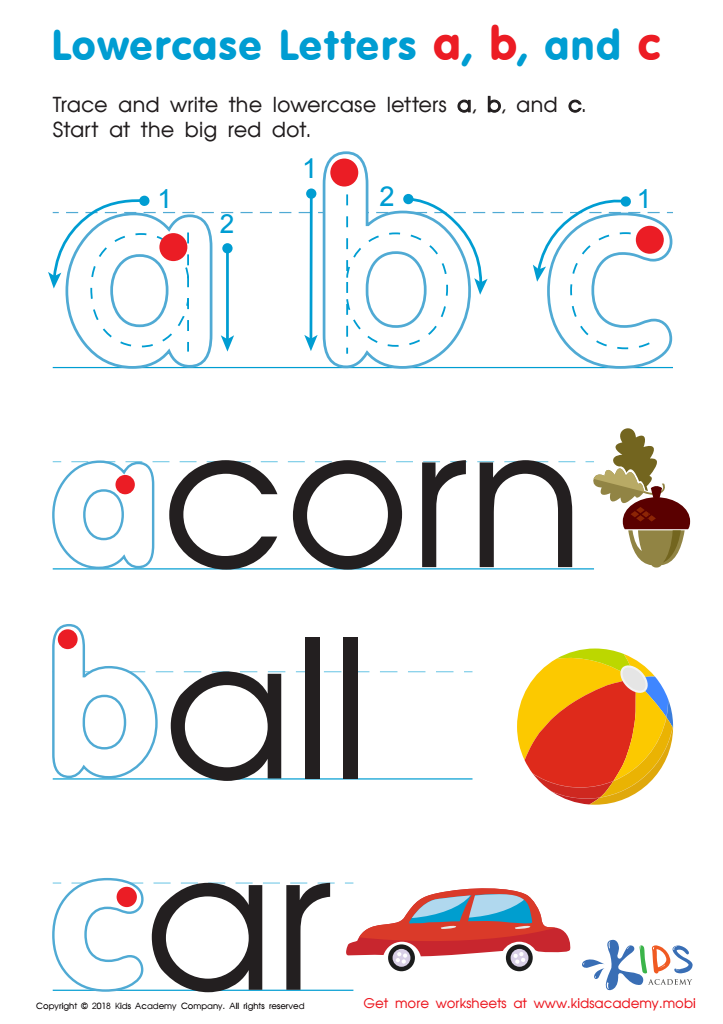
Lowercase Letters a b c Worksheet
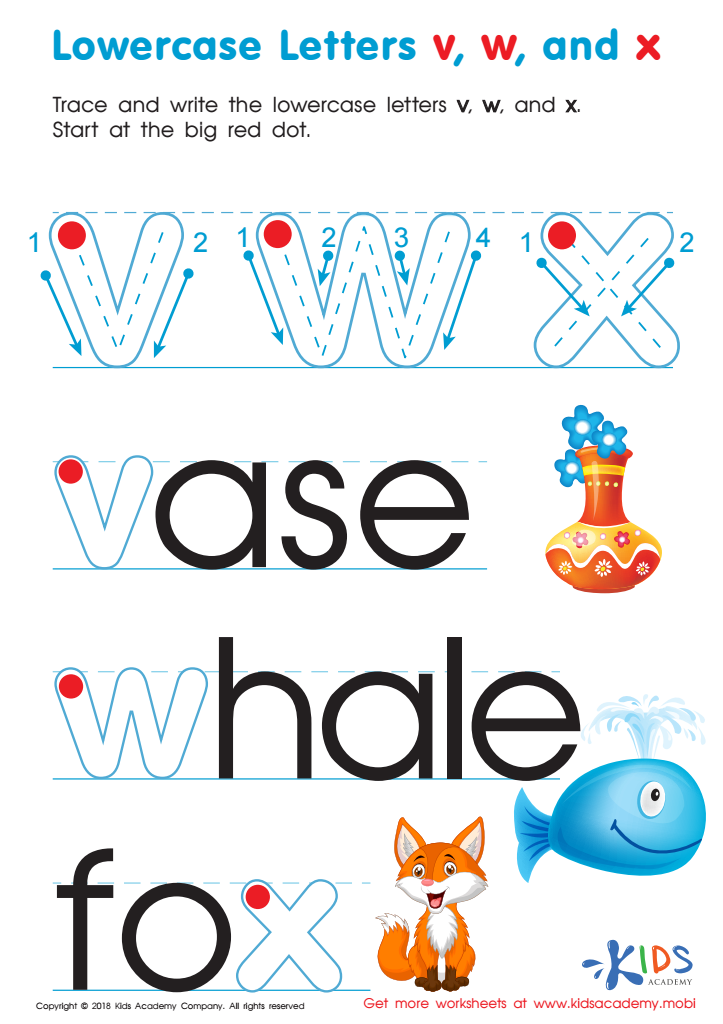
Lowercase Letters v w x Worksheet
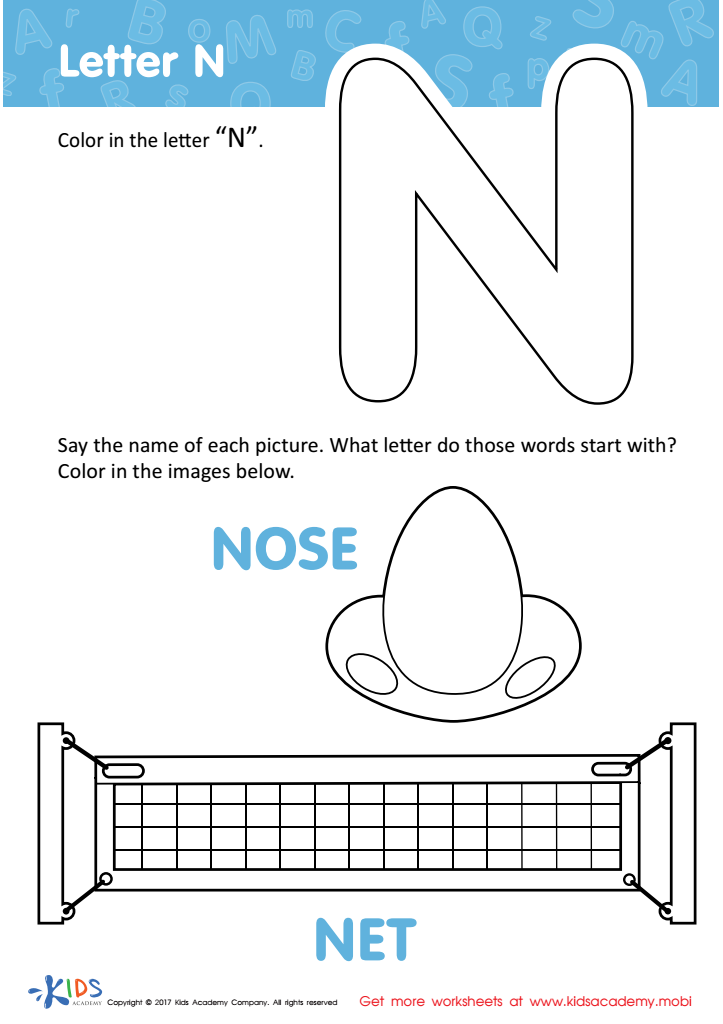
Letter N Coloring Sheet
 Assign to My Students
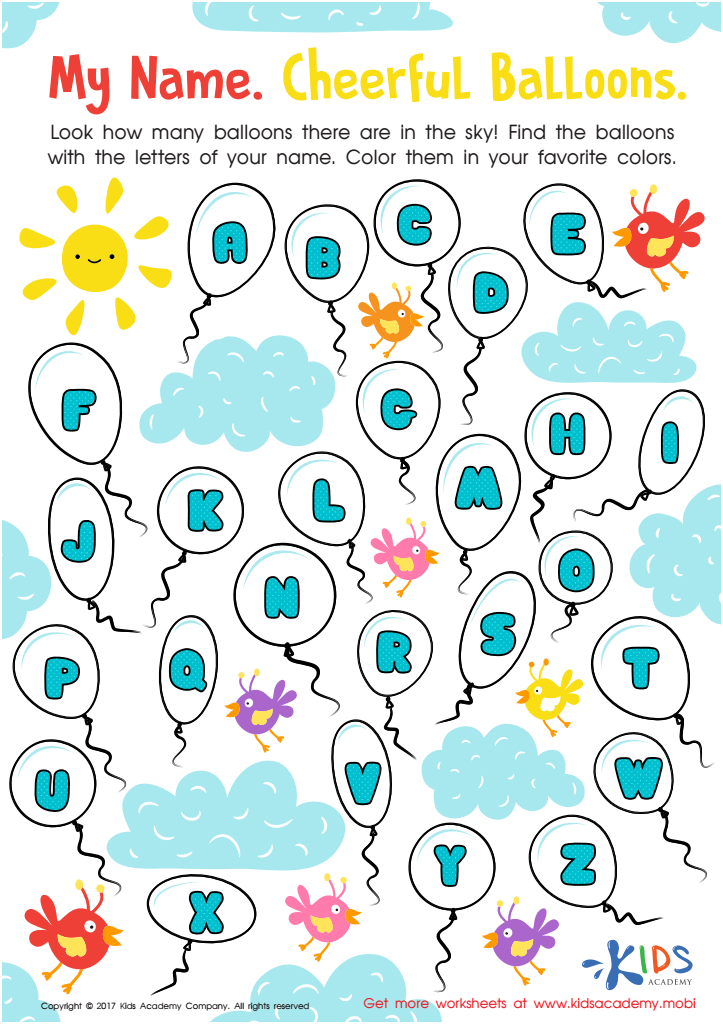
My Name: Cheerful Balloons Worksheet
Assign to My Students
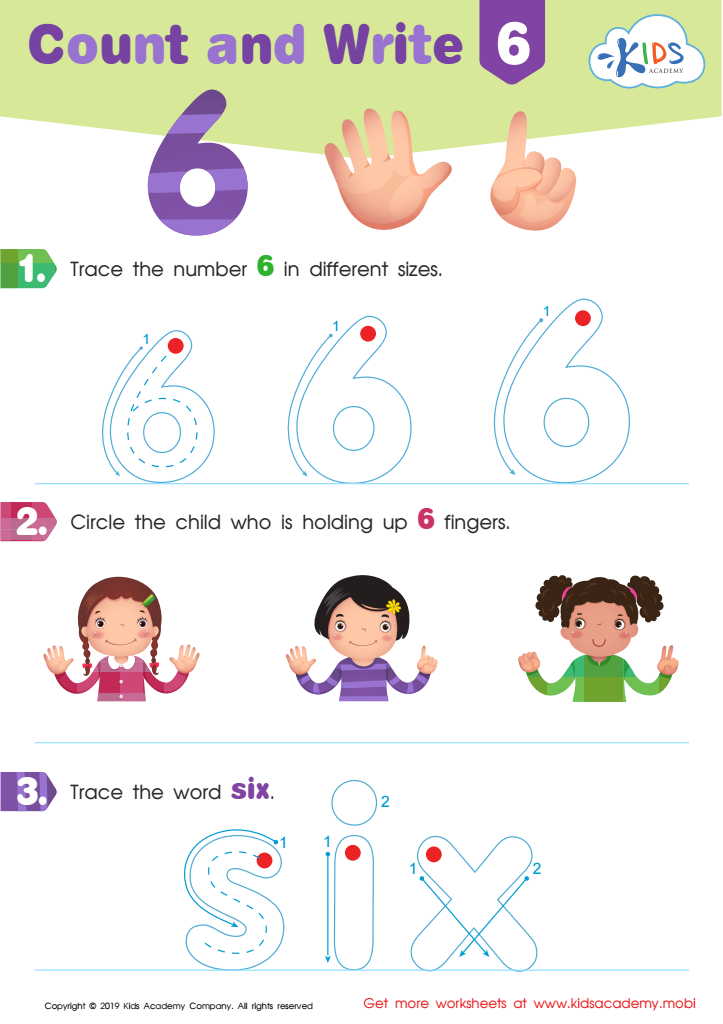
Count and Write 6 Worksheet
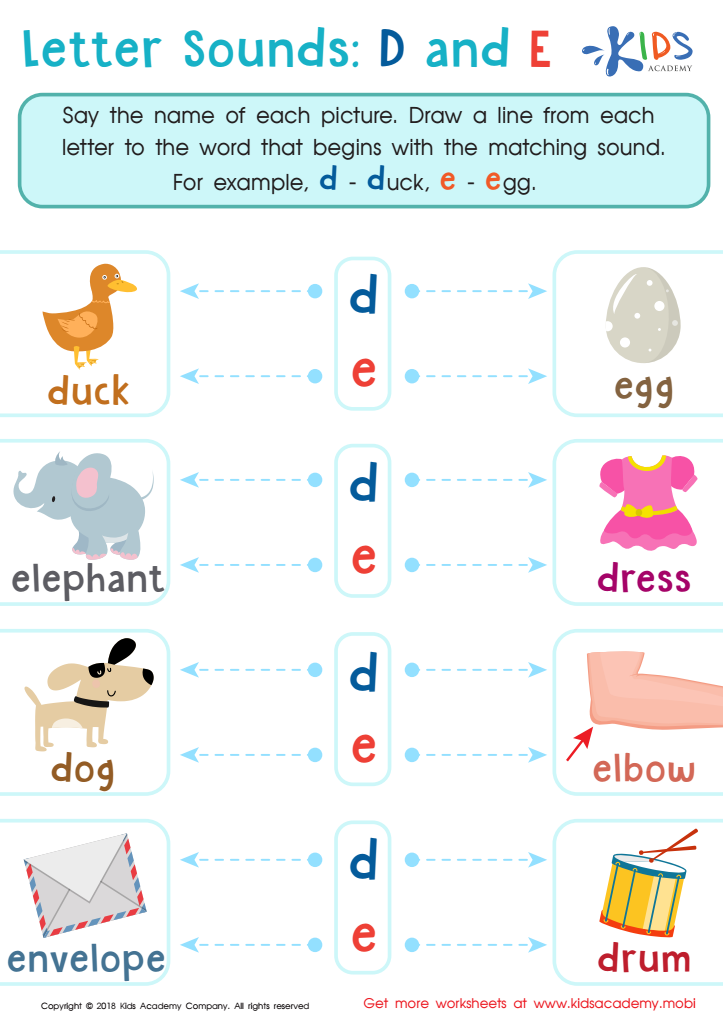
Letter D and E Sounds Worksheet
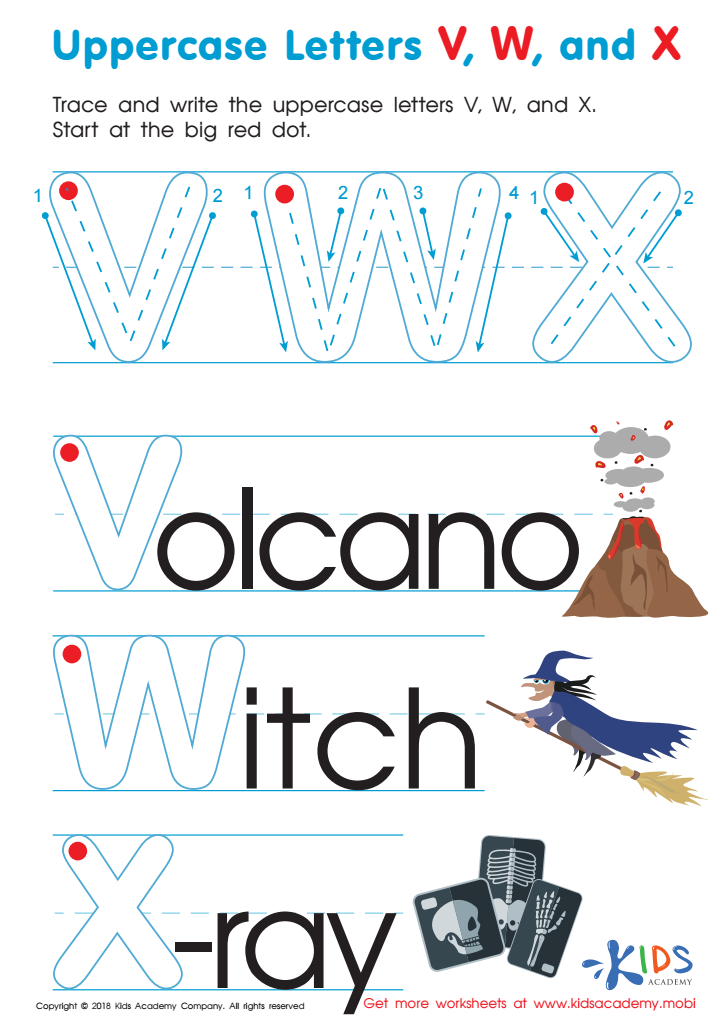
Uppercase Letters V, W, and X Worksheet
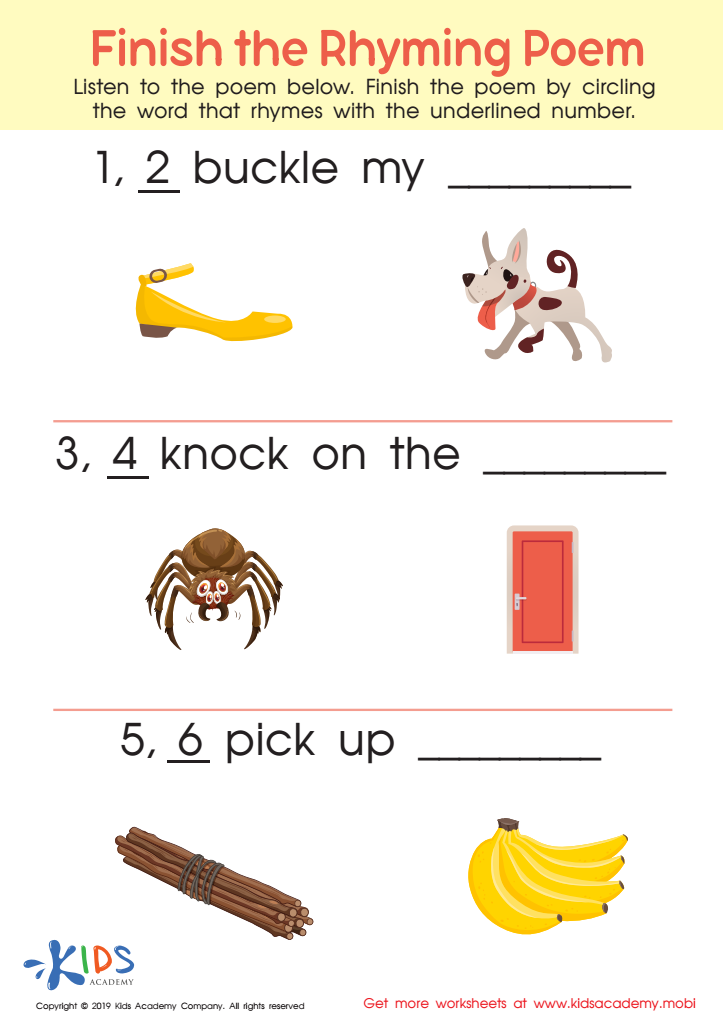
Finish Rhyming Poem Worksheet






Handwriting practice is vital for children aged 3-5 as it lays the foundation for their future academic success and fine motor development. During these early years, children are developing essential skills that contribute to their cognitive, emotional, and physical growth. By engaging in handwriting practice, children enhance their fine motor skills, improving hand-eye coordination and dexterity, which are crucial for various daily activities.
Moreover, handwriting helps children develop cognitive skills, such as memory and concentration. As they learn to form letters and words, they actively engage in the process, reinforcing language concepts and literacy. This practice not only fosters language acquisition but also instills a sense of achievement and pride as they master new skills, boosting their self-confidence.
For parents and teachers, supporting handwriting practice can create positive connections and interactions during learning. It provides an opportunity for collaborative activities that strengthen relationships and create enriched learning environments. Additionally, handwriting practice can help with classroom readiness and smooth transitions into formal education settings. Thus, investing time in handwriting helps promote a holistic developmental approach that nurtures children's growth and prepares them for lifelong learning.








