Problem-Solving Skills Normal Worksheets for Ages 3-5 - Page 3
51 filtered results
-
From - To
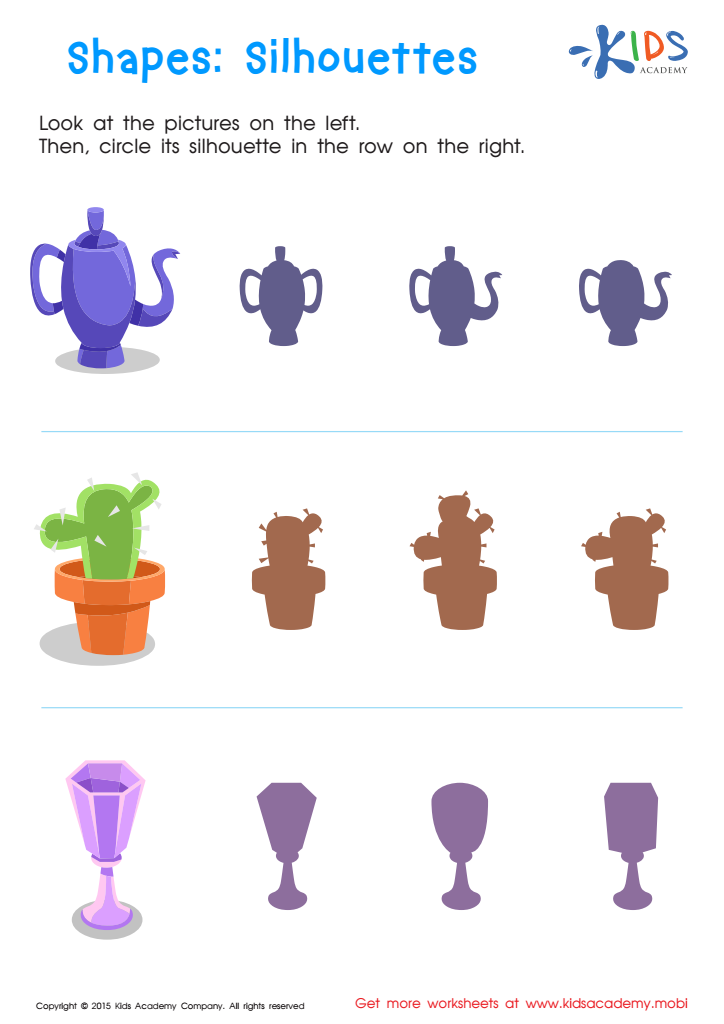
Silhouettes – Shapes Worksheet
 Assign to My Students
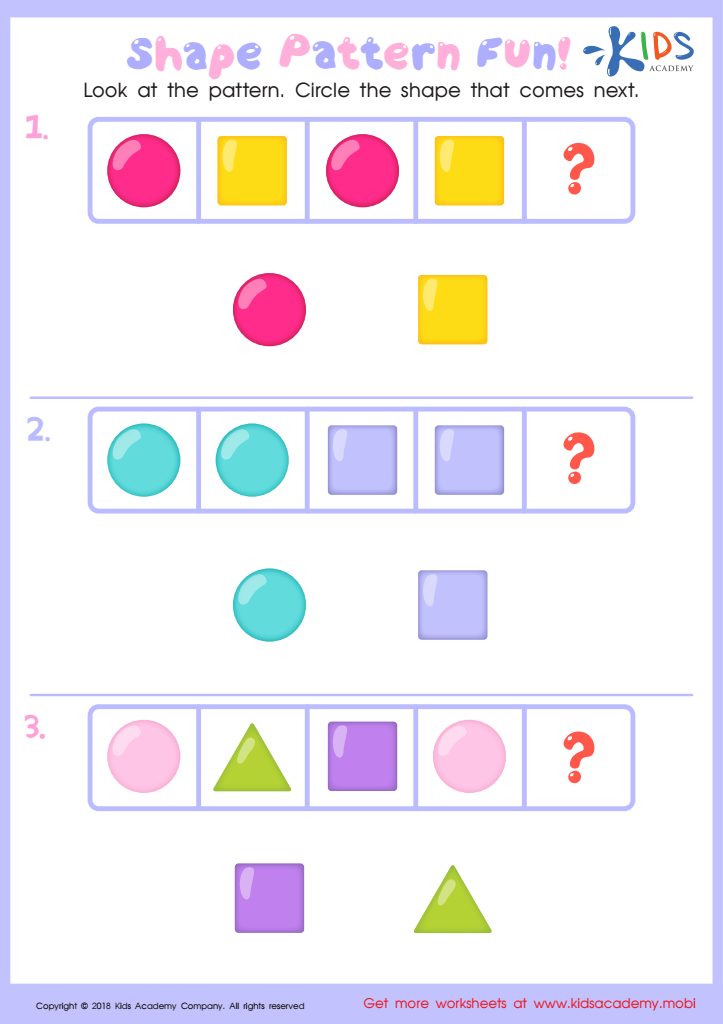
Shape Pattern Fun Worksheet
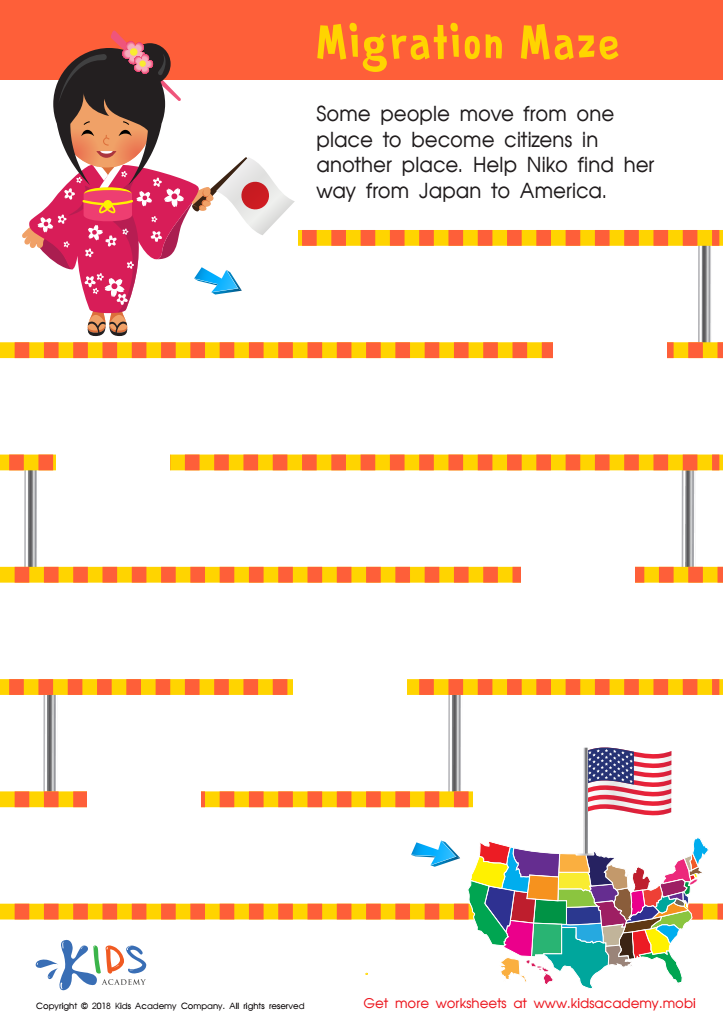
Migration Maze Worksheet






Problem-solving skills are crucial for children aged 3-5 as they lay the foundation for future learning, development, and everyday functioning. During these early years, children are naturally curious and eager to explore their environment. Encouraging problem-solving helps them learn how to think critically, analyze situations, and arrive at solutions independently.
Parents and teachers should care about the development of these skills because they foster resilience and independence. Children who learn to overcome challenges are better prepared to handle obstacles in school and life. Moreover, problem-solving enhances cognitive development, improving cognitive functions such as reasoning, memory, and attention. Through playful exploration, children engage with materials and experiences that teach them effective strategies to address issues, whether it’s building a tower that won’t fall or deciding how to share toys with peers.
Moreover, problem-solving is deeply intertwined with social and emotional skills. It encourages collaboration and communication, helping children work in teams and develop empathy. The ability to navigate conflicts with peers is vital for forming healthy relationships. Investing in problem-solving skills at this age cultivates a generation of thinkers, innovators, and empathetic individuals, laying the groundwork for lifelong learning and social competence.








