Fine Motor Skills Normal Counting Worksheets for Ages 3-5
3 filtered results
-
From - To
Enhance your child’s development with our "Fine Motor Skills Normal Counting Worksheets for Ages 3-5". Expertly designed, these engaging worksheets help children practice counting while honing their fine motor skills critical for writing. Each worksheet combines fun activities, like tracing numbers and coloring, to strengthen hand-eye coordination and pincer grip. Perfect for early learners, our resources foster both cognitive development and precision in movement. Give your child a head start in math and motor skills with our carefully crafted, educational materials. Discover the perfect blend of creativity and learning at Kids Academy to support your child's growth.

8 Petals Worksheet
 Assign to My Students







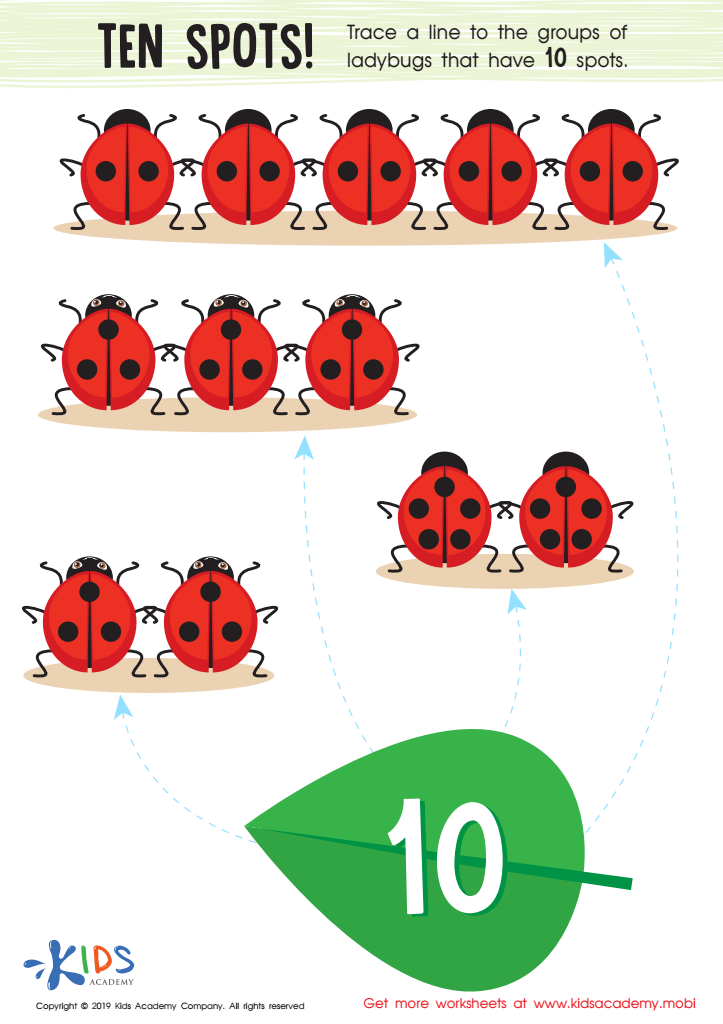
Ten Spots Worksheet
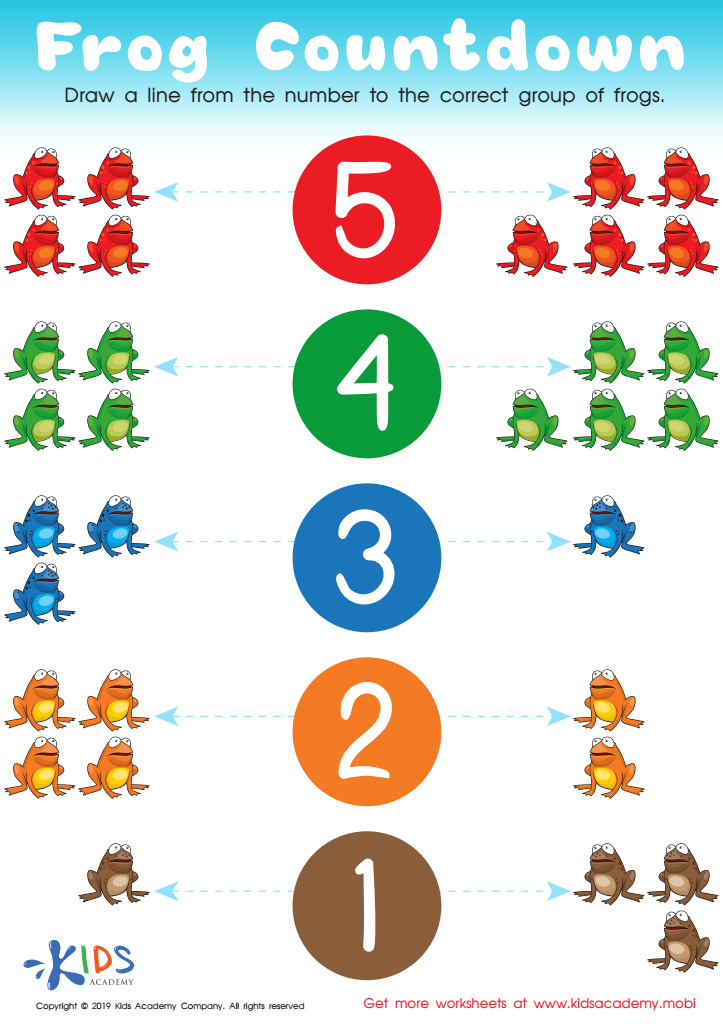
Frog Countdown Worksheet







Fine motor skills and counting abilities are foundational elements in early childhood development, playing a critical role in a child's overall growth. Parents and teachers should prioritize nurturing these skills between the ages of 3-5 for several reasons:
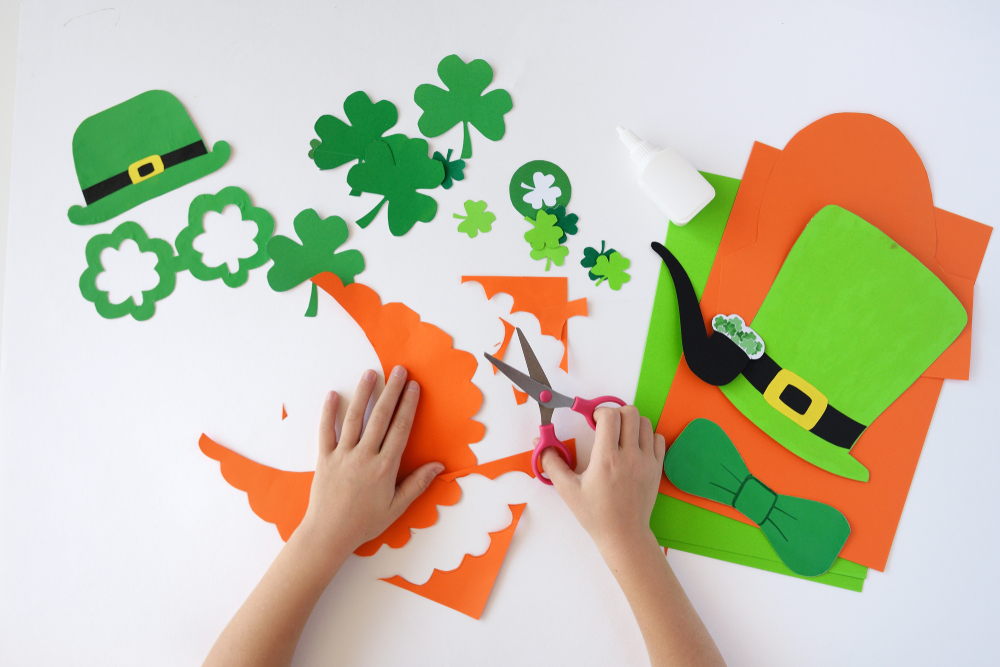
Fine Motor Skills: These involve the coordination of small muscles in the hands and fingers. Enhancing fine motor skills in children fosters independence in daily tasks such as buttoning clothes, tying shoelaces, and holding utensils. Further, fine motor proficiency is essential for academic tasks like writing, cutting with scissors, and assembling puzzles, laying the groundwork for future learning and classroom success.
Counting Skills: Counting offers a basic understanding of numbers and mathematics. For ages 3-5, normal counting skills include recognizing numbers, counting objects, and understanding the concept of quantity. Early counting also supports cognitive development by enhancing memory, pattern recognition, and problem-solving abilities. These elements are crucial for later math learning, ensuring children are prepared to grasp more complex numerical concepts as they advance in school.
Overall, developing fine motor and counting skills stimulates both the physical and cognitive aspects of a child's growth. This dual focus contributes to their readiness for academic challenges, promotes confidence, and supports a child's ability to perform everyday activities with increased autonomy. Investing time and effort in them establishes a resilient foundation for future achievement and learning.








