Sorting skills Normal Sorting Worksheets for Ages 3-5
5 filtered results
-
From - To
Enhance your child's early learning experience with our engaging Normal Sorting Worksheets designed for ages 3-5. These printable activities focus on developing sorting skills, helping young learners distinguish between different colors, shapes, sizes, and categories. Our worksheets encourage cognitive development and critical thinking, while fostering creativity and fine motor skills through fun, hands-on tasks. Perfect for at-home learning or classroom use, these resources make learning enjoyable and interactive. Download today to provide your child with the essential foundational skills they need for future academic success! Explore a variety of themes and enhance sorting skills with our well-organized and colorful worksheets.
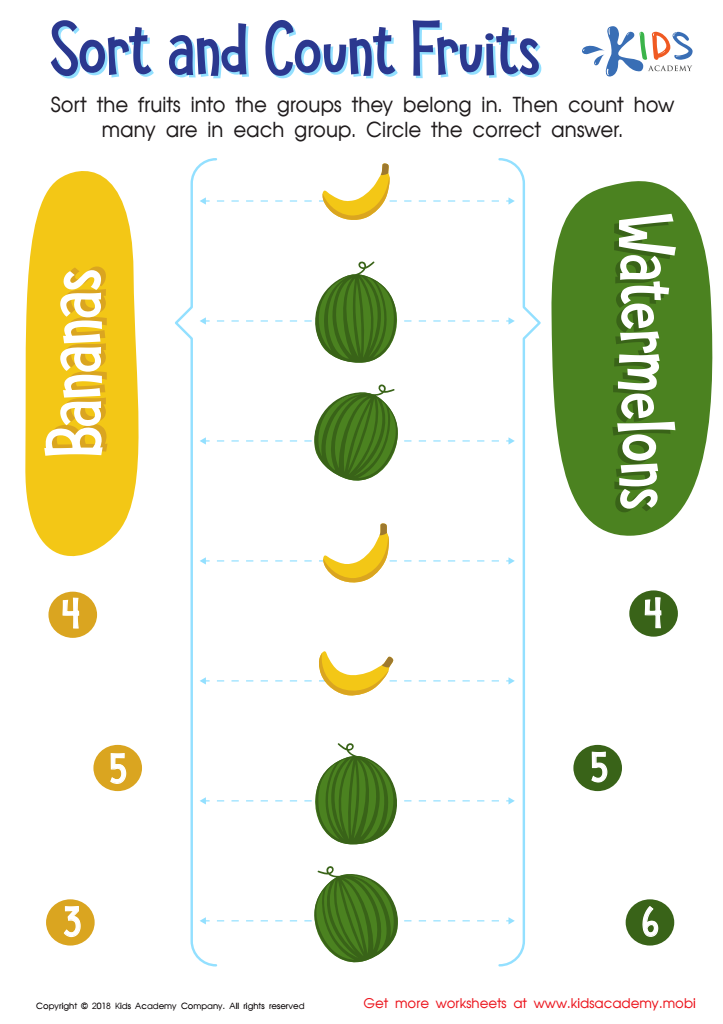
Sort and Count Fruits Worksheet
 Assign to My Students
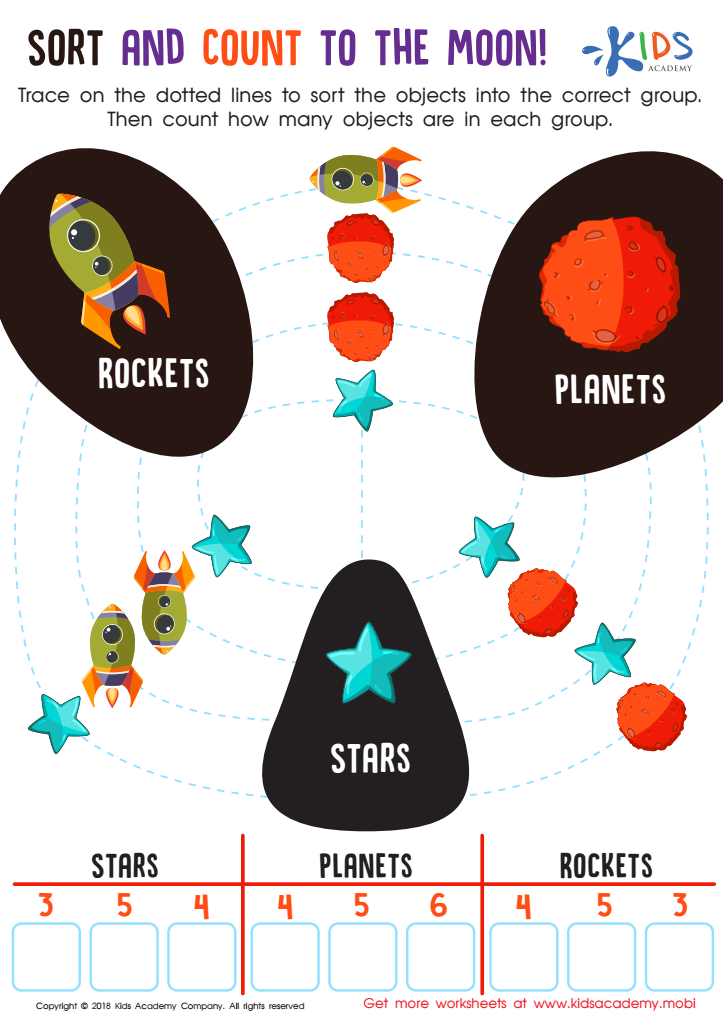
Sort and Count to the Moon Worksheet
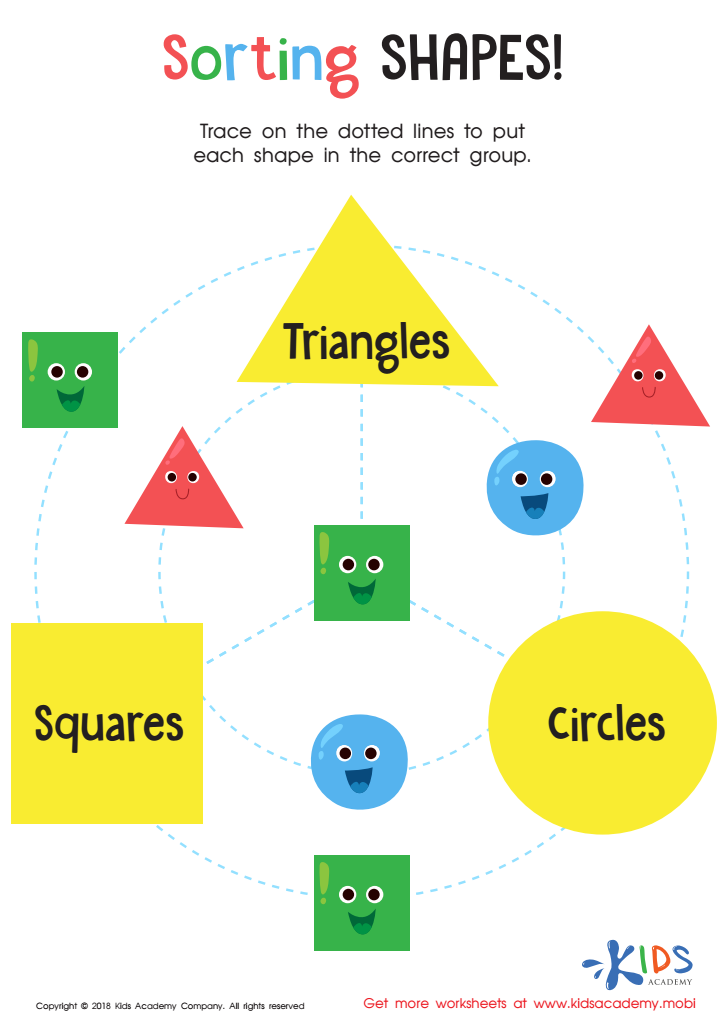
Sorting Shapes - Part 3 Worksheet
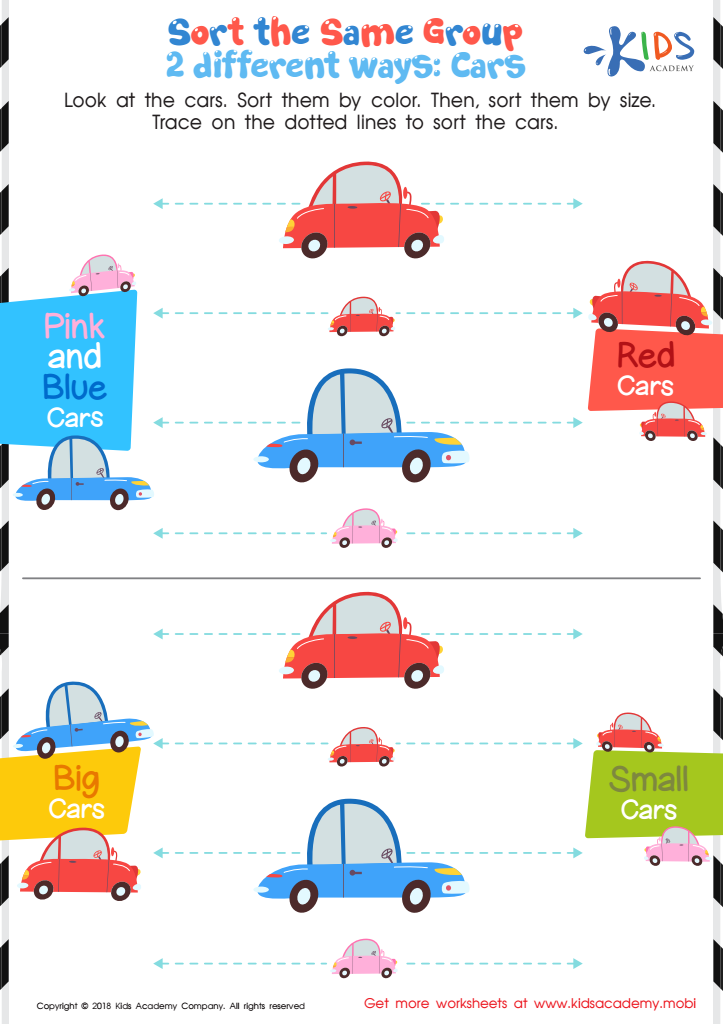
Sort the Same Group 2 Different Ways: Cars Worksheet
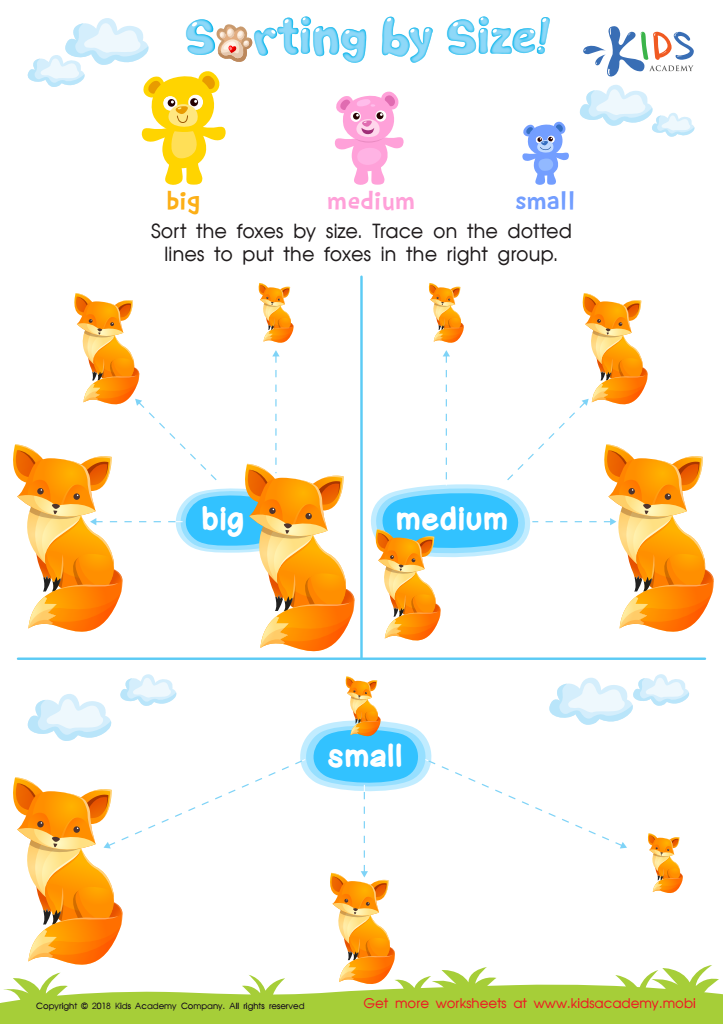
Sorting by Size Worksheet








Sorting skills are fundamental for children aged 3-5, as they lay the groundwork for critical cognitive development and problem-solving abilities. By engaging with sorting activities, young learners practice categorization, fostering recognition of similarities and differences among objects. This seemingly simple skill encourages logical thinking and helps enhance memory, as children remember where items belong.
Parents and teachers should prioritize sorting because it supports the development of foundational math concepts, such as counting, classifying, and understanding relationships between different sets. For instance, sorting toys by color or size teaches children to observe attributes, preparing them for future lessons on patterns and graphs.
Moreover, sorting nurtures fine motor skills as children manipulate objects, enhancing their hand-eye coordination. Socially, this activity can promote cooperative play and communication as children work together or explain their sorting methods to others.
Institutional investment in sorting skills embodies a holistic approach to learning, encouraging curiosity and self-directed exploration. Igniting a passion for categorization early on instills a sense of organization, which benefits children's academic journey and ability to tackle complex subjects later in life. As such, sorting serves as an engaging and enriching experience valuable for developmental goals.








