Critical Thinking Normal Building Vocabulary Worksheets for Ages 3-5
6 filtered results
-
From - To
Discover our "Critical Thinking Normal Building Vocabulary Worksheets" designed specifically for ages 3-5. These engaging worksheets aim to enhance young learners' vocabulary while fostering essential critical thinking skills. Each activity challenges children's ability to comprehend, analyze, and utilize language in fun, interactive ways. Ideal for preschool and kindergarten settings, our resources support developmental milestones and promote cognitive growth through imaginative exercises and relatable contexts. As children work through these worksheets, they'll engage creatively with words, boost their language proficiency, and gain confidence in their communication skills. Start nurturing their critical thinking abilities today with our thoughtfully crafted vocabulary worksheets!
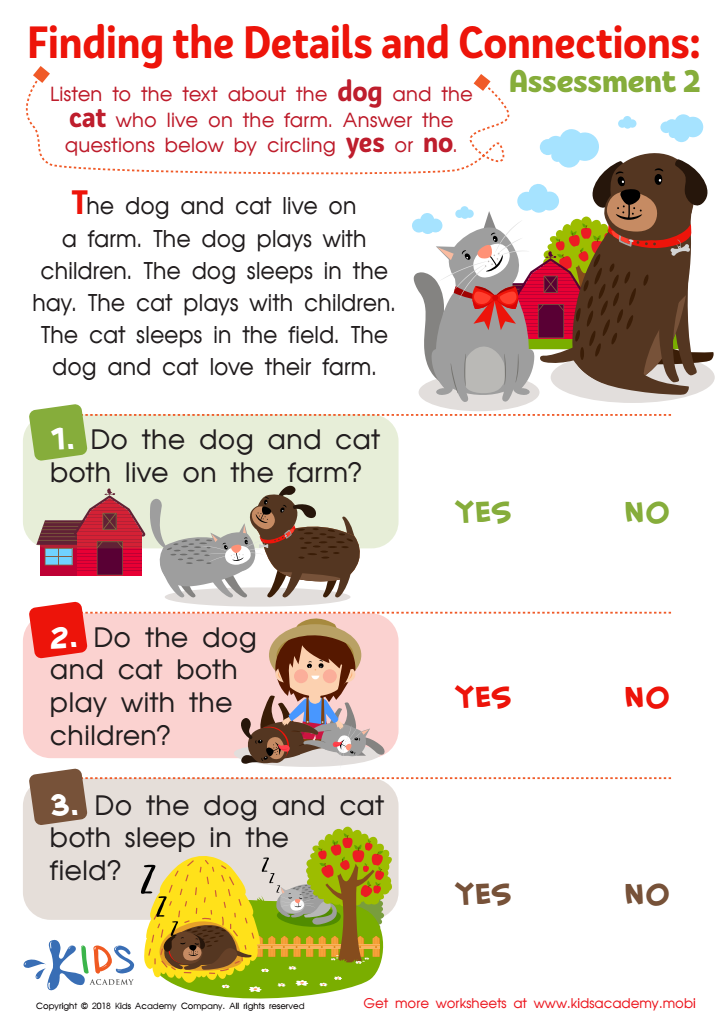
Finding the Details and Connections: Assessment 2 Worksheet
 Assign to My Students











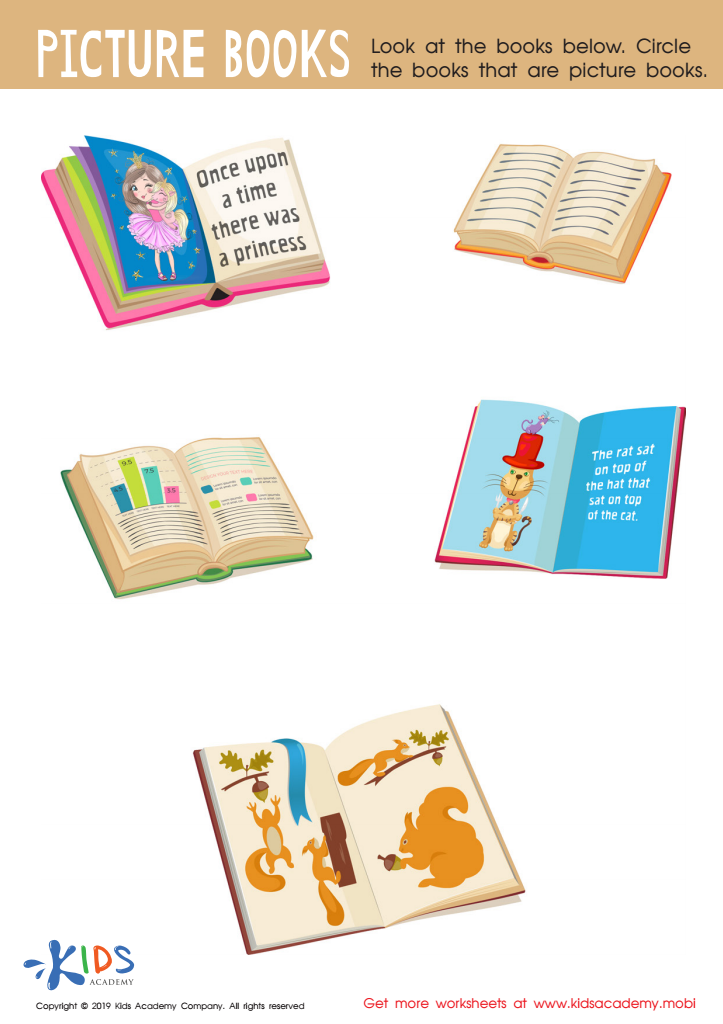
Picture Books Worksheet
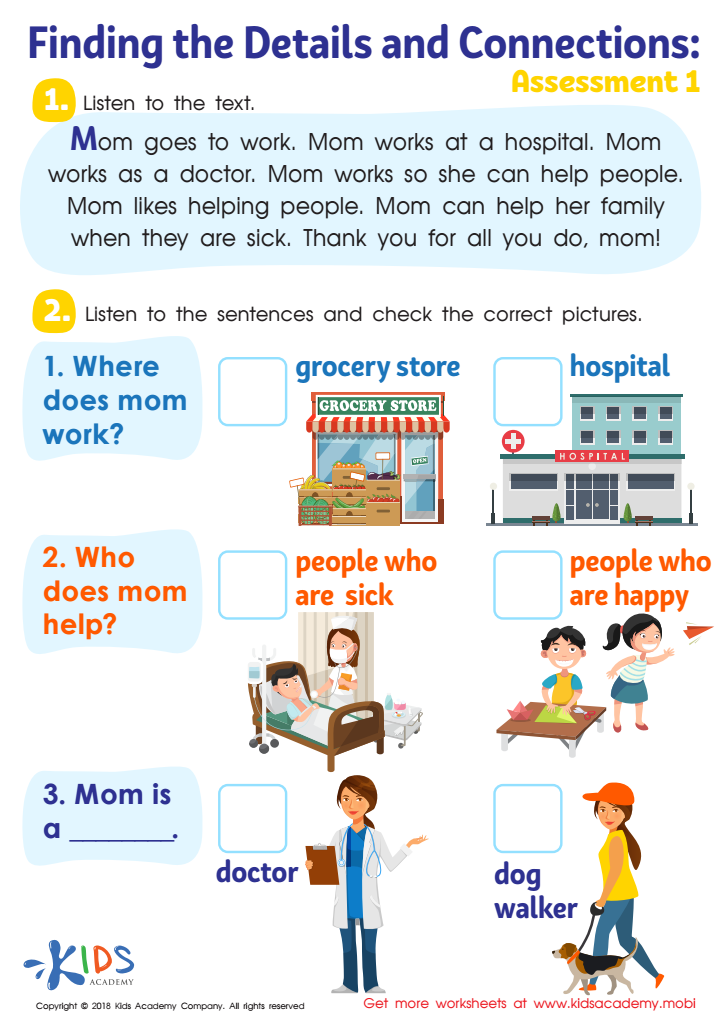
Finding the Details and Connections: Assessment 1 Worksheet
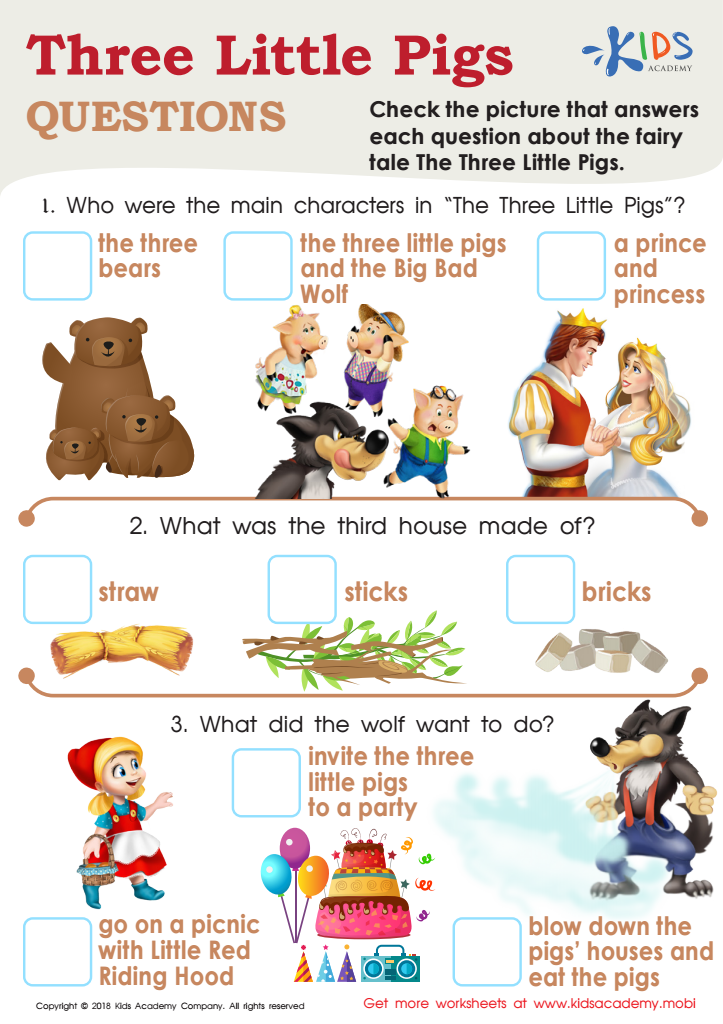
Three Little Pigs Questions Worksheet
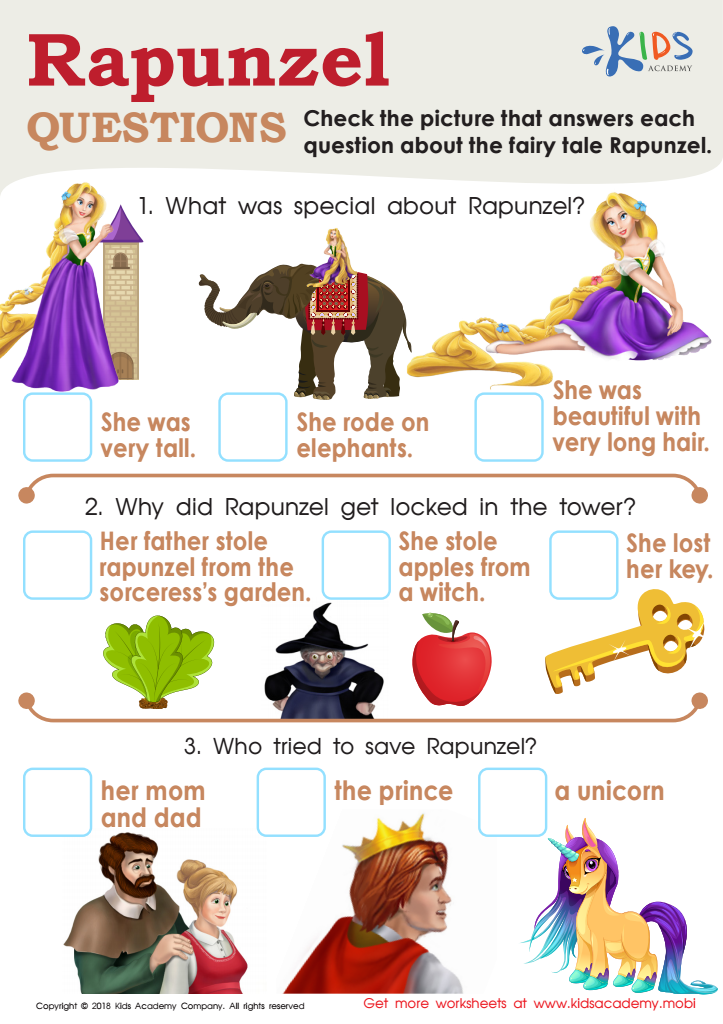
Rapunzel Questions Worksheet
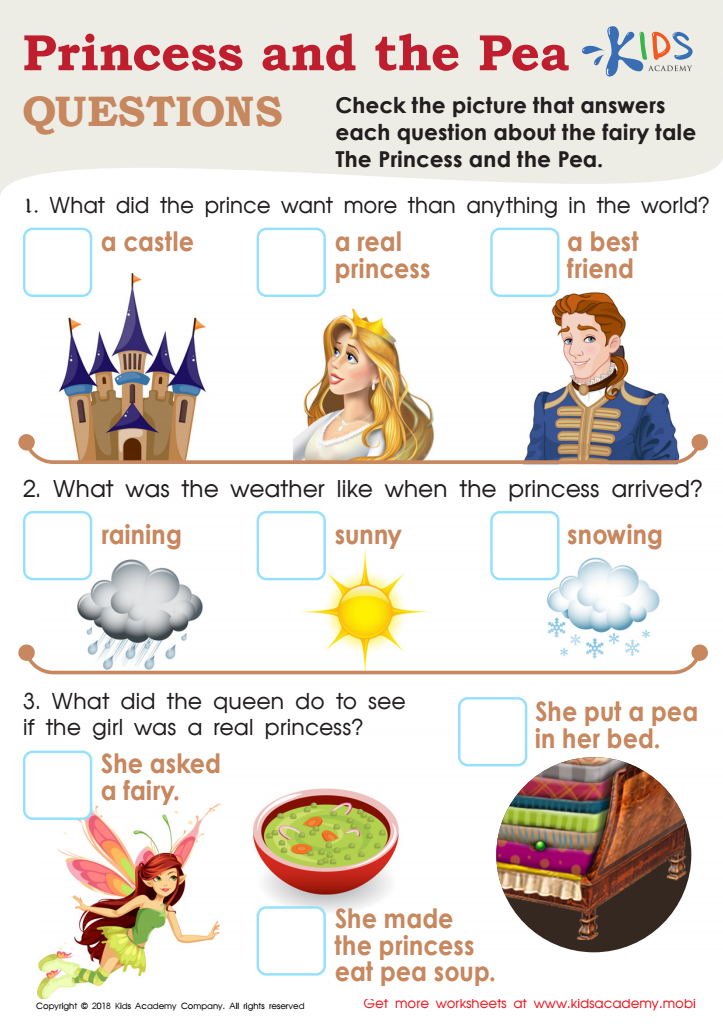
Princess and the Pea Questions Worksheet





.jpg)


Parents and teachers should prioritize building vocabulary for children aged 3-5 as it serves as a foundation for critical thinking skills. During these formative years, children naturally explore their environment and develop an understanding of the world around them. A robust vocabulary enhances their ability to articulate thoughts, ask questions, and make connections between ideas, promoting cognitive development.
Critical thinking involves analyzing information, evaluating options, and forming reasoned conclusions. When children possess a strong vocabulary, they are better equipped to engage in discussions, express their opinions, and navigate social interactions. This leads to improved problem-solving skills as they learn to articulate challenges, seek solutions, and consider multiple perspectives.
Furthermore, vocabulary building through play, storytelling, and interactive activities not only makes learning enjoyable but also nurtures children's curiosity. Engaging conversations about their feelings and observations fosters emotional intelligence, encouraging them to think critically about their experiences.
In summary, nurturing vocabulary development in young children lays the groundwork for critical thinking, enhances their communication abilities, and supports their overall growth. By investing in their linguistic skills, parents and teachers empower children to become confident thinkers and effective communicators—essential skills for lifelong learning.








