Vocabulary expansion Normal Building Vocabulary Worksheets for Ages 3-5
9 filtered results
-
From - To
Discover our engaging Vocabulary Expansion Normal Building Vocabulary Worksheets designed specifically for children ages 3-5. These worksheets encourage young learners to enhance their vocabulary through fun, interactive activities that promote language development. Each worksheet is thoughtfully crafted to introduce new words, perfect for building literacy skills in early childhood. With colorful illustrations and playful prompts, children will enjoy exploring new concepts while boosting their confidence in communication. Ideal for teachers and parents seeking effective ways to foster vocabulary growth, our resources provide a solid foundation for essential reading and writing skills. Start your child's language journey today!
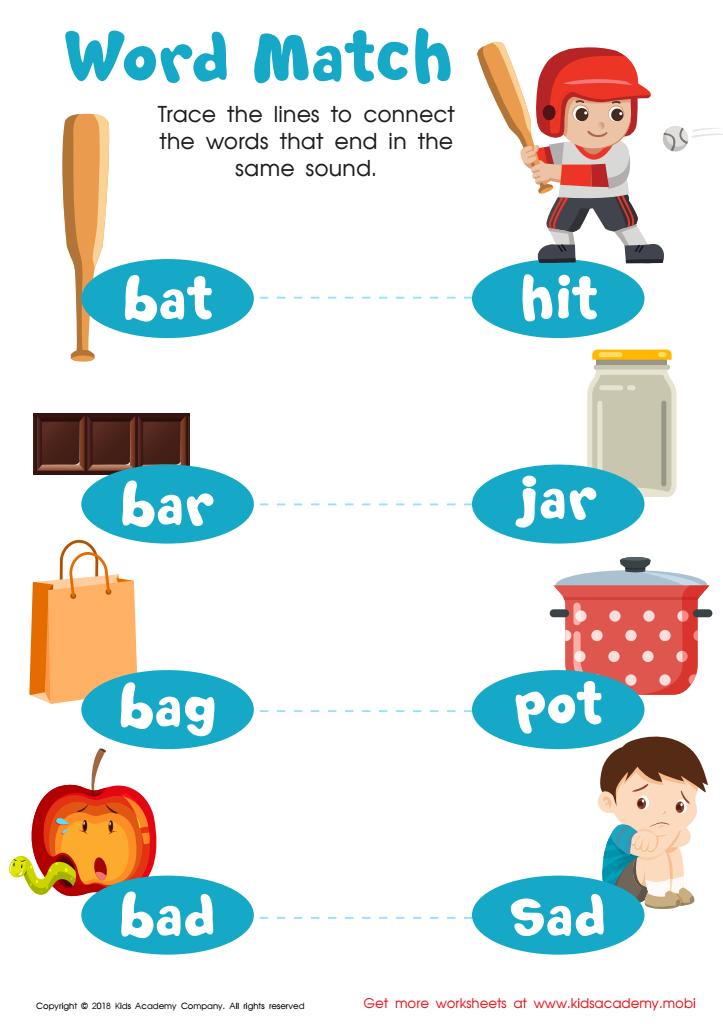
Word Match Reading Worksheet
 Assign to My Students











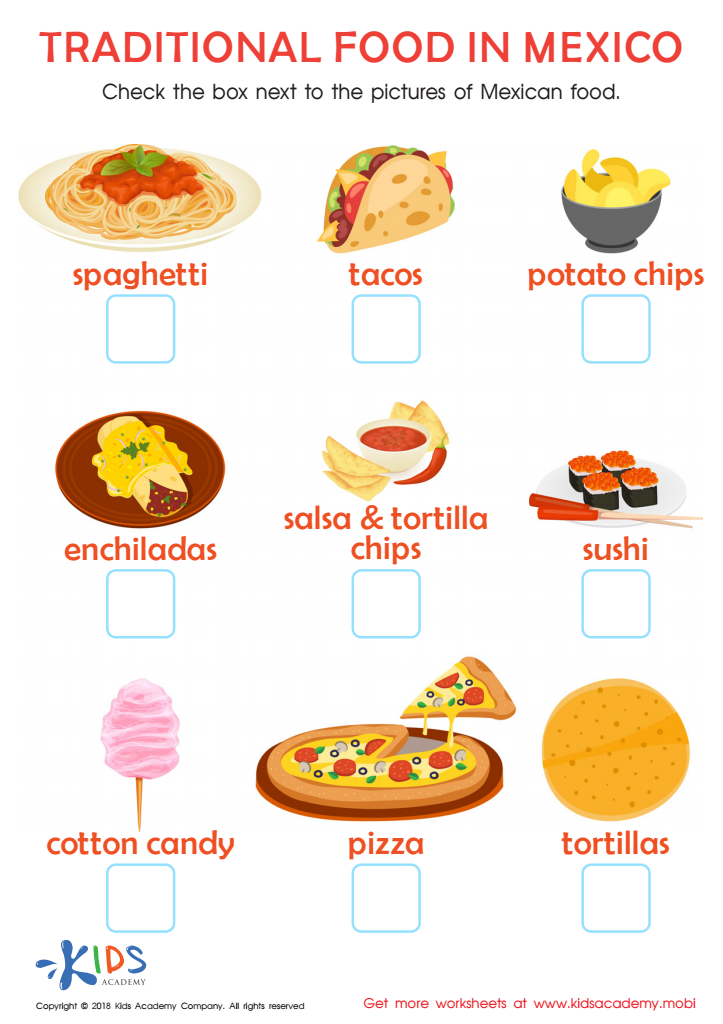
Traditional Food in Mexico Worksheet
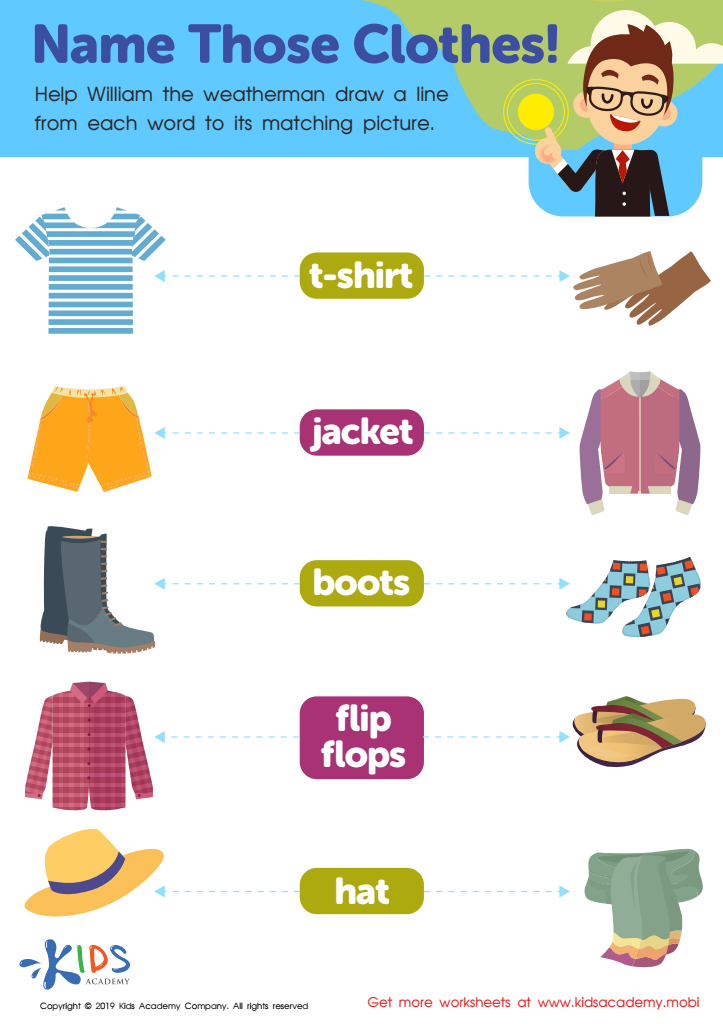
Name Those Clothes Worksheet
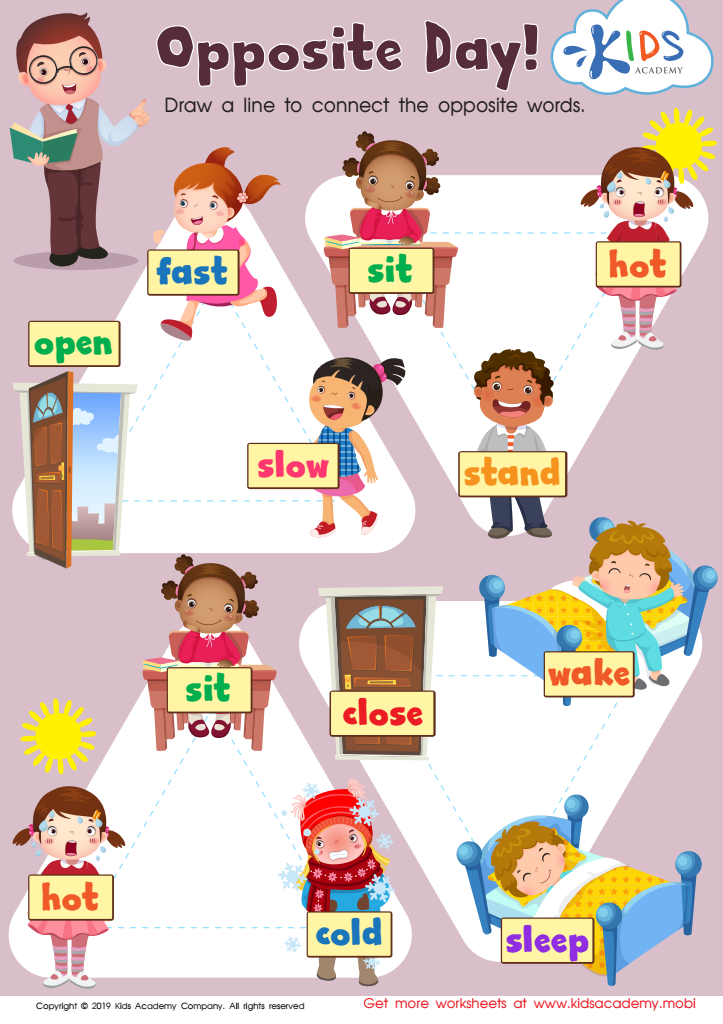
Opposite Day Worksheet
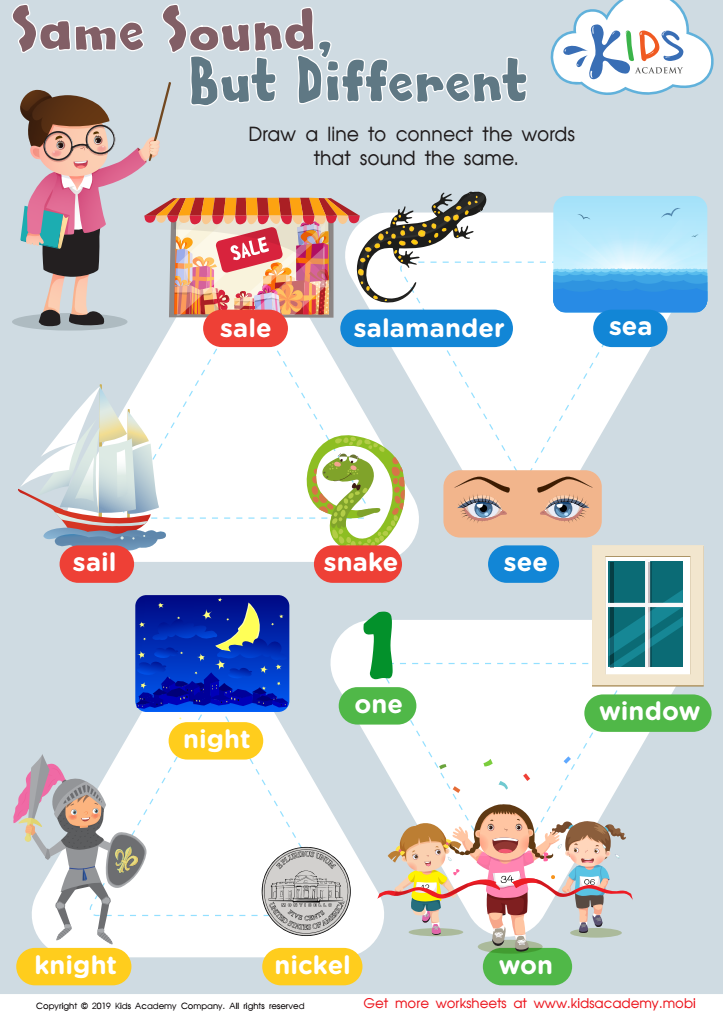
Sound Different Worksheet
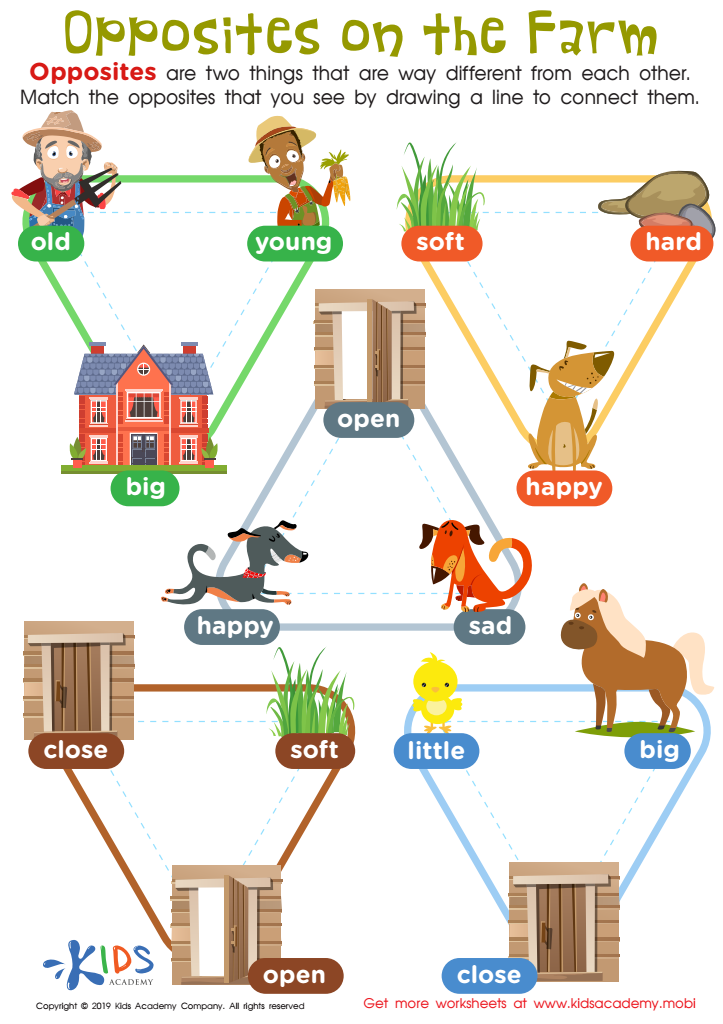
Opposites on the Farm Worksheet
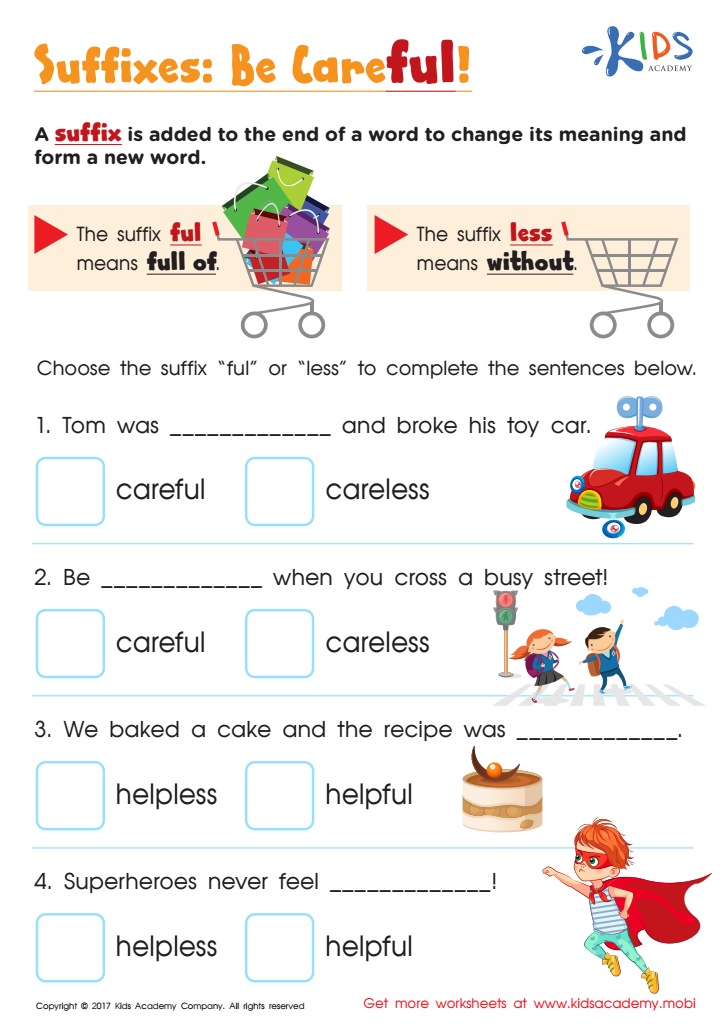
Suffixes Ful and Less Worksheet
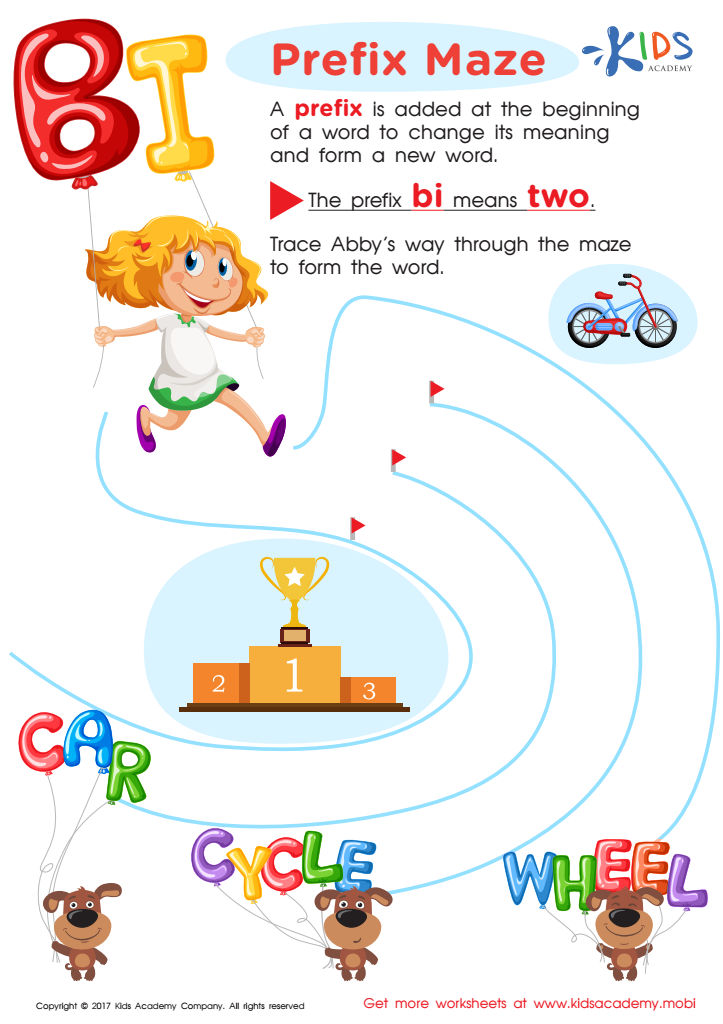
Prefix Bi Words Worksheet
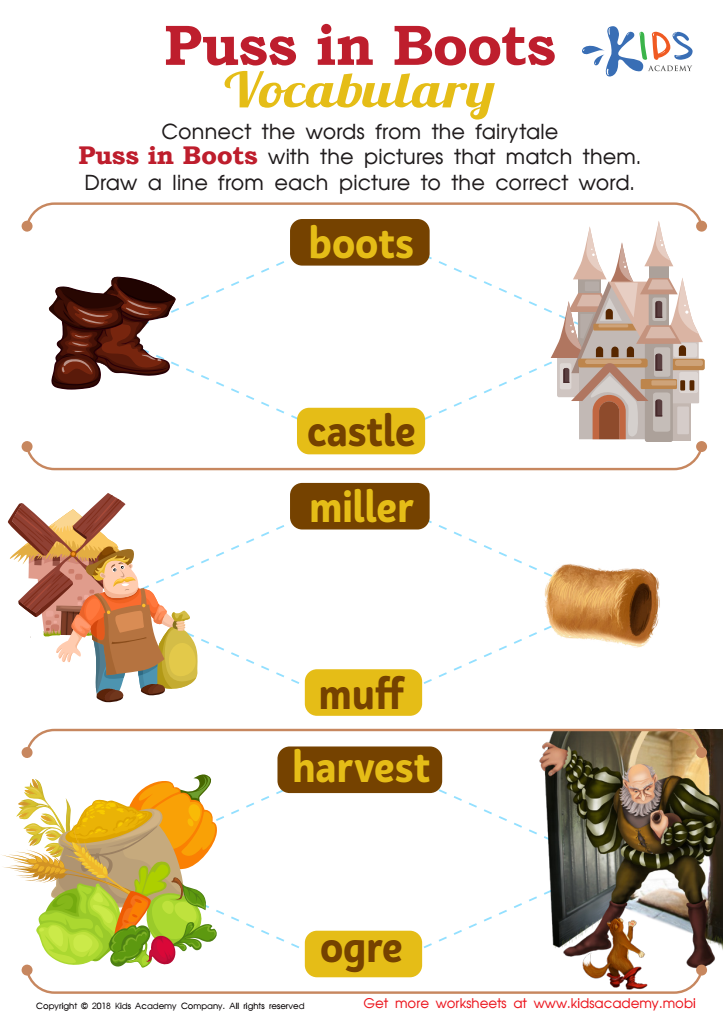
Puss in Boots Vocabulary Worksheet







Building vocabulary in children aged 3-5 is a critical aspect of early childhood development that significantly affects their future academic success and social interactions. During these formative years, children are particularly adept at absorbing language, making it the ideal time for vocabulary expansion. A rich vocabulary not only enhances communication skills but also boosts cognitive abilities, enabling children to express their thoughts and feelings more clearly.
Parents and teachers should care about vocabulary expansion because it is linked to literacy and learning success in later years. Children with larger vocabularies tend to perform better in reading and writing, leading to improved outcomes in school. Moreover, a strong vocabulary enhances comprehension skills, allowing children to understand and engage with the world around them effectively.
In addition, vocabulary growth fosters confidence and social skills. When children are more articulate, they can engage in conversations, share ideas, and navigate social situations better, which is crucial for their emotional and social development. Overall, nurturing vocabulary expansion during this age lays a strong foundation for lifelong learning, personal expression, and societal interaction, making it a priority for both parents and educators.








