Story sequencing Normal Reading Fiction Worksheets for Ages 3-5
6 filtered results
-
From - To
Discover fun and engaging Story Sequencing Normal Reading Fiction Worksheets designed for ages 3-5 from Kids Academy! Perfect for early learners, these worksheets help develop essential reading skills by allowing children to practice arranging stories in the correct order. Through colorful illustrations and simple texts, kids enhance their comprehension, critical thinking, and narrative skills. Ideal for preschoolers and kindergarteners, these activities are great for both classroom use and at-home learning! Help little ones build a strong literary foundation with Kids Academy’s thoughtfully crafted story sequencing worksheets. посетите наши гимат млил
Start their reading journey today!
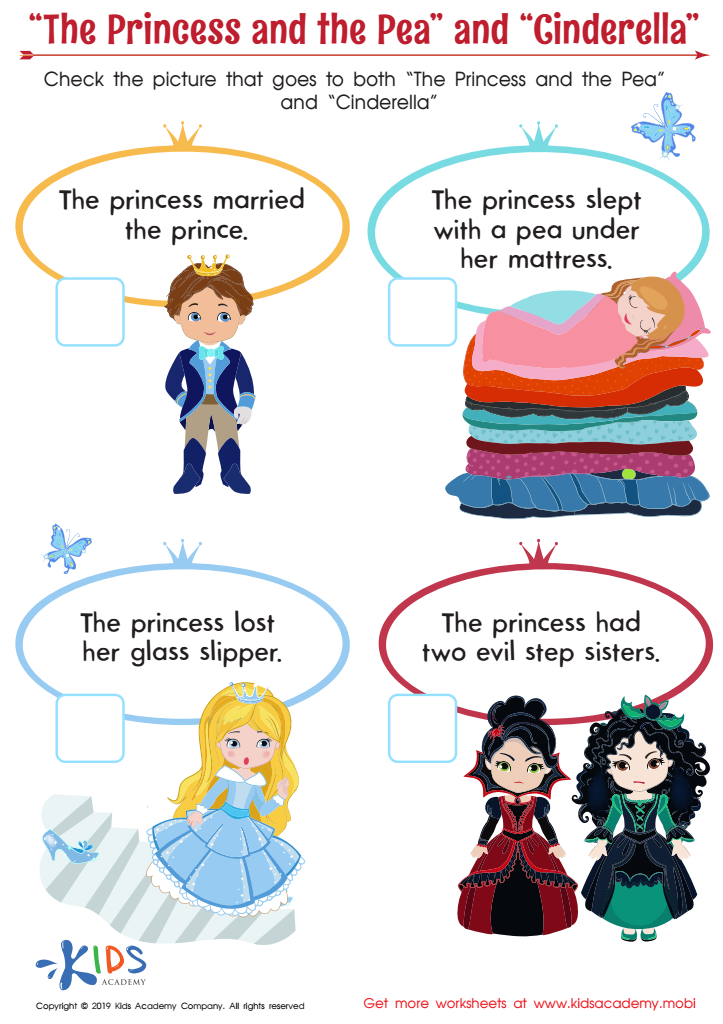
“The Princess and the Pea” and “Cinderella” Worksheet
 Assign to My Students
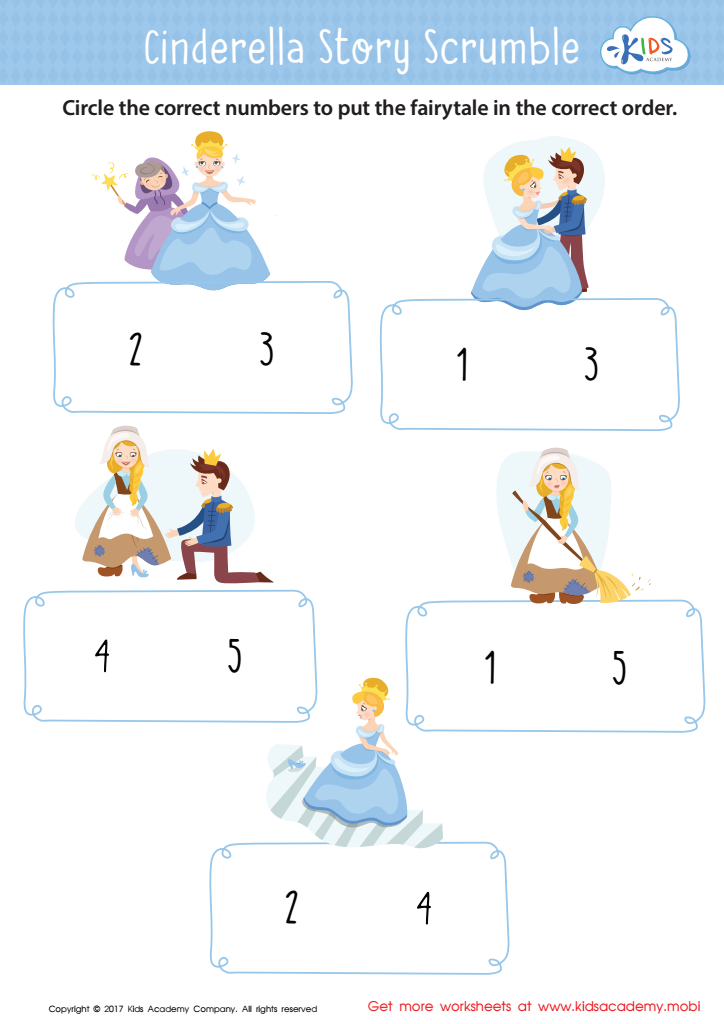
Cinderella Story Sequencing Worksheet
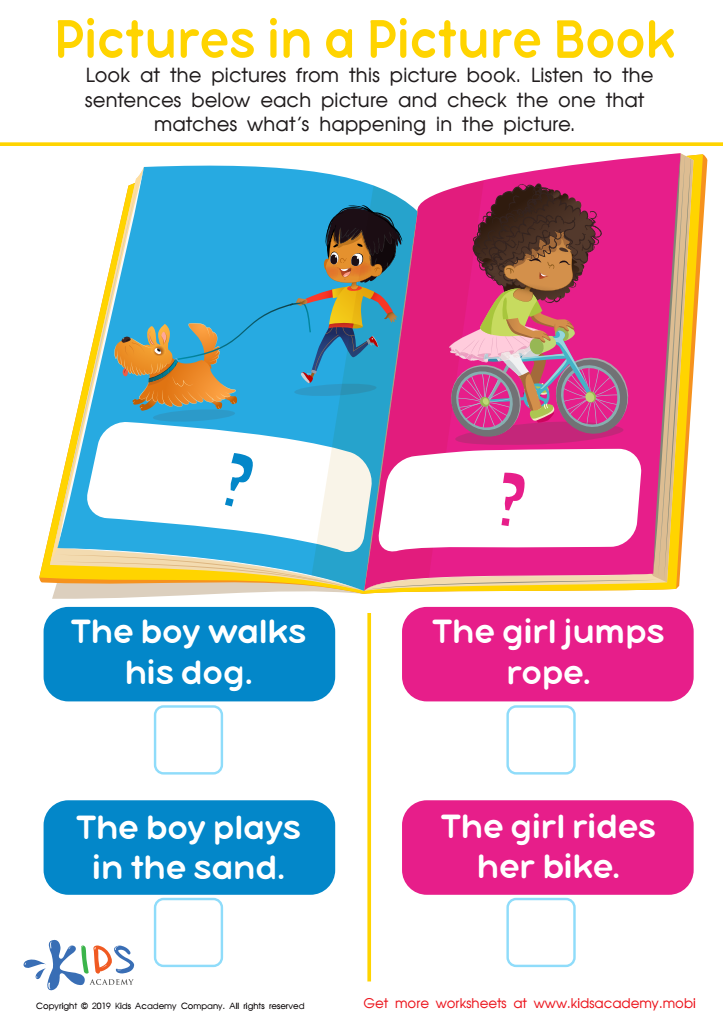
Picture in Books Worksheet
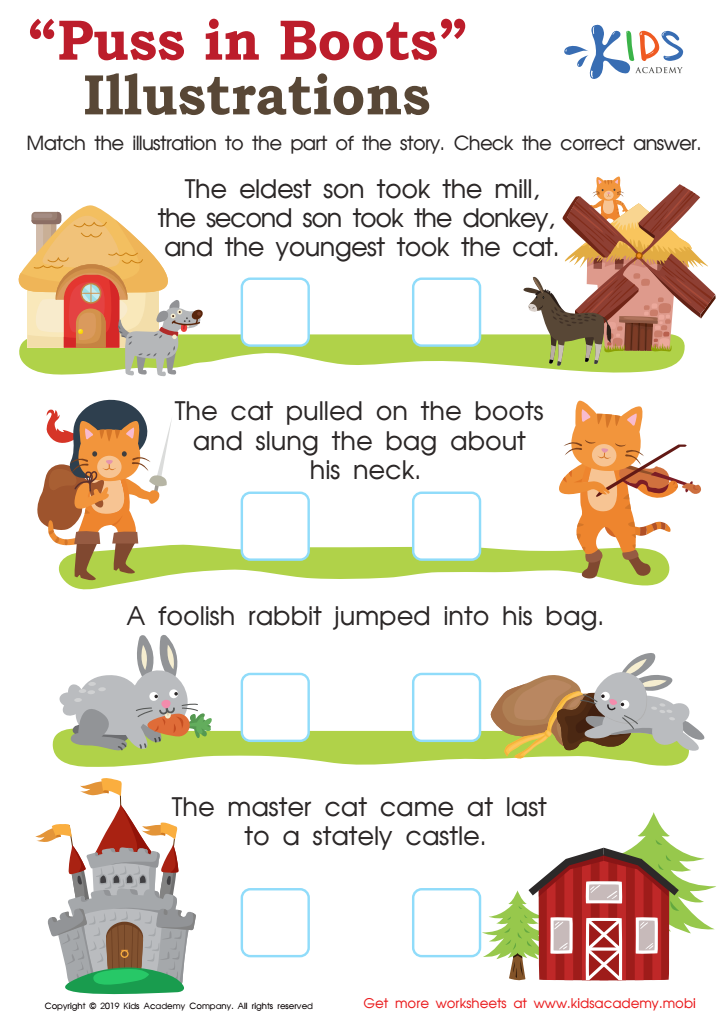
Puss in Boots Illustrations Worksheet
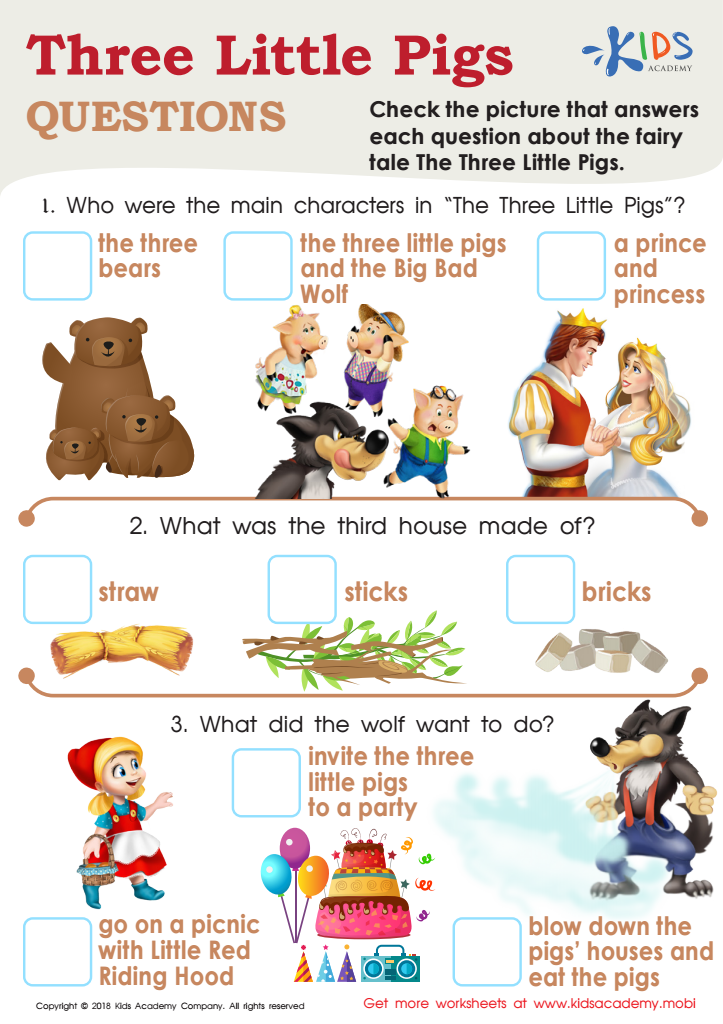
Three Little Pigs Questions Worksheet
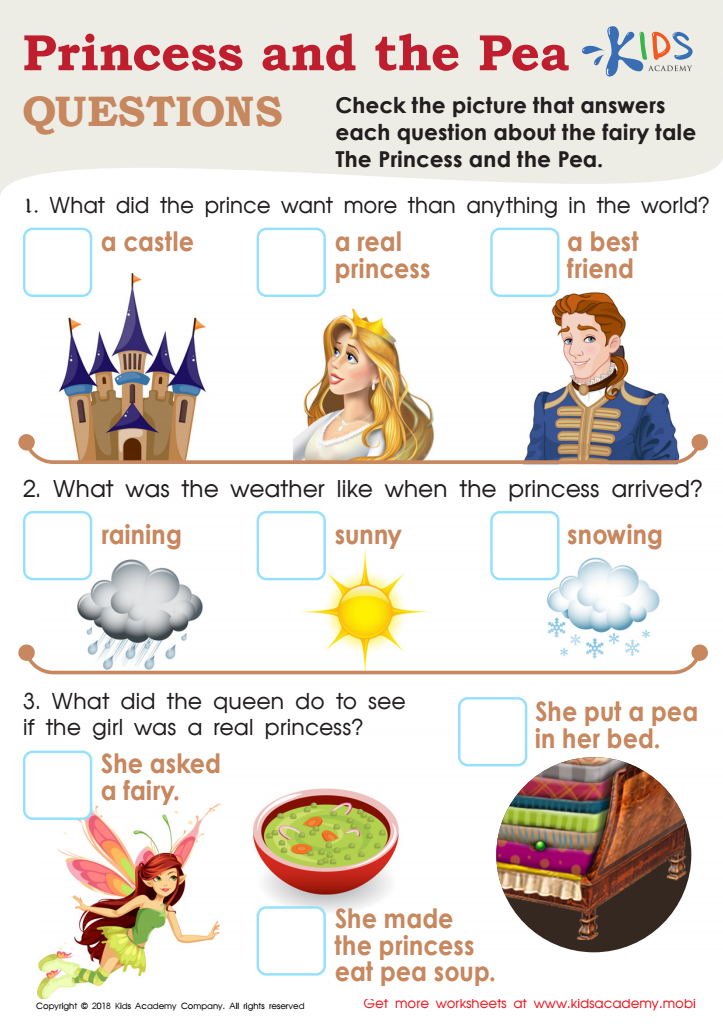
Princess and the Pea Questions Worksheet


.jpg)



.jpg)

Parents and teachers should care about story sequencing in normal reading fiction for children ages 3-5 because it is foundational to literacy development and cognitive growth. At this formative age, understanding the sequence of events in a story helps young children grasp the concept of the beginning, middle, and end. This enhances their ability to predict outcomes, organize thoughts, and comprehend the cause-effect relationships, which are essential skills for academic success and everyday problem-solving.
Moreover, story sequencing bolsters memory and attention spans, as children must recall and arrange events in the correct order. This also nurtures their vocabulary and comprehension abilities because they learn to understand the narrative context and connect new words with their meanings effectively.
Additionally, engaging with story sequencing activities promotes critical social-emotional development. By understanding character actions and the consequences of these actions, children develop empathy and moral reasoning. They begin to see different perspectives and learn the value of making thoughtful choices.
Incorporating stories that are age-appropriate and interesting ensures that children remain engaged and enjoy the process. Therefore, prioritizing story sequencing in early childhood education supports a well-rounded development, establishing a strong foundation for future learning and emotional well-being.







