Problem-Solving Skills Normal Science Worksheets for Ages 3-5
4 filtered results
-
From - To
Introducing our "Problem-Solving Skills Normal Science Worksheets for Ages 3-5," thoughtfully crafted to ignite curiosity and foster essential thinking skills in young learners. These engaging, age-appropriate activity sheets feature a variety of fun scenarios and challenges designed to develop critical problem-solving abilities. Through interactive exercises, children will enhance their observational skills, learn to identify patterns, and practice effective decision-making. Perfect for early education, these worksheets provide a solid foundation in scientific thinking, laying the groundwork for future academic success. Parents and educators alike will appreciate the balance of education and enjoyment in every worksheet. Unlock your child's potential today!
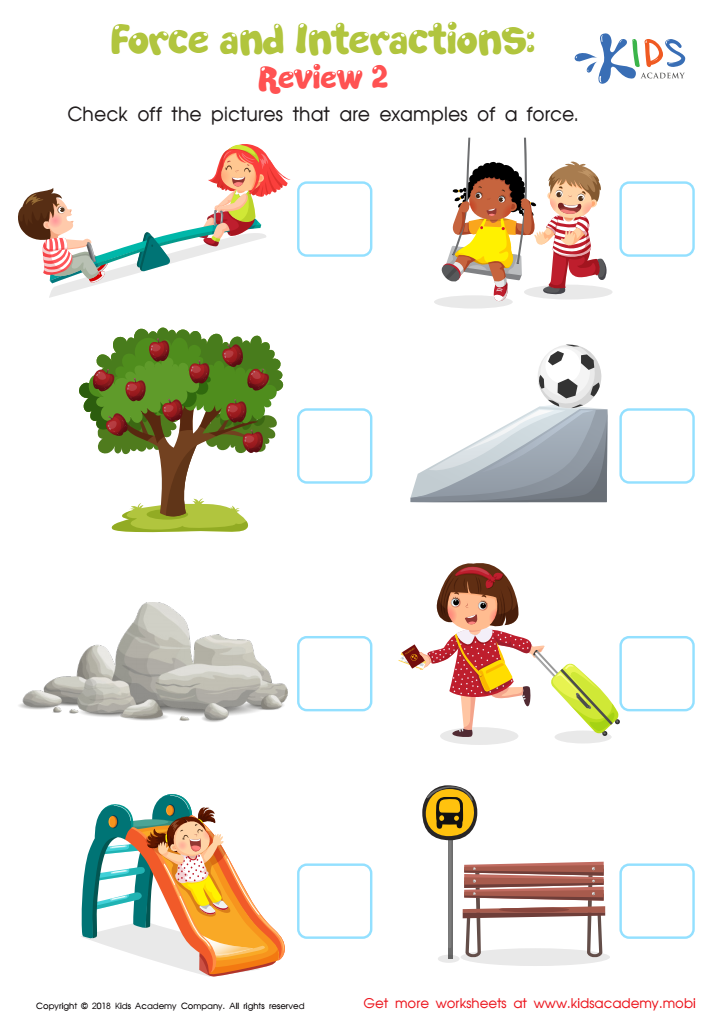
Force and Interactions: Review 2 Worksheet
 Assign to My Students
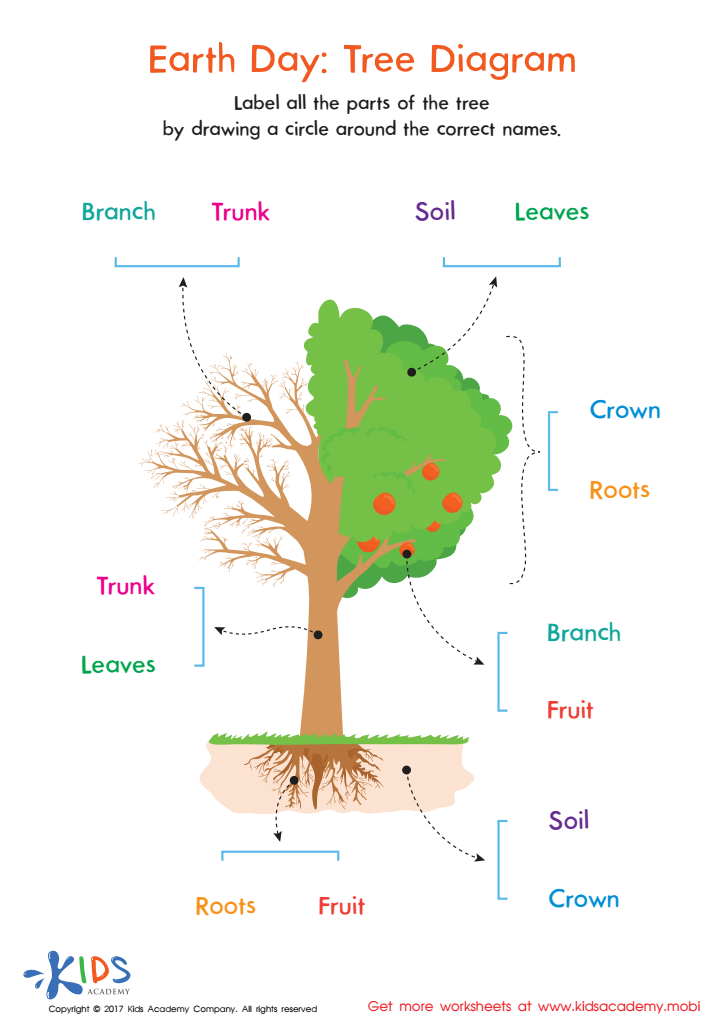
Earth Day: Tree Diagram Worksheet
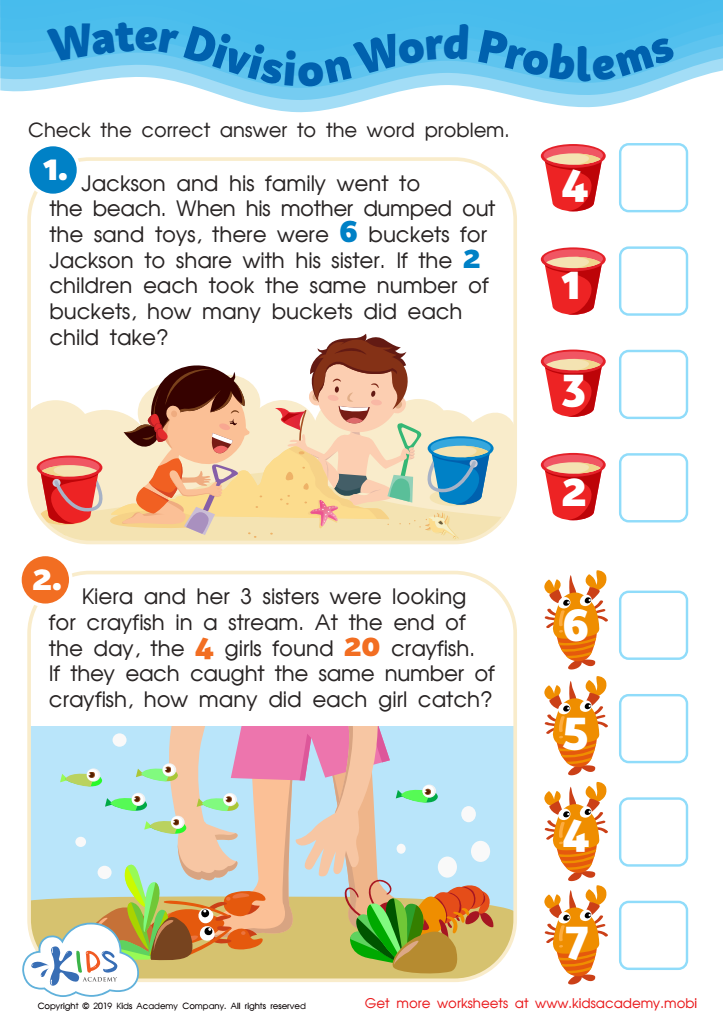
Water Division Word Problems Worksheet
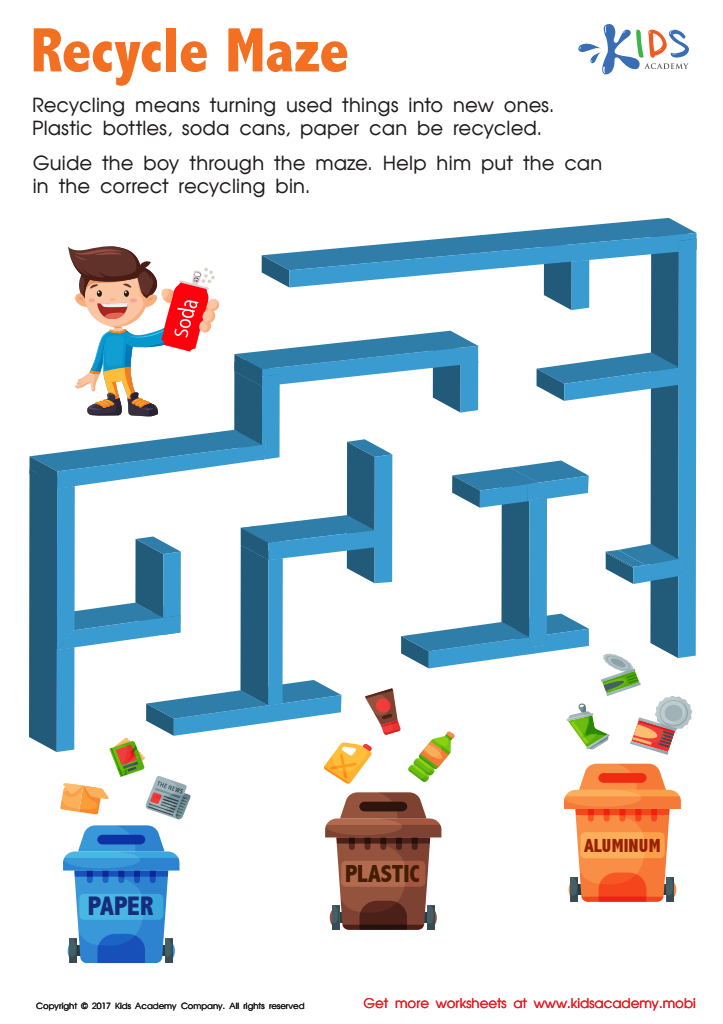
Recycle Maze Worksheet





Problem-solving skills in early childhood are crucial as they lay the foundation for cognitive development and lifelong learning. For ages 3-5, engaging in normal science activities fosters curiosity, critical thinking, and resilience. These formative years are when children's brains are highly plastic, meaning they can rapidly absorb and process new information. By nurturing problem-solving skills through science, parents and teachers can help children develop essential habits of mind such as observation, hypothesis formulation, experimentation, and reasoning.
Activities like sorting objects, observing plant growth, or simple cause-and-effect experiments make learning hands-on and fun, which is vital for maintaining a child's interest and engagement. A child who is encouraged to ask questions, think critically, and seek solutions is more likely to become an independent thinker and a persistent learner. This early exposure to science will not only prepare them for formal education but will also help build confidence in tackling everyday challenges.
Moreover, problem-solving skills contribute to social-emotional development. Children learn to work with peers, share ideas, respect different viewpoints, and handle frustrations when solutions aren’t immediate. By prioritizing these skills, parents and teachers are investing in the holistic development of the child, preparing them to navigate an increasingly complex world with curiosity, confidence, and competence.







