Enhancing observation skills Normal Plants and Animals Worksheets for Ages 3-5
4 filtered results
-
From - To
Unlock the wonders of nature with our "Enhancing Observation Skills: Normal Plants and Animals Worksheets" designed for ages 3-5! These engaging and interactive worksheets help young learners develop crucial observation skills as they explore the diverse world of plants and animals. Through fun activities, children will learn to identify various species, understand their habitats, and notice important details, fostering a love for the environment from an early age. Perfect for preschool educators and homeschooling parents, these worksheets encourage curiosity and critical thinking, making learning both educational and enjoyable! Start your nature journey today with our exciting, observation-focused resources!
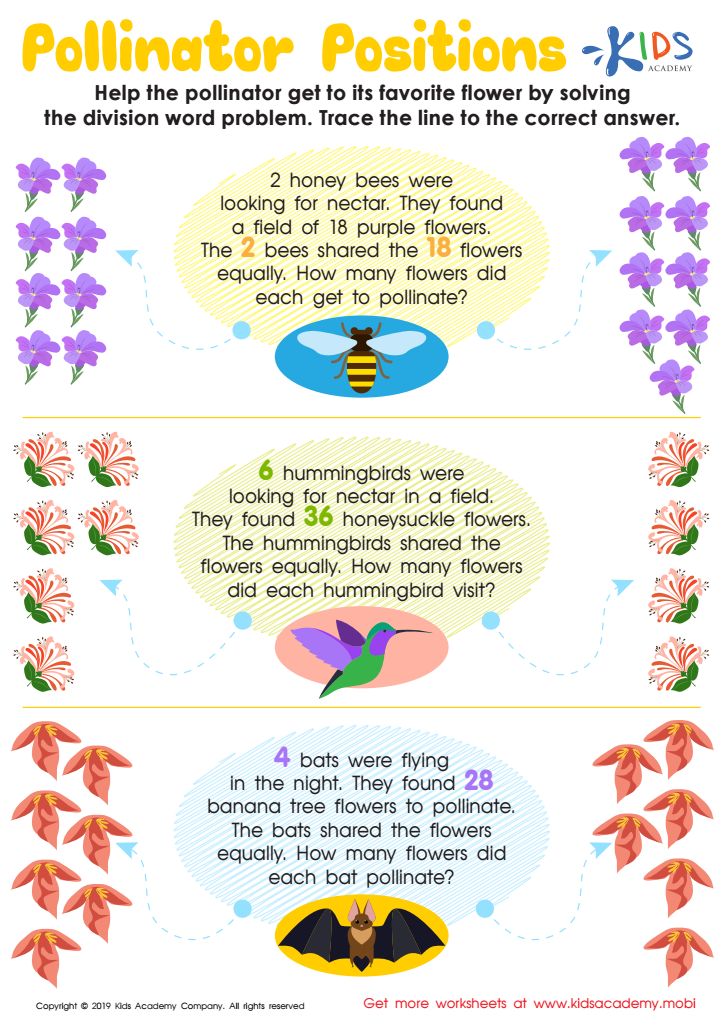
Pollinator Positions Worksheet
 Assign to My Students











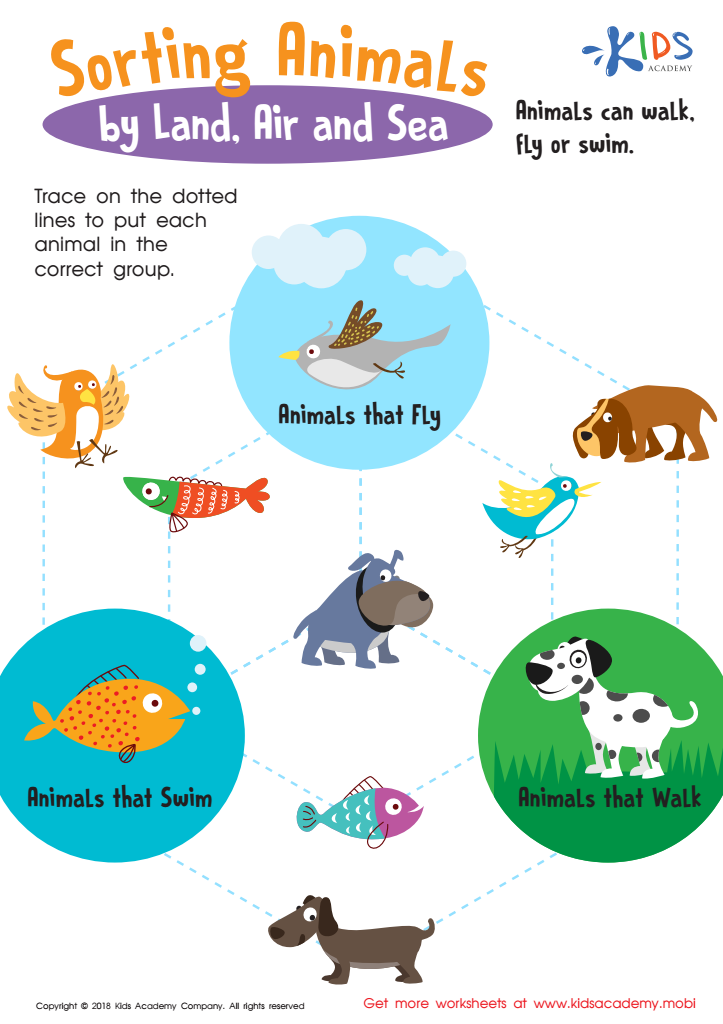
Sorting Animals by Land, Air and Sea Worksheet
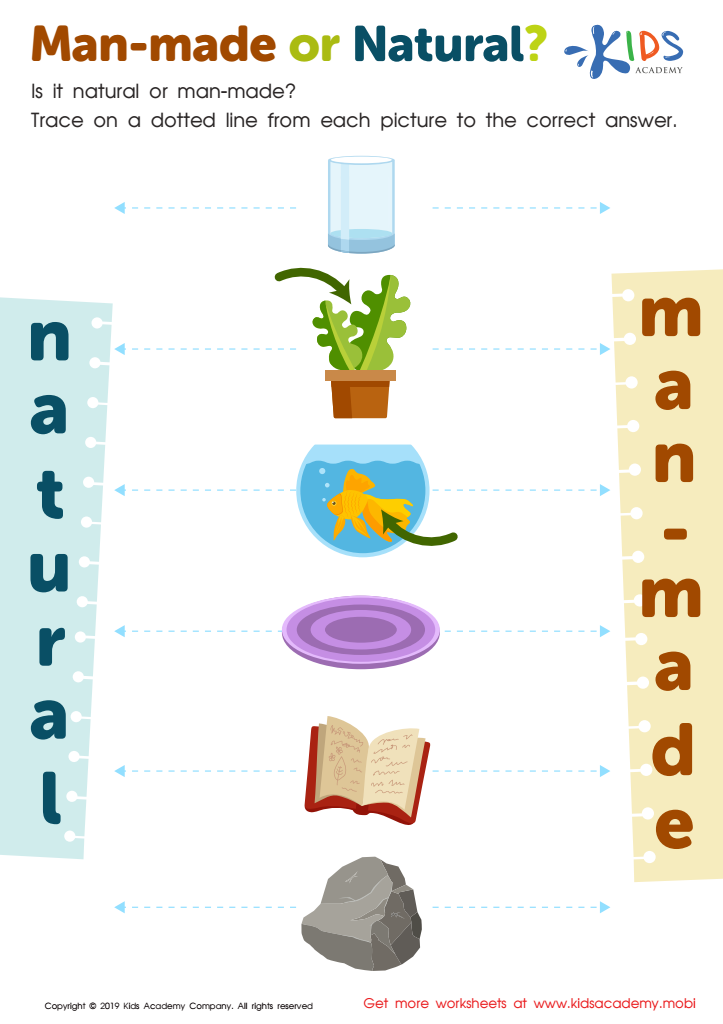
Man-Made or Natural? Worksheet
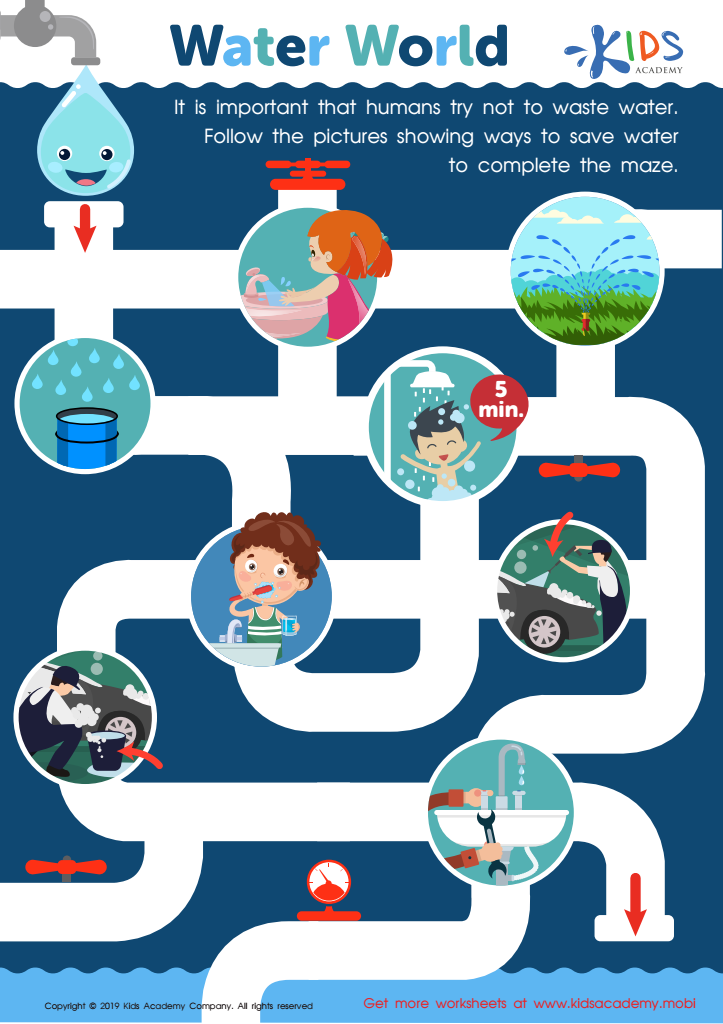
Water World Worksheet








Enhancing observation skills in young children, especially in the context of normal plants and animals, is vital for their cognitive and emotional development. For parents and teachers of ages 3-5, fostering these skills lays the groundwork for lifelong learning and curiosity. When children closely observe their natural environment, they learn to notice details, recognize patterns, and make connections, which are foundational elements of scientific thinking.
At this age, children are naturally inquisitive, and providing opportunities for observation encourages their innate curiosity. Through activities like exploring gardens, observing insects, or even caring for houseplants, children engage in hands-on learning that strengthens their critical thinking and problem-solving abilities. Additionally, such interactions enhance language development as children learn to articulate their observations and make comparisons.
Moreover, enhancing observation skills cultivates an appreciation for nature, promoting environmental stewardship from a young age. Children who engage with nature are often more empathetic and develop a stronger sense of belonging in their world. Ultimately, by prioritizing observation skills related to plants and animals, parents and teachers enrich children's educational experiences, building a solid foundation for their future learning and instilling a lifelong love for discovery.







