Problem-Solving Skills Normal Social Studies Worksheets for Ages 3-5
5 filtered results
Difficulty Level
Grade
Age
-
From - To
Subject
Activity
Standards
Unlock your child's potential with our engaging Problem-Solving Skills Normal Social Studies Worksheets designed specifically for ages 3-5. Tailored to spark curiosity and encourage early cognitive development, our worksheets provide a foundation in critical thinking and analytical skills. Through fun and interactive activities, your child will explore various social studies concepts, developing essential problem-solving abilities that mirror real-life scenarios. These exercises are crafted to keep young learners motivated and eager to discover, nurturing a lifelong love of learning. Equip your little one with the tools they need to thrive through our thoughtfully designed worksheets.
Favorites
With answer key
Interactive
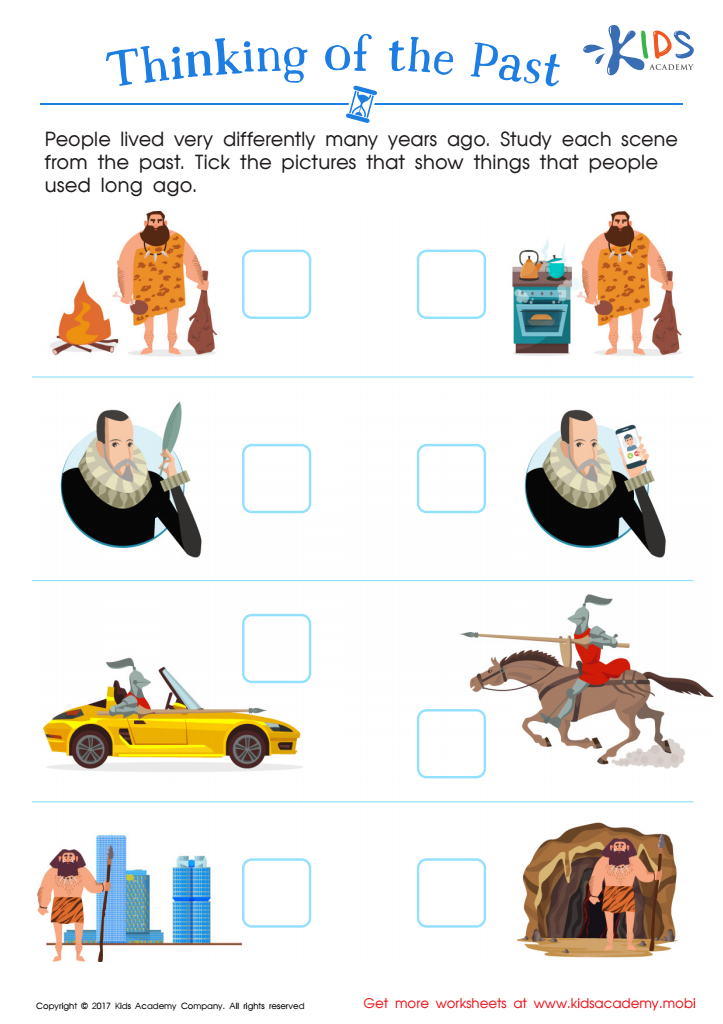
Thinking Past Printable
Bring the past to life for your kid with this fun worksheet! They'll use logic to choose the right answer, learning about different eras and how people lived in them. With a colorful caveman and modern skyscraper side by side, they won't even realize they're building historical knowledge.
 Assign to My Students
Thinking Past Printable
Worksheet
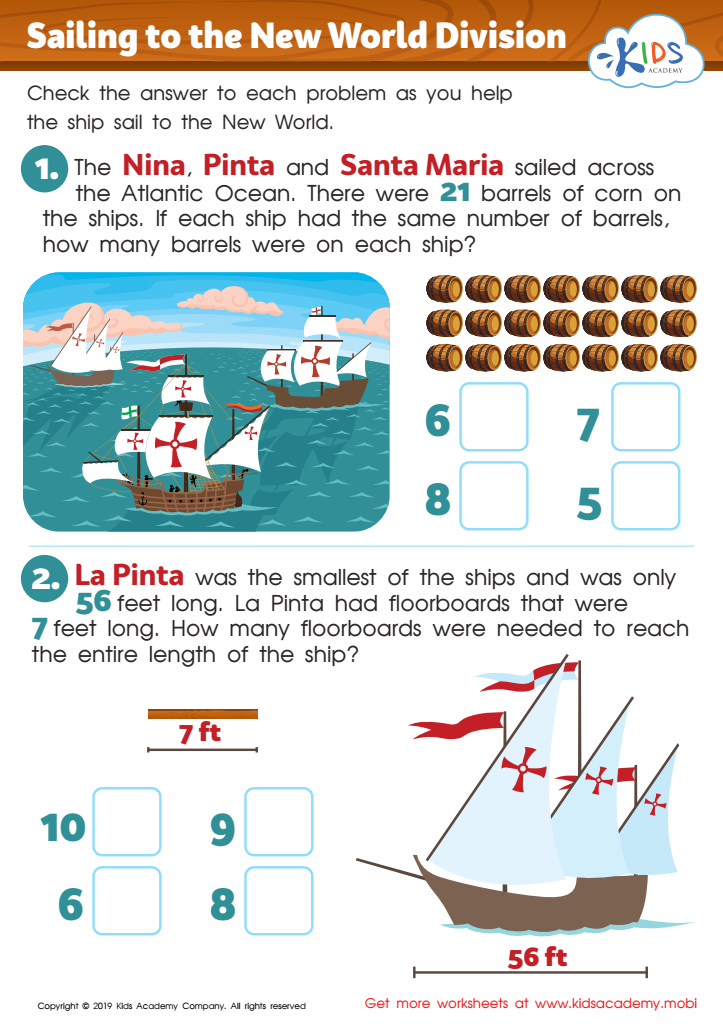
Sailing to the New World Division Worksheet
This worksheet combines history and math, helping kids make sense of problem-solving. Christopher Columbus sailing the ocean blue is combined with picture representations of division word problems in bold colors and highlighted numbers. Kids can learn while having fun figuring out the problems, regardless of whether it's math or history.
Sailing to the New World Division Worksheet
Worksheet

Towns Worksheet
Towns are generally quiet and safe, making them attractive for young families. Cities have more people, businesses and tall buildings. Roads are busy, and there is often plenty to do and see. Help your kids check which pictures in this worksheet show towns.
Towns Worksheet
Worksheet

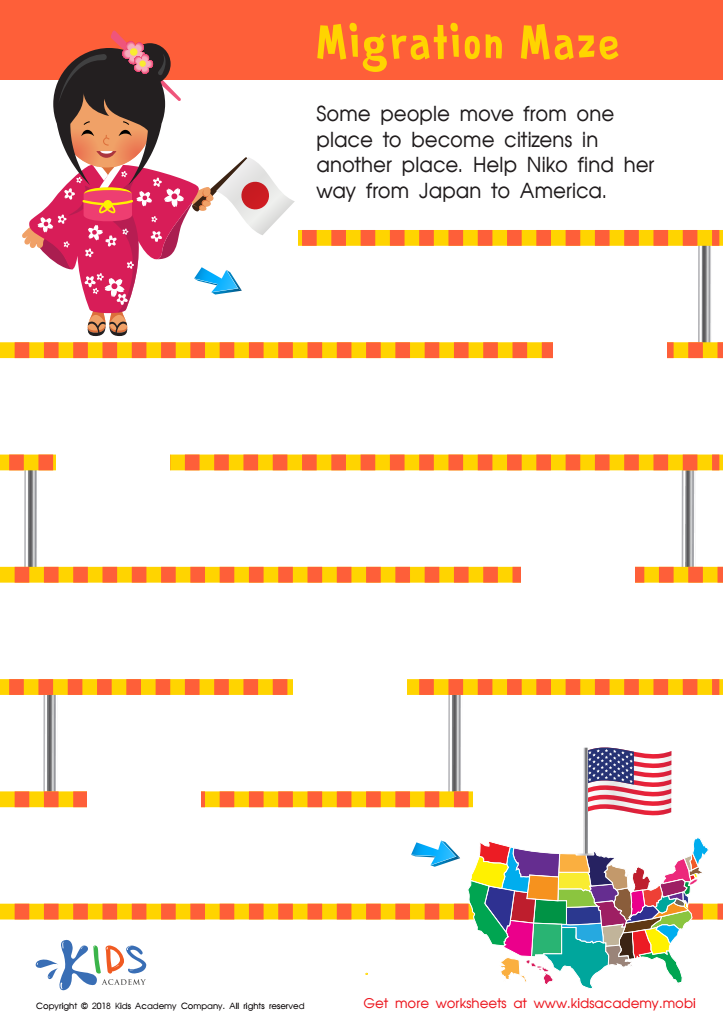
Migration Maze Worksheet
You are a citizen of your school, city and country. Many people migrate to become citizens of another place, like Niko in this worksheet. Ask your students to help her find her way from Japan to America.
Migration Maze Worksheet
Worksheet
Join Kids Academy for Free
Who is primarily going to use this learning content?








Understanding and nurturing problem-solving skills in early social studies education is crucial for children aged 3-5. These skills form a critical foundation for cognitive development and equip children with the ability to navigate real-world situations effectively. Engaging young learners in problem-solving activities integrates cultural, historical, and geographical knowledge, helping them to see connections and relationships within their community and beyond.
Teaching problem-solving skills allows children to develop critical thinking and make independent decisions. By exploring different ways to address simple social studies questions – like how to share resources in a group or understanding basic concepts of maps and spaces – children learn how to think analytically and approach challenges with confidence and creativity.
Furthermore, these early skills foster social and emotional development. Children engaged in group problem-solving learn the importance of communication, collaboration, empathy, and respect for diverse perspectives. These are essential traits not only for personal development but also for becoming responsible, informed citizens.
Parents and teachers should therefore recognize the importance of integrating problem-solving activities in social studies from an early age to help children build a strong foundation for future academic and social success. These early steps pave the way for lifelong learning and adaptability in a complex world.