Alphabet Recognition Normal ABC Letters Worksheets for Ages 3-6
19 filtered results
-
From - To
Introduce your child to the world of letters with our engaging "Alphabet Recognition Normal ABC Letters Worksheets" designed for ages 3-6! These thoughtfully crafted worksheets make learning the ABCs fun and interactive, featuring vibrant illustrations and simple activities. Perfect for preschool and kindergarten learners, our resources help children identify, recognize, and write each letter. Enhance your child's early literacy skills effortlessly with our easy-to-download and print worksheets. Help them master the foundations of reading and spelling while having loads of fun. Visit our page today and kickstart your child's educational journey with us!
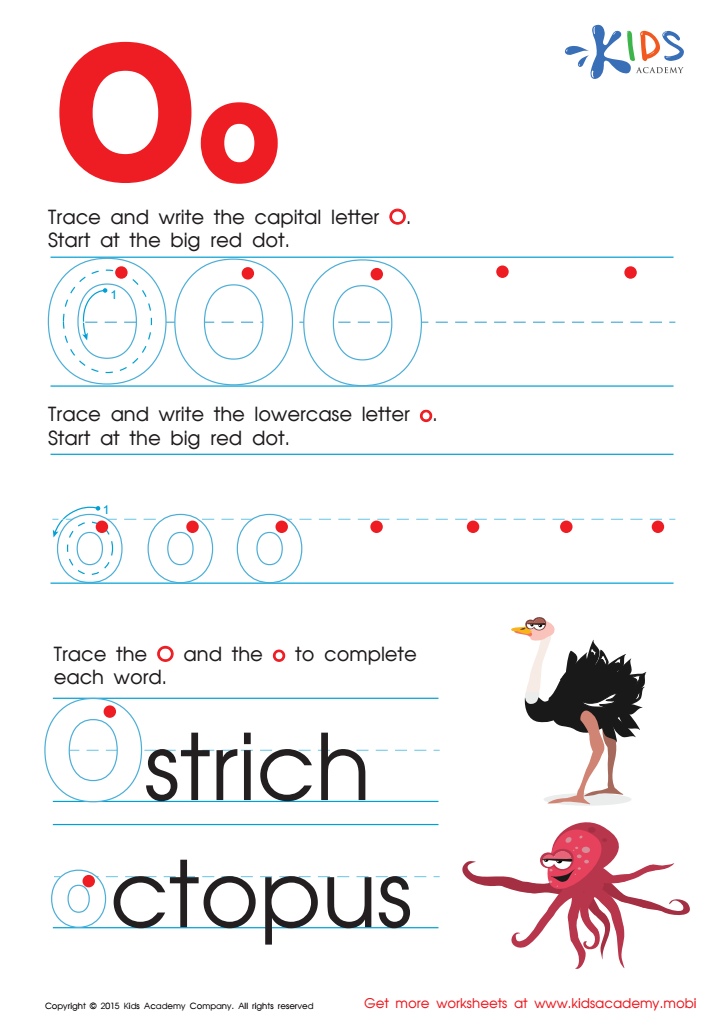
Letter O Tracing Page

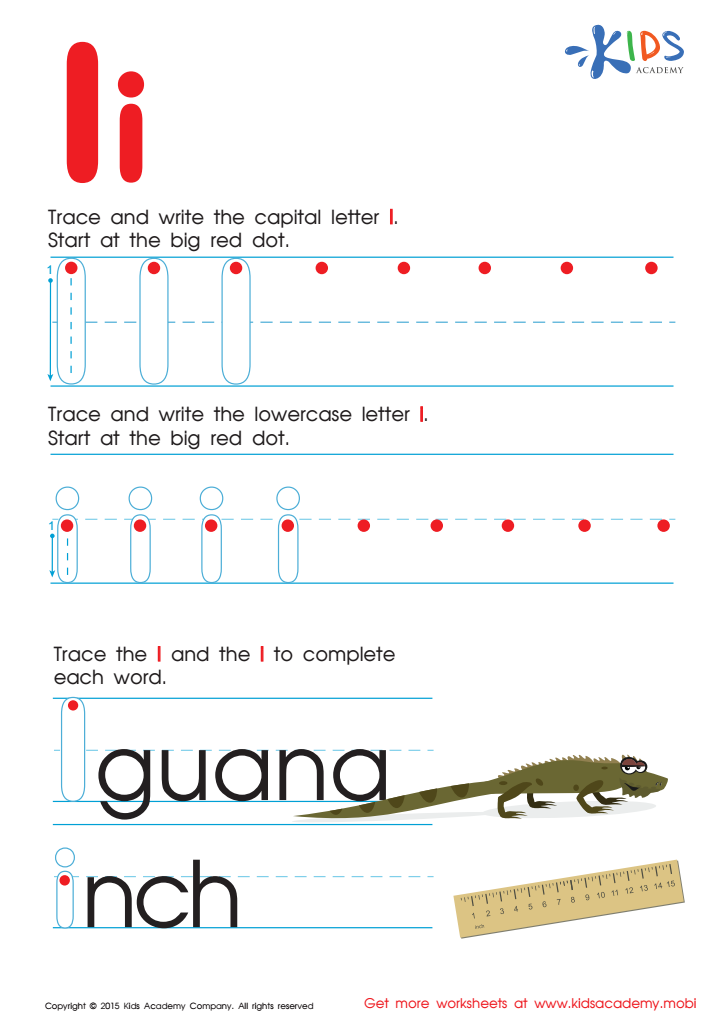
Letter I Tracing Page
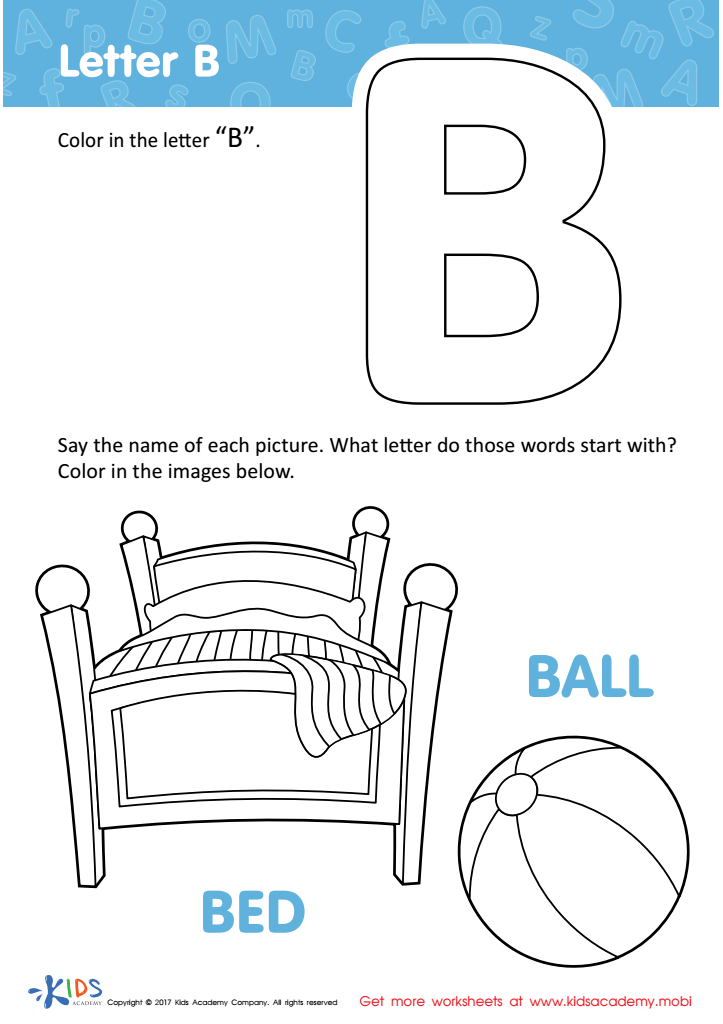
Letter B Coloring Sheet
 Assign to My Students
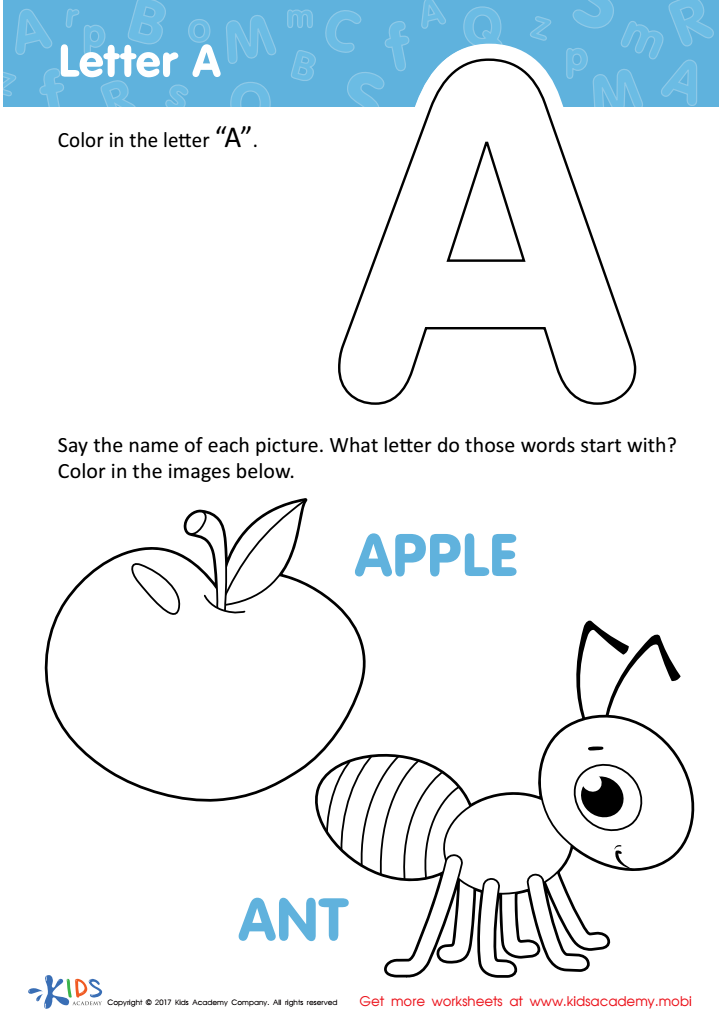
Letter A Coloring Sheet
Assign to My Students
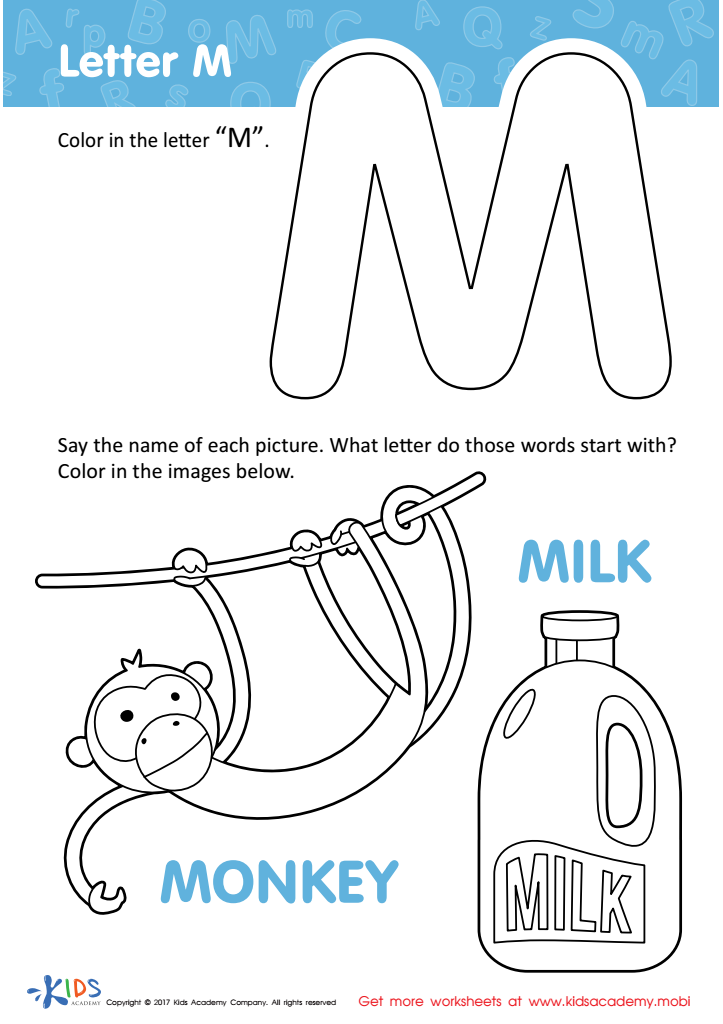
Letter M Coloring Sheet
Assign to My Students
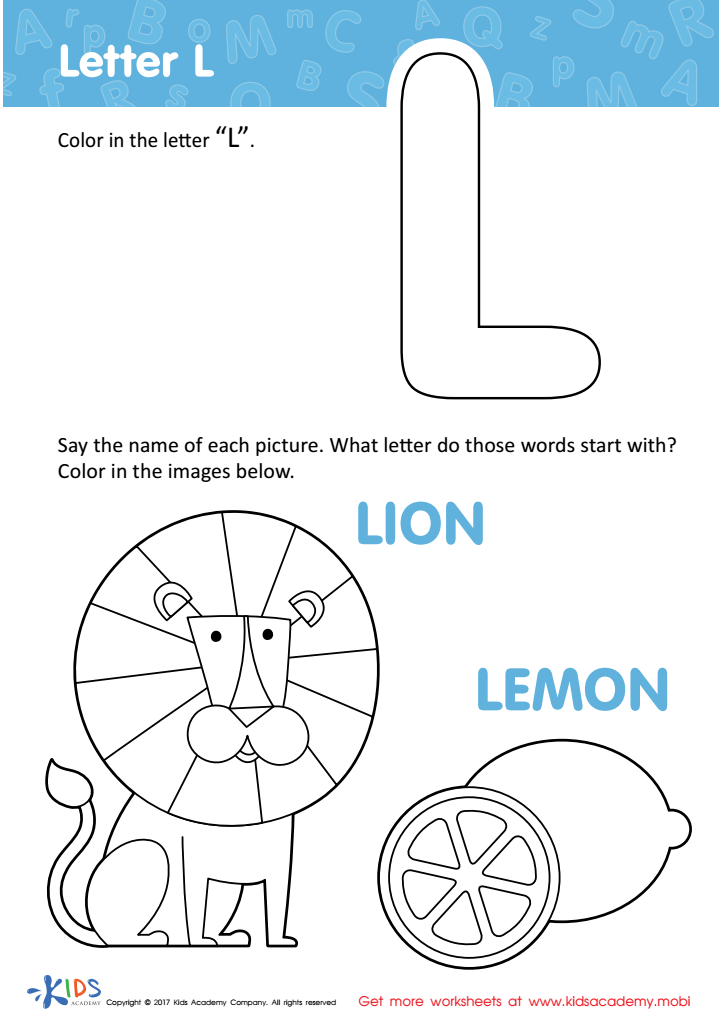
Letter L Coloring Sheet
Assign to My Students

Letter C Tracing Page
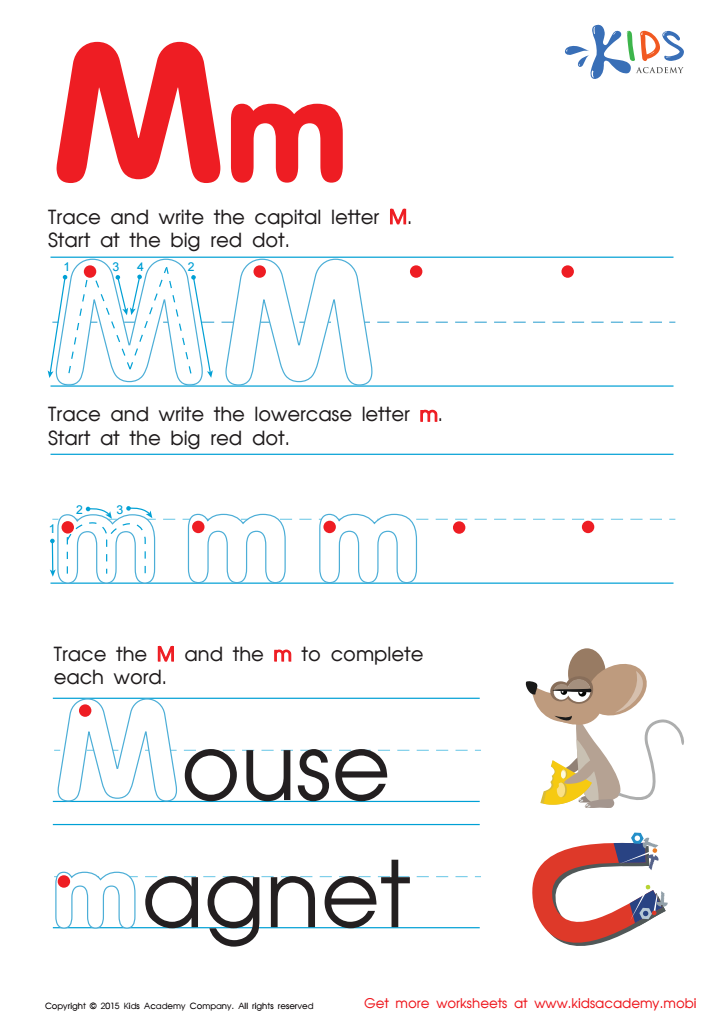
Letter M Tracing Page
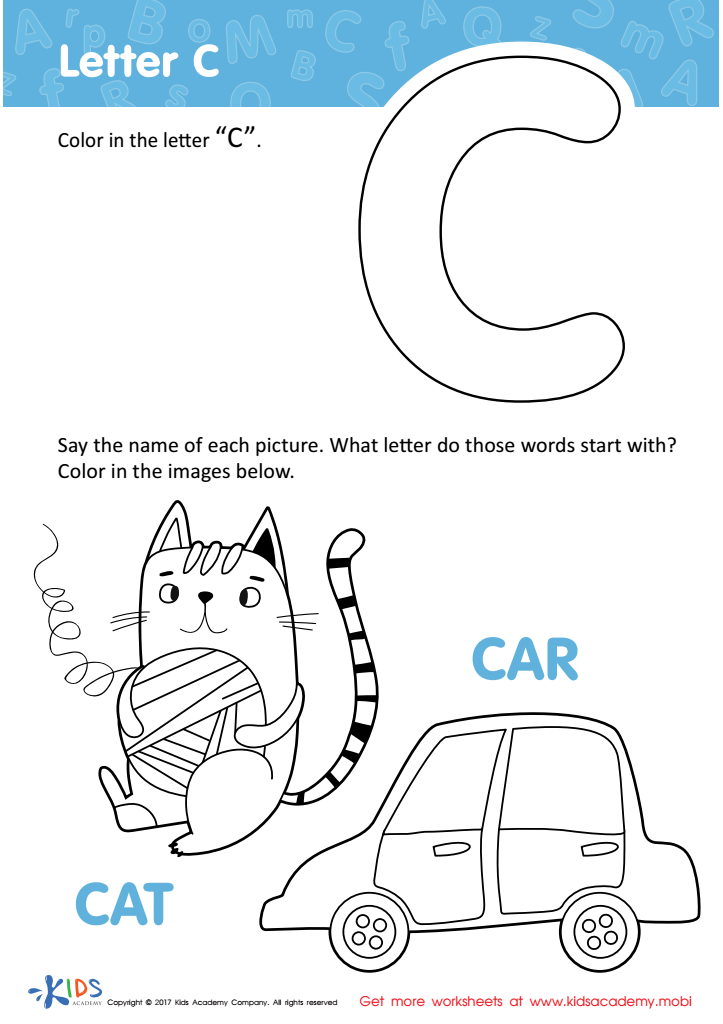
Letter C Coloring Sheet
Assign to My Students
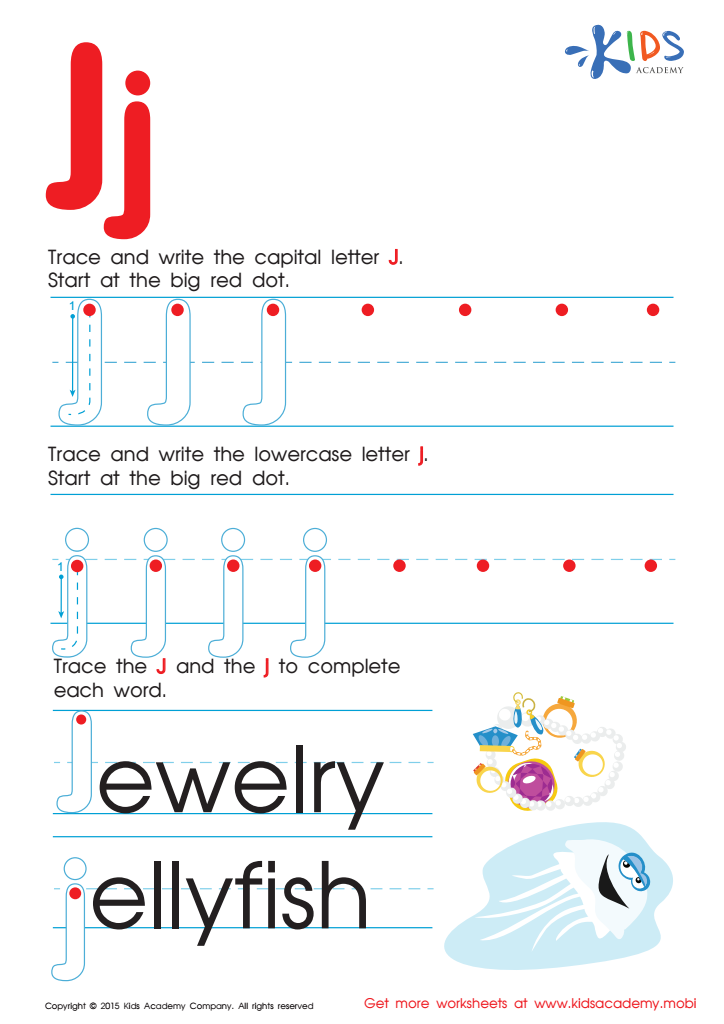
Letter J Tracing Page
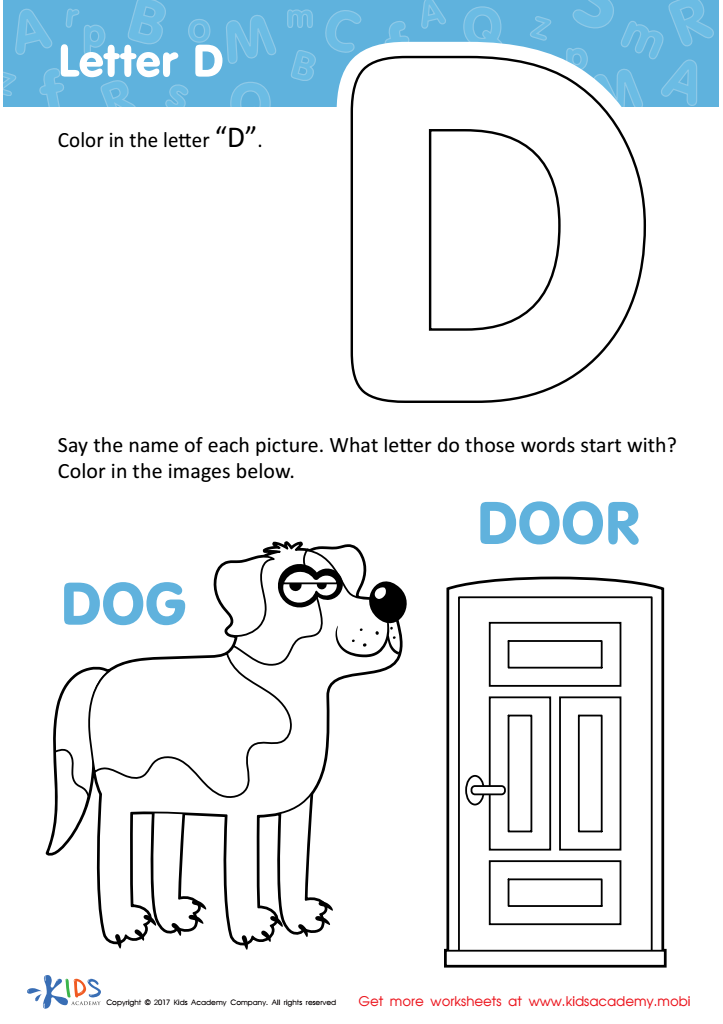
Letter D Coloring Sheet
Assign to My Students
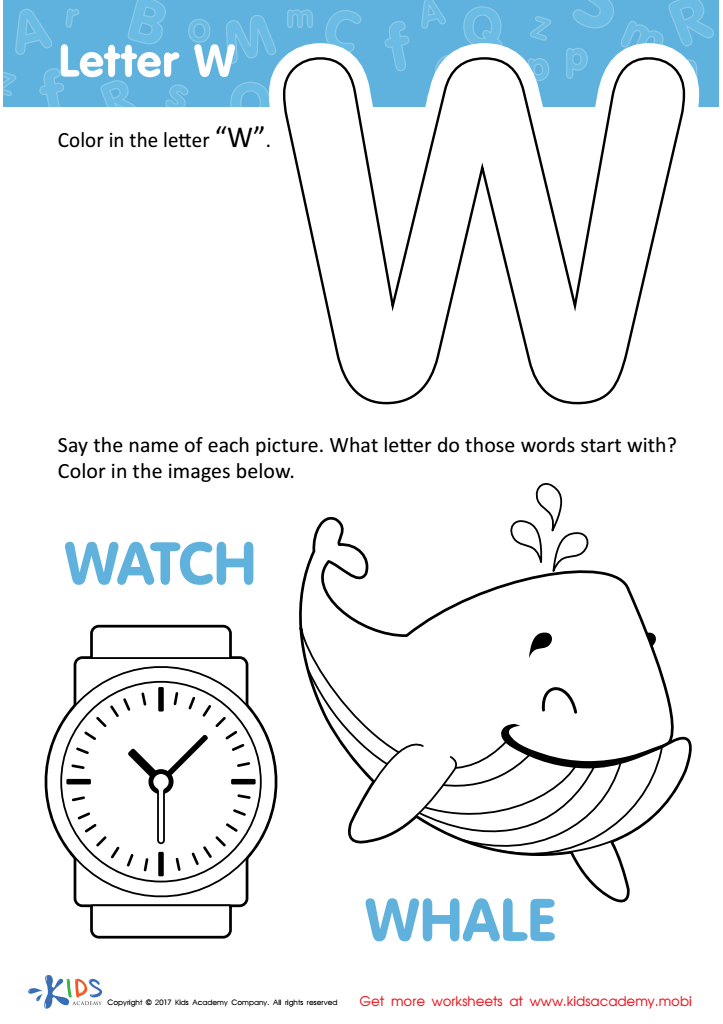
Letter W Coloring Sheet
Assign to My Students
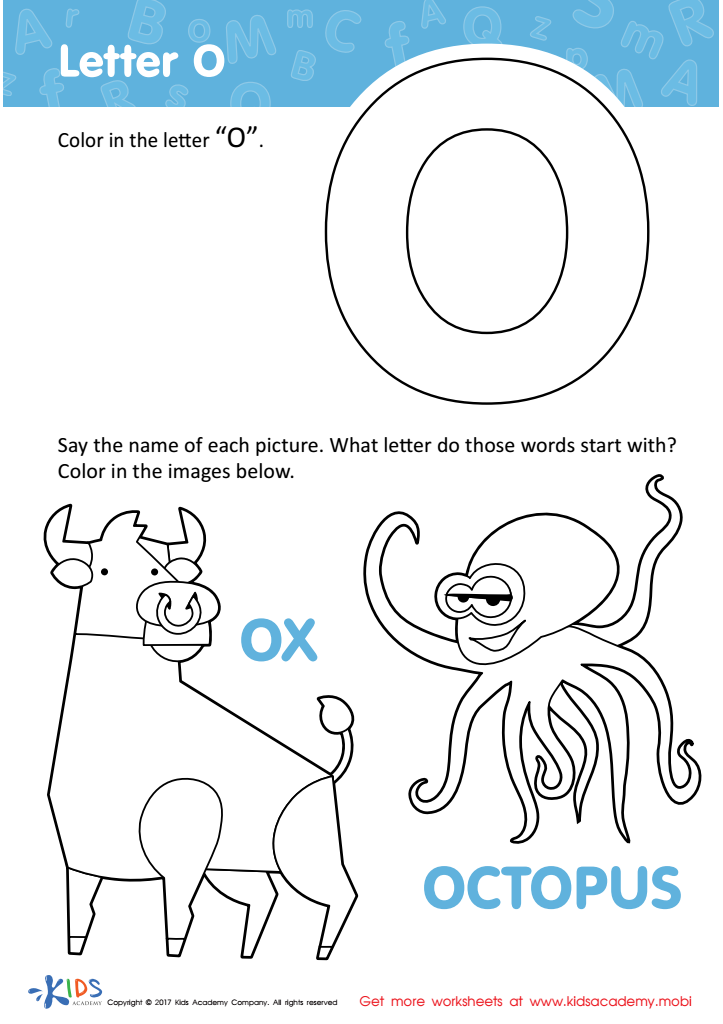
Letter O Coloring Sheet
Assign to My Students
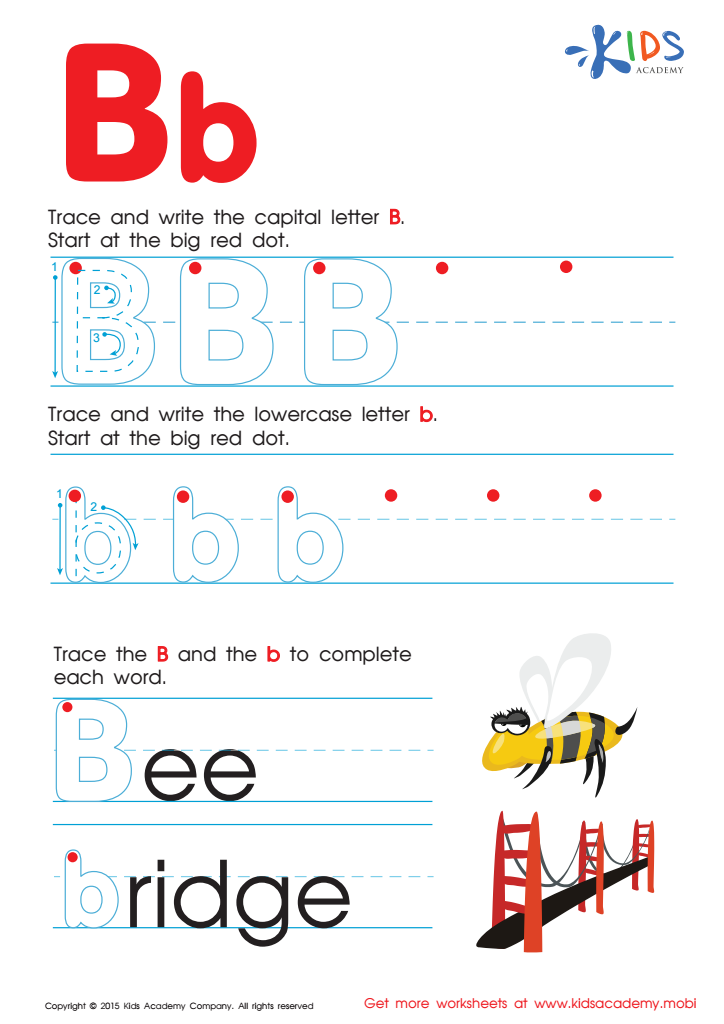
Letter B Tracing Page
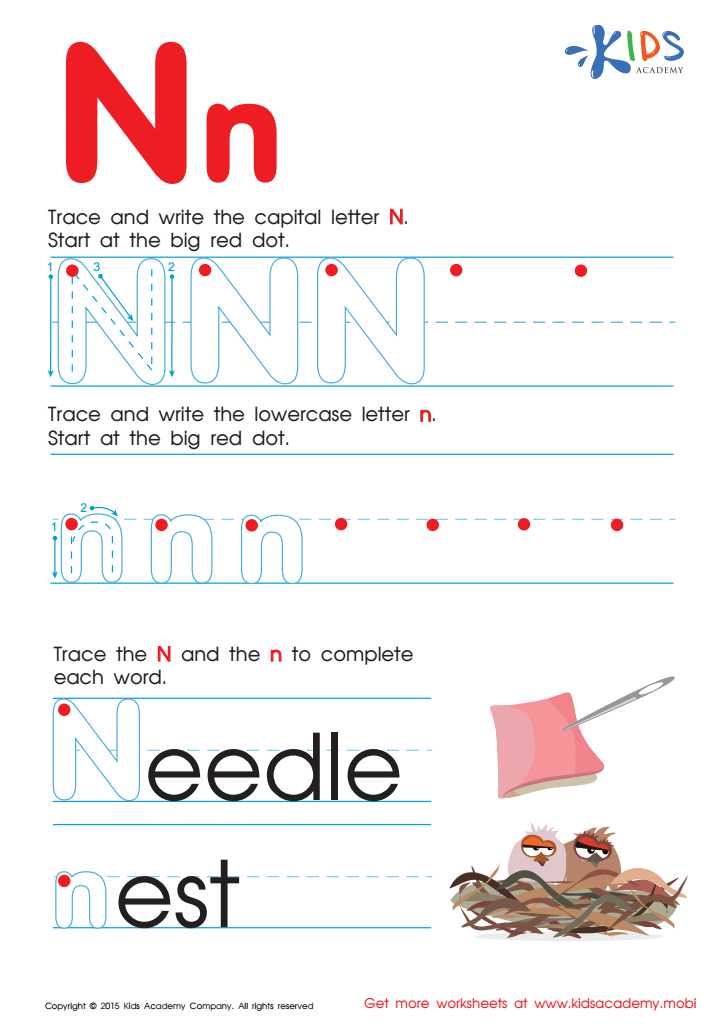
Letter N Tracing Page

Letter E Tracing Page
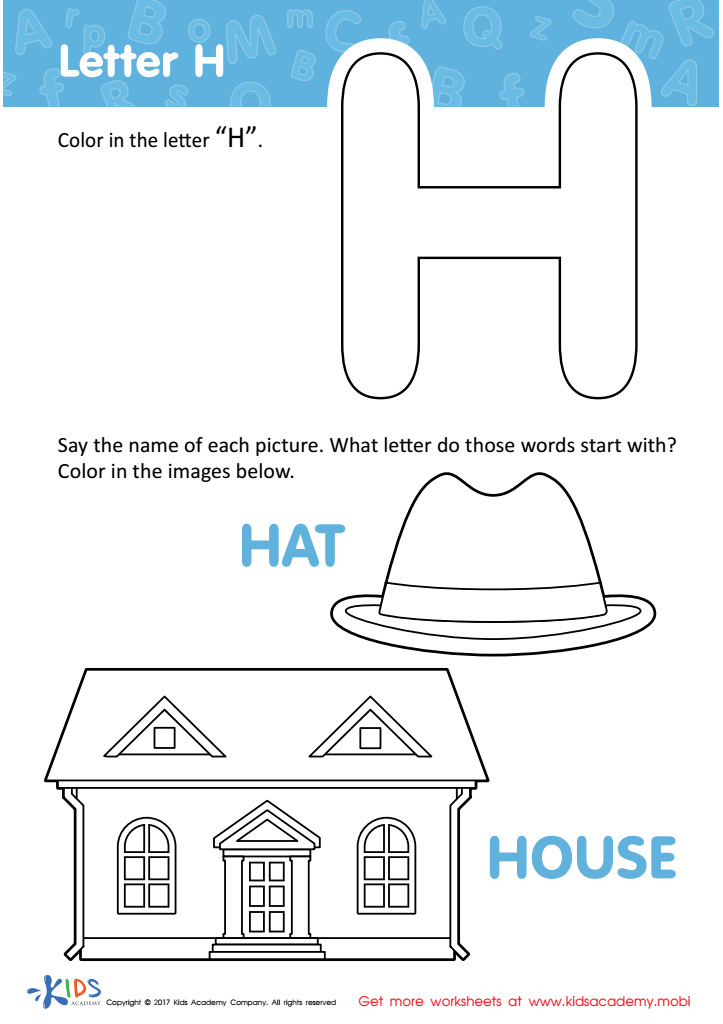
Letter H Coloring Sheet
Assign to My Students

Uppercase Letters Y Z Worksheet

Letter F Coloring Sheet
Assign to My Students








Alphabet recognition is a fundamental building block for early childhood education, and it's crucial for parents and teachers to prioritize this skill for children aged 3-6. During these formative years, kids' brains are rapidly developing and are highly receptive to learning new concepts. Knowing the ABCs forms the foundation for reading and writing, which are essential skills for academic success and everyday communication.
At this age, children are naturally curious and eager to explore and understand the world around them. Introducing them to alphabet recognition can be a fun and engaging way to spark their interest in learning. It also helps improve their cognitive abilities by enhancing memory, focus, and problem-solving skills.
Additionally, early familiarity with the alphabet boosts children's confidence and prepares them for kindergarten, setting a positive tone for their educational journey. With strong alphabet recognition, children can start to understand the relationships between letters and sounds, which is crucial for phonemic awareness and learning to read.
Moreover, when children learn the normal ABC letters, they also develop fine motor skills through writing and become more adept at interpreting visual information. Overall, prioritizing alphabet recognition at this critical age helps lay a sturdy foundation for future academic achievement and lifelong learning.







