Alphabet tracing Normal ABC Letters Worksheets for Ages 3-6
4 filtered results
-
From - To
Enhance your child’s early writing skills with our fun and engaging Alphabet Tracing Normal ABC Letters Worksheets designed for ages 3-6! Available at Kids Academy, these printable worksheets help little learners master the alphabet by tracing each letter, promoting fine motor skills and letter recognition. Perfect for preschool and kindergarten children, the activities feature playful illustrations to make learning exciting. Easy-to-follow and expertly crafted, these resources support your child’s journey to becoming a confident writer. Visit Kids Academy today and watch your young learner thrive with our comprehensive alphabet tracing worksheets!
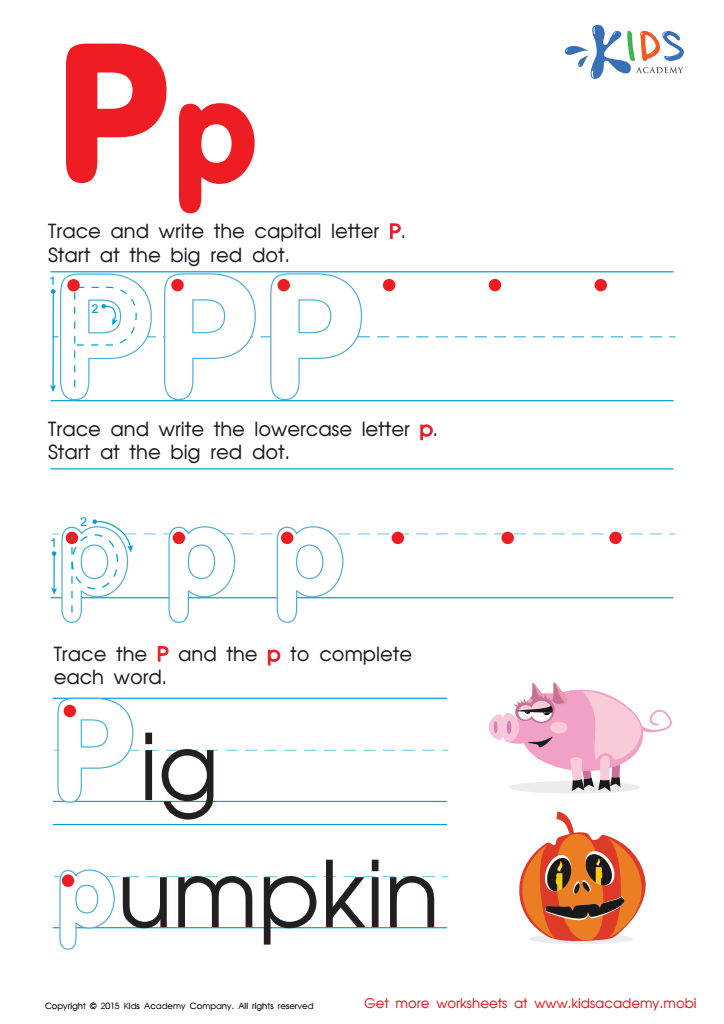
Letter P Tracing Page
 Assign to My Students






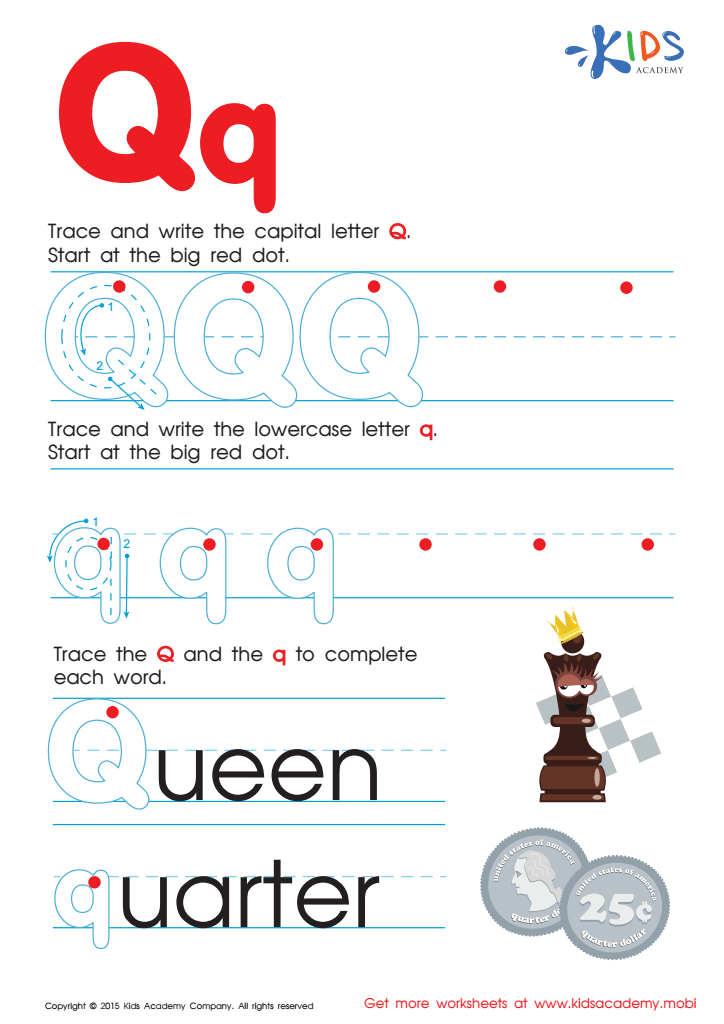
Letter Q Tracing Page
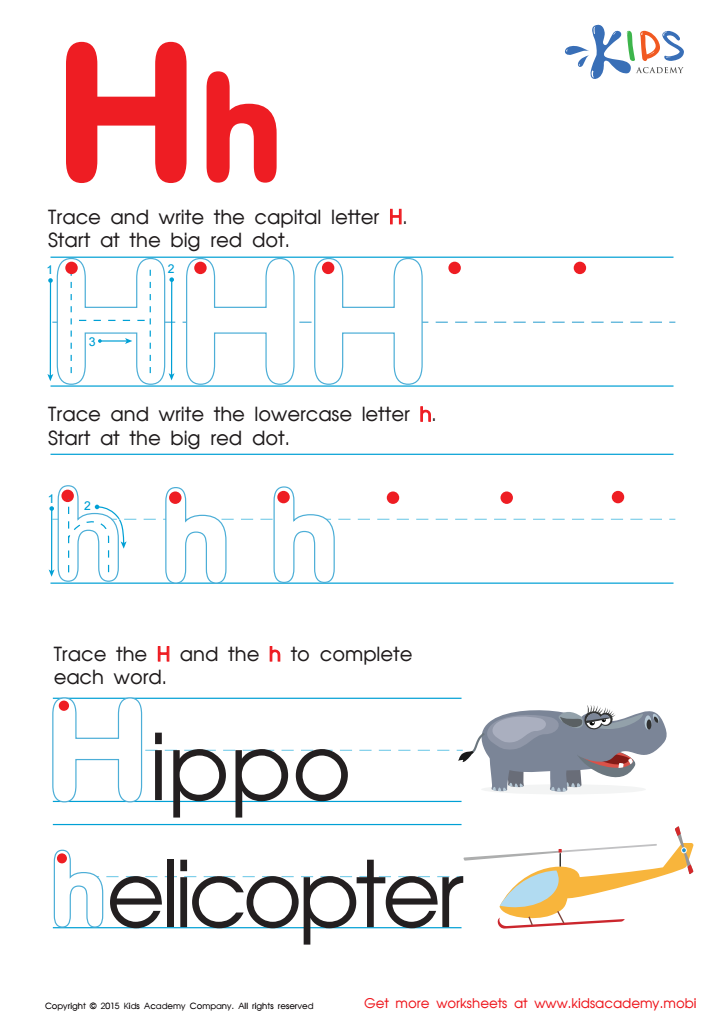
Letter H Tracing Page

Letter D Tracing Page








Alphabet tracing is a foundational activity for children aged 3-6, providing multiple developmental benefits that are crucial for early learning. At this stage, children’s brains are highly receptive to new information, and tracing normal ABC letters helps to solidify their understanding of the alphabet, which is a building block for literacy.
Firstly, the physical act of tracing helps develop fine motor skills. Holding a pencil or crayon and following the lines of each letter enhances hand-eye coordination and strengthens the muscles in the hands and fingers, preparing children for more complex writing tasks later on.
Secondly, alphabet tracing reinforces letter recognition and sounds. As children trace each letter, they practice identifying its shape and associate it with the corresponding phonetic sound. This dual sensory experience—both tactile and visual—makes the learning process more effective.
Additionally, tracing activities boost children's confidence and concentration. Completing each letter accurately gives children a sense of accomplishment, encouraging a positive attitude toward learning. It also requires them to focus, building their attention span and persistence.
Incorporating alphabet tracing into early education ensures that children have a strong foundation in essential pre-writing and literacy skills, aiding their overall academic and personal development. Therefore, parents and teachers should prioritize this activity to set children up for future success in reading and writing.







