Writing practice Normal ABC Letters Worksheets for Ages 3-6
6 filtered results
-
From - To
Enhance your child's writing skills with our engaging Normal ABC Letters Worksheets, specifically designed for ages 3-6. These worksheets provide a fun and interactive way for young learners to practice letter formation, develop fine motor skills, and boost their hand-eye coordination. Each worksheet focuses on different letters of the alphabet, guiding children through exciting activities such as tracing and coloring. Our user-friendly design and vibrant visuals make learning enjoyable, fostering a love for writing from an early age. Explore our collection today and watch your child gain confidence in their writing abilities while preparing for future educational milestones!
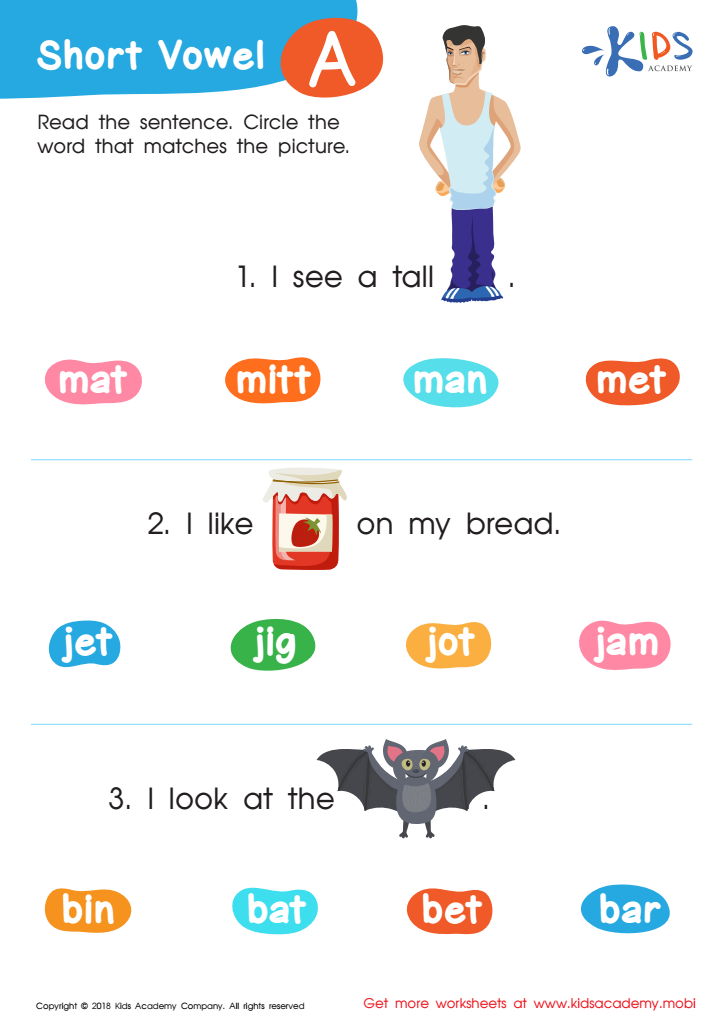
Short Vowel /a/ Worksheet




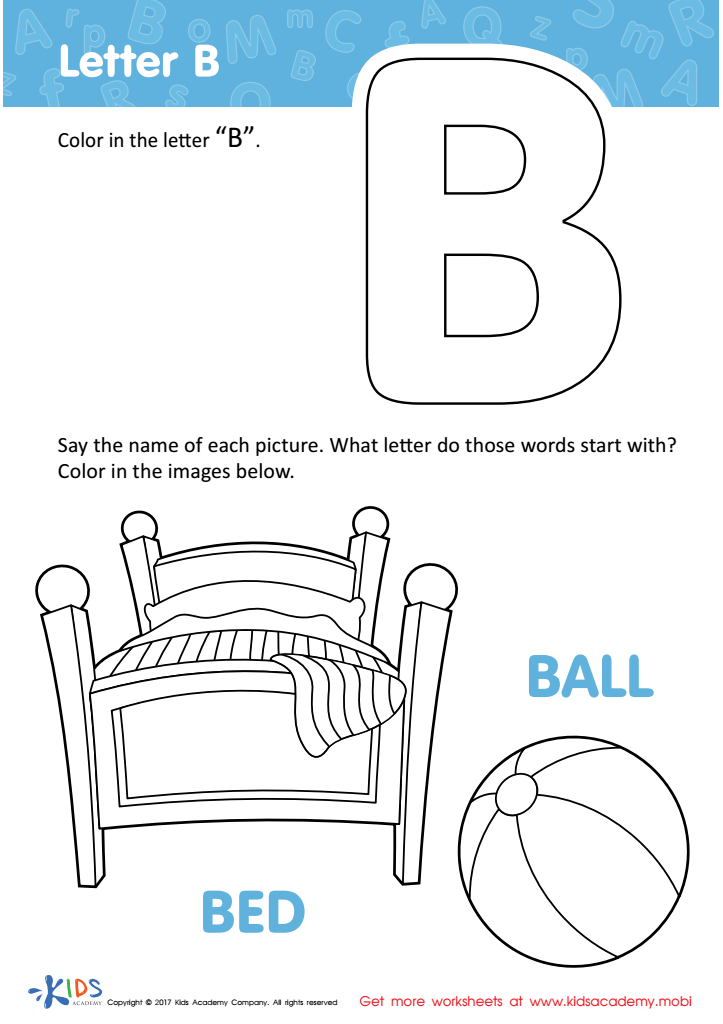
Letter B Coloring Sheet
 Assign to My Students
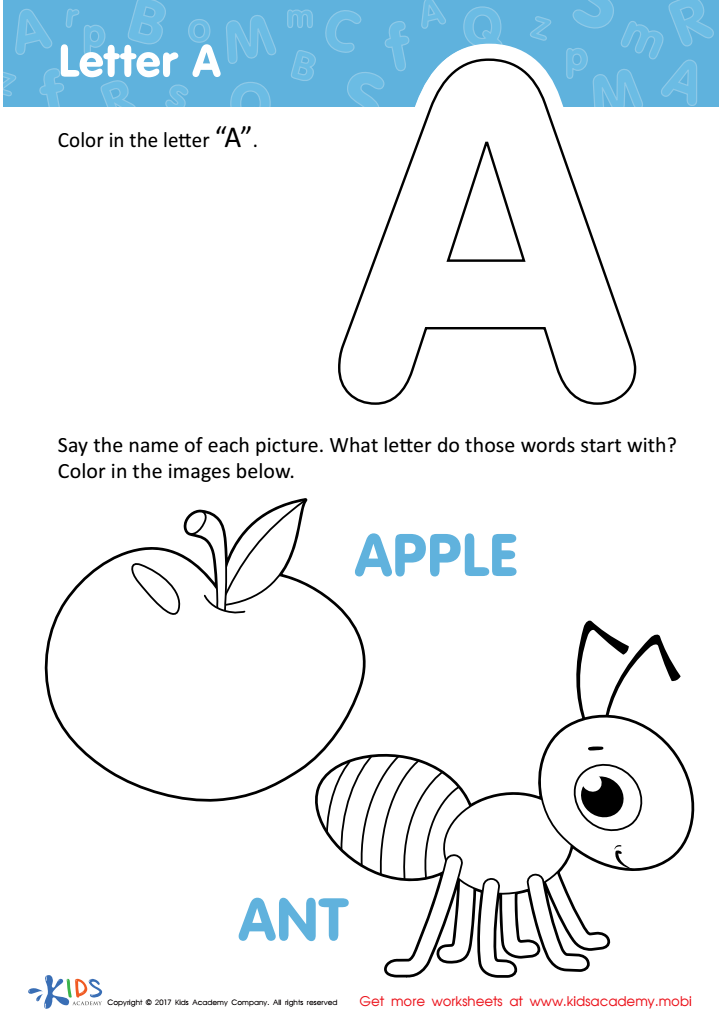
Letter A Coloring Sheet
Assign to My Students

Letter H Tracing Page
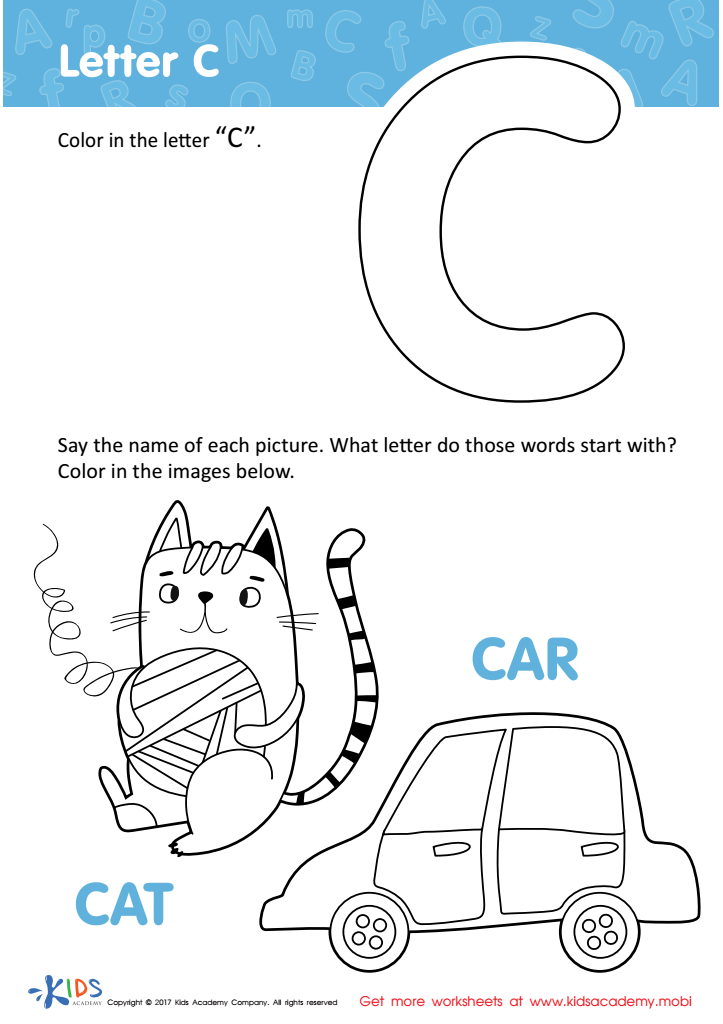
Letter C Coloring Sheet
Assign to My Students
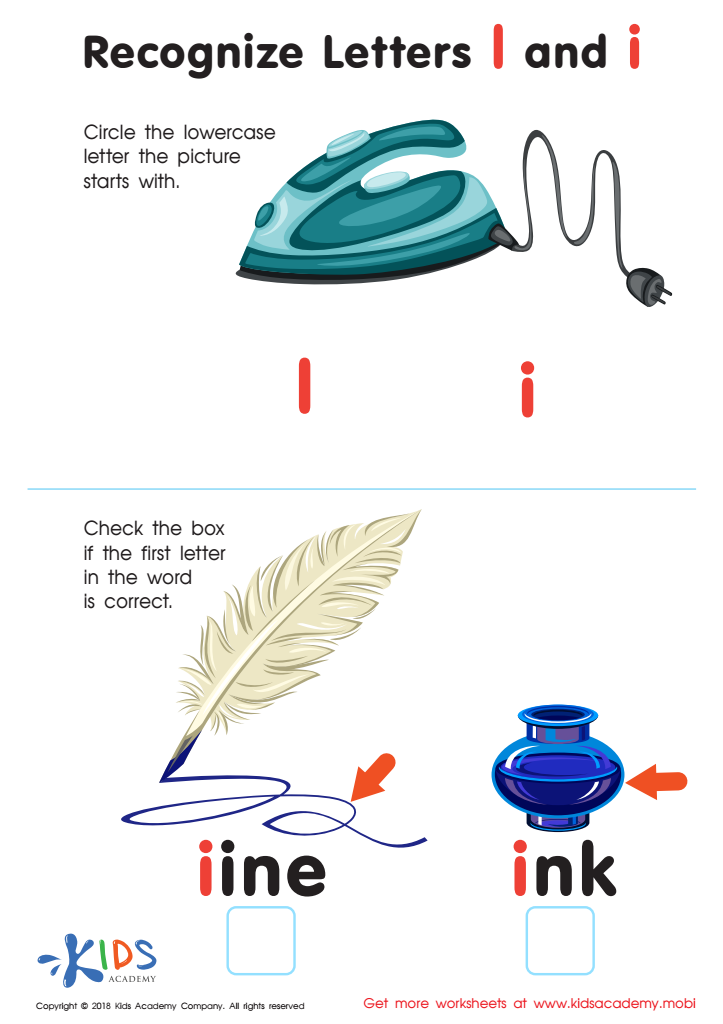
Recognize Letters l and i Worksheet








Writing practice using normal ABC letters is crucial for children aged 3-6 for several reasons. Firstly, it lays the foundation for literacy. Mastery of letter formation enhances their ability to read and write, vital skills for academic success. By focusing on proper writing techniques, children develop fine motor skills, essential for better hand-eye coordination and dexterity.
Additionally, writing helps with cognitive development. As kids learn to recognize letters and practice writing them, they improve their memory and understanding of sounds and words. This early engagement fosters a love for learning and creativity.
Moreover, writing activities promote self-expression. Children can articulate their thoughts and feelings in a tangible way, developing their emotional intelligence and communication skills. Practicing writing also enhances concentration and discipline, key skills that benefit academic and personal pursuits later in life.
Lastly, parental and teacher involvement in this practice can create a supportive learning environment. By showing interest in children’s writing, adults can encourage and motivate them, making the learning process enjoyable. Investing time in writing practice during these formative years is essential for building confident, capable learners who can express themselves successfully.







