Phonics practice Normal Beginning Sounds Worksheets for Ages 3-6
5 filtered results
-
From - To
Discover our "Normal Beginning Sounds Worksheets" designed for children ages 3-6 to enhance their phonics skills! These engaging worksheets focus on helping young learners identify and practice the initial sounds of letters, laying a solid foundation for reading and language development. With colorful illustrations and age-appropriate activities, children will enjoy the interactive learning experience while improving their phonemic awareness. These worksheets are perfect for homeschooling, classroom activities, or supplemental practice at home. Foster a love for language and boost confidence in early readers with our creative phonics resources! Get started today and watch your little ones thrive in their reading journey!
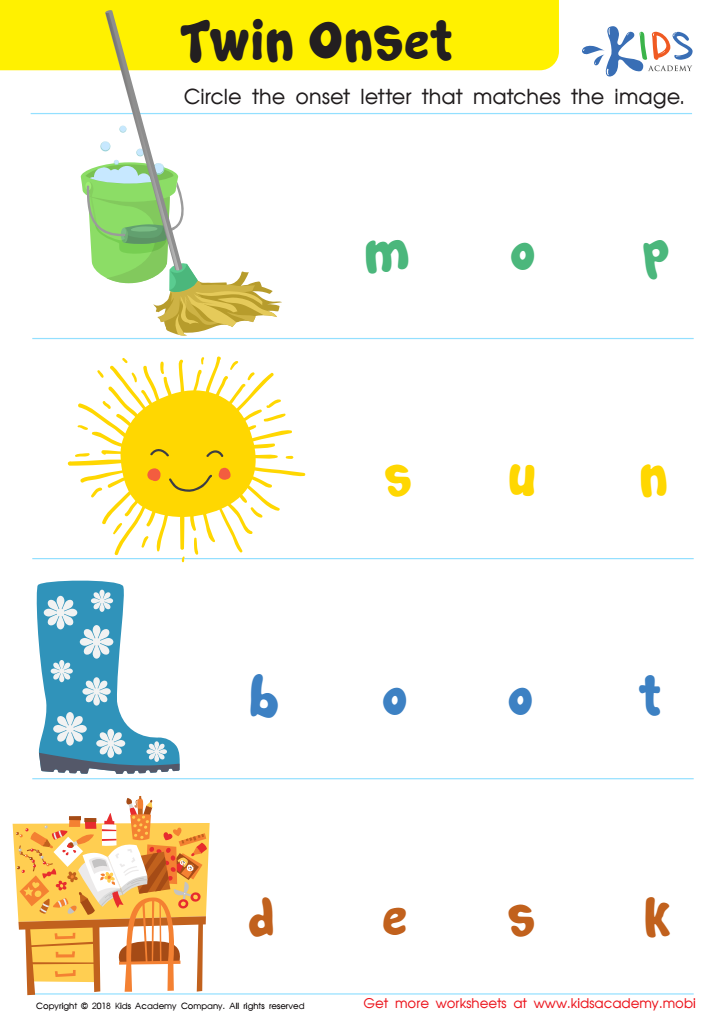
Twin Onset Worksheet
 Assign to My Students
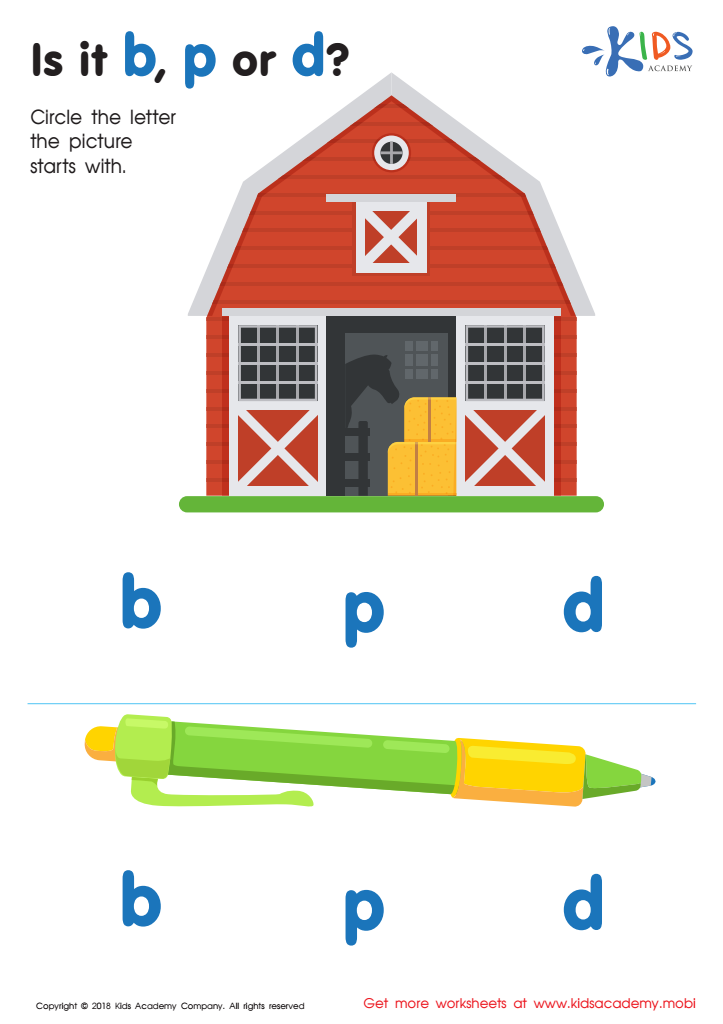
Is it b, p or d? Worksheet
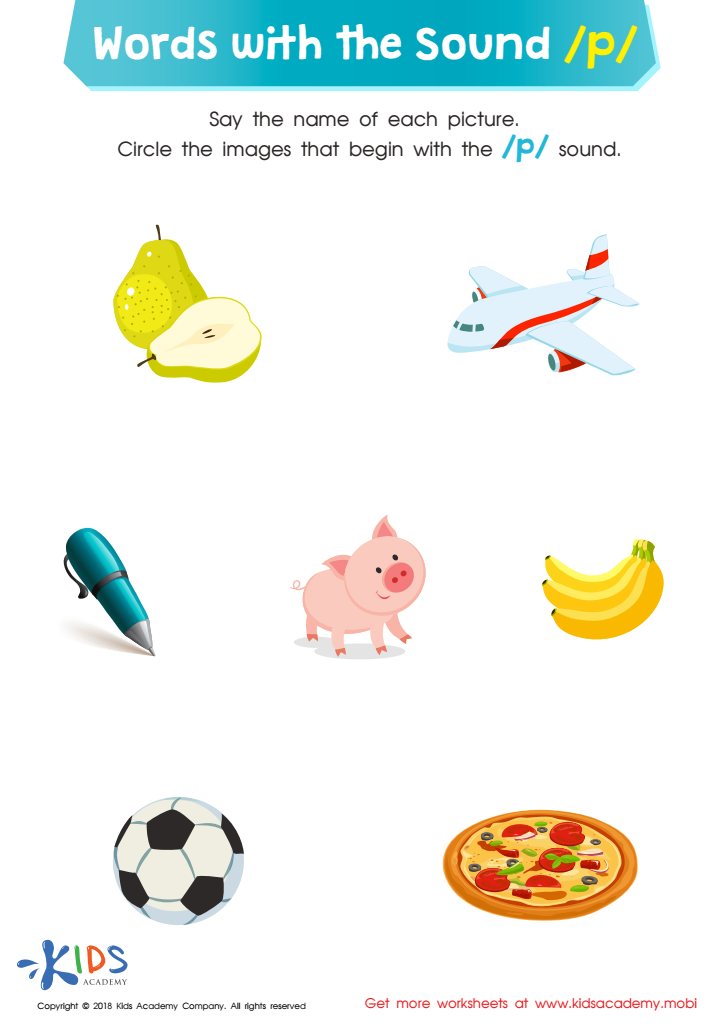
Words with sound p Reading Worksheet
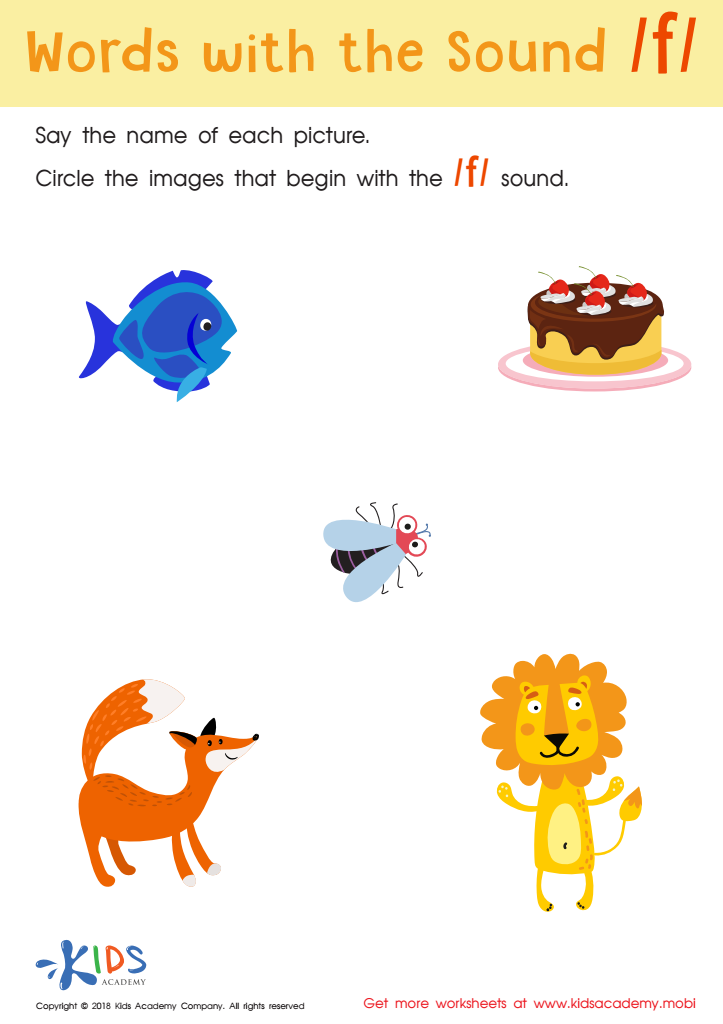
Words with sound f Reading Worksheet
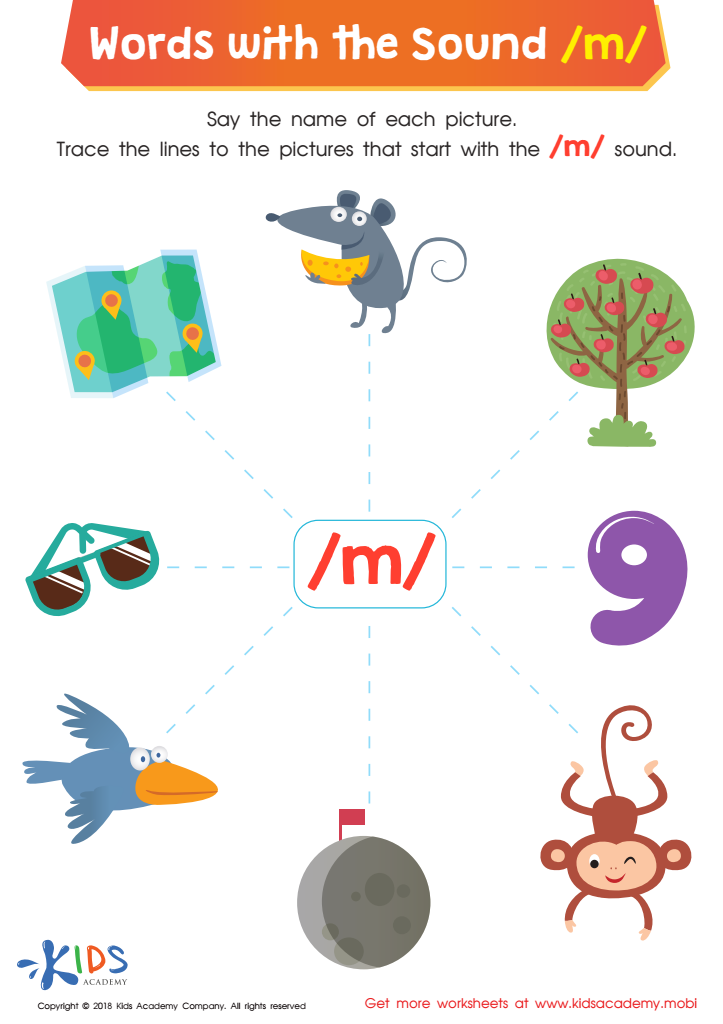
Words with Sound M Reading Worksheet








Phonics practice, particularly focusing on normal beginning sounds, is crucial for children ages 3 to 6 as it lays the foundation for literacy skills. At this developmental stage, children are naturally curious about sounds and words, making it an optimal time to introduce phonics. Teaching beginning sounds helps kids learn to decode words, improving their reading and writing abilities as they progress in their education.
By mastering beginning sounds, children develop phonemic awareness, which is the ability to hear, identify, and manipulate individual sounds in spoken words. This skill is a predictive factor for reading success; students with strong phonemic awareness typically perform better in reading tasks. Additionally, phonics practice encourages vocabulary growth, enhancing comprehension and communication skills.
For parents and teachers, implementing regular phonics activities can create engaging learning environments where children feel empowered to express themselves. These practices can boost confidence and instill a lifelong love for reading. Furthermore, integrating fun games and activities focused on beginning sounds makes learning enjoyable, fostering a positive attitude toward education at a young age. Ultimately, prioritizing phonics practice enhances academic success and prepares young learners for future literacy demands.







