Phonics development Normal Alphabet Worksheets for Ages 3-6
3 filtered results
-
From - To
Unlock your child's reading potential with our Phonics Development Normal Alphabet Worksheets for Ages 3-6. Specifically designed for young learners, these engaging worksheets enhance letter recognition, phonemic awareness, and early reading skills. Each activity fosters a love for learning through fun, dynamic exercises suitable for preschoolers and kindergarteners. Our expertly crafted resources support foundational literacy skills, ensuring a smooth transition to reading fluency. Perfect for classroom or at-home practice, these worksheets will give your child the confidence they need to excel in early literacy. Visit us today to access high-quality, educational materials that make phonics fun and effective!
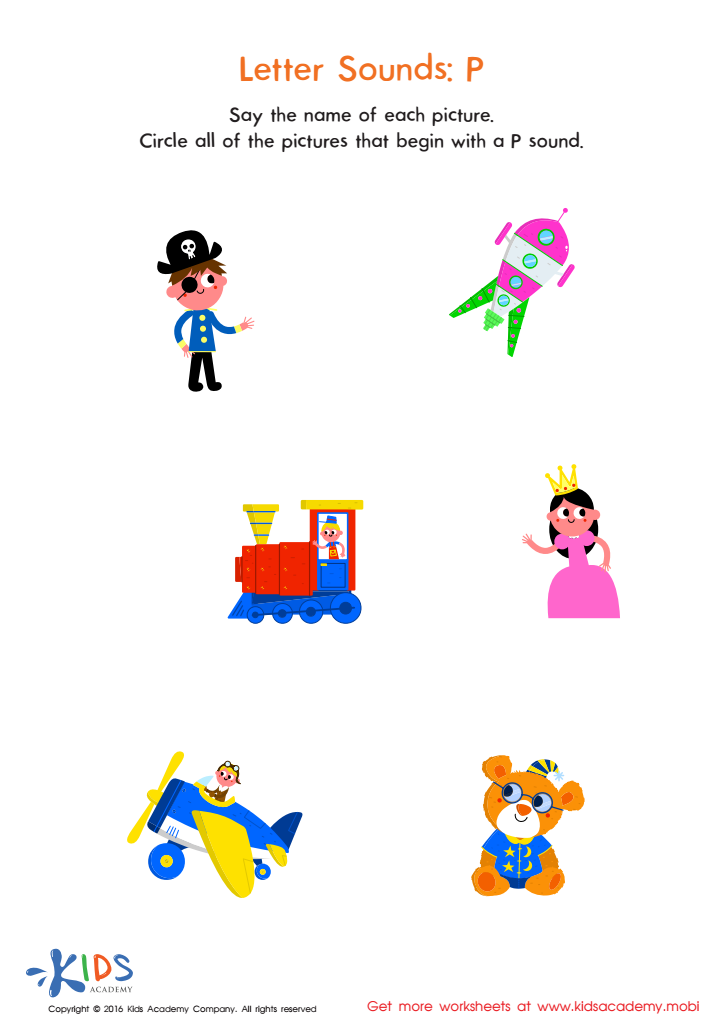
Letter P Sound Worksheet
 Assign to My Students
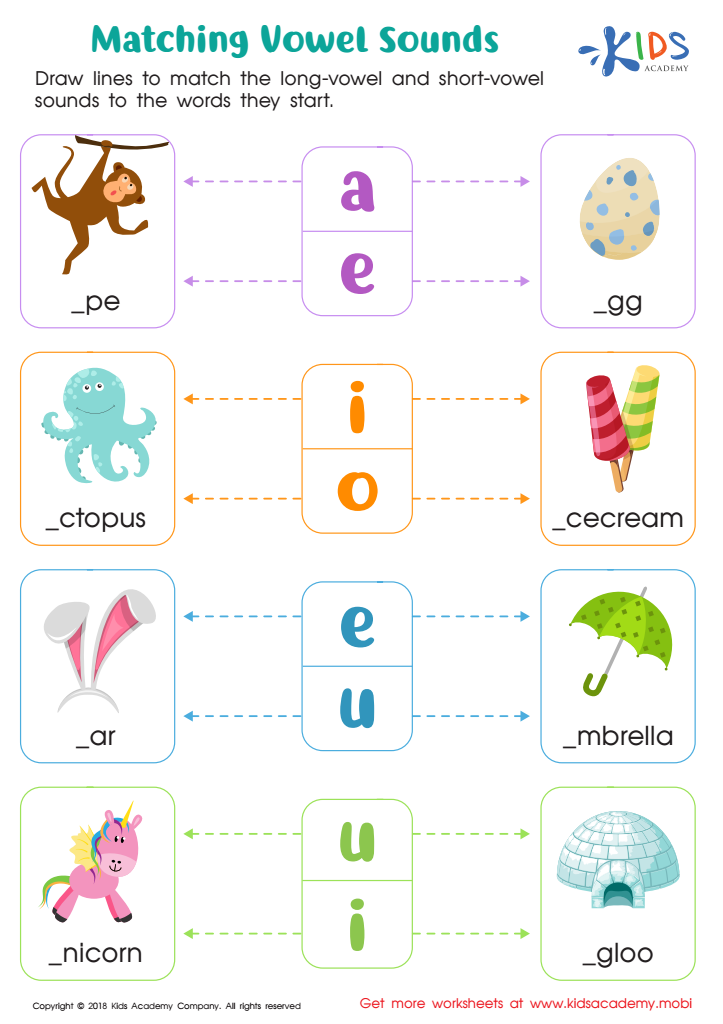
Matching Vowel Sounds Worksheet
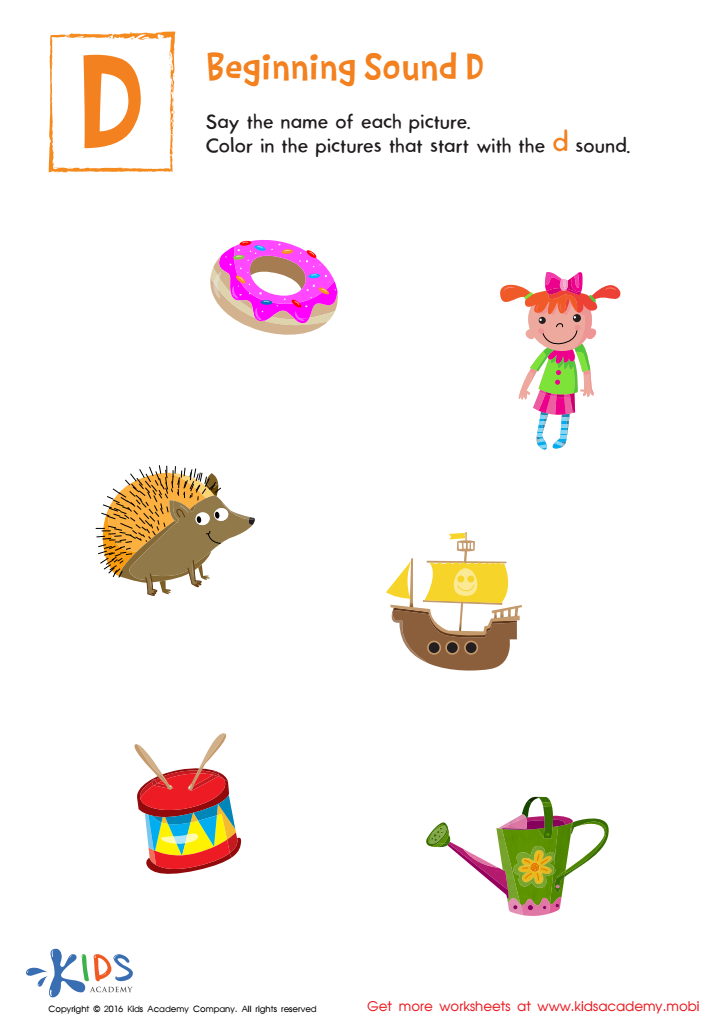
Beginning Sound D Worksheet








Phonics development for children aged 3-6 is crucial as it lays the foundation for effective reading and writing skills. Phonics teaches the relationship between letters and their sounds, enabling children to decode words and build strong literacy capabilities. By understanding phonics, children gain the tools to sound out new words, aiding in reading comprehension and fluency.
For parents and teachers, focusing on phonics development ensures that children start their academic journey on the right footing. Early phonics instruction helps in averting future reading difficulties, making the learning process smoother and more enjoyable. Children who master phonics early often display a greater enthusiasm for reading, leading to enhanced vocabulary, better communication skills, and improved academic performance across subjects.
Investing time in phonics development not only benefits literacy but also supports cognitive development, encouraging kids to think critically and solve problems. For teachers, utilizing phonics creates a structured and evidence-based approach to teaching reading, ensuring that every child has the chance to succeed. For parents, reinforcing phonics at home strengthens home-school connections and provides comforting consistency in the child’s learning environment.
In summary, prioritizing phonics from ages 3-6 establishes a strong educational foundation, fostering confident, capable, and lifelong learners.







