Visual discrimination skills Normal Letter Recognition Worksheets for Ages 3-6
5 filtered results
-
From - To
Enhance your child's visual discrimination skills with our engaging Normal Letter Recognition Worksheets, designed specifically for ages 3-6. These worksheets provide a fun and effective way for young learners to identify and differentiate letters, boosting their early literacy and comprehension abilities. Through colorful activities and interactive exercises, children will improve their focus and attention to detail, essential for success in reading. Our thoughtfully designed materials cater to varying skill levels, ensuring a personalized learning experience. Encourage a love for reading and foster cognitive development with our high-quality resources that make learning enjoyable and productive. Start your educational journey today!
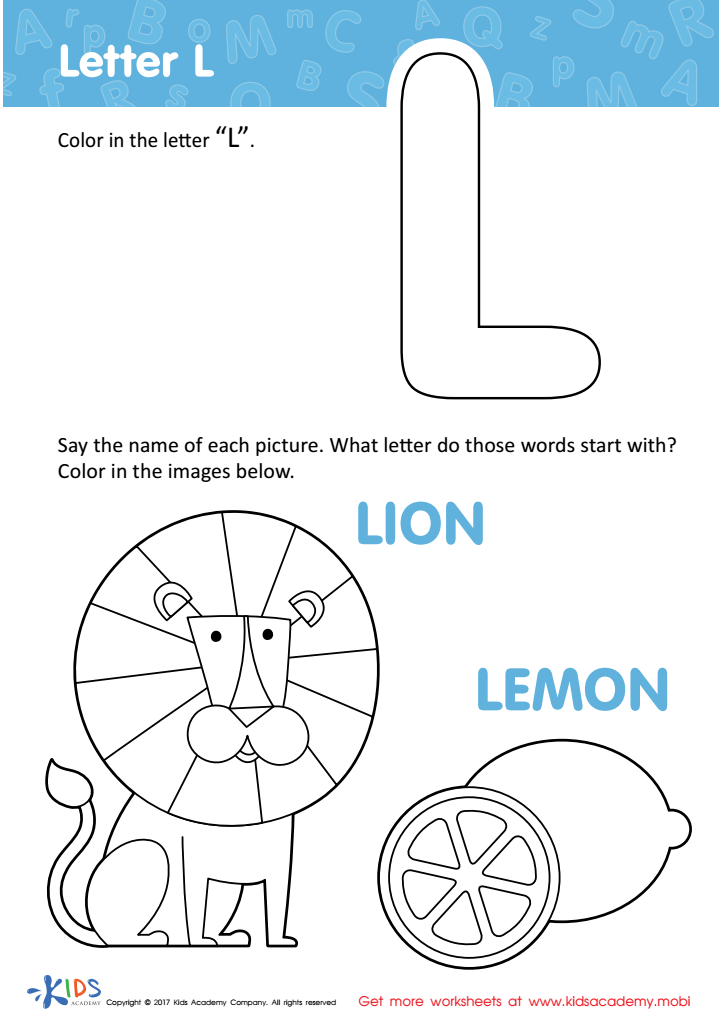
Letter L Coloring Sheet
 Assign to My Students
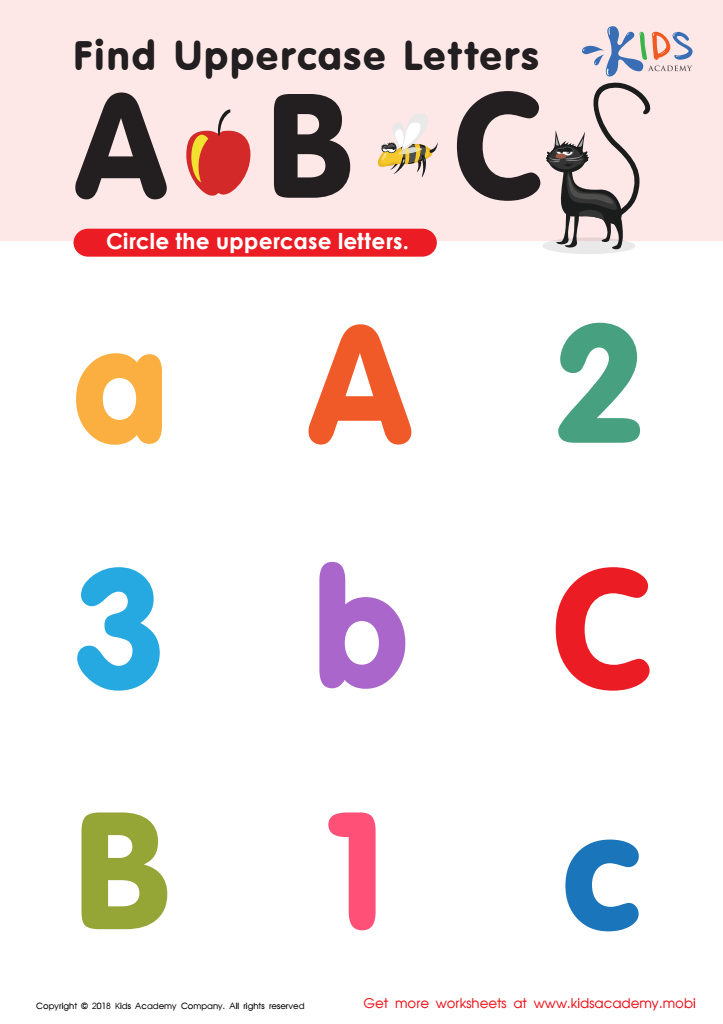
Find Uppercase Letters A, B, and C Worksheet
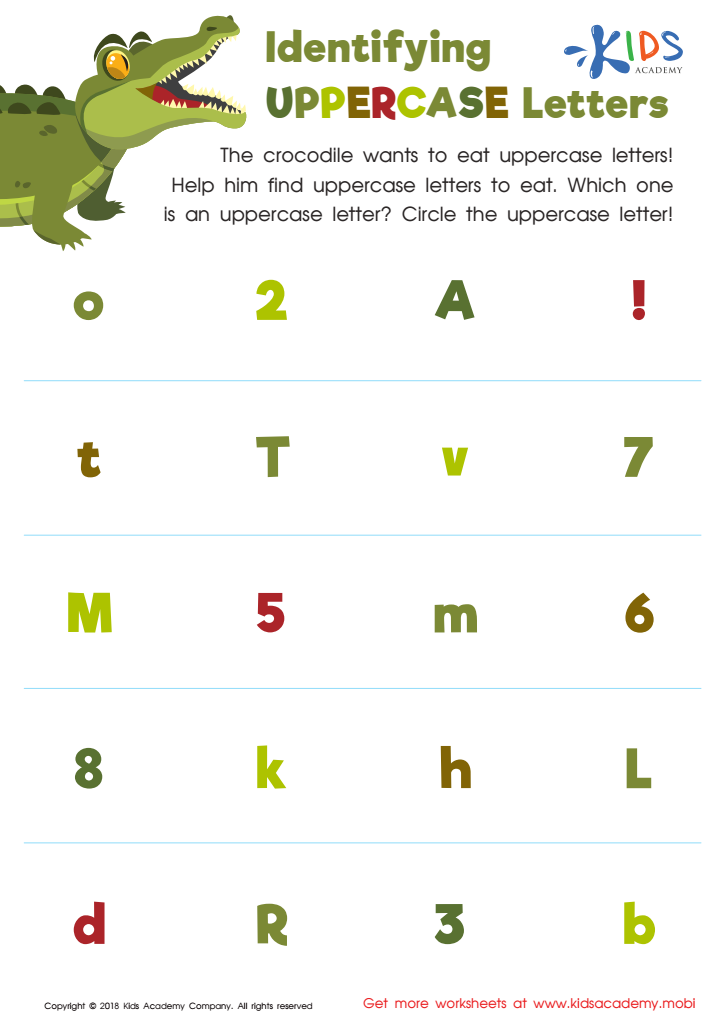
Identifying Uppercase Letters Worksheet

Find lowercase letters a b c Worksheet
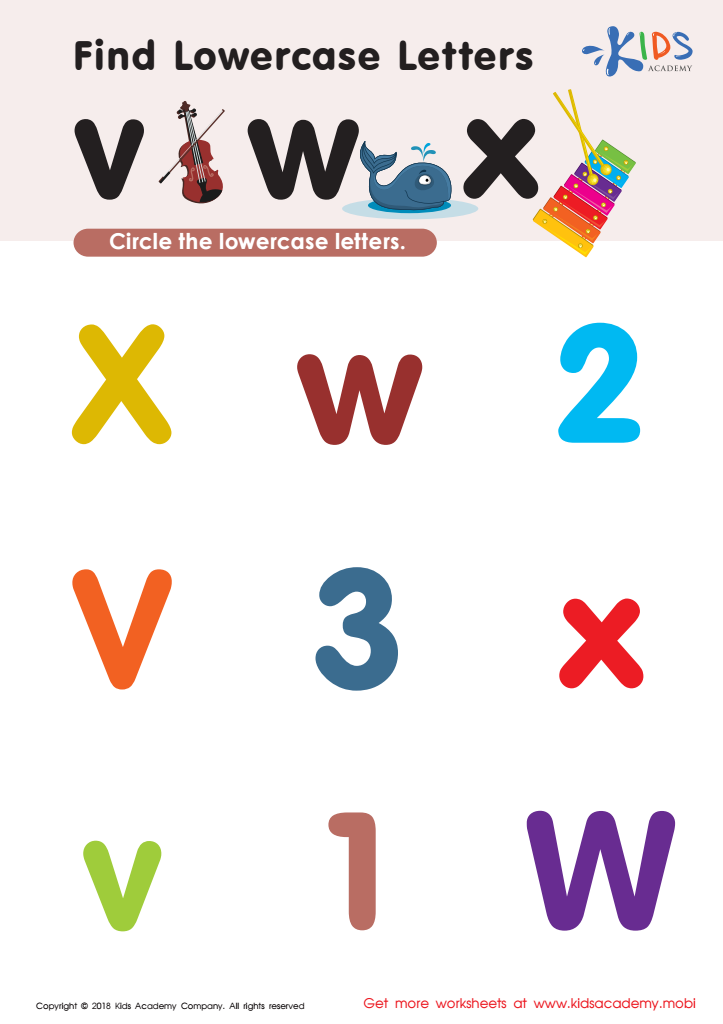
Find Lowercase Letters v w x Worksheet








Visual discrimination skills, combined with normal letter recognition, are crucial for children aged 3-6 as they lay the foundation for literacy and cognitive development. Visual discrimination refers to the ability to notice similarities and differences in shapes, colors, letters, and objects. This skill forms the cornerstone for identifying letters, which is essential for reading and writing.
For parents and teachers, nurturing these skills helps children differentiate between similar letters and shapes, such as 'b' and 'd,' or 'p' and 'q.' Developing these skills at an early age allows children to recognize and understand letters and words, facilitating effective communication and fostering a love for reading.
Moreover, strong visual discrimination skills can enhance overall problem-solving and critical thinking. As children learn to focus on visual details, their observational skills, attention span, and memory improve. This holistic development positively impacts other academic areas like math and science.
By recognizing the significance of visual discrimination and letter recognition, parents and teachers can implement targeted, engaging activities—like sorting games, letter hunts, and creative crafts—ensuring that children build a strong, recognizable foundation for lifelong learning and success.








