Vocabulary expansion Normal Short Vowels Worksheets for Ages 3-6
3 filtered results
-
From - To
Boost your child's language skills with our Vocabulary Expansion Normal Short Vowels Worksheets for ages 3-6. Designed thoughtfully for early learners, these engaging printables help young minds master short vowel sounds and expand their vocabulary. Each worksheet features fun illustrations and simple activities that make learning enjoyable. Perfect for preschoolers and kindergarteners, these exercises not only improve phonemic awareness but also build foundational reading skills. Engage your little ones with our user-friendly resources to set them on the path to literacy success. Download our worksheets today and watch your child’s confidence and skills grow!
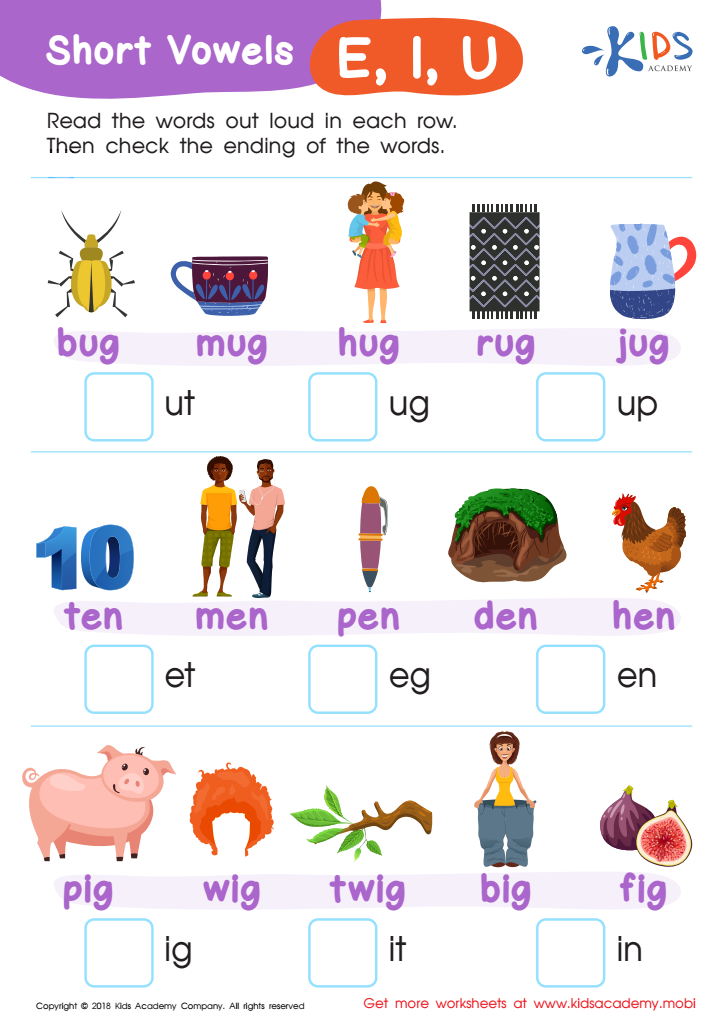
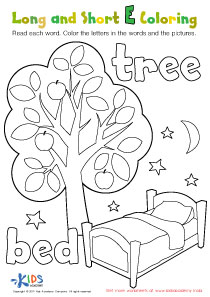
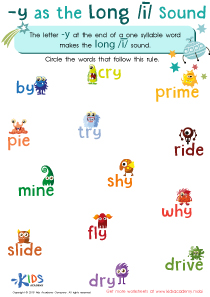
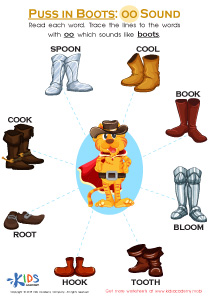
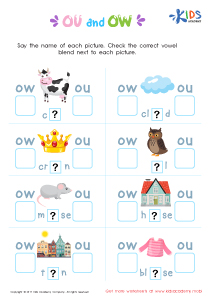
Short Vowels /e/, /i/, and /u/ Worksheet
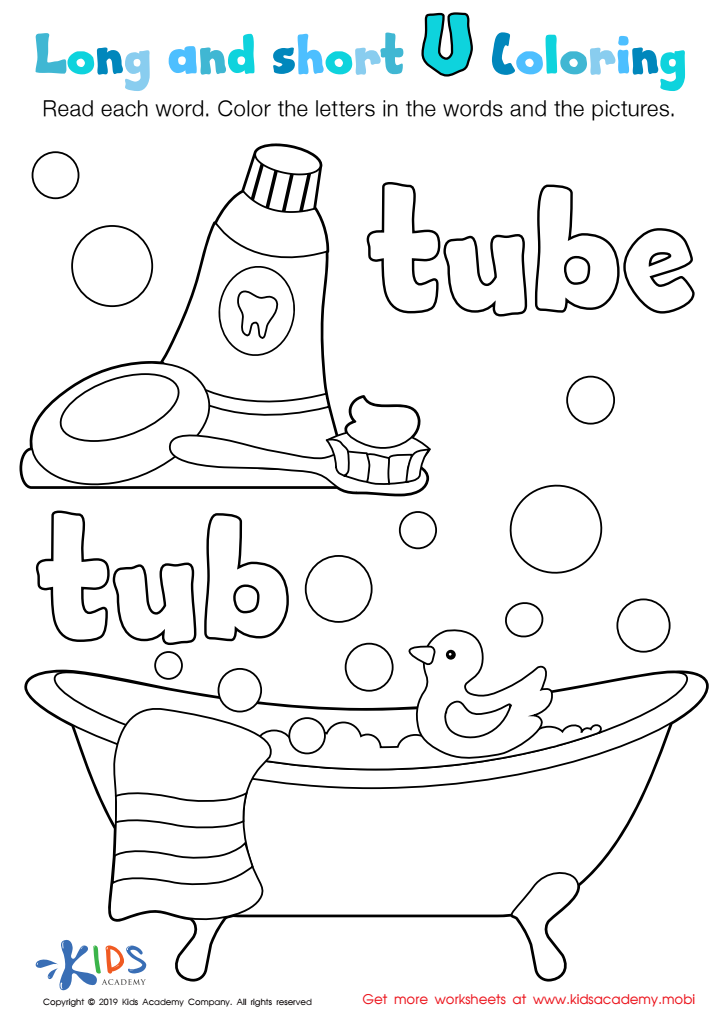
Long and Short U Worksheet
 Assign to My Students
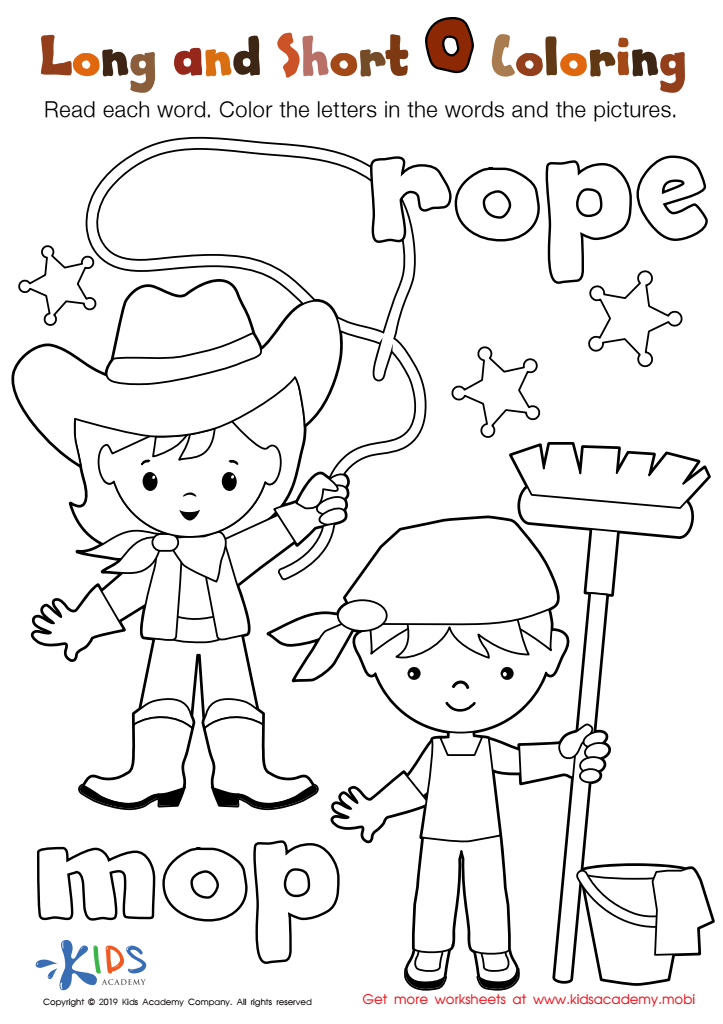
Long and Short O Worksheet
Assign to My Students



Vocabulary expansion, particularly focusing on Normal Short Vowels, is crucial for children ages 3-6 as it sets the foundation for successful reading and communication skills. At this developmental stage, children's brains are exceptionally receptive to language acquisition. Understanding and using short vowels enhances children's phonemic awareness, which is the ability to hear, identify, and manipulate individual sounds in words. This skill is vital for decoding, which is an essential component of early reading.
For parents and teachers, fostering an environment that enriches vocabulary with a focus on short vowels (such as "a" in cat, "e" in bed, "i" in kit, "o" in cot, and "u" in cup) aids in smoothing the transition from picture-based reading to text-based reading. This ensures that children can move beyond rote memorization of words to understanding phonics rules that allow them to decode unfamiliar words independently. Enhanced vocabulary also improves oral language abilities, aiding children in expressing their thoughts clearly and confidently, which benefits their social and emotional development.
Ultimately, attention to vocabulary with an emphasis on short vowels at an early age enables children to become proficient readers and communicators, laying the groundwork for academic success and a lifelong love of learning. By caring about this aspect of early literacy, parents and teachers are investing in their children's future educational achievements and communication skills.