Problem-Solving Skills Normal Upper & Lowercase Letters Worksheets for Ages 3-6
3 filtered results
-
From - To
Unlock your child's potential with our engaging Problem-Solving Skills Worksheets! Designed for ages 3-6, these printable resources focus on enhancing critical thinking while introducing upper and lowercase letters. Colorful and interactive, our worksheets encourage young learners to tackle fun challenges that build their literacy and analytical abilities. Each activity promotes pattern recognition, sequencing, and cognitive reasoning, ensuring that children develop foundational skills in a playful manner. Perfect for at-home learning or classroom activities, these worksheets offer a comprehensive approach to education, laying the groundwork for future academic success. Foster creativity and problem-solving in your little one today!
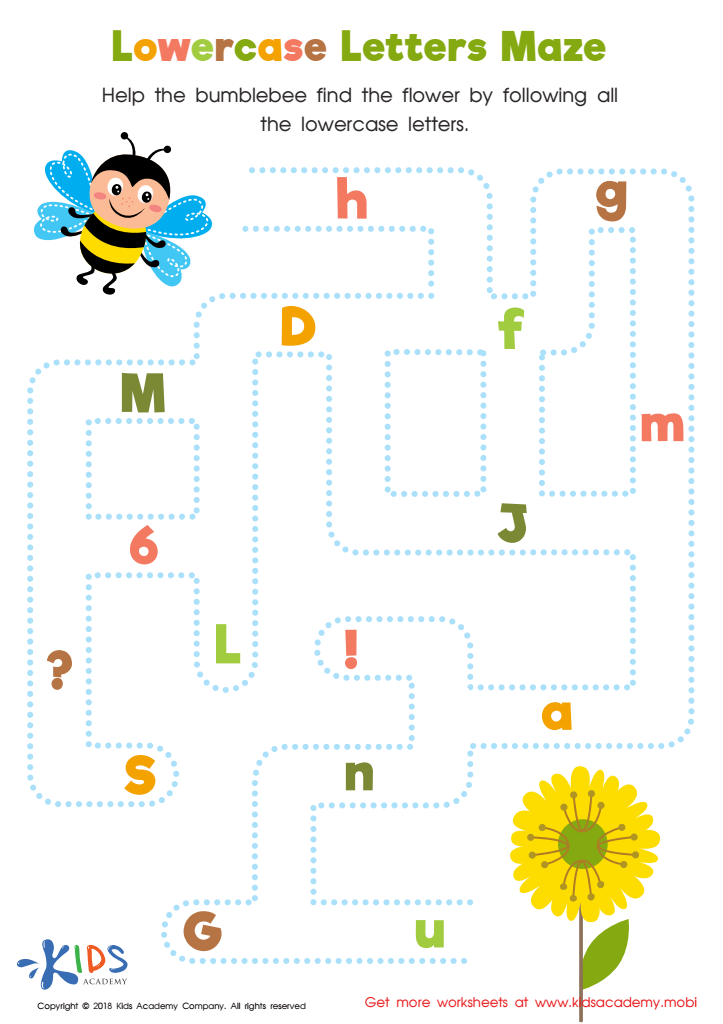
Lowercase Letters Maze Worksheet
 Assign to My Students


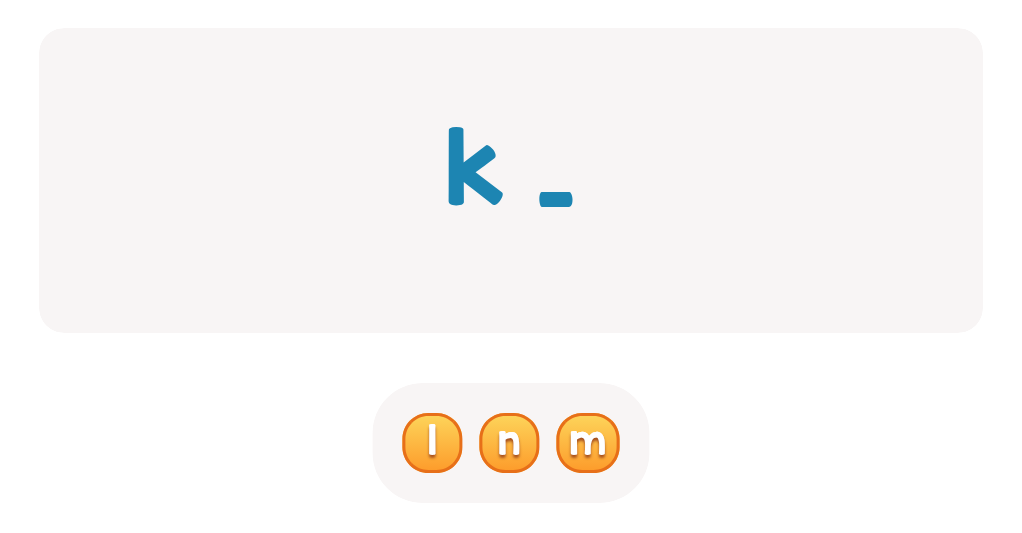
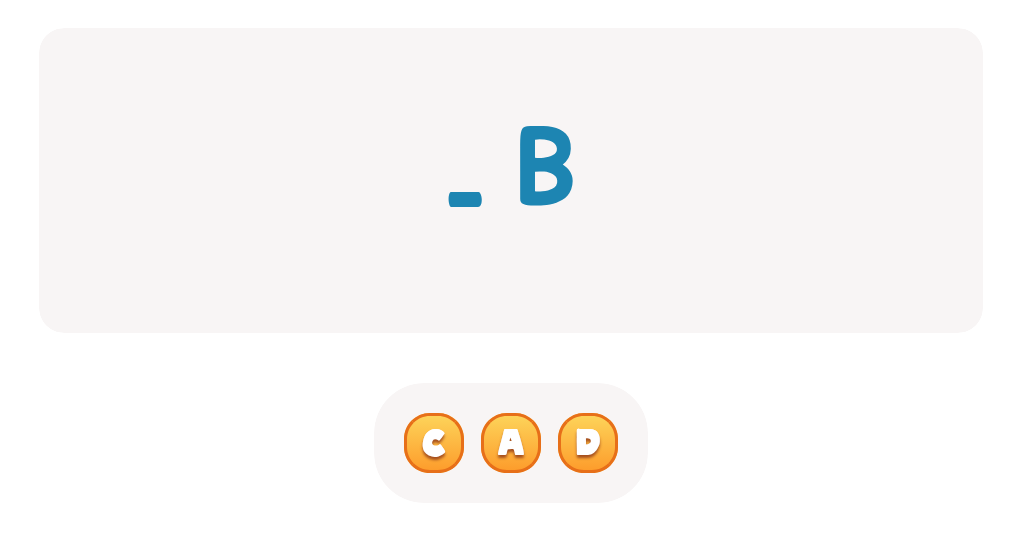




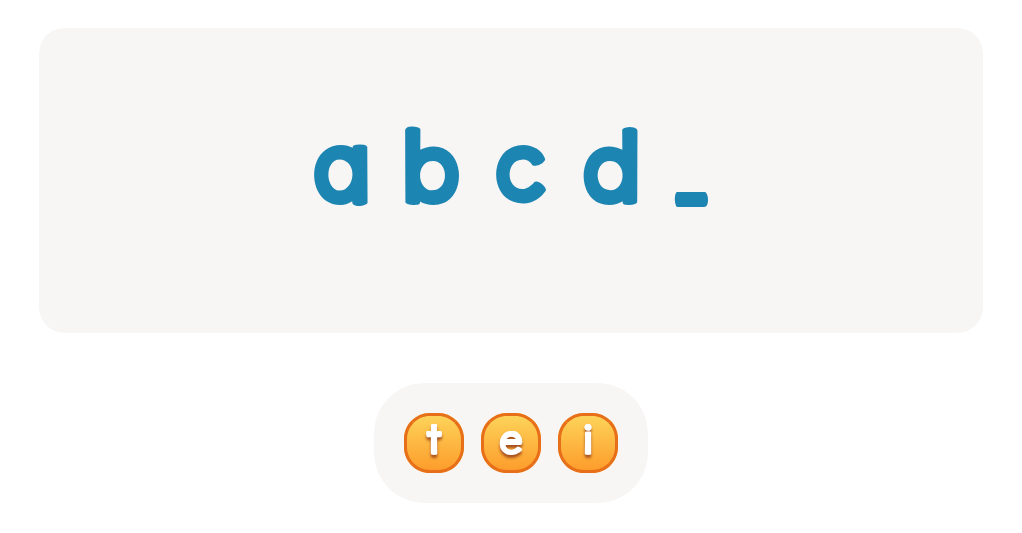

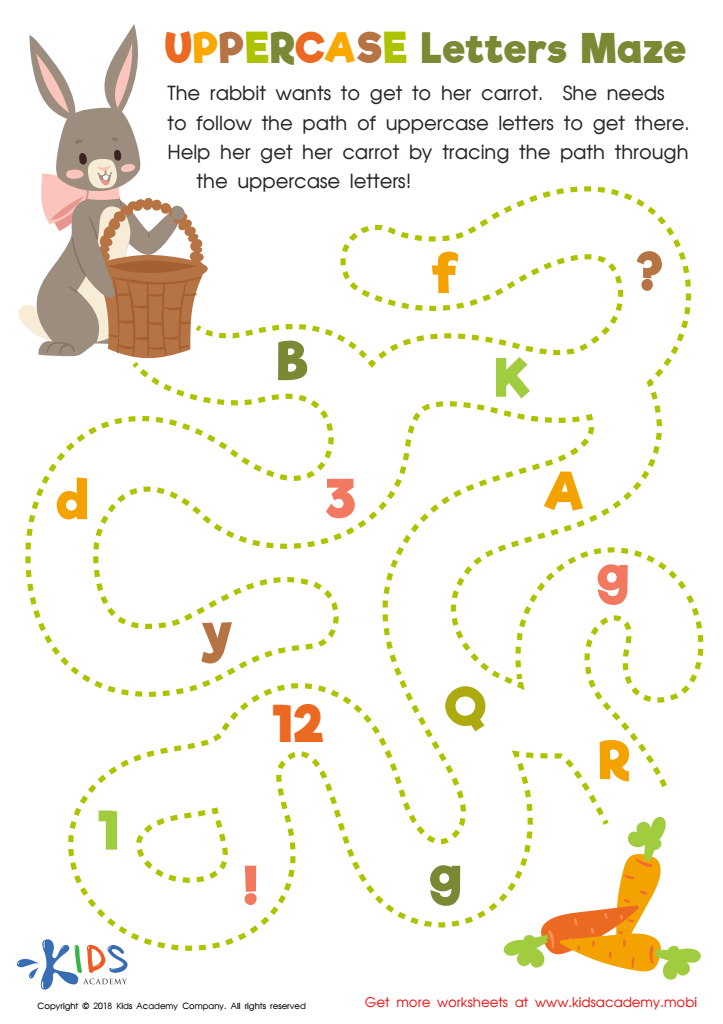
Uppercase Letters Maze Worksheet
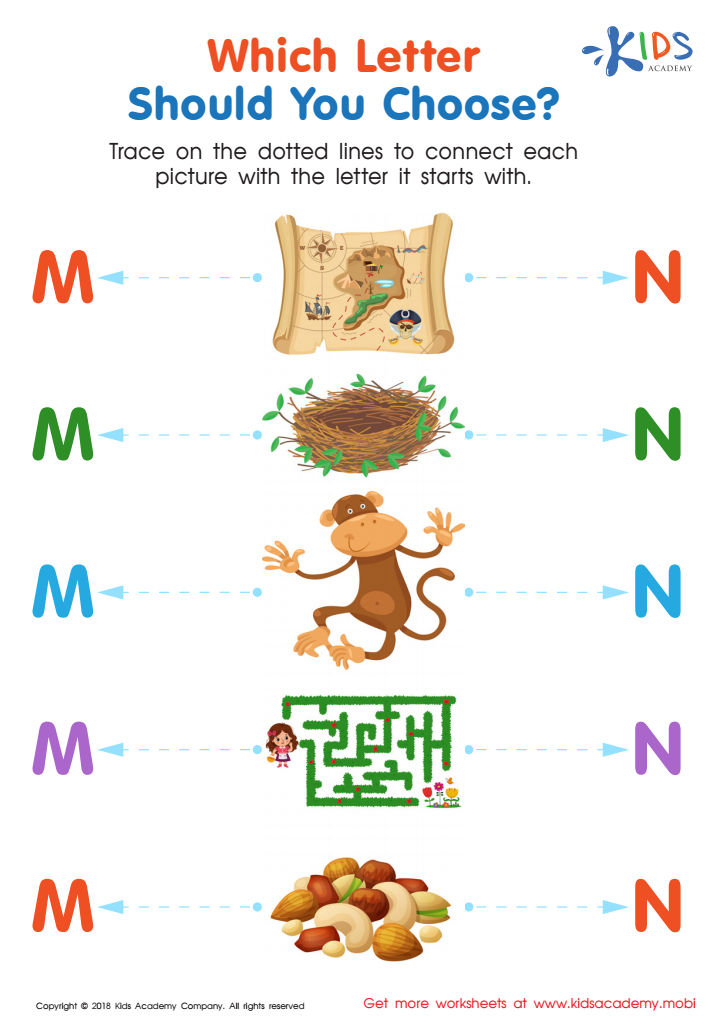
Which Letter Should you Choose? Worksheet






Problem-solving skills are crucial for children aged 3-6, as they form the foundation for critical thinking, creativity, and independence. Parents and teachers play an essential role in fostering these skills, which can significantly impact a child's development and future learning.
Firstly, children at this age are naturally curious and enjoy exploring their environments. Encouraging problem-solving through real-life challenges enhances their cognitive abilities and helps them understand cause-and-effect relationships. For example, when faced with a puzzle, children learn to develop strategies, make decisions, and evaluate outcomes.
Moreover, problem-solving skills promote resilience. By encountering obstacles, children learn that challenges are part of life, cultivating a growth mindset. This leads to greater emotional intelligence and confidence in their abilities.
Additionally, strong problem-solving skills contribute to social skills, as collaborating with peers on tasks enhances communication and teamwork.
Lastly, laying this groundwork prepares children for more complex academic and social situations later on. As such, parents and teachers should engage young learners in problem-solving activities, celebrating their efforts and encouraging exploration. This investment not only enriches their early learning experiences but also sets the stage for lifelong skills essential for success in school and beyond.







